

)

)


)



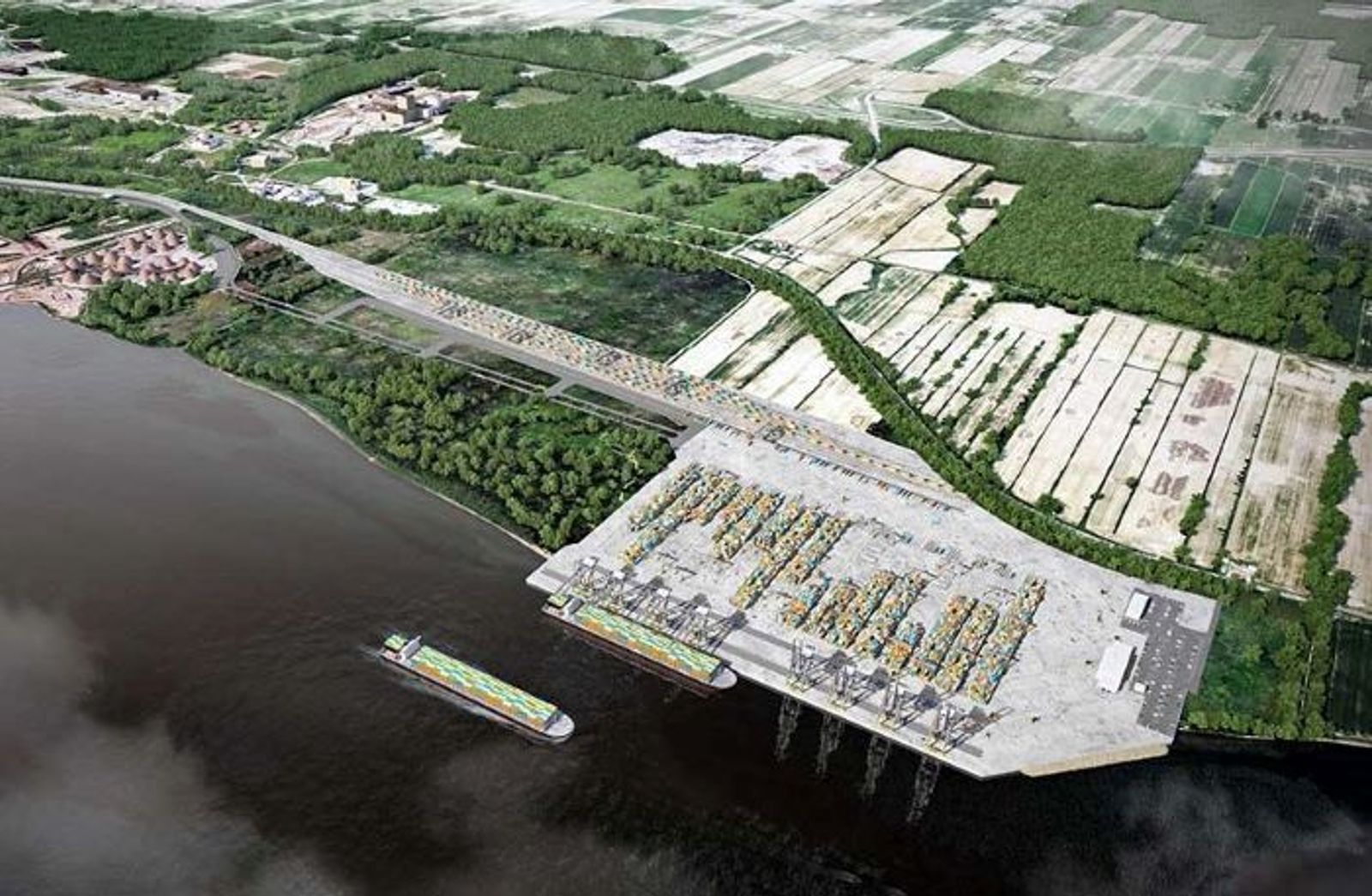
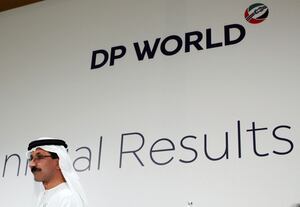
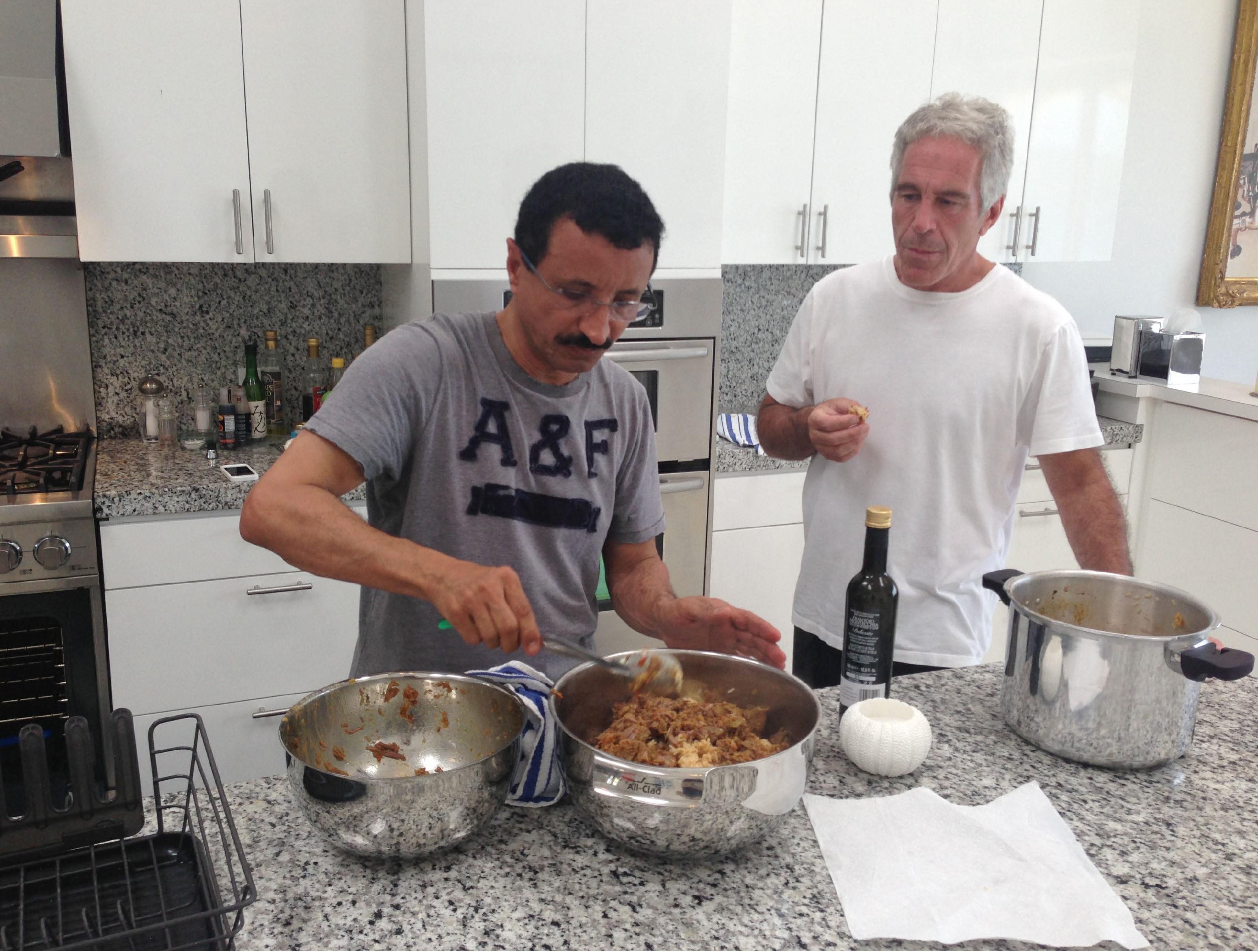
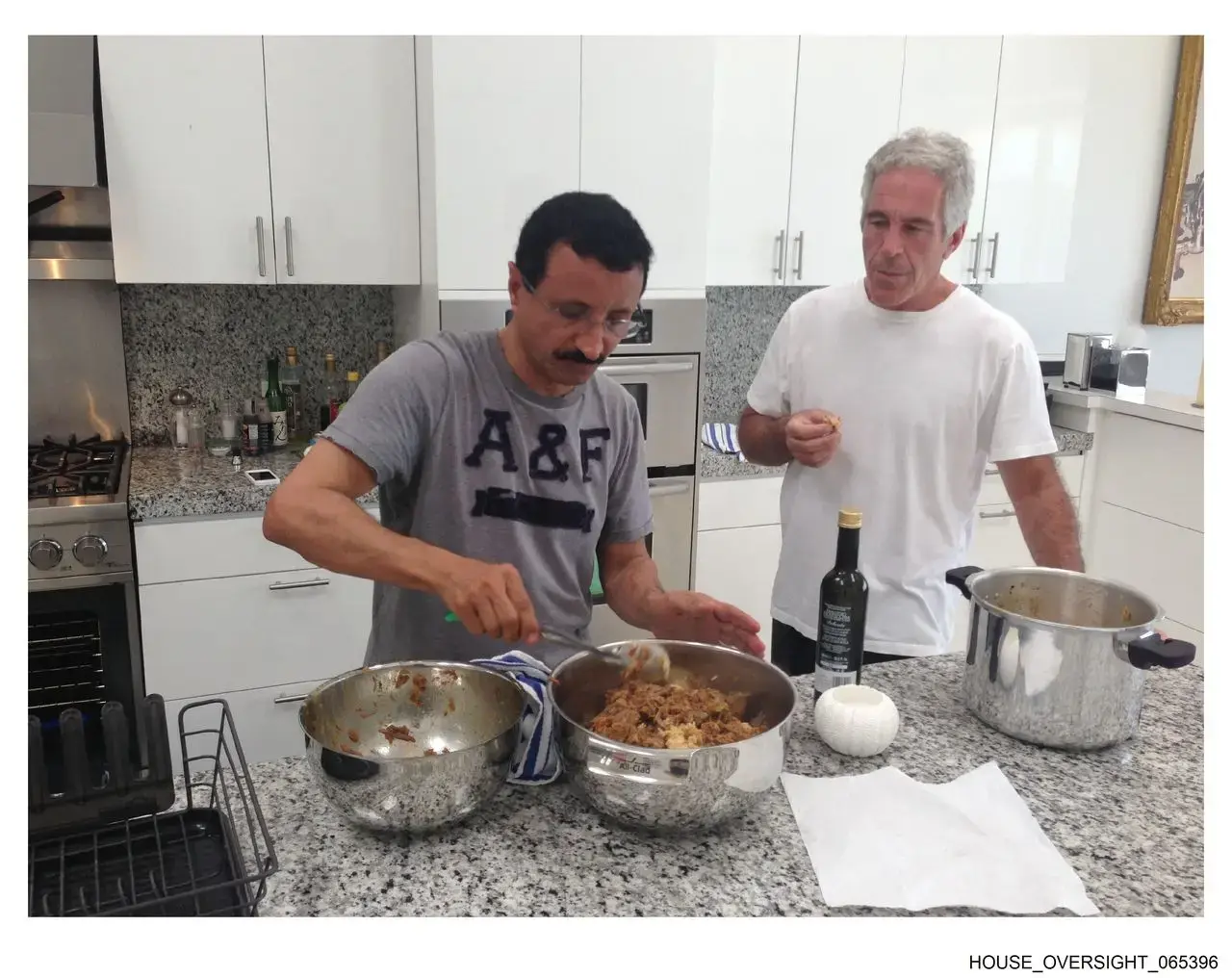
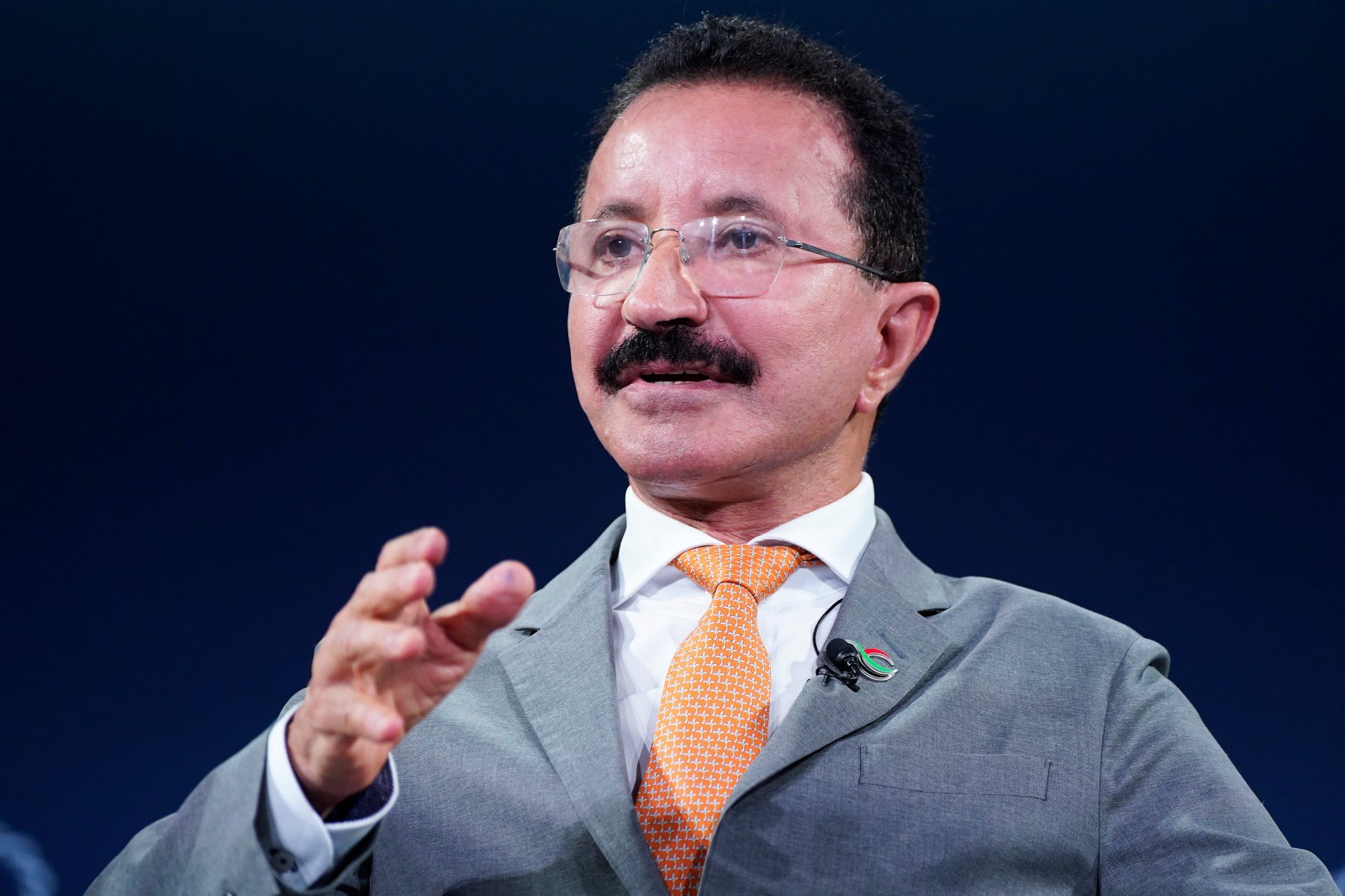
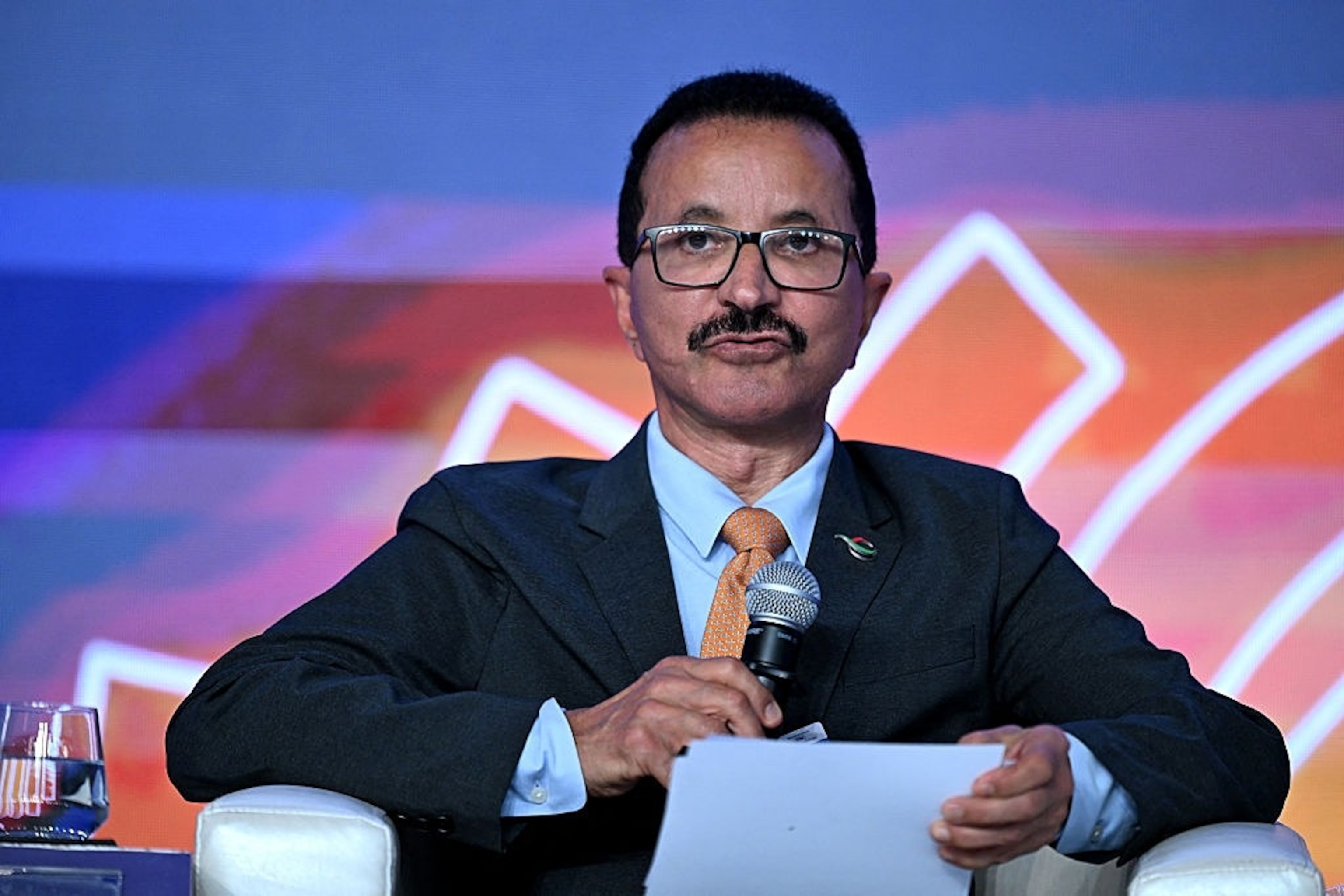
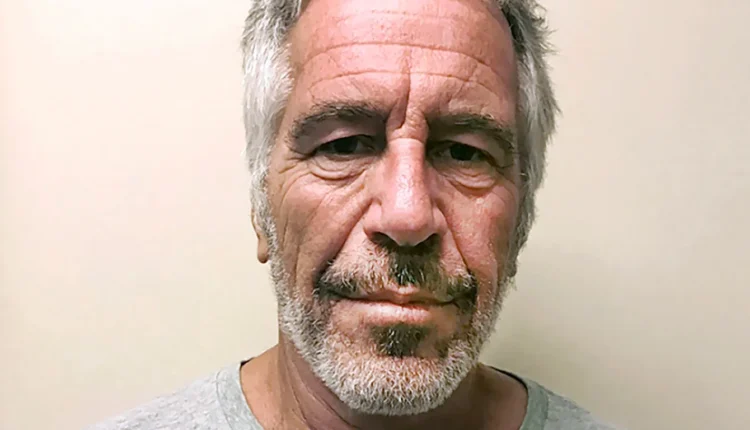
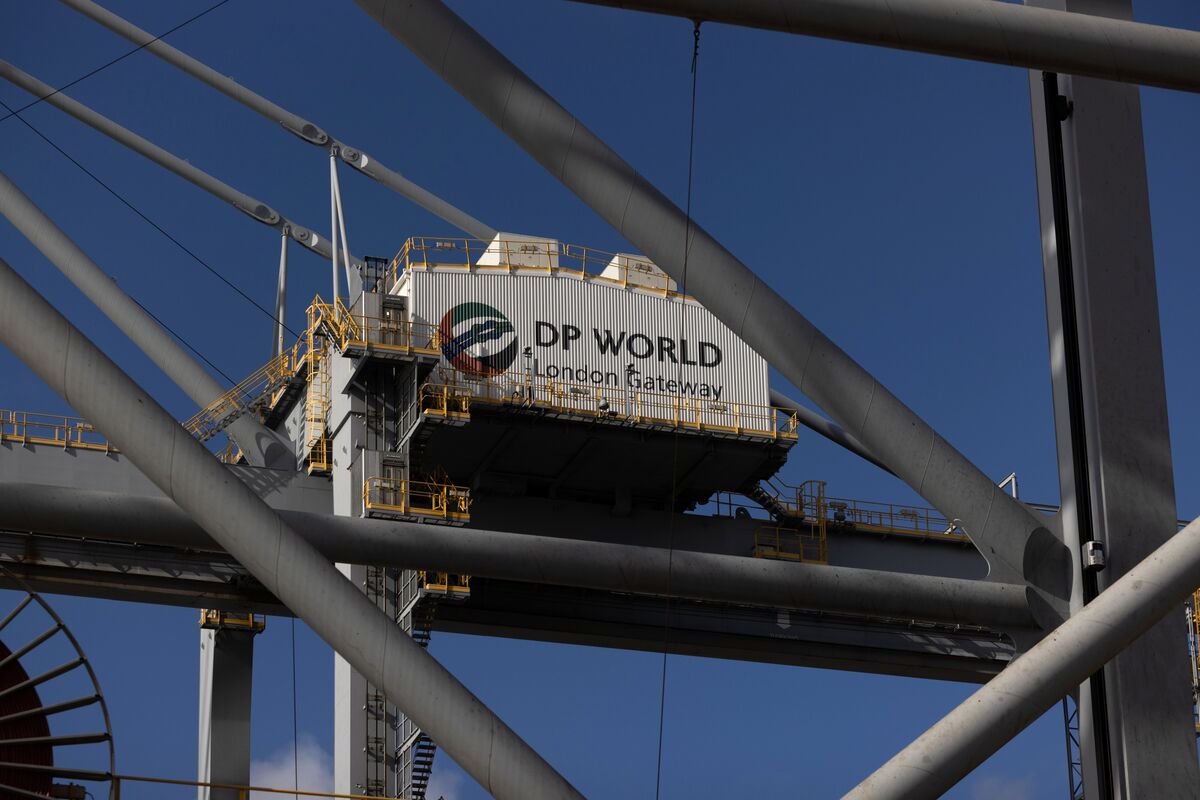
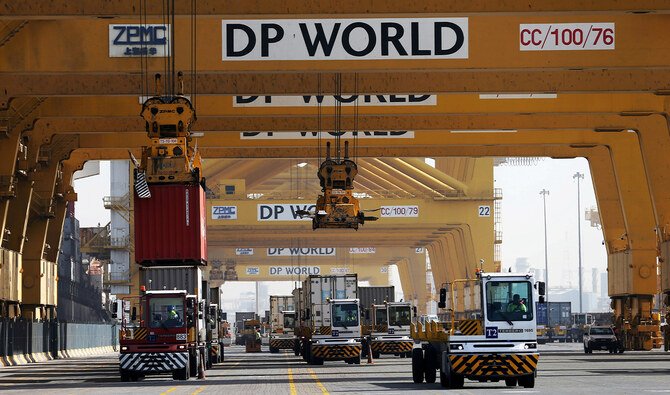
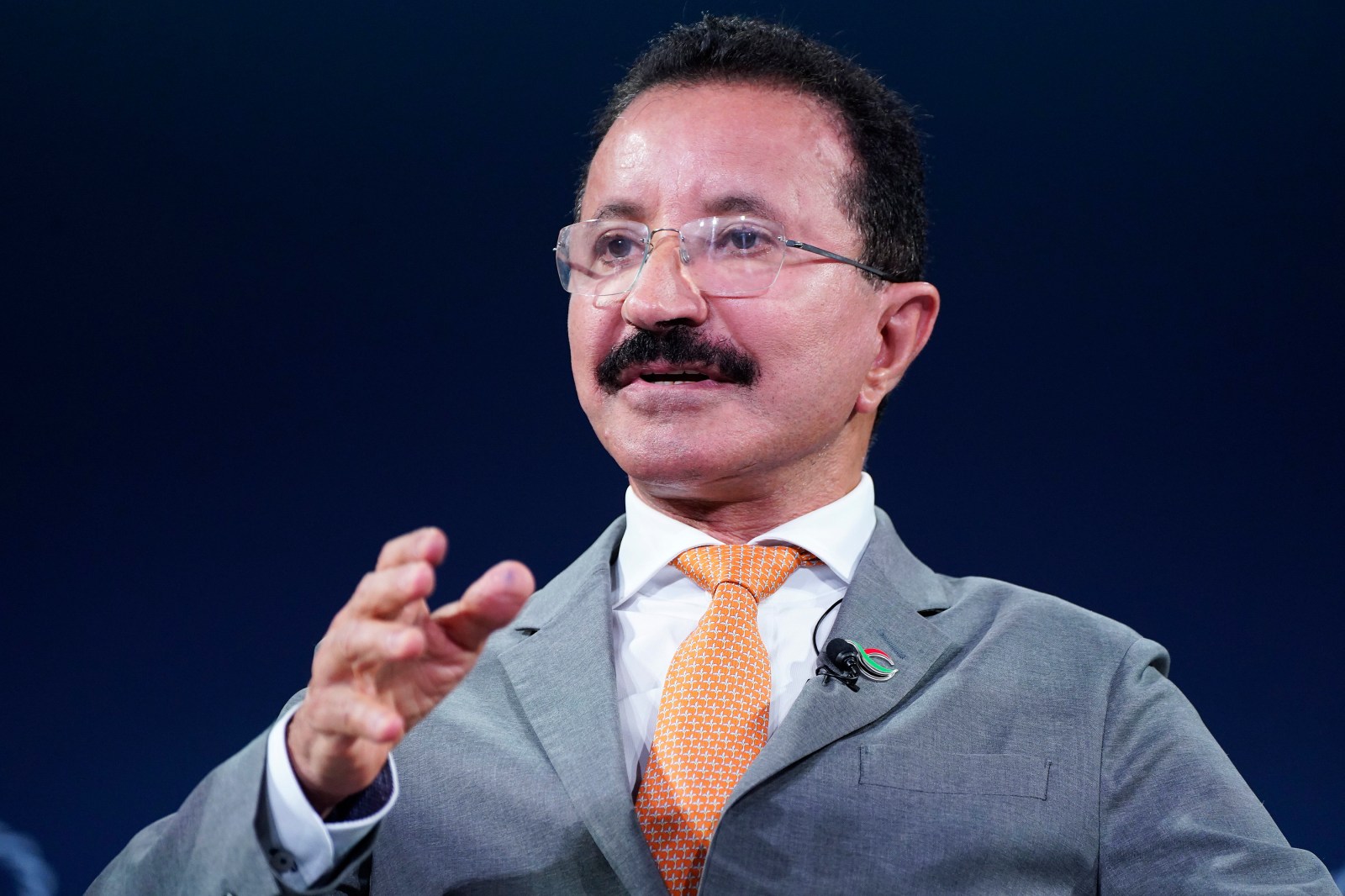
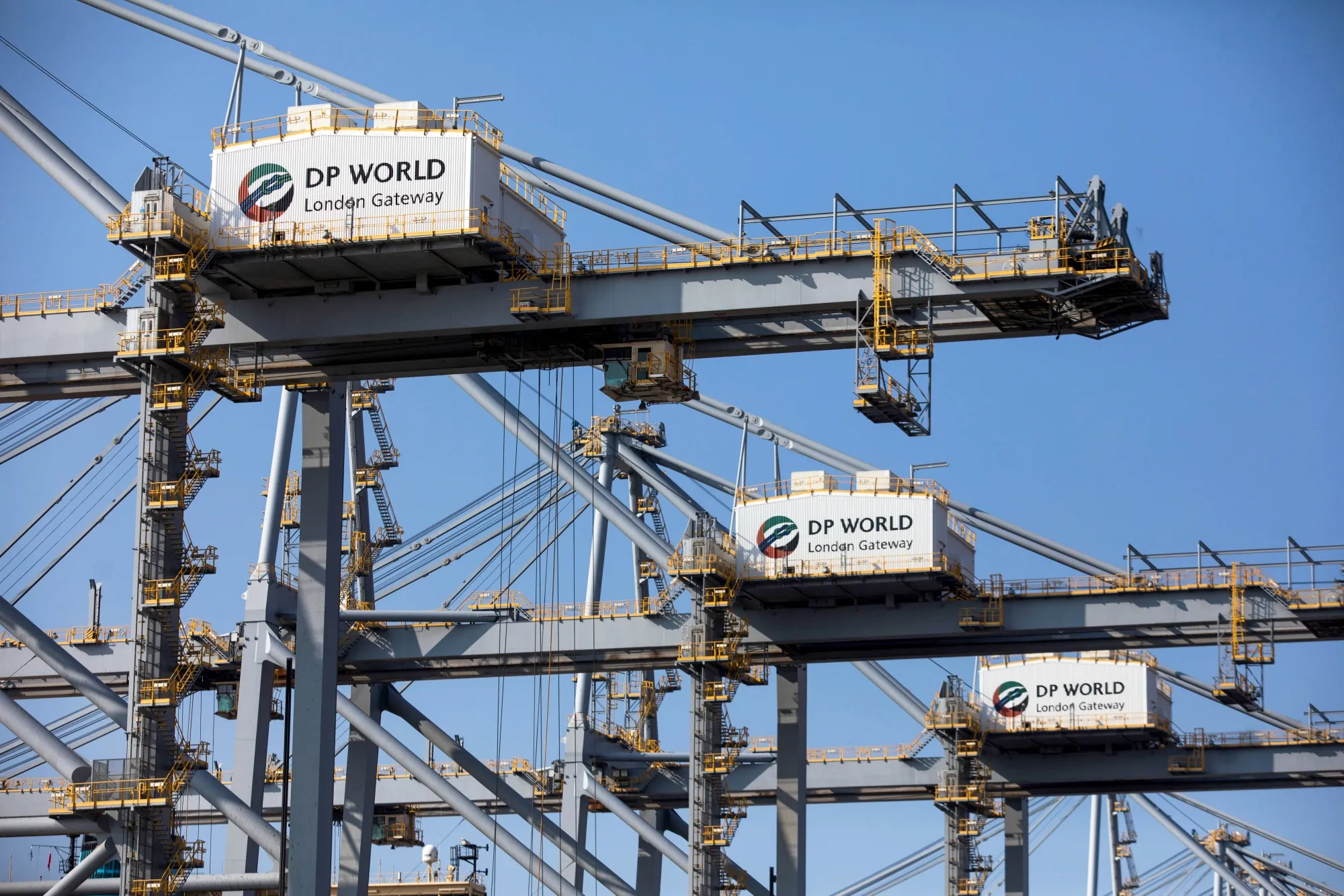
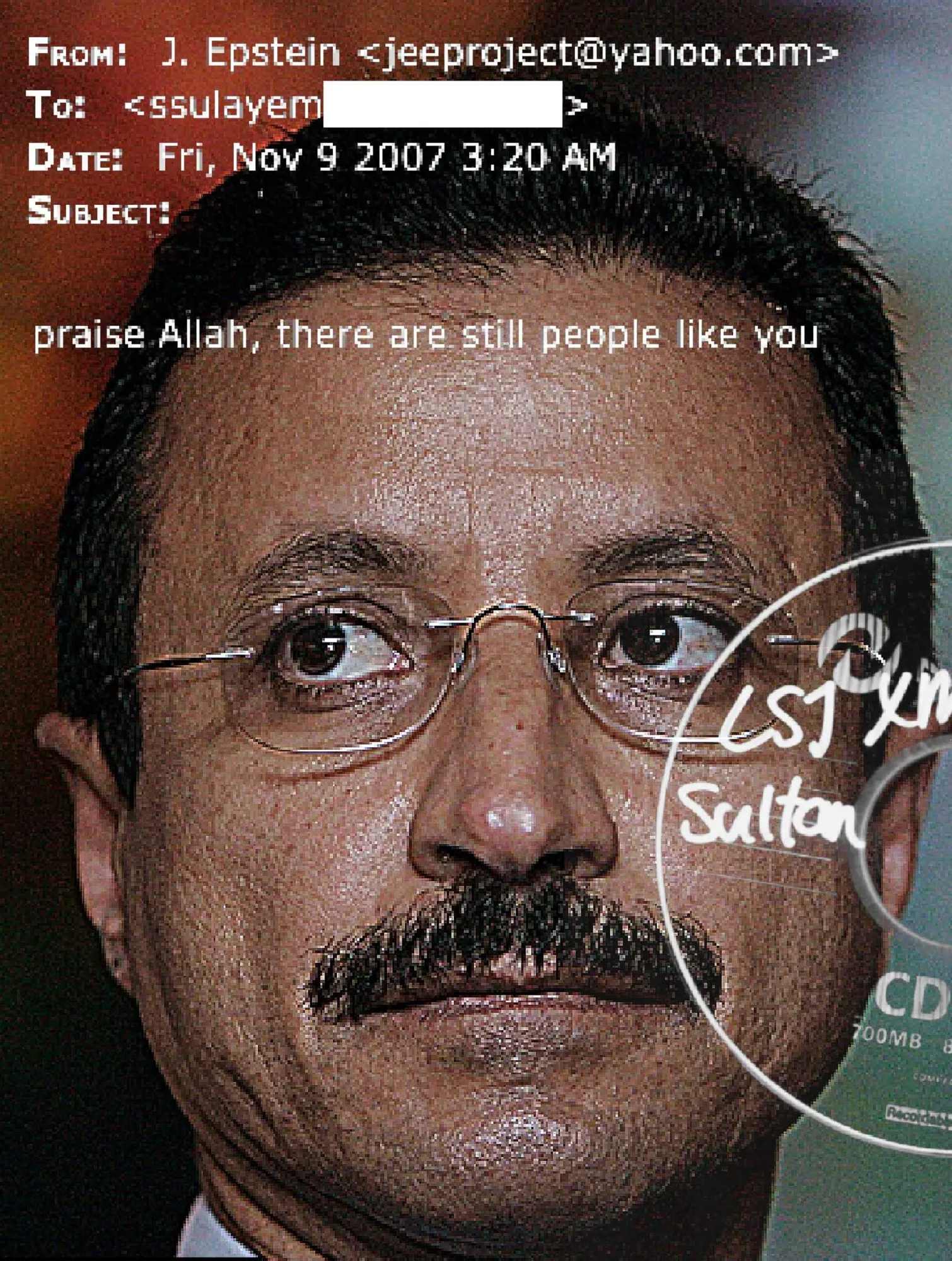
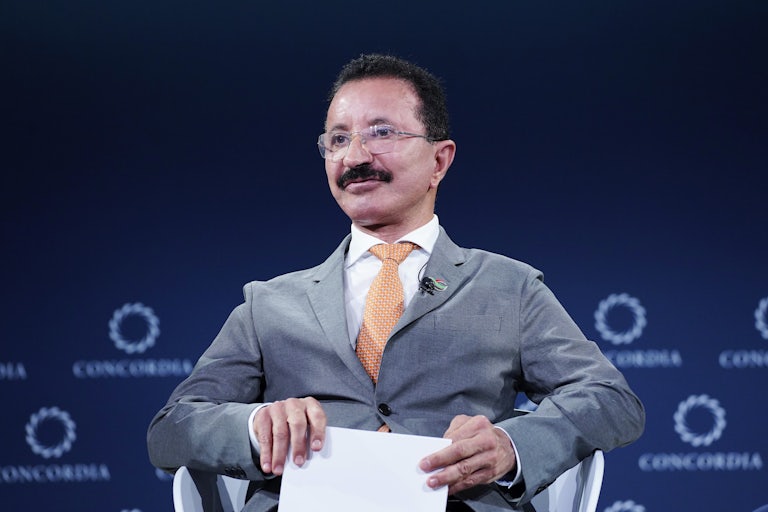
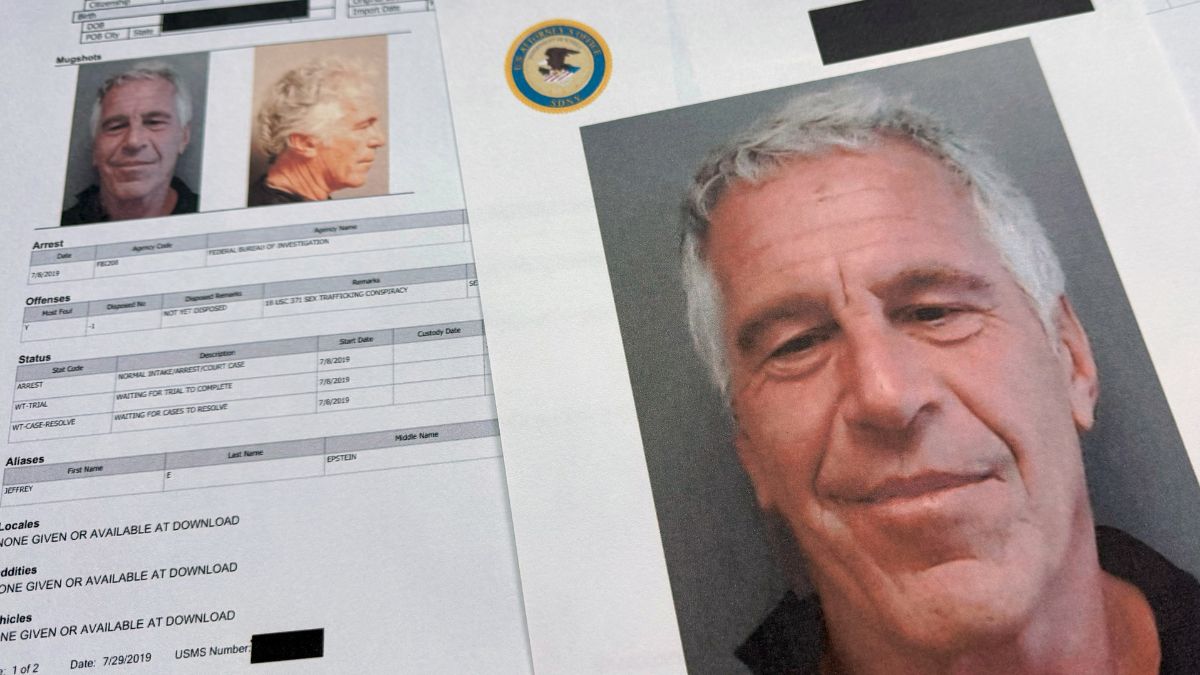
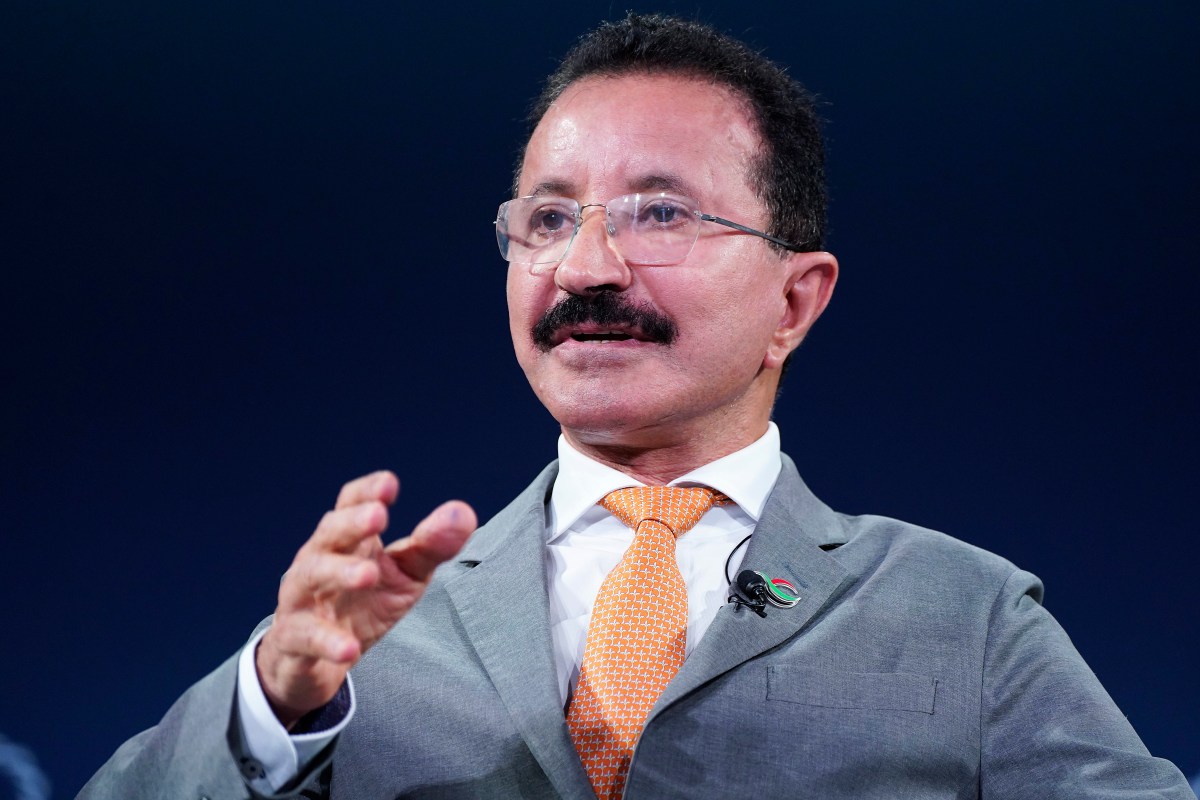
DP World, which handles approximately 10% of global container trade, faces unprecedented institutional investor pressure following revelations about CEO Sultan Ahmed bin Sulayem's decade-long communications with deceased financier Jeffrey Epstein. Bloomberg's February 10, 2026 investigation documented email exchanges between Sulayem and Epstein spanning 2007-2019, continuing well after Epstein's 2008 conviction for soliciting prostitution from a minor. The disclosure triggered immediate business consequences: a major Canadian pension fund suspended all new deals with DP World, signaling broader institutional investor willingness to sever relationships over governance concerns regardless of operational performance.
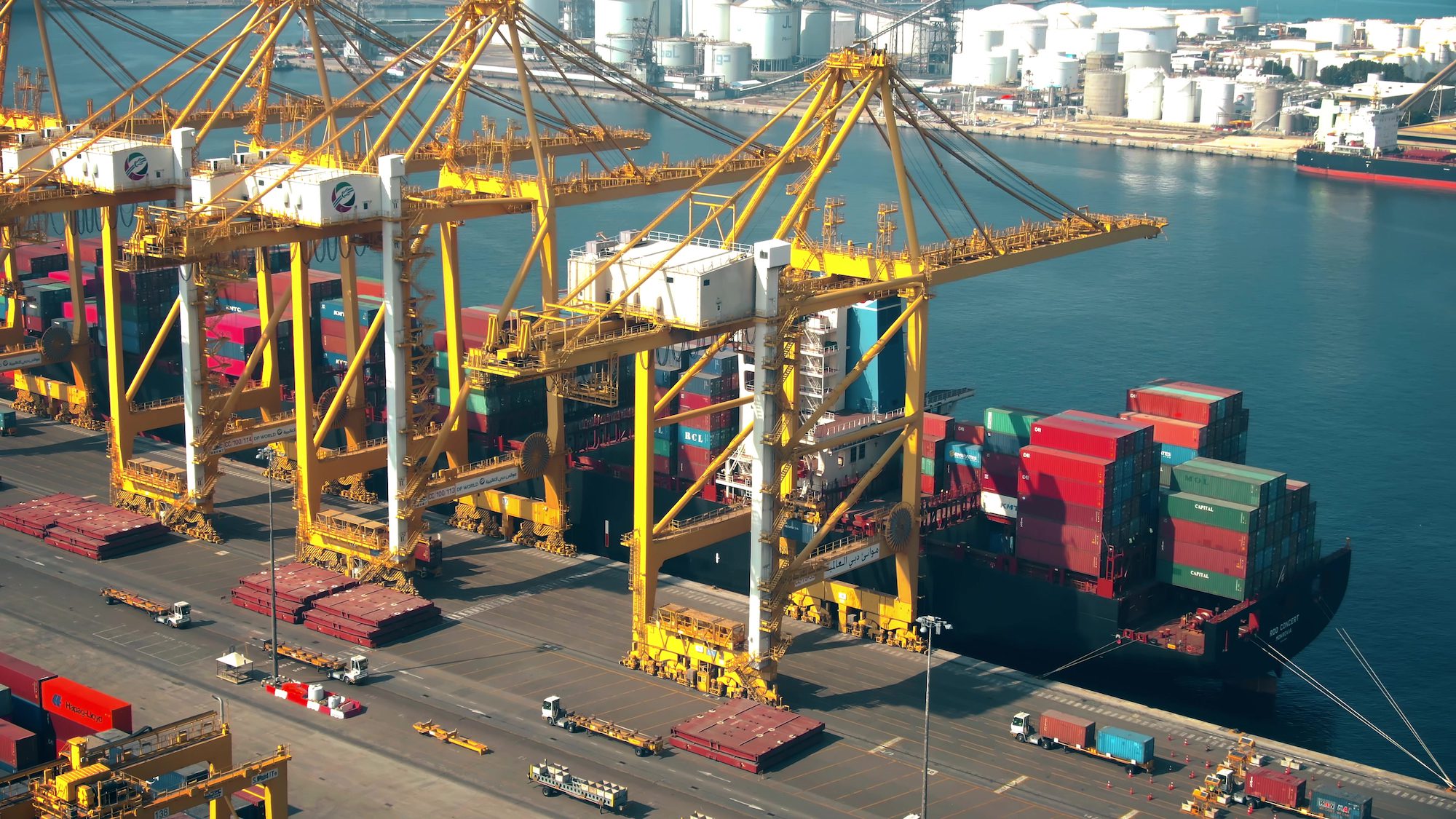
For cross-border e-commerce sellers, this governance crisis creates measurable supply chain risks. DP World operates critical container terminals and logistics hubs across multiple continents, processing millions of containers annually for international merchants. The Canadian pension fund's divestment represents the first institutional capital withdrawal, but the pattern suggests additional investor scrutiny will follow. Sellers relying on DP World's services face three immediate concerns: (1) potential service disruptions if the company experiences financial pressure from capital flight, (2) increased port congestion as institutional partners reduce commitments, and (3) possible rate increases as DP World compensates for lost institutional partnerships. Historical precedent shows that port operators facing governance crises typically experience 8-15% cost increases within 6-12 months as they rebuild stakeholder confidence.
The broader implication extends to supply chain diversification strategy. The news demonstrates that leadership conduct now directly impacts logistics infrastructure reliability—a factor sellers previously considered stable. Sulayem's position as a prominent Emirati business leader from Dubai's ruling family and his roles leading both DP World and Nakheel Properties amplify reputational contagion risk. The DOJ's statement that Epstein file mentions don't indicate criminal wrongdoing provides legal cover but offers no protection against institutional investor sentiment. Sellers should immediately audit their logistics dependencies: those concentrating 30%+ of shipments through DP World-operated ports face elevated risk. The incident also signals that institutional investors increasingly enforce ethical governance standards through capital allocation, making logistics partner reputation monitoring a strategic necessity for sellers managing supply chain resilience.
Implement these actions within 30 days: (1) Audit current logistics—identify exact percentage of containers shipped through DP World-operated ports; (2) Request rate guarantees—lock in current rates with your freight forwarder through Q2 2026 before potential increases; (3) Diversify providers—request RFQs from 3-5 alternative port operators and 3PL providers; (4) Increase inventory buffers—add 2-3 weeks of safety stock for products dependent on DP World routes; (5) Monitor news—set up alerts for DP World governance developments and institutional investor announcements. Within 60 days: (6) Negotiate alternative contracts—secure commitments with competing logistics providers for 20-30% of current volume; (7) Update contingency plans—document alternative shipping routes and port operators; (8) Communicate with suppliers—notify manufacturing partners of potential timeline changes. Within 90 days: (9) Implement diversification—shift 30-40% of DP World volume to alternative providers; (10) Establish governance monitoring—create quarterly reviews of logistics partner stability. These actions reduce supply chain vulnerability while maintaining cost competitiveness.
For sellers using Amazon FBA or Shopify with ocean freight imports, DP World disruptions directly impact landed costs and inventory velocity. Increased port congestion adds 5-10 days to supply chain transit time, reducing inventory turnover and increasing carrying costs. Fee increases of $50-200 per container compress margins by 2-5% depending on product category. Sellers should: (1) increase safety stock by 10-15% to buffer against port delays, (2) negotiate longer payment terms with suppliers to offset increased working capital needs, (3) consider nearshoring to Mexico or Central America for US-focused FBA sellers to reduce DP World dependency, (4) evaluate air freight for high-velocity SKUs to bypass port congestion. For Shopify sellers, communicate potential shipping delays to customers proactively and adjust delivery time estimates upward by 5-7 days until DP World's situation stabilizes.
DP World operates approximately 10% of global container trade through major ports across multiple continents. The Canadian pension fund's suspension of new deals signals institutional capital withdrawal, which historically forces port operators to increase rates 8-15% within 6-12 months to compensate for lost partnerships and rebuild stakeholder confidence. Sellers shipping 500+ containers monthly through DP World-operated ports should expect rate increases of $200-400 per container within the next 12 months. The company may also implement surcharges to offset potential revenue losses from institutional investor divestment. Monitor your freight forwarding agreements for DP World port dependencies and request rate lock guarantees through Q2 2026.
The governance crisis emerged publicly in February 2026 following Bloomberg's investigation and the Canadian pension fund's immediate divestment decision. Institutional investor pressure typically escalates over 3-6 months as additional funds conduct governance reviews. Service disruptions are unlikely in the immediate 30-day window but become probable within 90-180 days if additional major investors withdraw. Sellers should implement contingency logistics plans by April 2026, identifying alternative port operators and 3PL providers. Historical precedent from similar governance crises (Hanjin Shipping 2016) shows that port operator instability can trigger sudden service interruptions once capital flight accelerates. Diversify your shipping routes to reduce DP World dependency from current levels to under 30% of total container volume.
Sellers with the following profiles face elevated supply chain risk: (1) those shipping 30%+ of containers through DP World-operated ports in Dubai, Singapore, or other major hubs; (2) sellers relying on DP World's integrated supply chain solutions for time-sensitive inventory; (3) companies with limited 3PL provider relationships or single-carrier dependencies; (4) sellers in high-volume categories (electronics, apparel, home goods) where port congestion directly impacts inventory turnover. Small-to-medium sellers (annual shipments 100-500 containers) face proportionally higher impact because they lack negotiating power to secure alternative capacity. Large sellers (1000+ containers annually) can negotiate directly with competing port operators. Conduct a logistics audit immediately to identify your DP World exposure percentage and begin diversification planning.
Evaluate alternative port operators using three criteria: (1) Institutional investor stability—review recent investor relations reports and ESG ratings from major pension funds; (2) Geographic coverage—ensure alternative providers operate ports serving your primary shipping routes (Asia-Europe, Asia-North America); (3) Rate competitiveness—request RFQs from Maersk, MSC, CMA CGM, and regional operators for your typical container volumes. DP World's crisis demonstrates that operational excellence alone doesn't guarantee service continuity when governance issues trigger capital withdrawal. Request 12-month rate guarantees from alternative providers and negotiate volume commitments of 20-30% of your current DP World volume. Consider using freight forwarders with multiple port operator relationships to reduce single-provider risk. Diversification should target 40-50% DP World, 30-40% alternative major operators, and 10-20% regional providers by Q3 2026.
The DP World case demonstrates that leadership conduct directly impacts logistics infrastructure reliability. Sellers should monitor: (1) Institutional investor composition—track pension fund and sovereign wealth fund holdings; (2) ESG compliance—review annual ESG reports and third-party governance ratings; (3) Leadership reputation—monitor news coverage of executives for reputational risks; (4) Financial stability—track debt levels, credit ratings, and cash flow trends; (5) Stakeholder relationships—assess relationships with major shipping lines, freight forwarders, and institutional partners. Implement quarterly governance reviews of your top 3-5 logistics providers. Create early warning systems that trigger contingency planning if any provider experiences institutional investor pressure, leadership changes, or ESG rating downgrades. The Canadian pension fund's swift divestment decision shows that institutional investors now enforce governance standards through capital allocation, making partner reputation monitoring a strategic necessity rather than optional due diligence.
DP World's institutional divestment creates two congestion risks: (1) Reduced capital investment in port infrastructure as the company faces financial pressure, potentially limiting container handling capacity; (2) Increased volume concentration at competing ports as institutional partners redirect shipments, creating congestion at alternative facilities. Port congestion typically increases delivery timelines by 5-10 days per shipment and adds $100-300 per container in demurrage and detention fees. Sellers should expect port congestion at DP World facilities to increase 15-25% within 6 months as institutional partners reduce commitments. This creates opportunities at competing ports (Jebel Ali alternatives, Singapore PSA terminals) where capacity may be available at premium rates. Plan inventory shipments 2-3 weeks earlier than normal to account for potential congestion delays. Monitor port congestion indices weekly and adjust shipping schedules based on real-time capacity data from your freight forwarder.
Implement these actions within 30 days: (1) Audit current logistics—identify exact percentage of containers shipped through DP World-operated ports; (2) Request rate guarantees—lock in current rates with your freight forwarder through Q2 2026 before potential increases; (3) Diversify providers—request RFQs from 3-5 alternative port operators and 3PL providers; (4) Increase inventory buffers—add 2-3 weeks of safety stock for products dependent on DP World routes; (5) Monitor news—set up alerts for DP World governance developments and institutional investor announcements. Within 60 days: (6) Negotiate alternative contracts—secure commitments with competing logistics providers for 20-30% of current volume; (7) Update contingency plans—document alternative shipping routes and port operators; (8) Communicate with suppliers—notify manufacturing partners of potential timeline changes. Within 90 days: (9) Implement diversification—shift 30-40% of DP World volume to alternative providers; (10) Establish governance monitoring—create quarterly reviews of logistics partner stability. These actions reduce supply chain vulnerability while maintaining cost competitiveness.
For sellers using Amazon FBA or Shopify with ocean freight imports, DP World disruptions directly impact landed costs and inventory velocity. Increased port congestion adds 5-10 days to supply chain transit time, reducing inventory turnover and increasing carrying costs. Fee increases of $50-200 per container compress margins by 2-5% depending on product category. Sellers should: (1) increase safety stock by 10-15% to buffer against port delays, (2) negotiate longer payment terms with suppliers to offset increased working capital needs, (3) consider nearshoring to Mexico or Central America for US-focused FBA sellers to reduce DP World dependency, (4) evaluate air freight for high-velocity SKUs to bypass port congestion. For Shopify sellers, communicate potential shipping delays to customers proactively and adjust delivery time estimates upward by 5-7 days until DP World's situation stabilizes.
DP World operates approximately 10% of global container trade through major ports across multiple continents. The Canadian pension fund's suspension of new deals signals institutional capital withdrawal, which historically forces port operators to increase rates 8-15% within 6-12 months to compensate for lost partnerships and rebuild stakeholder confidence. Sellers shipping 500+ containers monthly through DP World-operated ports should expect rate increases of $200-400 per container within the next 12 months. The company may also implement surcharges to offset potential revenue losses from institutional investor divestment. Monitor your freight forwarding agreements for DP World port dependencies and request rate lock guarantees through Q2 2026.
The governance crisis emerged publicly in February 2026 following Bloomberg's investigation and the Canadian pension fund's immediate divestment decision. Institutional investor pressure typically escalates over 3-6 months as additional funds conduct governance reviews. Service disruptions are unlikely in the immediate 30-day window but become probable within 90-180 days if additional major investors withdraw. Sellers should implement contingency logistics plans by April 2026, identifying alternative port operators and 3PL providers. Historical precedent from similar governance crises (Hanjin Shipping 2016) shows that port operator instability can trigger sudden service interruptions once capital flight accelerates. Diversify your shipping routes to reduce DP World dependency from current levels to under 30% of total container volume.
Sellers with the following profiles face elevated supply chain risk: (1) those shipping 30%+ of containers through DP World-operated ports in Dubai, Singapore, or other major hubs; (2) sellers relying on DP World's integrated supply chain solutions for time-sensitive inventory; (3) companies with limited 3PL provider relationships or single-carrier dependencies; (4) sellers in high-volume categories (electronics, apparel, home goods) where port congestion directly impacts inventory turnover. Small-to-medium sellers (annual shipments 100-500 containers) face proportionally higher impact because they lack negotiating power to secure alternative capacity. Large sellers (1000+ containers annually) can negotiate directly with competing port operators. Conduct a logistics audit immediately to identify your DP World exposure percentage and begin diversification planning.
Evaluate alternative port operators using three criteria: (1) Institutional investor stability—review recent investor relations reports and ESG ratings from major pension funds; (2) Geographic coverage—ensure alternative providers operate ports serving your primary shipping routes (Asia-Europe, Asia-North America); (3) Rate competitiveness—request RFQs from Maersk, MSC, CMA CGM, and regional operators for your typical container volumes. DP World's crisis demonstrates that operational excellence alone doesn't guarantee service continuity when governance issues trigger capital withdrawal. Request 12-month rate guarantees from alternative providers and negotiate volume commitments of 20-30% of your current DP World volume. Consider using freight forwarders with multiple port operator relationships to reduce single-provider risk. Diversification should target 40-50% DP World, 30-40% alternative major operators, and 10-20% regional providers by Q3 2026.
The DP World case demonstrates that leadership conduct directly impacts logistics infrastructure reliability. Sellers should monitor: (1) Institutional investor composition—track pension fund and sovereign wealth fund holdings; (2) ESG compliance—review annual ESG reports and third-party governance ratings; (3) Leadership reputation—monitor news coverage of executives for reputational risks; (4) Financial stability—track debt levels, credit ratings, and cash flow trends; (5) Stakeholder relationships—assess relationships with major shipping lines, freight forwarders, and institutional partners. Implement quarterly governance reviews of your top 3-5 logistics providers. Create early warning systems that trigger contingency planning if any provider experiences institutional investor pressure, leadership changes, or ESG rating downgrades. The Canadian pension fund's swift divestment decision shows that institutional investors now enforce governance standards through capital allocation, making partner reputation monitoring a strategic necessity rather than optional due diligence.
DP World's institutional divestment creates two congestion risks: (1) Reduced capital investment in port infrastructure as the company faces financial pressure, potentially limiting container handling capacity; (2) Increased volume concentration at competing ports as institutional partners redirect shipments, creating congestion at alternative facilities. Port congestion typically increases delivery timelines by 5-10 days per shipment and adds $100-300 per container in demurrage and detention fees. Sellers should expect port congestion at DP World facilities to increase 15-25% within 6 months as institutional partners reduce commitments. This creates opportunities at competing ports (Jebel Ali alternatives, Singapore PSA terminals) where capacity may be available at premium rates. Plan inventory shipments 2-3 weeks earlier than normal to account for potential congestion delays. Monitor port congestion indices weekly and adjust shipping schedules based on real-time capacity data from your freight forwarder.
Implement these actions within 30 days: (1) Audit current logistics—identify exact percentage of containers shipped through DP World-operated ports; (2) Request rate guarantees—lock in current rates with your freight forwarder through Q2 2026 before potential increases; (3) Diversify providers—request RFQs from 3-5 alternative port operators and 3PL providers; (4) Increase inventory buffers—add 2-3 weeks of safety stock for products dependent on DP World routes; (5) Monitor news—set up alerts for DP World governance developments and institutional investor announcements. Within 60 days: (6) Negotiate alternative contracts—secure commitments with competing logistics providers for 20-30% of current volume; (7) Update contingency plans—document alternative shipping routes and port operators; (8) Communicate with suppliers—notify manufacturing partners of potential timeline changes. Within 90 days: (9) Implement diversification—shift 30-40% of DP World volume to alternative providers; (10) Establish governance monitoring—create quarterly reviews of logistics partner stability. These actions reduce supply chain vulnerability while maintaining cost competitiveness.
For sellers using Amazon FBA or Shopify with ocean freight imports, DP World disruptions directly impact landed costs and inventory velocity. Increased port congestion adds 5-10 days to supply chain transit time, reducing inventory turnover and increasing carrying costs. Fee increases of $50-200 per container compress margins by 2-5% depending on product category. Sellers should: (1) increase safety stock by 10-15% to buffer against port delays, (2) negotiate longer payment terms with suppliers to offset increased working capital needs, (3) consider nearshoring to Mexico or Central America for US-focused FBA sellers to reduce DP World dependency, (4) evaluate air freight for high-velocity SKUs to bypass port congestion. For Shopify sellers, communicate potential shipping delays to customers proactively and adjust delivery time estimates upward by 5-7 days until DP World's situation stabilizes.