

Amtrak Airo Trains Launch Summer 2025 | Pacific Northwest Logistics Corridor Strengthens for Cross-Border Sellers
- $8 billion infrastructure investment expands U.S.-Canada connectivity; 50% capacity increase (200→300 passengers) reduces highway congestion for freight logistics; improved regional spending patterns benefit e-commerce sellers in Portland, Seattle, Vancouver markets







概览
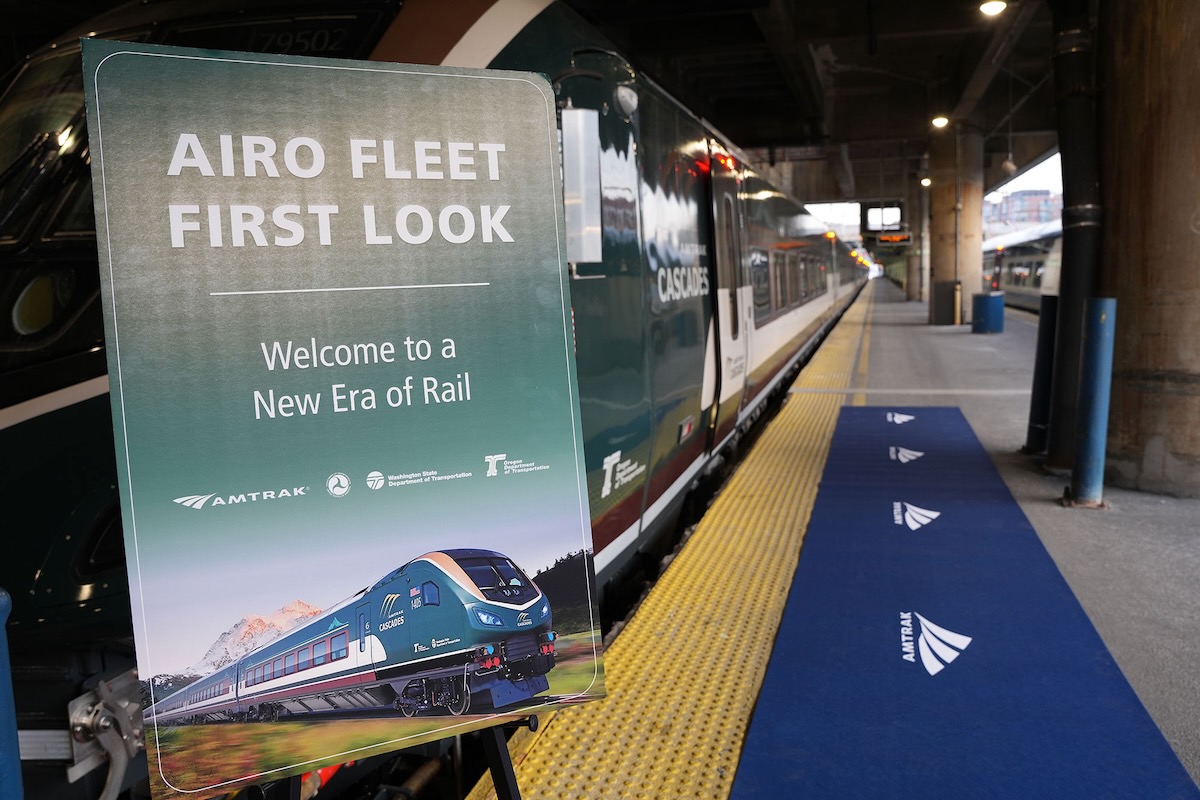
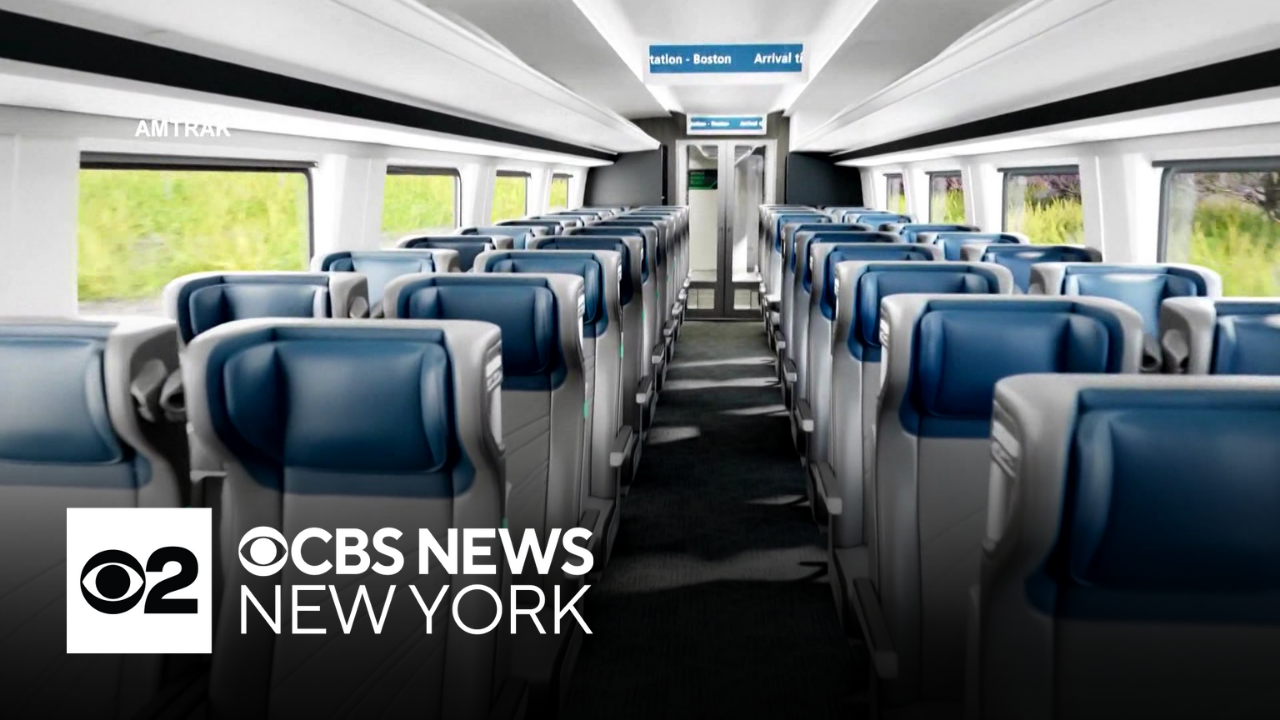
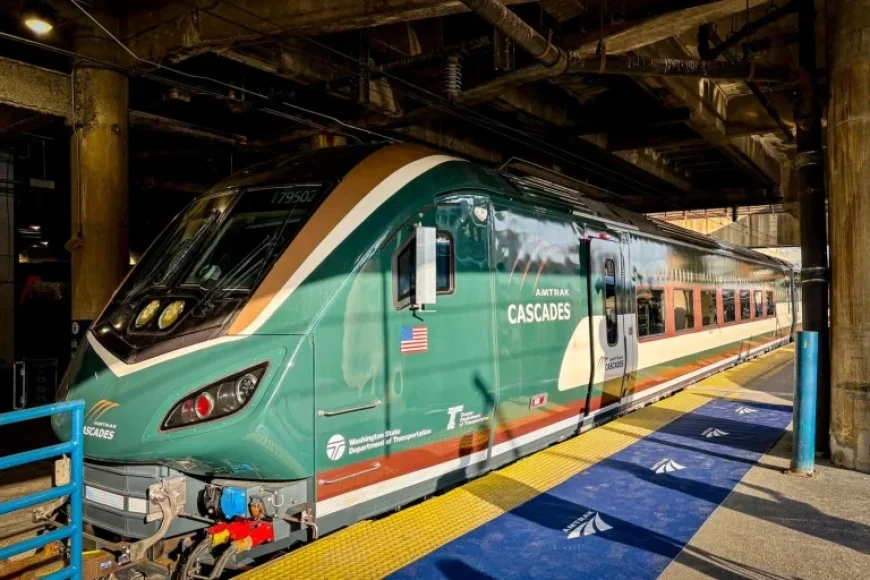
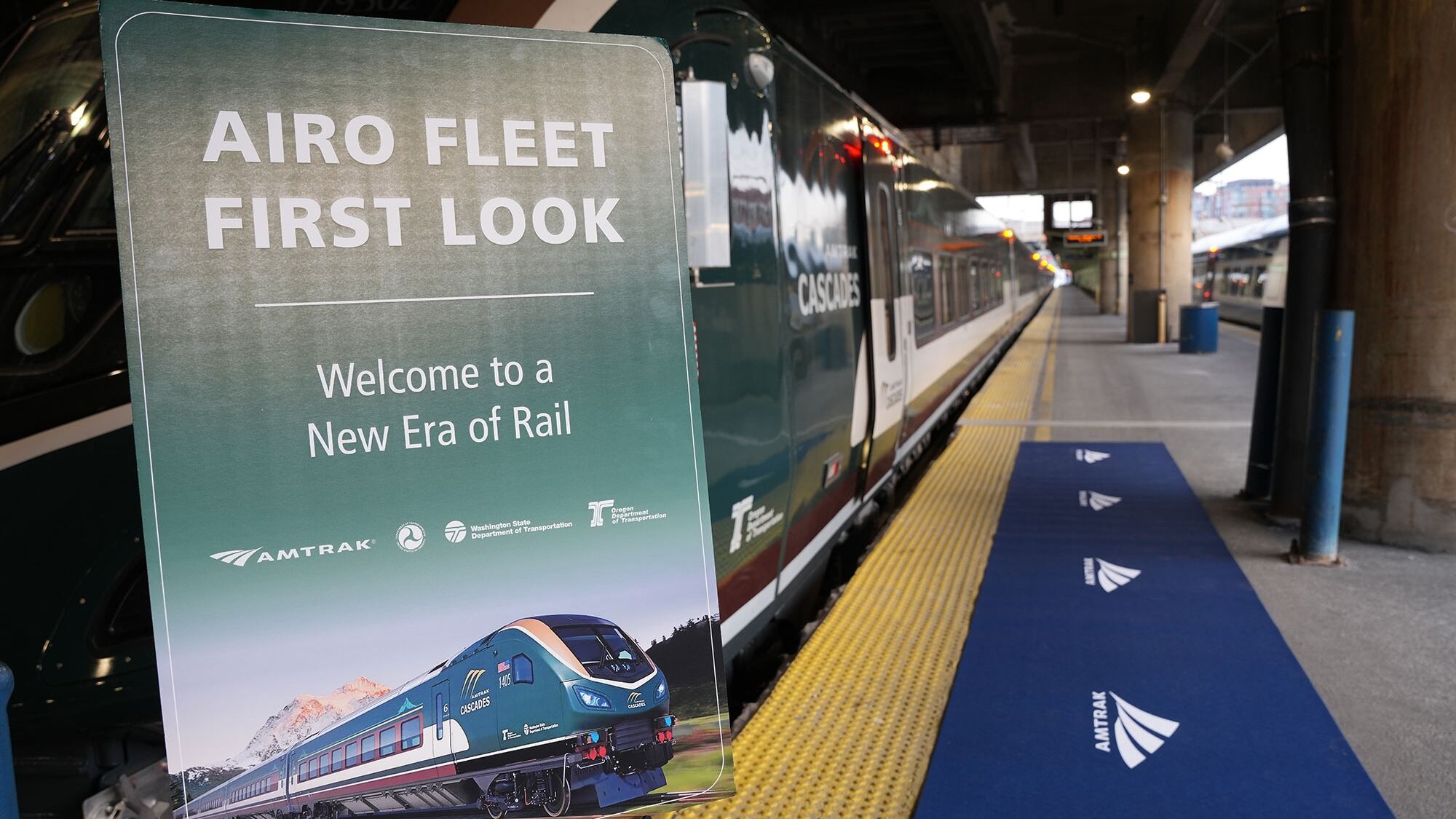
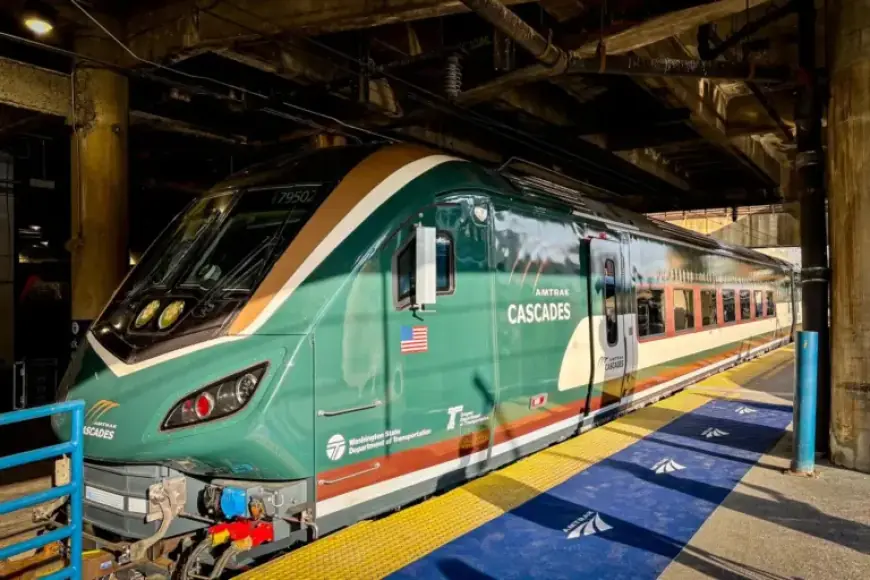
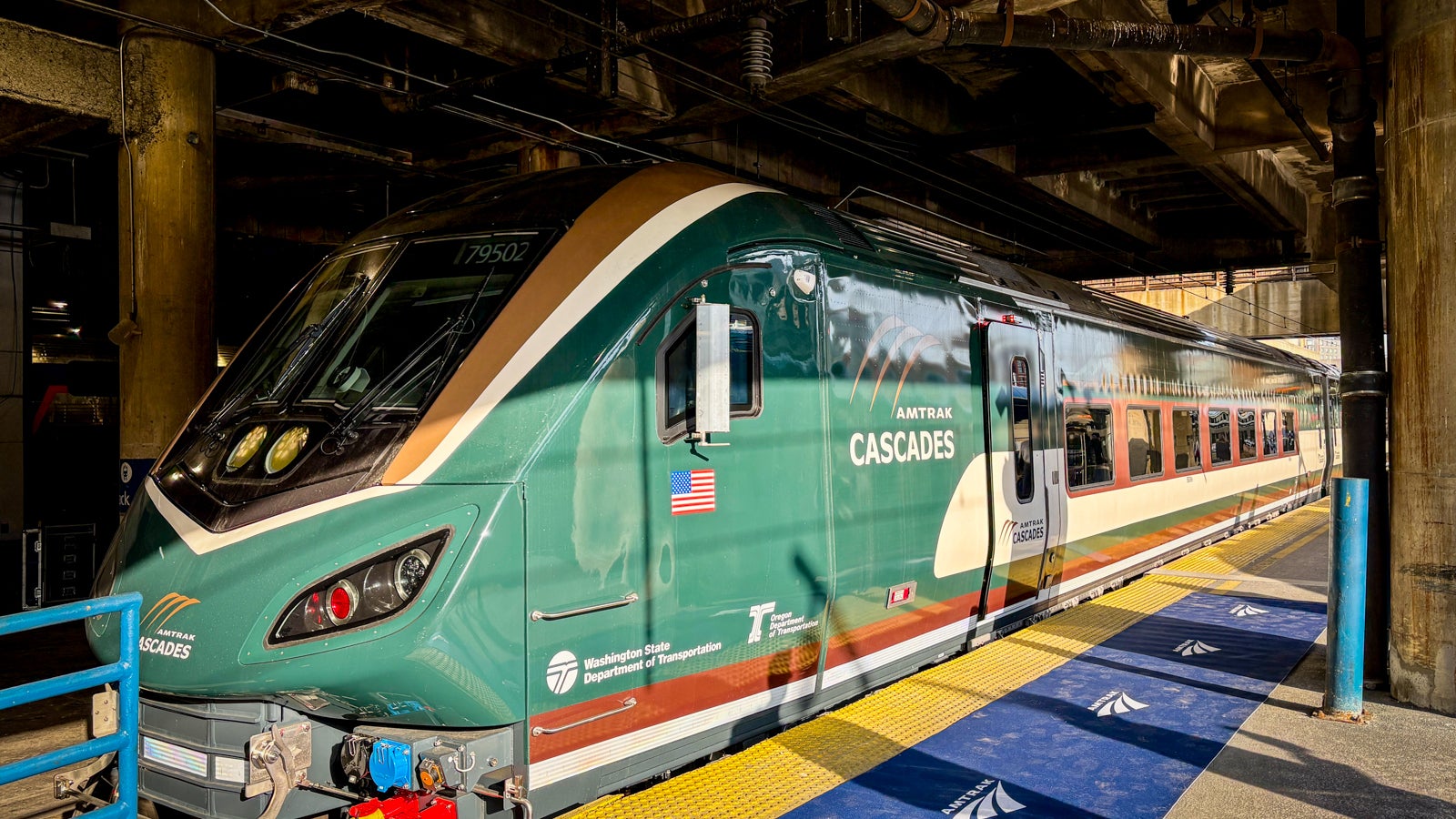
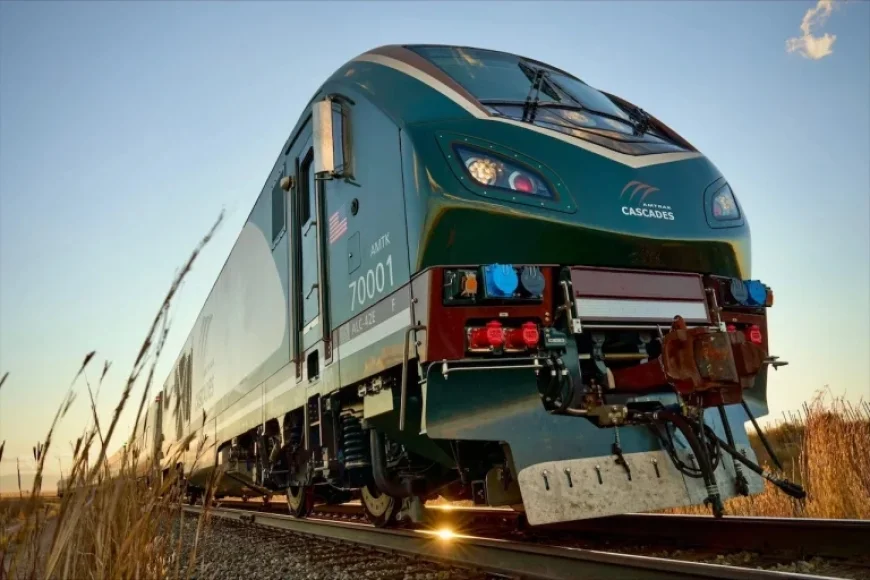
Amtrak's $8 billion Airo train fleet modernization represents a transformative infrastructure investment with meaningful implications for cross-border e-commerce sellers operating in North America's Pacific Northwest corridor. Eight new Airo trainsets will debut on the Cascades route during summer 2025, operating between Eugene, Oregon and Vancouver, British Columbia, with stops in Portland, Seattle, and over a dozen additional cities. This marks Amtrak's most substantial fleet renewal in decades, replacing aging 1970s equipment with modern trains capable of 125 mph maximum speeds (operating at 79 mph on current infrastructure). The new trains increase passenger capacity from 200 to 300 passengers per train—a 50% capacity boost—while introducing contemporary amenities including panoramic windows, ergonomic seating, onboard Wi-Fi, personal lighting controls, and modernized café cars.
For cross-border e-commerce sellers, this infrastructure modernization creates three distinct value drivers. First, improved passenger rail connectivity between Portland, Seattle, and Vancouver strengthens the Pacific Northwest logistics corridor, enhancing last-mile delivery networks and supply chain efficiency for sellers operating across the U.S.-Canada border. The 50% capacity increase and enhanced reliability reduce congestion on parallel highway routes (I-5 corridor), indirectly benefiting freight logistics by freeing highway capacity for commercial vehicles. Second, improved transportation infrastructure typically correlates with increased consumer spending in connected markets. Enhanced passenger mobility between major metropolitan areas (Portland metro: 2.5M, Seattle metro: 4.0M, Vancouver metro: 2.6M) expands addressable markets for regional e-commerce operations, particularly in categories benefiting from cross-border shopping patterns: outdoor/sporting goods, electronics, apparel, and specialty foods. Third, the Cascades line serves as a pilot program for nationwide Airo deployment, signaling sustained government and private investment in passenger rail as a complement to highway and air freight networks—supporting the integrated logistics ecosystem that e-commerce operations depend upon.
The modernization timeline and regional focus create specific seller opportunities. Summer 2025 launch coincides with peak travel season, driving increased consumer mobility and spending in connected markets. Sellers positioned in Portland, Seattle, and Vancouver can capitalize on improved cross-border connectivity through targeted regional marketing campaigns, enhanced fulfillment capabilities, and expanded product assortments aligned with increased consumer traffic. The project demonstrates sustained commitment to North American transportation infrastructure, reducing logistics uncertainty for sellers planning 2025-2026 inventory and fulfillment strategies. However, sellers should monitor implementation timelines closely—the news indicates summer 2025 launch for Cascades route, with broader national rollout planned subsequently. This phased approach creates a 12-18 month window for sellers to optimize Pacific Northwest operations before potential expansion to other Amtrak routes.
问题 7
When should sellers adjust fulfillment strategies to capitalize on Airo train infrastructure improvements?
Sellers should begin adjusting fulfillment strategies immediately for summer 2025 implementation. Key timeline: Q1 2025 (January-March) for inventory planning and 3PL partner coordination; Q2 2025 (April-June) for fulfillment network optimization and regional marketing campaign launches; summer 2025 for operational execution as trains debut. The phased rollout—Cascades route first, then nationwide expansion—creates a 12-18 month window for sellers to optimize Pacific Northwest operations before potential expansion to other Amtrak routes. Sellers should monitor implementation progress and adjust strategies based on actual ridership and consumer spending patterns.
What product categories benefit most from improved Portland-Seattle-Vancouver connectivity?
Cross-border shopping patterns favor outdoor/sporting goods, electronics, apparel, specialty foods, and craft beverages—categories with strong demand across Pacific Northwest metropolitan areas (Portland: 2.5M, Seattle: 4.0M, Vancouver: 2.6M). Improved passenger rail connectivity increases consumer mobility and cross-border shopping frequency, expanding addressable markets for sellers in these categories. Regional sellers can capitalize on increased consumer traffic through targeted marketing campaigns and expanded product assortments. The summer 2025 launch coincides with peak travel season, creating a 3-4 month window for sellers to optimize inventory and fulfillment positioning before fall/winter demand.