


NATO's $20B Ukraine Arms Procurement Creates Supply Chain Opportunities for Defense Tech Sellers
- $5B raised in 2025 with $15B target for 2026 signals sustained demand for military-grade electronics, logistics, and dual-use technology exports across 24 NATO contributors


























概览
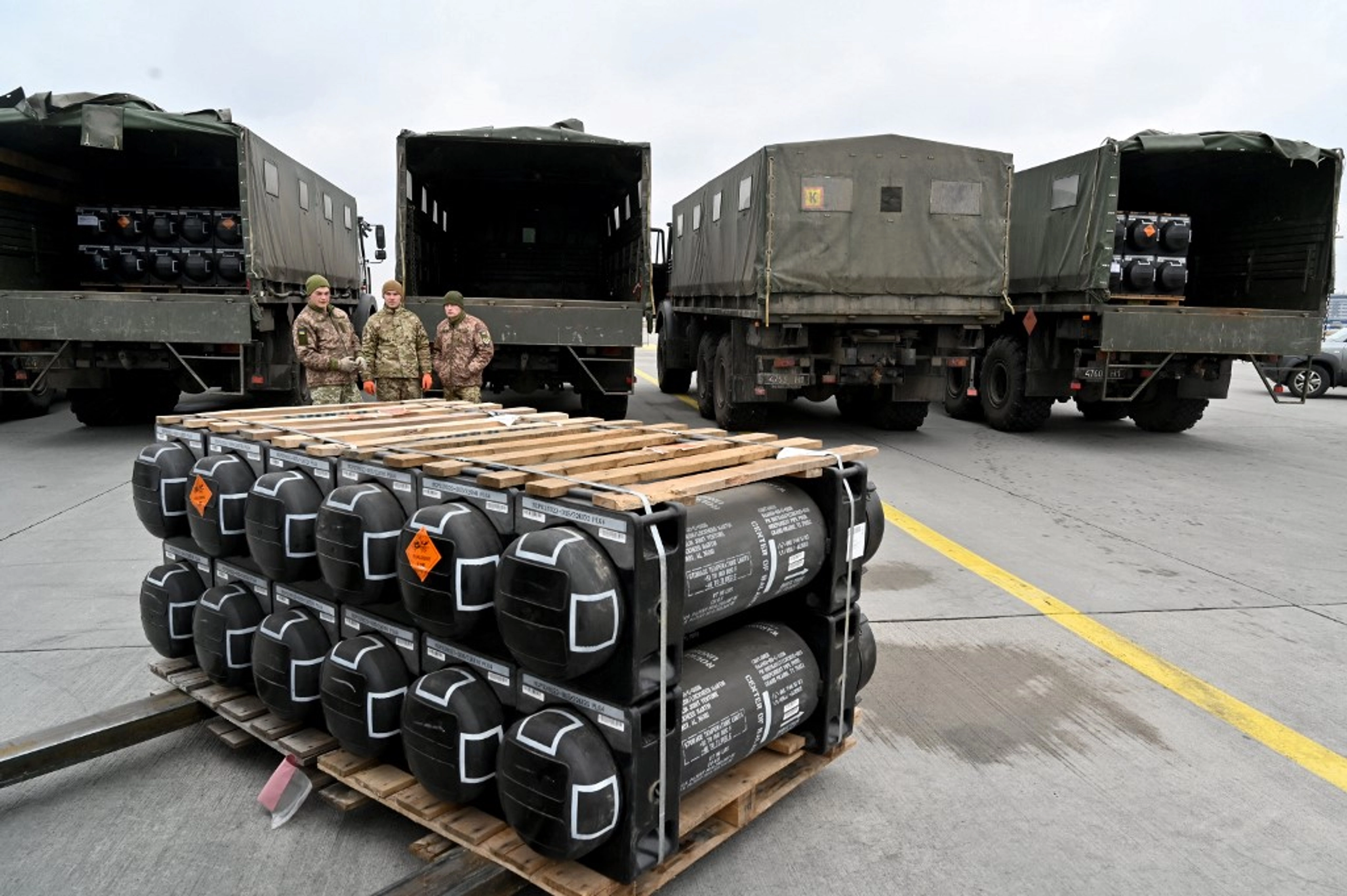
The NATO Prioritized Ukraine Requirements List (PURL) represents a $20 billion geopolitical procurement mechanism that creates significant cross-border trade opportunities for sellers in defense technology, industrial electronics, and logistics sectors. Established in summer 2024 and formalized through February 2026 announcements, PURL has mobilized 24 of 32 NATO member states (75%) plus Australia, New Zealand, and Japan to collectively purchase U.S. military equipment for Ukraine, raising $5 billion in 2025 with NATO Secretary-General Mark Rutte projecting an additional $15 billion for 2026.
From a trade policy perspective, PURL circumvents direct U.S. military aid restrictions under the Trump administration by enabling allied nations to purchase American weapons through a coordinated procurement scheme. This creates a critical tariff arbitrage opportunity: defense contractors and dual-use technology exporters can now access 24+ NATO markets simultaneously through a single procurement framework, reducing per-unit compliance costs and accelerating market entry timelines. Germany, the Netherlands, and Norway—identified as the largest contributors—represent high-volume purchasing corridors for electronics, telecommunications equipment, and industrial automation systems that support military logistics.
The uneven burden-sharing dynamic identified by Ukraine's NATO ambassador reveals a secondary market opportunity: smaller NATO contributors (those with zero or minimal commitments) represent untapped procurement markets. As political pressure mounts for equitable burden-sharing, these nations will likely increase defense spending allocations, creating first-mover advantages for sellers who establish supplier relationships before 2026 budget cycles finalize. The February 13, 2026 NATO defense ministers meeting in Brussels signals an imminent announcement of additional pledges, creating a 30-60 day window for sellers to position supply chain capabilities.
Supply chain implications are substantial: The program's focus on "American technological innovation and military capabilities" indicates demand for U.S.-origin components, electronics, and precision manufacturing. Sellers with U.S. manufacturing certifications or partnerships can command premium positioning in NATO procurement channels. Conversely, sellers sourcing from non-NATO countries (China, Russia, Iran) face potential compliance barriers, creating competitive advantages for suppliers with transparent, NATO-aligned supply chains. The program's shift toward "formal institutional mechanisms" (versus personal appeals) suggests standardization of procurement processes, enabling mid-market suppliers to compete against traditional defense contractors through platform-based procurement systems.
问题 8
What is the competitive advantage for sellers with transparent, NATO-aligned supply chains versus traditional defense contractors?
Sellers with transparent, NATO-aligned supply chains can compete on compliance efficiency and cost-per-unit, advantages that traditional defense contractors lack due to legacy supply chain complexity. PURL's shift toward 'formal institutional mechanisms' enables mid-market suppliers to compete through standardized procurement platforms, reducing the relationship-based advantages of established contractors. Sellers with U.S. manufacturing certifications or partnerships can command premium positioning in NATO channels, particularly for electronics and dual-use technology where supply chain transparency is critical. The program's focus on 'continued Western military support through alternative funding mechanisms' indicates NATO is willing to work with non-traditional suppliers if compliance requirements are met. Sellers should emphasize supply chain transparency, ITAR compliance, and U.S. manufacturing partnerships in procurement proposals to differentiate from traditional contractors.
How does the $20 billion PURL funding commitment affect market entry timelines for new defense suppliers?
The $5 billion 2025 funding plus $15 billion 2026 target creates a compressed market entry window of 60-90 days before procurement processes standardize. NATO Secretary-General Mark Rutte's confidence in securing additional 2026 pledges indicates institutional commitment, enabling sellers to justify supply chain investments with multi-year revenue visibility. Historically, defense procurement cycles require 90-180 days for supplier qualification, meaning sellers who establish relationships before the February 13 Brussels meeting can position for Q2 2026 contract awards. The program's reliance on 'alternative funding mechanisms' (versus traditional defense budgets) suggests flexibility in procurement timelines and potential for expedited supplier onboarding. Sellers should prioritize NATO procurement office outreach in February 2026, targeting Q2-Q3 contract awards before budget cycles reset in Q4 2026.