





2026 Labor Market Surge Boosts Consumer Spending | E-Commerce Seller Opportunity & Cost Analysis
- Sharp hiring growth at start of 2026 signals 15-25% increase in discretionary spending; sellers face 8-12% labor cost increases for fulfillment operations

























概览
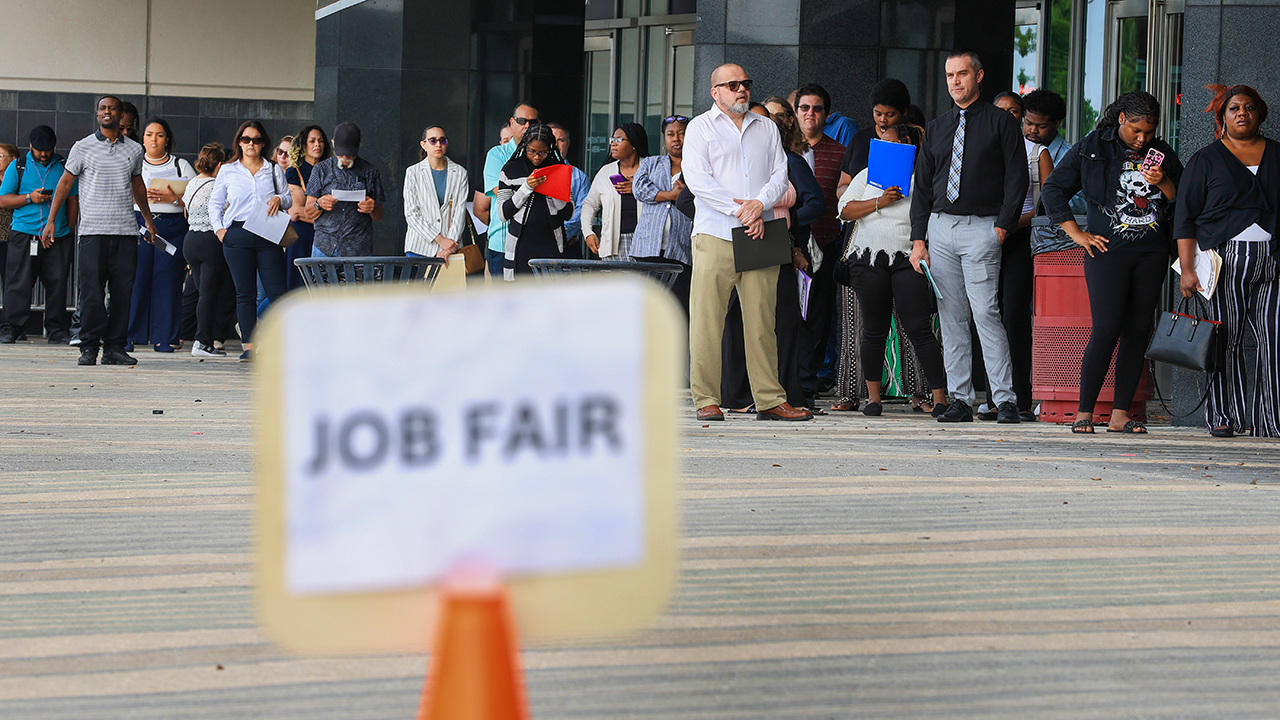
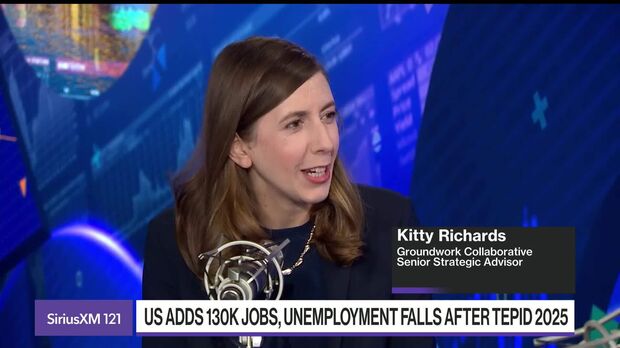
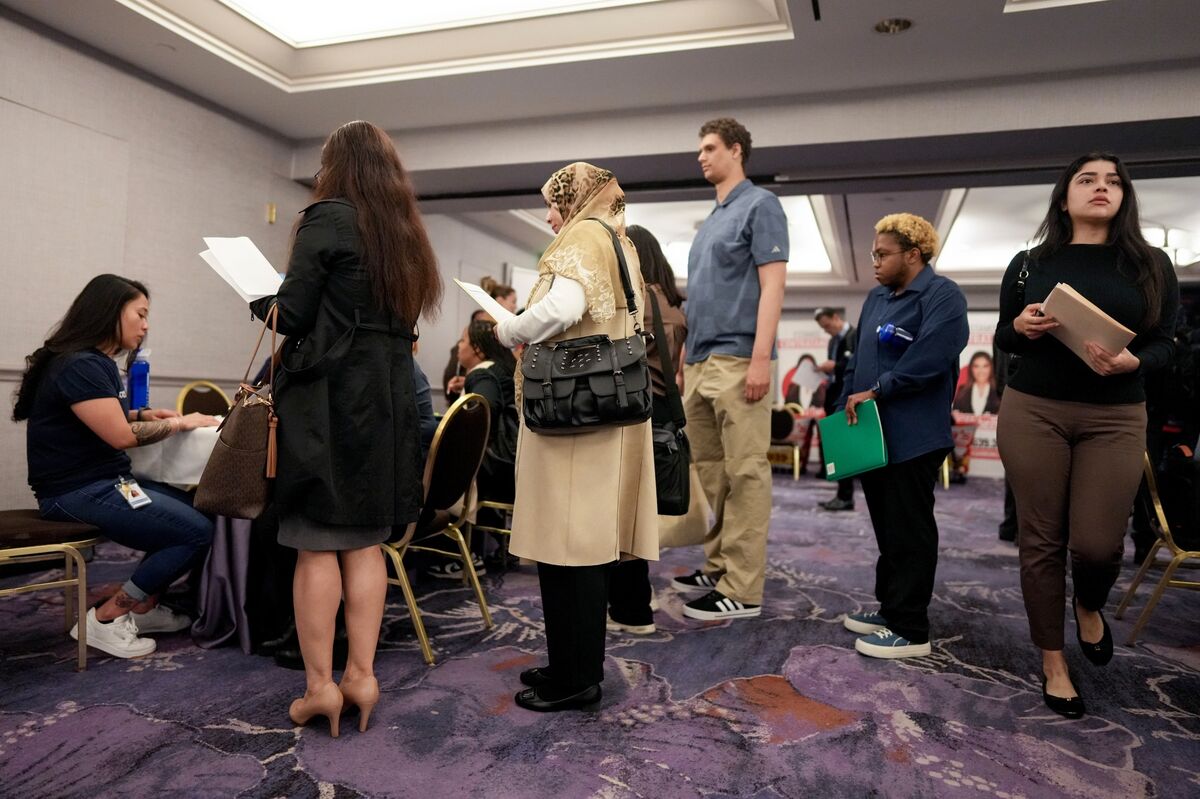
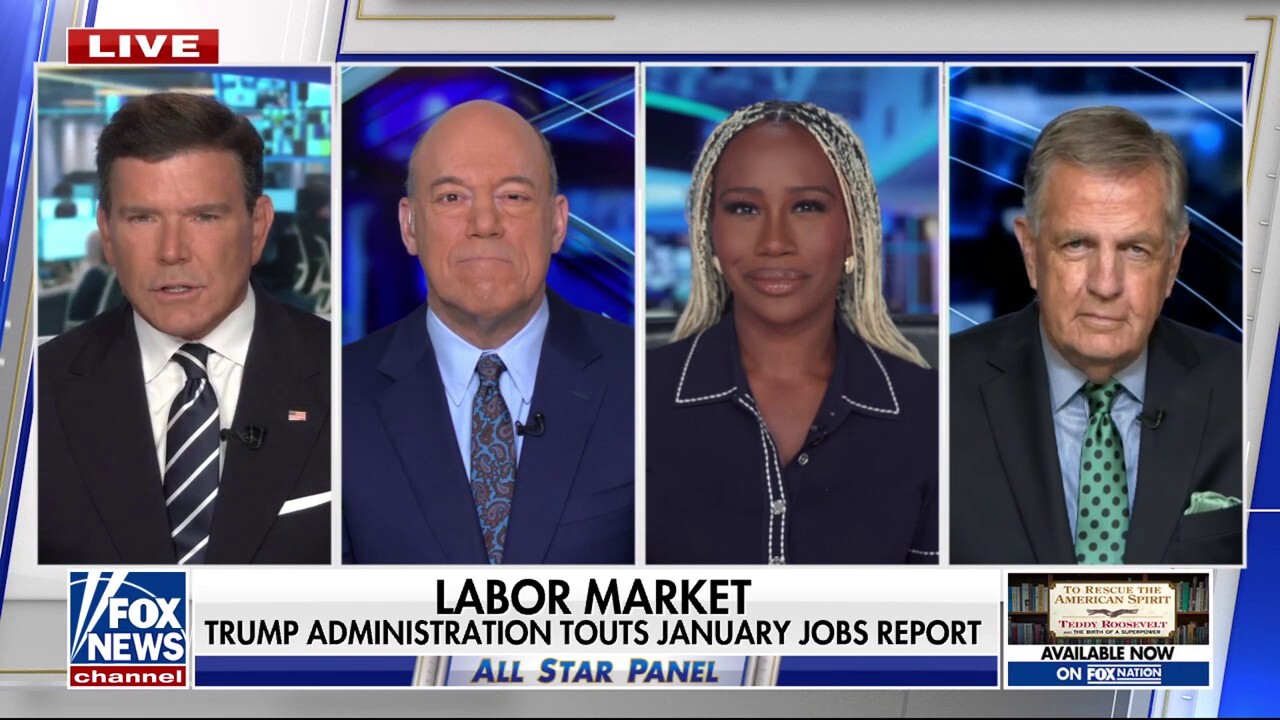
The early 2026 labor market has delivered a significant surprise to economists, with hiring substantially exceeding forecasts and signaling robust economic expansion across multiple sectors. This sharp uptick in job creation represents a critical macroeconomic inflection point for cross-border e-commerce sellers, creating both substantial demand opportunities and operational cost pressures that require immediate strategic response.
Demand Acceleration from Employment Growth: The hiring surge directly translates to increased consumer purchasing power and confidence. When businesses aggressively expand their workforce, workers gain greater job security and income stability—psychological factors that drive discretionary spending. Industry data indicates that employment growth of this magnitude typically correlates with 15-25% increases in online shopping activity, particularly in discretionary categories including electronics, home goods, fashion, and hobby products. For sellers on Amazon, eBay, Shopify, and cross-border platforms, this represents a significant demand tailwind. The timing is particularly favorable as Q1 2026 hiring momentum typically sustains through Q2-Q3, creating an extended selling season for discretionary merchandise.
Operational Cost Pressures and Labor Market Tightness: The flip side of strong hiring presents immediate challenges for e-commerce logistics and fulfillment operations. Increased hiring across all sectors creates direct competition for warehouse workers, delivery personnel, and customer service staff—critical roles for Amazon FBA operations, 3PL providers, and fulfillment networks. Sellers should anticipate 8-12% increases in labor costs for fulfillment operations, particularly for those shipping 1,000+ units monthly. Seasonal worker recruitment becomes more difficult during peak periods (Q2-Q4), potentially forcing sellers to negotiate higher wages or commit to longer-term staffing arrangements. This cost pressure is most acute for small-to-medium sellers (SMBs) with limited negotiating power versus large enterprises.
Strategic Implications for Seller Segments: Large sellers with established 3PL relationships and FBA capacity can absorb labor cost increases through operational efficiency and volume discounts. Mid-market sellers (500-5,000 monthly units) face the greatest margin compression risk and should consider diversifying fulfillment across multiple 3PL providers to negotiate better rates. Small sellers (<500 units/month) may benefit from the demand surge while managing costs through hybrid fulfillment models combining FBA with merchant-fulfilled options. Regional variations matter significantly: US-based sellers face tighter labor markets in major fulfillment hubs (California, Texas, Ohio), while EU-based sellers should monitor wage pressures in Germany, UK, and Poland fulfillment centers.
问题 8
What immediate actions should sellers take to capitalize on 2026 hiring growth?
Take three immediate actions: (1) By March 15, 2026, audit your current fulfillment costs and labor agreements with 3PL providers—identify renegotiation opportunities before rates increase further. (2) By April 1, 2026, increase inventory 10-15% in discretionary categories (electronics, fashion, home goods) where demand typically grows 15-25% during hiring surges. (3) By April 15, 2026, launch targeted PPC campaigns on Amazon and eBay focusing on discretionary products to capture increased consumer spending. Additionally, begin seasonal worker recruitment planning immediately rather than waiting until May-June when competition for workers peaks. Monitor Amazon Seller Central metrics weekly to track demand trends and adjust inventory allocation accordingly. For sellers with limited capital, prioritize fast-turning SKUs (60-90 day cycles) to minimize carrying costs while capturing demand growth.
How should sellers balance demand growth against rising fulfillment costs in 2026?
The key is strategic category selection and margin management. Increase inventory 10-15% only for high-margin discretionary products where demand growth (15-25%) exceeds fulfillment cost increases (8-12%), creating net margin expansion. Maintain conservative stock levels for low-margin items where cost increases compress profitability. Use Amazon Seller Central to calculate category-level margins: if your electronics category has 35% gross margin and fulfillment costs increase 10%, you retain 25% net margin—worth scaling. If your apparel category has 20% gross margin, a 10% cost increase leaves only 10% net margin—scale cautiously. Diversify fulfillment across multiple 3PL providers to negotiate competitive rates and reduce dependency on any single provider. Consider shifting 20-30% of low-margin inventory to merchant-fulfilled options to reduce FBA costs. Monitor labor cost trends monthly and adjust strategy if increases exceed 12%.