
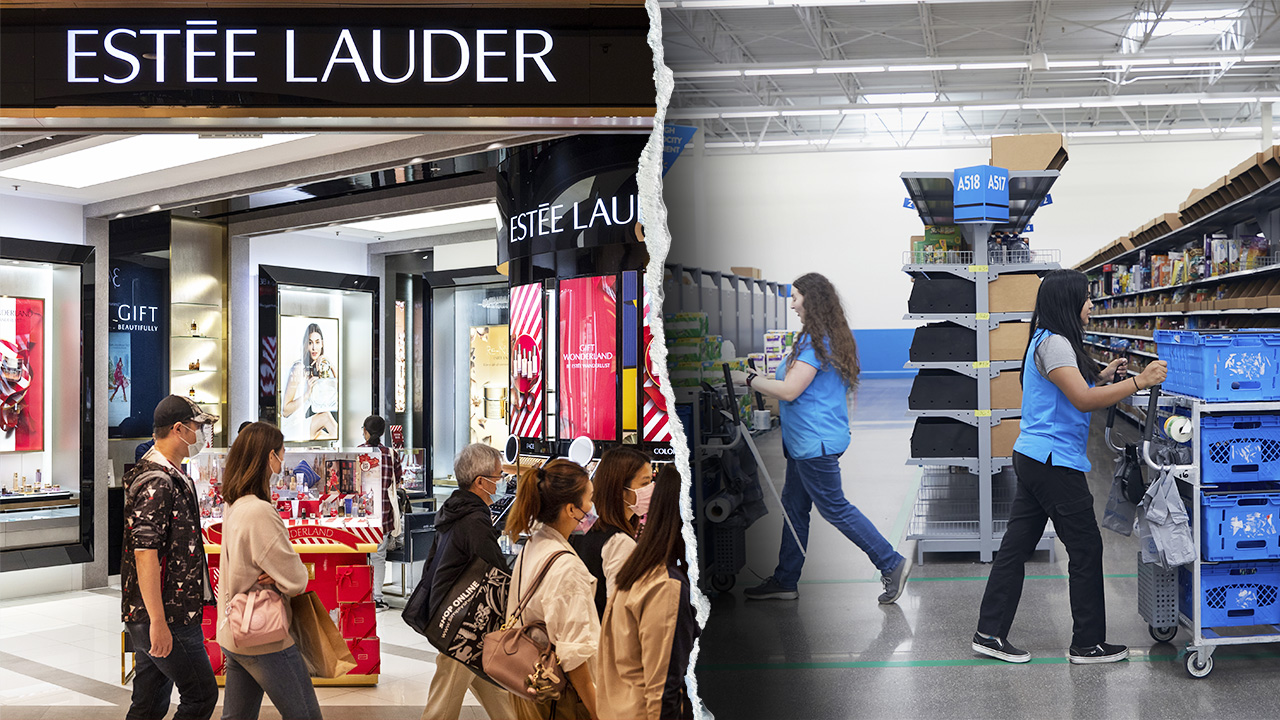
Marketplace Counterfeit Liability | Estée Lauder v. Walmart Reshapes Seller Verification Requirements
- Federal lawsuit filed Feb 11, 2026 establishes platform vicarious liability for third-party sellers; creates new authentication compliance barriers affecting 50K+ beauty/fragrance sellers on Walmart, Amazon, eBay
概览
The February 11, 2026 Estée Lauder v. Walmart lawsuit represents a watershed moment in marketplace platform liability, establishing that platforms bear vicarious responsibility for counterfeit products sold by third-party vendors. Filed in U.S. District Court for the Central District of California, the complaint alleges Walmart actively selected marketplace sellers, controlled payment processing, handled fulfillment/returns, and earned transaction fees—making the platform liable for counterfeit Advanced Night Repair, Le Labo Santal 33, and Tom Ford Private Blend fragrances. This precedent directly references the prior Vans v. Walmart case, where courts found consumers reasonably believed Walmart.com products were sold directly by Walmart, establishing platform design as a liability factor.
The compliance barrier created is substantial: Platforms must now implement seller authentication systems, product verification protocols, and inventory tracking mechanisms to defend against vicarious liability claims. For legitimate sellers, this translates to new mandatory compliance requirements—authentication certificates, supplier documentation, batch number verification, and potentially third-party testing for luxury beauty/fragrance categories. The lawsuit seeks treble damages (3x multiplier) if violations are found intentional, plus inventory destruction orders and supplier disclosure requirements. This creates a compliance moat protecting authenticated sellers while eliminating non-compliant competitors.
Category-specific impact: Beauty and fragrance sellers face the highest compliance burden. Counterfeit luxury fragrances command 15-25% price premiums, making them attractive to bad actors. Legitimate sellers must now maintain detailed provenance documentation, supplier authentication certificates, and batch-level tracking. The cost of compliance—including third-party authentication services, documentation systems, and inventory audits—ranges from $5,000-$25,000 annually for mid-sized sellers (500-5,000 SKUs). Smaller sellers (under 100 SKUs) face proportionally higher per-unit costs, creating winnowing effect.
Platform response signals stricter enforcement: Walmart's statement of "zero tolerance" indicates platforms will implement automated seller verification, potentially requiring beauty/fragrance sellers to provide GS1 barcodes, manufacturer authentication letters, and supply chain documentation before listing approval. Amazon and eBay will likely follow with similar requirements within 90-180 days. This establishes authentication compliance as a new category requirement, similar to FDA registration for supplements or CE marking for electronics.
问题 8
What is vicarious liability and how does it affect marketplace sellers?
Vicarious liability holds platforms responsible for third-party seller conduct when the platform actively controls seller selection, payment processing, fulfillment, and returns—exactly what Walmart is accused of doing. The Estée Lauder lawsuit establishes that Walmart.com's design, checkout system, and return process created consumer confusion about who the actual seller was, making Walmart liable for counterfeit products. For legitimate sellers, this means platforms will now require authentication documentation, supplier verification letters, and batch-level tracking before listing approval. Sellers in beauty/fragrance categories should expect mandatory compliance requirements within 90-180 days across Amazon, eBay, and Walmart marketplaces.
What authentication documentation must beauty and fragrance sellers now provide?
Based on the lawsuit's emphasis on supply chain transparency, platforms will likely require: (1) manufacturer authentication letters confirming authorized distributor status, (2) GS1 barcode registration and batch number documentation, (3) invoices from authorized wholesalers, and (4) potentially third-party testing certificates for fragrance composition. The lawsuit specifically mentions Tom Ford's distinctive rectangular bottle shape and flared cap design, indicating platforms will require visual authentication and packaging specifications. Sellers should begin collecting supplier documentation immediately—the cost of third-party authentication services ranges from $5,000-$25,000 annually depending on SKU count. Failure to provide documentation will result in listing suspension.