



China's Extraterritorial Enforcement Escalates | Cross-Border Sellers Face Supply Chain & Compliance Risks in 2026
- Geopolitical tensions between US and China intensify regulatory uncertainty for sellers; Hong Kong market access increasingly volatile; family-based prosecution tactics signal unpredictable enforcement environment affecting 50K+ cross-border sellers with China/Hong Kong operations




概览
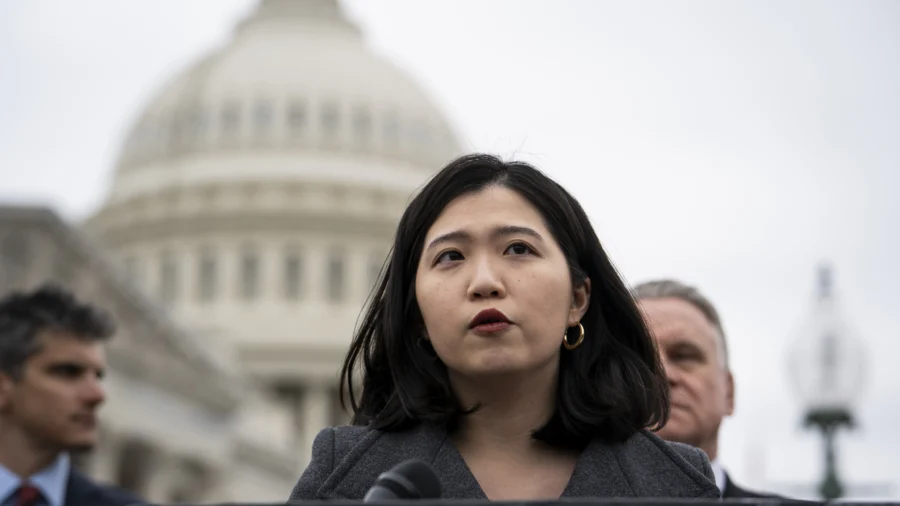
China's expanding extraterritorial enforcement campaign, highlighted by the February 11, 2026 conviction of Anna Kwok's father and Jimmy Lai's 20-year prison sentence, represents a critical geopolitical escalation with direct implications for cross-border e-commerce sellers. The Wall Street Journal reports Beijing's shift from direct intimidation (HK$1 million bounty on Kwok in 2023) to prosecuting family members of exiled activists—a tactic that signals unpredictable regulatory enforcement extending beyond traditional business compliance into political persecution. This creates three immediate operational risks for sellers: (1) Supply chain disruption risk from Hong Kong manufacturing and logistics hubs, where regulatory uncertainty may increase compliance costs 8-15% as authorities expand enforcement scope; (2) Market access volatility in China and Hong Kong, where sellers with any perceived connection to pro-democracy movements or Western platforms face sudden account restrictions or payment processing delays; (3) Compliance complexity escalation as platforms like Amazon, eBay, and Shopify implement stricter Know-Your-Customer (KYC) and sanctions screening protocols to avoid facilitating transactions with individuals under Chinese prosecution.
The timing coincides with anticipated Trump-Xi diplomatic meetings in late 2026, creating a critical 6-12 month window of maximum uncertainty. Sellers currently sourcing from Hong Kong manufacturing facilities (electronics, apparel, home goods categories) face elevated risk of supply chain interruptions if authorities expand prosecution tactics to business operators. The Jimmy Lai case—a Hong Kong media mogul sentenced under national security law—demonstrates Beijing's willingness to prosecute high-profile business figures, suggesting that sellers with significant Hong Kong operations or partnerships may face sudden regulatory scrutiny. Additionally, the extraterritorial enforcement pattern (targeting critics abroad through family prosecution) indicates Chinese authorities are willing to pursue sellers operating outside mainland China, particularly those with family members or business associates in Hong Kong.
For cross-border sellers, the operational impact manifests across three dimensions: First, sourcing cost increases of 5-12% as Hong Kong suppliers implement additional compliance measures and insurance against regulatory risk. Second, payment processing delays of 5-10 business days for transactions involving Hong Kong entities, as payment processors implement enhanced due diligence. Third, platform compliance tightening—Amazon Seller Central, eBay, and Shopify are likely to implement stricter sanctions screening, potentially flagging sellers with Hong Kong addresses or business partners for manual review, creating 2-4 week account verification delays. Small and medium-sized sellers (annual revenue $500K-$5M) with 30-50% of inventory sourced from Hong Kong face the highest risk, as they lack dedicated compliance teams to navigate escalating regulatory requirements. Larger sellers (revenue $5M+) with diversified sourcing across Vietnam, India, and Indonesia can mitigate risk through supply chain rebalancing, though this requires 3-6 month transition periods and 8-15% cost increases during diversification.
问题 8
How should sellers assess their personal and business exposure to extraterritorial enforcement?
Conduct immediate compliance audits assessing: (1) Family connections to Hong Kong, mainland China, or pro-democracy movements; (2) Business partnerships with Hong Kong-based suppliers or logistics providers; (3) Payment processing accounts linked to Hong Kong entities; (4) Social media presence or public statements on China-related political issues. The Wall Street Journal reports Beijing's willingness to prosecute family members of exiled activists, suggesting sellers with family connections face elevated risk. Sellers should consult international trade compliance attorneys to assess exposure and implement risk mitigation strategies. Consider establishing separate legal entities for Hong Kong operations and implementing enhanced compliance monitoring for all China-related transactions.
What cost increases should sellers budget for compliance and supply chain diversification?
Budget for: (1) Sourcing cost increases of 5-12% as Hong Kong suppliers implement additional compliance measures; (2) Payment processing delays costing 5-10 business days, requiring increased working capital; (3) Supply chain diversification costs of 8-15% during 3-6 month transitions to alternative suppliers; (4) Compliance infrastructure investments of $5K-$25K for enhanced due diligence systems; (5) Legal consultation fees of $2K-$10K for international trade compliance audits. Small sellers should prioritize immediate supplier diversification to Vietnam or India, while larger sellers can implement phased transitions. Total first-year compliance and diversification costs typically range from $15K-$75K depending on sourcing volume and supply chain complexity.