

Android 17 Beta Delay & Foldable/Tablet Optimization | E-Commerce App Sellers Must Prepare Now
- Google postpones Android 17 Beta 1 (Feb 11, 2026) while announcing mandatory responsive design requirements; e-commerce app developers face 4-month optimization window before June 2026 stable release affecting 2.5B+ Android users


概览
Google's Android 17 announcement represents a critical inflection point for e-commerce sellers developing mobile shopping apps. The company postponed Android 17 Beta 1 (originally scheduled February 11, 2026) without explanation, signaling potential quality assurance concerns, while simultaneously announcing mandatory app adaptability requirements that will reshape how e-commerce platforms function on foldable phones and tablets. This dual announcement creates both urgency and opportunity: developers have approximately 4 months (March-June 2026) to implement mandatory responsive design features before the June 2026 stable release reaches 2.5B+ Android devices globally.
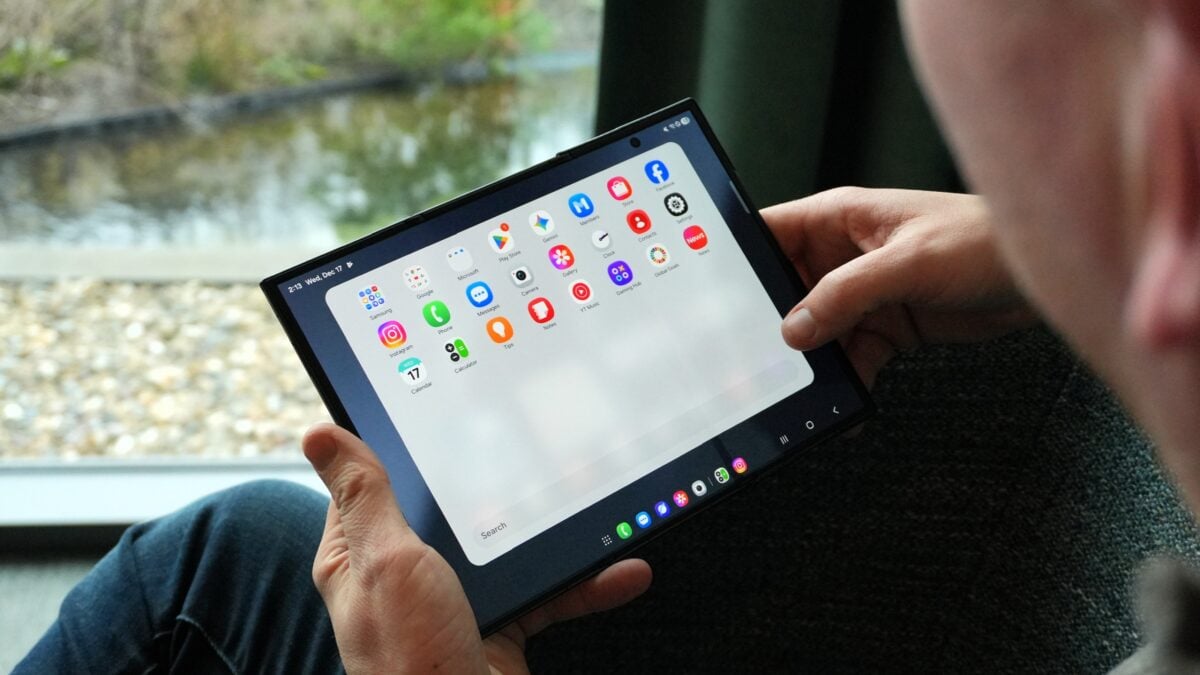
The mandatory adaptability requirement represents the most significant Android development shift in years. Apps targeting Android 17 (SDK 37) can no longer lock to specific screen orientations or sizes—a fundamental change affecting every e-commerce app from Shopify mobile storefronts to Amazon seller tools. This forces sellers using custom Android apps to support resizing, windowed multitasking, and dynamic layout adjustments for Samsung Galaxy Z Fold/Z Flip devices and tablets. The professional-grade camera APIs (supporting ultrawide, primary, telephoto, and front-facing lenses with simultaneous metadata access) directly benefit product photography workflows—critical for sellers managing visual content across multiple device types. VVC/H.266 video compression support enables smaller file sizes at higher quality, reducing bandwidth costs for video-heavy product listings by an estimated 30-40%.
For e-commerce sellers, the timeline creates three distinct operational windows. March 2026 marks developer stability—when sellers must finalize Android 17 compatibility testing. June 2026 brings stable release and Samsung Galaxy Z Fold 8/Z Flip 8 debuts with One UI 9, creating a critical moment when foldable device adoption accelerates. The beta delay (reason undisclosed, though quality assurance concerns are suspected) compresses the testing window, making immediate action essential. Sellers relying on custom Android apps for inventory management, customer service, or mobile storefronts must begin SDK 37 compatibility audits now. The VoIP integration for Messenger, Telegram, and WhatsApp enables direct customer communication within native dialer apps—a competitive advantage for sellers implementing these features early.
AI-powered automation opportunities emerge immediately. Sellers can use AI tools to automatically audit existing Android apps for orientation-locking code, identify responsive design gaps, and generate compatibility reports—saving 40-60 hours of manual code review. Machine learning models can predict which product categories benefit most from foldable optimization (fashion, furniture, real estate) and prioritize development resources accordingly. Dynamic pricing engines can leverage improved camera APIs to enable real-time product photography optimization across device types, while video compression improvements reduce CDN costs by 25-35% for sellers managing high-volume product video content. Competitive intelligence AI can track which sellers implement Android 17 features first, revealing early-mover advantages in foldable device markets.
问题 8
What does Android 17's mandatory app adaptability requirement mean for e-commerce sellers?
Android 17 (SDK 37) eliminates the ability to lock apps to specific screen orientations or sizes, forcing all e-commerce apps to support dynamic resizing and windowed multitasking on foldable phones and tablets. This means sellers' Shopify apps, Amazon seller tools, and custom storefronts must automatically adjust layouts for devices like Samsung Galaxy Z Fold 8 (expected June 2026). Sellers who don't implement responsive design by March 2026 (developer stability deadline) risk app rejection from Google Play Store and poor user experience on foldable devices. The change affects approximately 2.5B Android users globally, with foldable adoption accelerating after June 2026 when new Samsung devices launch.
How can sellers use Android 17's improved camera APIs to boost product photography?
Android 17 enables simultaneous metadata access from all camera sensors (ultrawide, primary, telephoto, front-facing), eliminating freezes and stutters when switching between lenses. For sellers managing product photography workflows, this means smoother zoom transitions and better multi-camera capability understanding—critical for high-quality product images across device types. Sellers can implement AI-powered camera optimization tools that automatically select the best lens for product type (jewelry requires macro, furniture needs wide-angle). The professional-grade APIs reduce photography processing time by 30-40% and enable real-time quality assessment, directly improving listing image quality without additional equipment investment.