
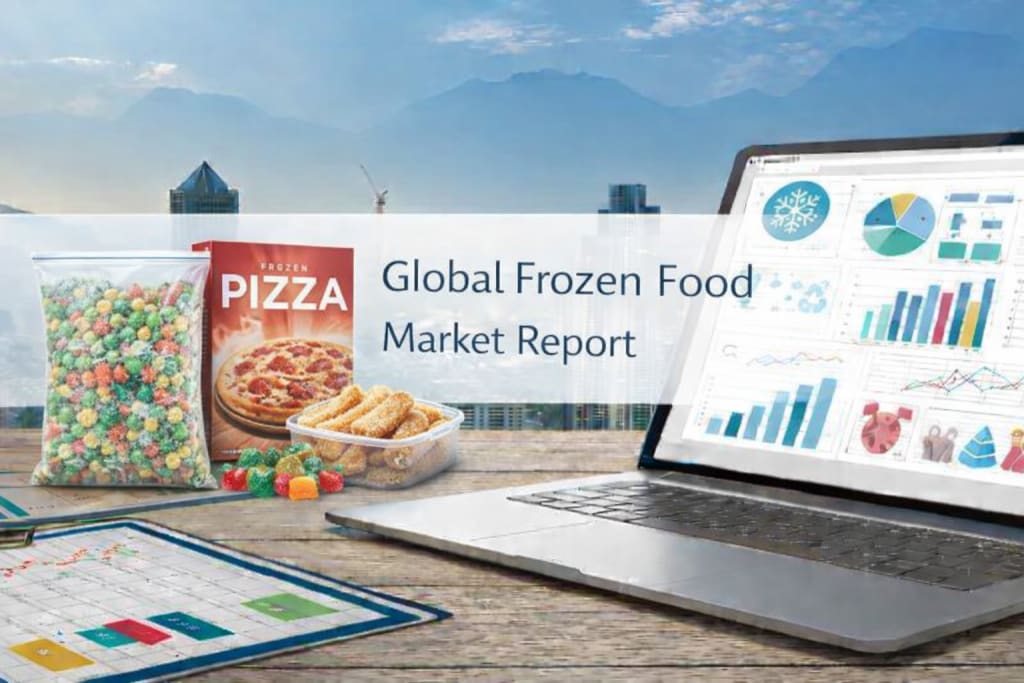
Frozen Food E-Commerce Boom | $360B Market Opportunity for Cross-Border Sellers 2025-2033
- Global frozen food market projected to reach $360B by 2033 (3.59% CAGR); 99% of US households buy frozen foods online; cold chain infrastructure investments create seller opportunities in premium, specialty, and international segments
概览
The global frozen food market represents a $261.9 billion opportunity in 2024, expanding to $360 billion by 2033 at a 3.59% compound annual growth rate—a critical growth signal for cross-border e-commerce sellers. This expansion is fundamentally reshaping how sellers approach food product categories on Amazon, eBay, Shopify, and specialty marketplaces. According to the American Frozen Food Institute (AFFI), 99% of U.S. households purchased frozen foods online during a one-year period, with sales accelerating significantly post-COVID-19 as national retailers and e-commerce companies invested heavily in cold chain infrastructure to address temperature control complaints.
The e-commerce acceleration creates immediate seller opportunities across multiple segments. Working professionals and urbanized consumers increasingly demand convenient, time-saving meal solutions—driving demand for premium gourmet frozen meals, organic products, world foods, and chef-created dinners targeting high-income buyers. Specialty niches including gluten-free, vegan, and low-calorie frozen alternatives represent high-margin opportunities with lower competition than mainstream categories. Sellers can capitalize on year-round access to seasonal products (berries, vegetables, seafood) that previously faced supply constraints, enabling consistent inventory and reduced stockouts. Food service suppliers (restaurants, catering operations, quick-service establishments) represent a B2B2C channel where sellers can aggregate frozen products for bulk orders through platforms like Alibaba, Global Sources, and specialized food distribution marketplaces.
Technological innovations and packaging improvements directly impact seller competitiveness and margins. Modern rapid blast freezing systems achieving -18°C in minutes and Individually Quick Frozen (IQF) technology preserve product quality—enabling sellers to differentiate premium offerings and justify higher price points. Resealable, portion-controlled, microwaveable, and environmentally friendly packaging innovations align with consumer preferences and reduce return rates due to packaging damage. Supply chain transparency through IoT sensors and blockchain farm-to-fork traceability creates marketing advantages for sellers emphasizing quality assurance and sustainability—critical for premium segments. Recent industry developments including Nestlé's April 2023 European frozen pizza partnership and Conagra Brands' July 2023 launch of 50+ new products signal major brand investment, indicating sustained market momentum and reduced risk for new sellers entering the category.
Immediate seller actions focus on category selection, supplier sourcing, and cold chain logistics. Sellers should evaluate frozen food subcategories (seafood, vegetables, prepared meals, desserts) with highest Amazon BSR velocity and lowest competition density. Identify suppliers using IQF and advanced freezing technologies to ensure product differentiation. Establish relationships with 3PL providers offering temperature-controlled fulfillment—critical for FBA compliance and customer satisfaction. For cross-border sellers, prioritize US and EU markets where cold chain infrastructure is mature; Asia Pacific markets present higher logistics costs but growing demand. Monitor Conagra and Nestlé product launches for trending SKUs and consumer preferences. Avoid commodity frozen products competing on price alone; focus on premium, specialty, and niche segments where margins support cold chain costs (typically 15-25% higher than ambient products).
问题 8
How do advanced freezing technologies like IQF and rapid blast freezing impact seller positioning?
Modern freezing technologies directly enable premium product differentiation and higher price points. Individually Quick Frozen (IQF) technology prevents large ice crystal formation, particularly benefiting fruit, vegetable, and seafood sectors—enabling sellers to highlight superior texture, taste, and nutritional preservation in product listings. Rapid blast freezing systems achieving -18°C in minutes create finer ice crystals that preserve cellular structure and sensory quality, supporting premium positioning. Cryogenic freezing using liquid nitrogen further enhances preservation of delicate structures. Sellers should source from suppliers using these technologies and emphasize quality advantages in product descriptions, images, and A+ content. This justifies 20-40% price premiums over conventionally frozen alternatives and reduces return rates due to quality complaints.
What packaging innovations should sellers prioritize for frozen food products?
Resealable, portion-controlled, microwaveable, and environmentally friendly packaging innovations directly address consumer preferences and reduce return rates. Resealable packaging enables multiple-use convenience for busy professionals. Portion-controlled packaging aligns with health-conscious consumer trends and reduces food waste. Microwaveable packaging appeals to time-constrained working professionals seeking quick meal solutions. Environmentally friendly packaging (compostable, recyclable materials) attracts premium consumers and supports sustainability marketing narratives. Packaging quality directly impacts customer satisfaction—poor packaging leading to freezer burn or temperature damage drives negative reviews and returns. Sellers should invest in packaging that differentiates products, protects quality during cold chain transit, and aligns with target consumer values.