


BART's $400M Deficit Threatens Bay Area E-Commerce Logistics | Seller Supply Chain Risk
- Potential closure of 15 stations by July 2026 disrupts last-mile delivery networks serving 800,000 jobs; sellers face 2-3 hour commute delays and workforce accessibility crises in major fulfillment corridors




概览
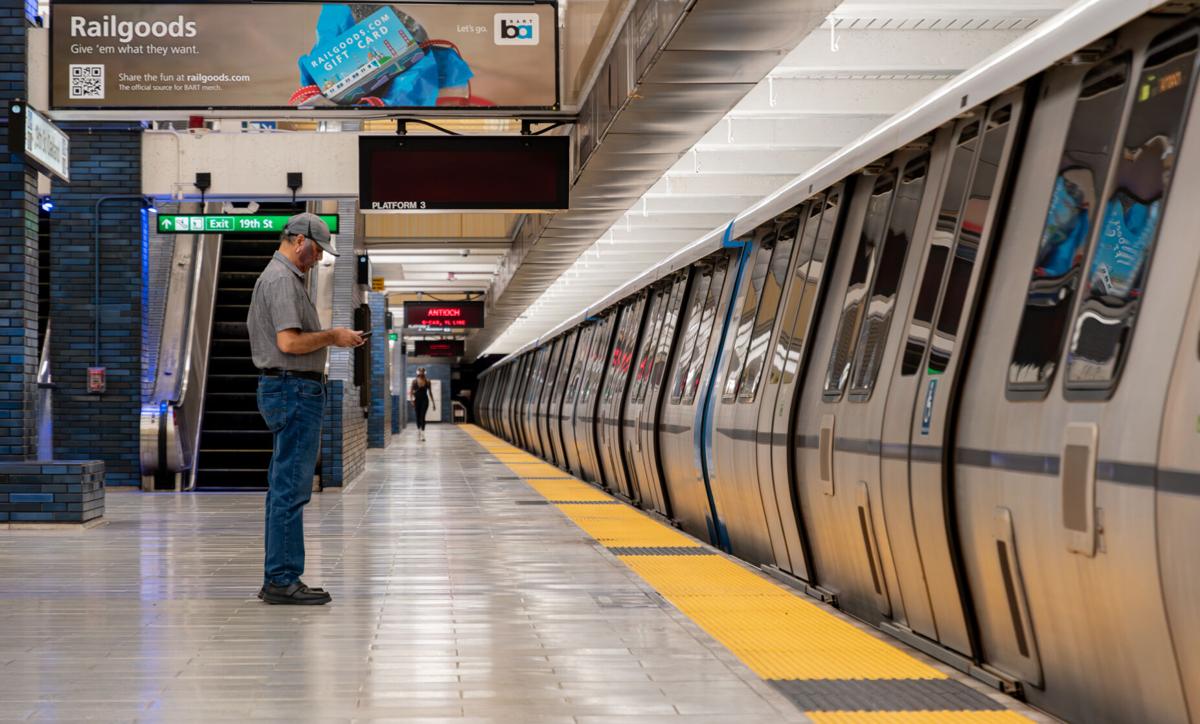
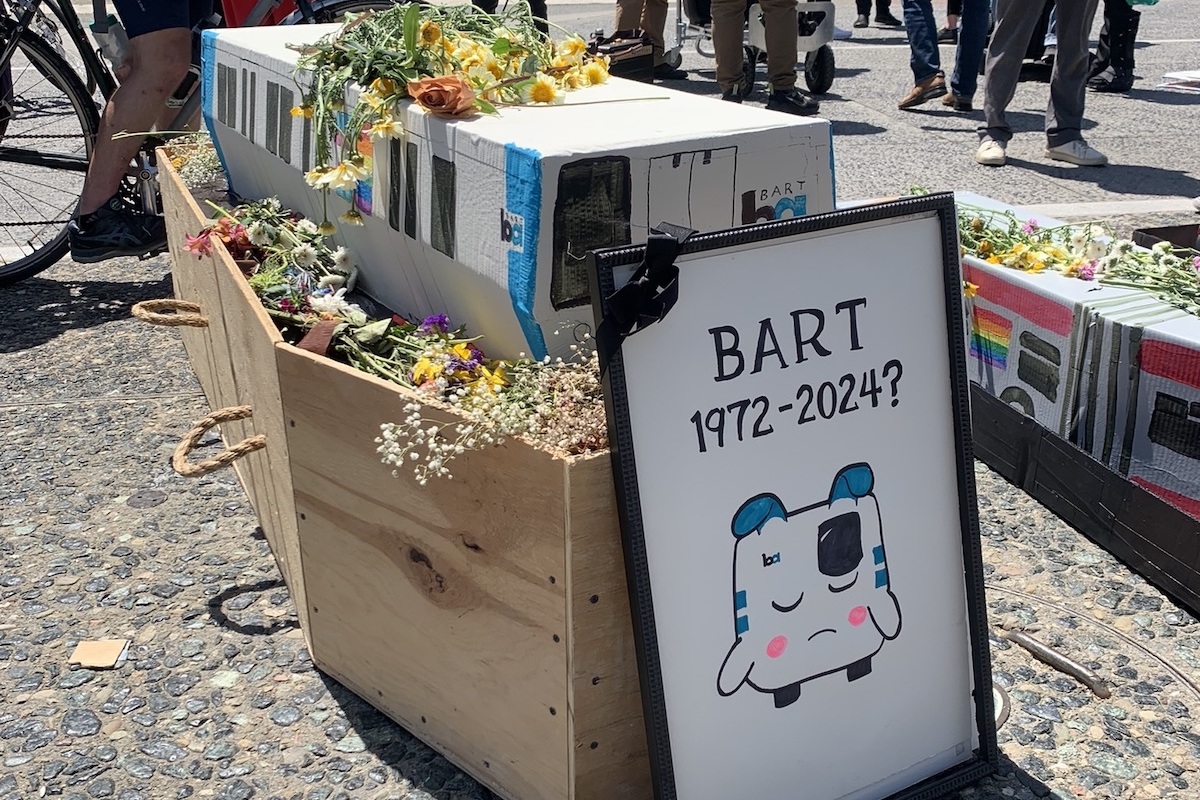
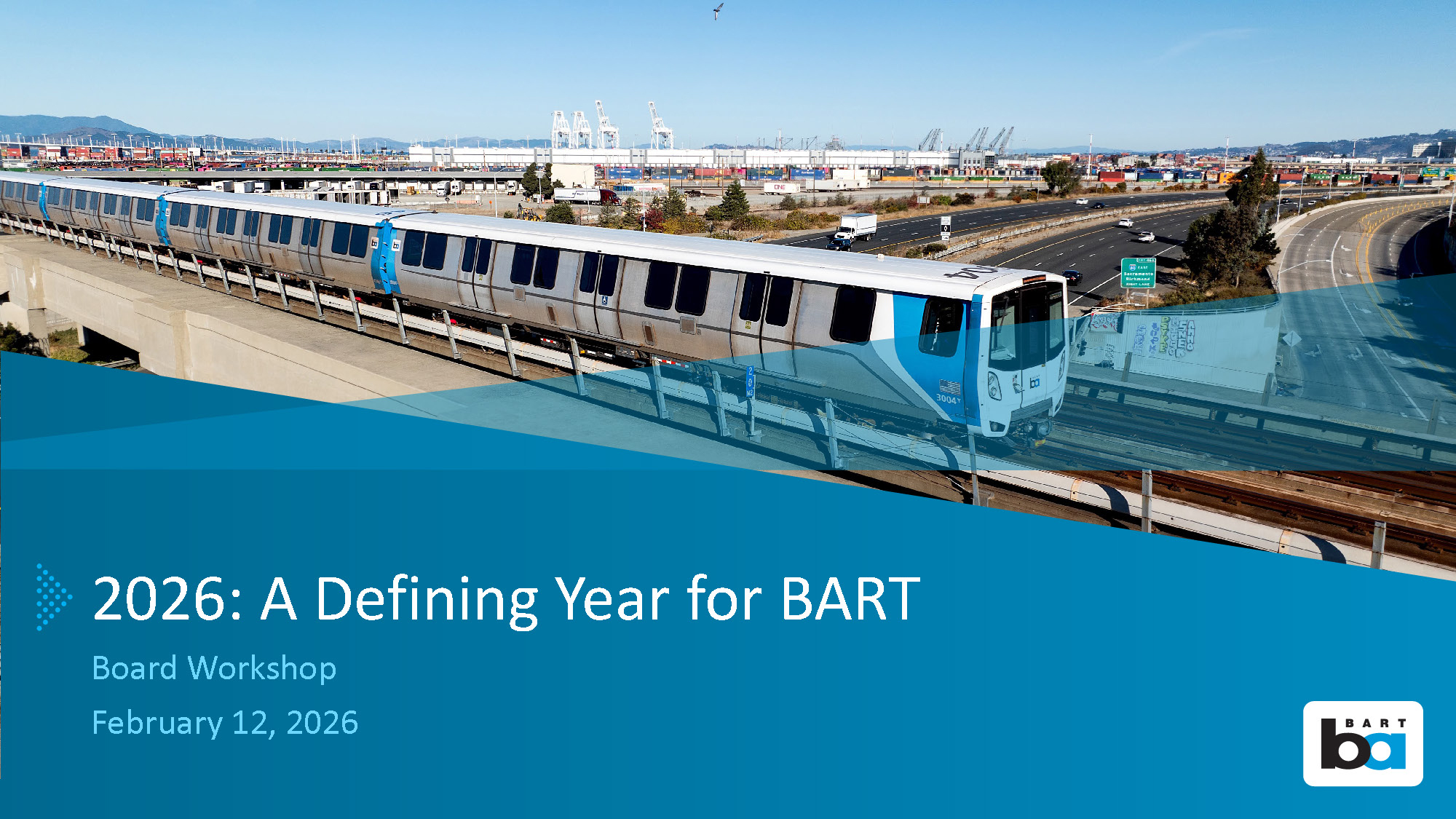
The San Francisco Bay Area Rapid Transit (BART) system faces a critical $400 million annual deficit that poses significant operational risks to e-commerce sellers and logistics providers across Northern California. BART's board presented a three-phase service collapse scenario on February 12, 2026, with Phase 1 closing 10 stations (affecting 12% of riders) by January 2026, and Phase 2 eliminating 15 total stations and 70% of train hours by July 2026—reverting the system to its 1976-1994 network configuration. This transit infrastructure breakdown directly impacts e-commerce operations through multiple vectors: workforce accessibility, last-mile delivery network disruption, and regional economic contraction.
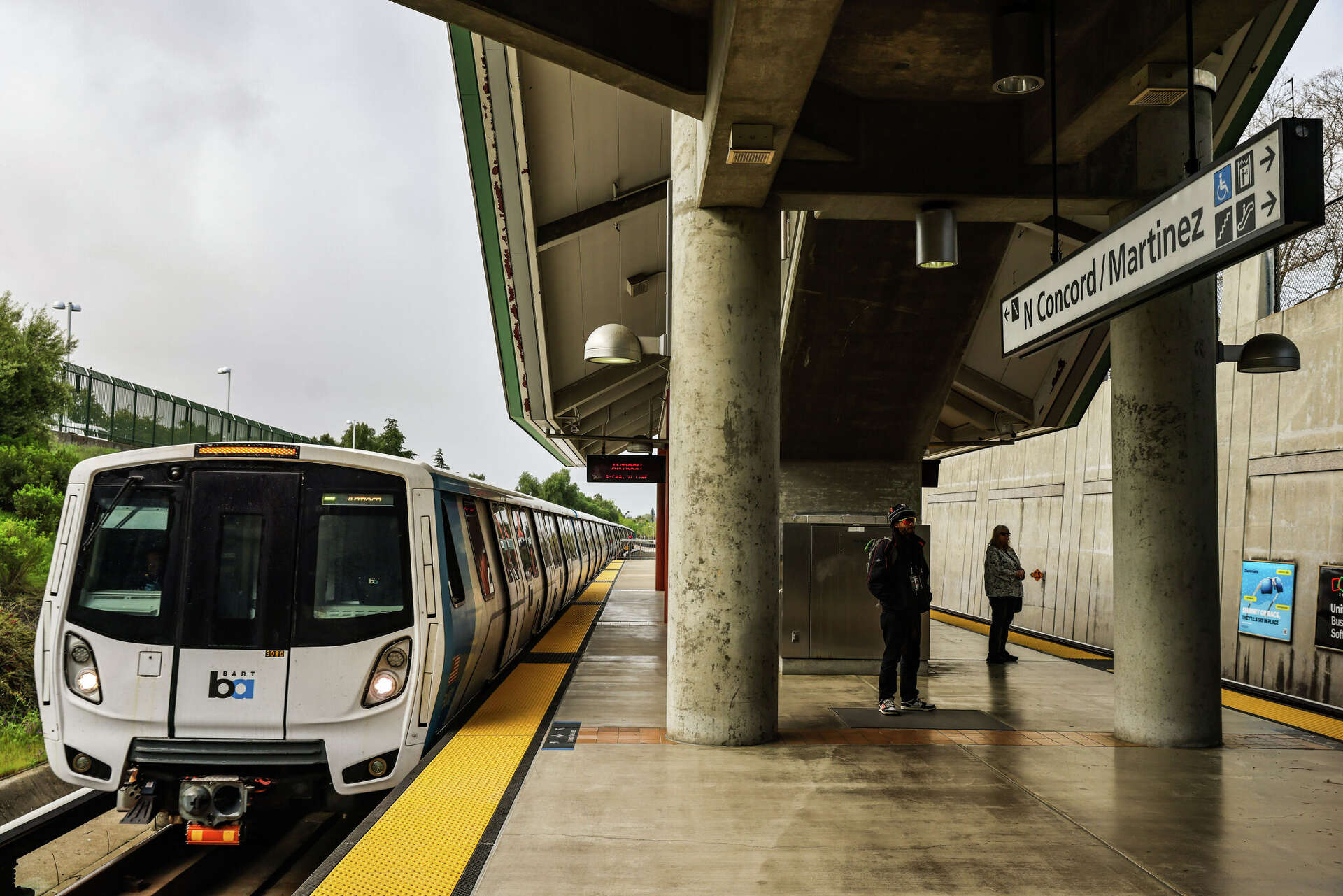
Workforce Impact for Sellers: BART currently connects 800,000 jobs within 15-minute walking distances from stations. The proposed closures eliminate critical commuter corridors including the entire Blue Line serving Dublin-Pleasanton (950,453 annual exits), Antioch Station (500,000+ riders), and Pittsburg-Bay Point (700,000 exits). For e-commerce sellers operating fulfillment centers and distribution hubs in these corridors, workforce accessibility becomes severely constrained. If 200,000 BART riders shift to personal vehicles, commute times increase 2.7 hours daily (El Cerrito-to-San Francisco) and 2.3 hours (Walnut Creek-to-San Francisco), directly reducing employee availability and increasing operational costs for sellers with Bay Area operations.
Logistics and Last-Mile Delivery Disruption: News 3 explicitly identifies that "e-commerce and last-mile delivery operations relying on transit-connected distribution hubs would experience operational disruptions." The elimination of Oakland International Airport connectivity (except SFO) threatens tourism and business travel, reducing demand for travel-related merchandise and disrupting supply chains for sellers sourcing from Asia-Pacific markets. Six yellow-line trains currently transport 4,000 passengers—equivalent to 120 buses—indicating the scale of transit-dependent logistics operations. Station closures force alternative routing through congested highways, increasing delivery times and costs for 3PL providers and Amazon FBA sellers using Bay Area fulfillment networks.
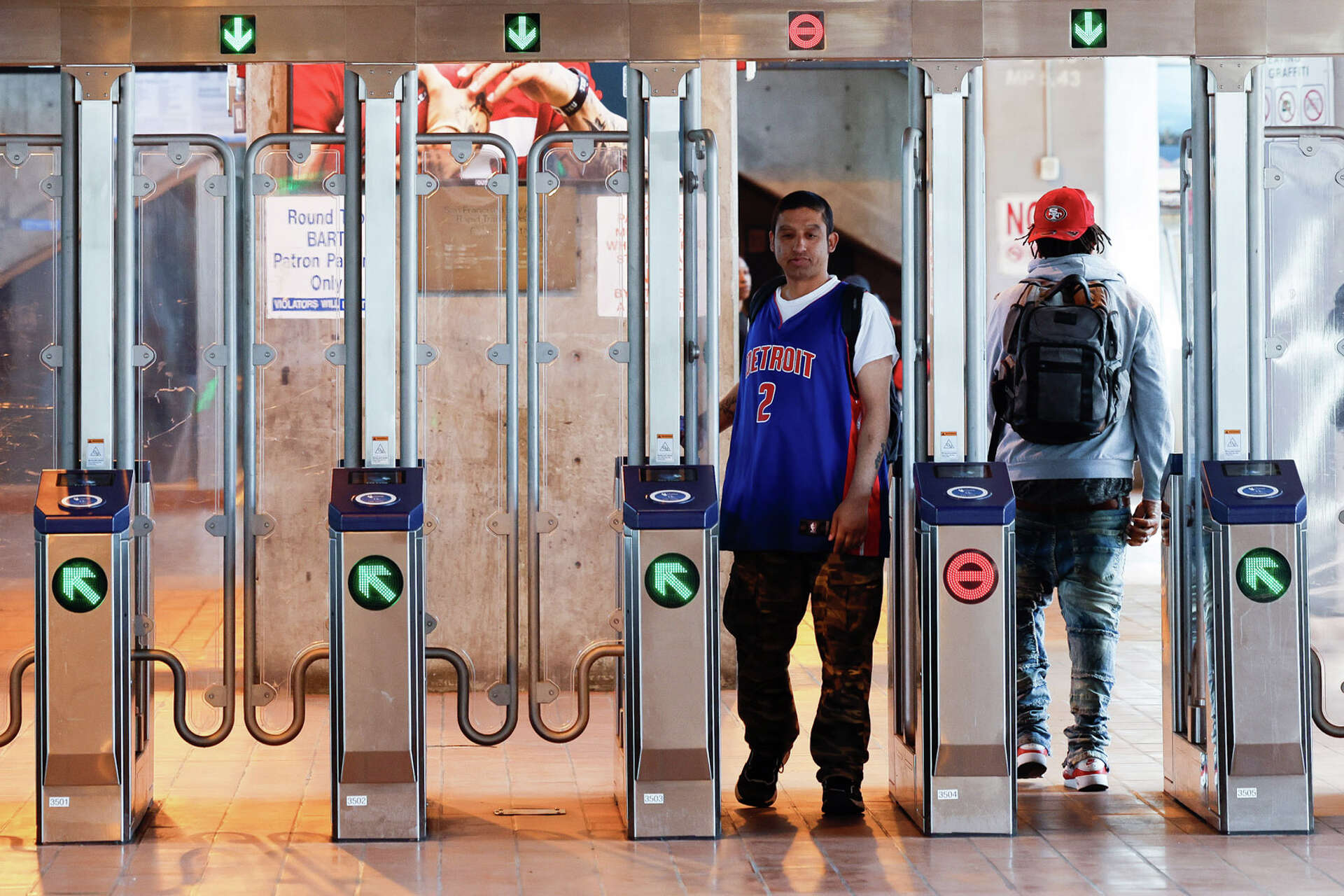
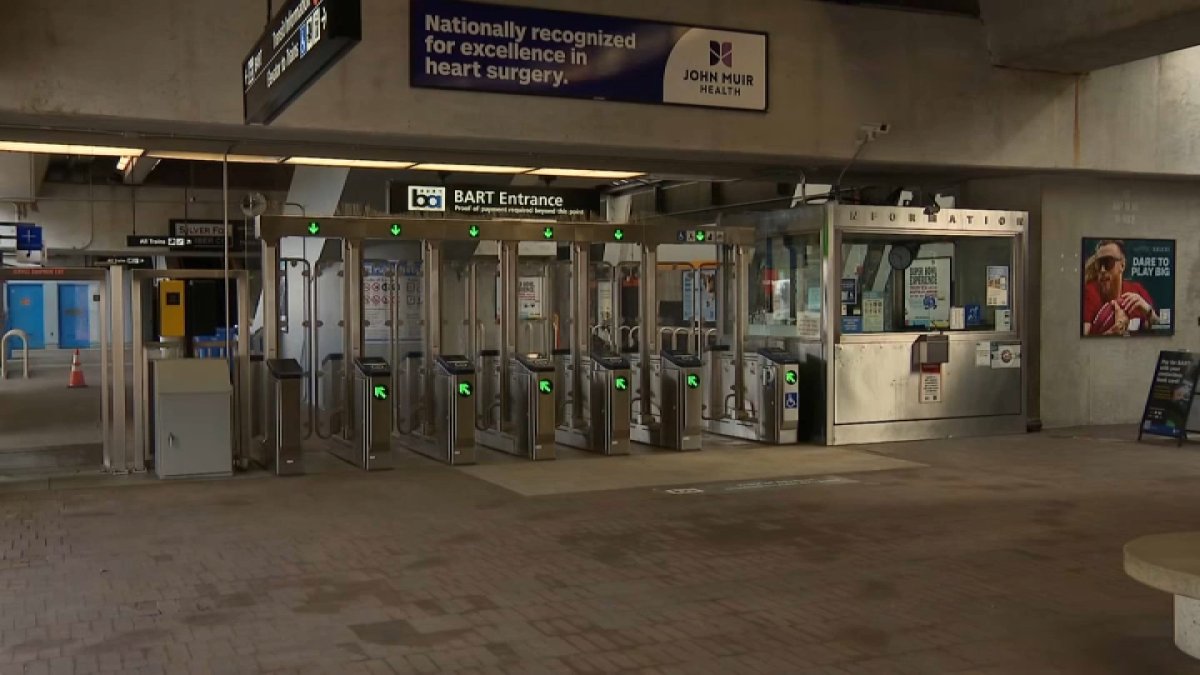
Revenue Opportunity and Risk Mitigation: Positively, BART's newly installed fare gates across all 50 stations generate $10 million annually while reducing maintenance by 961 hours system-wide. This demonstrates infrastructure modernization can drive operational efficiency—a model relevant to sellers evaluating supply chain hardening. However, the agency's financial recovery depends on a November 2026 ballot measure generating $1 billion annually through sales tax increases in Alameda, Contra Costa, San Mateo, Santa Clara counties, and San Francisco. Without passage, Phase 3 represents complete system shutdown by winter 2028. For sellers, this creates a 10-month window of operational uncertainty affecting inventory positioning, fulfillment strategy, and workforce planning in one of North America's largest e-commerce markets.
问题 8
How can sellers mitigate BART closure risks to their supply chains?
Implement three-tier mitigation: (1) Immediate (by March 2026)—audit fulfillment center locations, identify BART-dependent suppliers and employees, calculate alternative routing costs; (2) Medium-term (March-July 2026)—diversify fulfillment to non-BART zones (Sacramento, Stockton, Fresno), negotiate 3PL contracts with alternative routing provisions, establish remote work policies to reduce commute dependency; (3) Long-term (July 2026+)—if Phase 2 activates, shift inventory to SFO-accessible locations, increase safety stock 15-20% for affected regions, consider temporary price increases 5-8% to offset logistics cost inflation. BART's fare gate success ($10M annual revenue, 961 hours maintenance savings) demonstrates infrastructure modernization works—advocate for accelerated funding through the November 2026 ballot measure.
What product categories face highest demand risk from BART service cuts?
Categories most vulnerable to BART disruption: (1) Business/office supplies (dependent on commuter demand and B2B logistics)—expect 20-30% demand decline if transit collapses; (2) Travel/tourism merchandise (airport connectivity loss)—15-25% decline; (3) Time-sensitive perishables and fresh goods (last-mile delivery dependent)—10-20% margin compression from rerouting costs. Conversely, remote work categories (home office furniture, ergonomic equipment, video conferencing) gain 10-15% demand as work-from-home accelerates. Sellers should rebalance inventory: reduce commuter-dependent categories by 25-30%, increase remote work categories by 20-25%, and build 15-20% safety stock for essential categories in affected regions to buffer against logistics disruption.