


Apple Siri AI Delays Signal Massive Opportunity for Third-Party Voice Commerce Solutions
- Apple's $1B Google AI licensing deal fails to deliver; staggered iOS rollout through Sept 2026 creates 18-month window for competing voice shopping platforms to capture market share


















概览
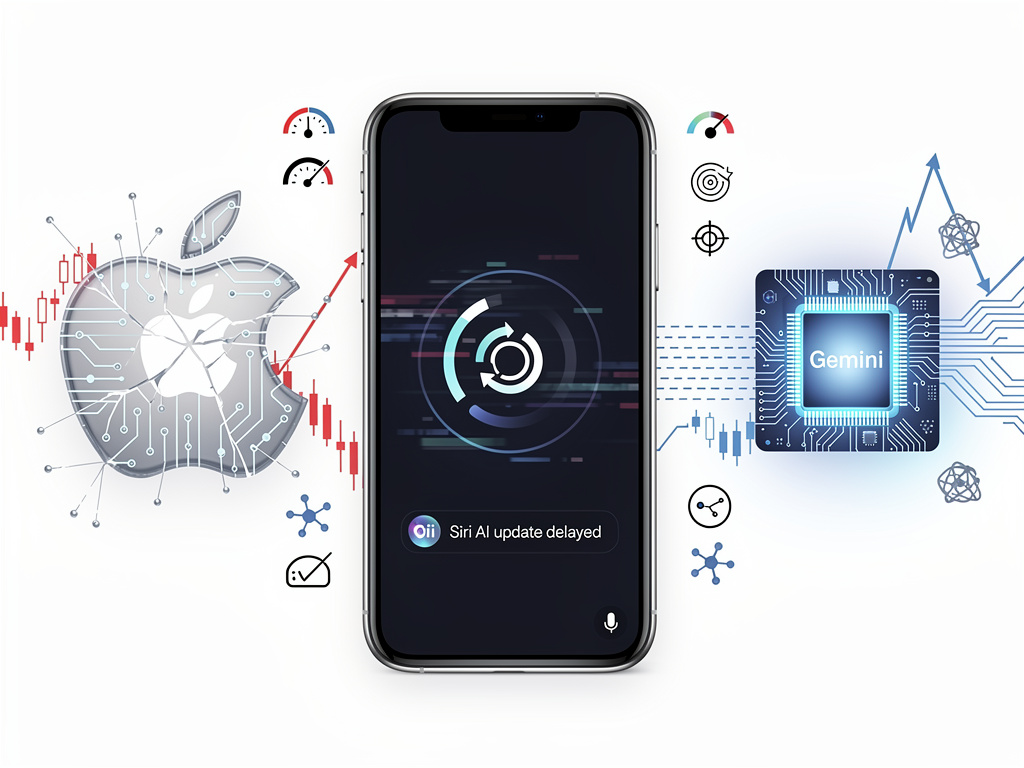
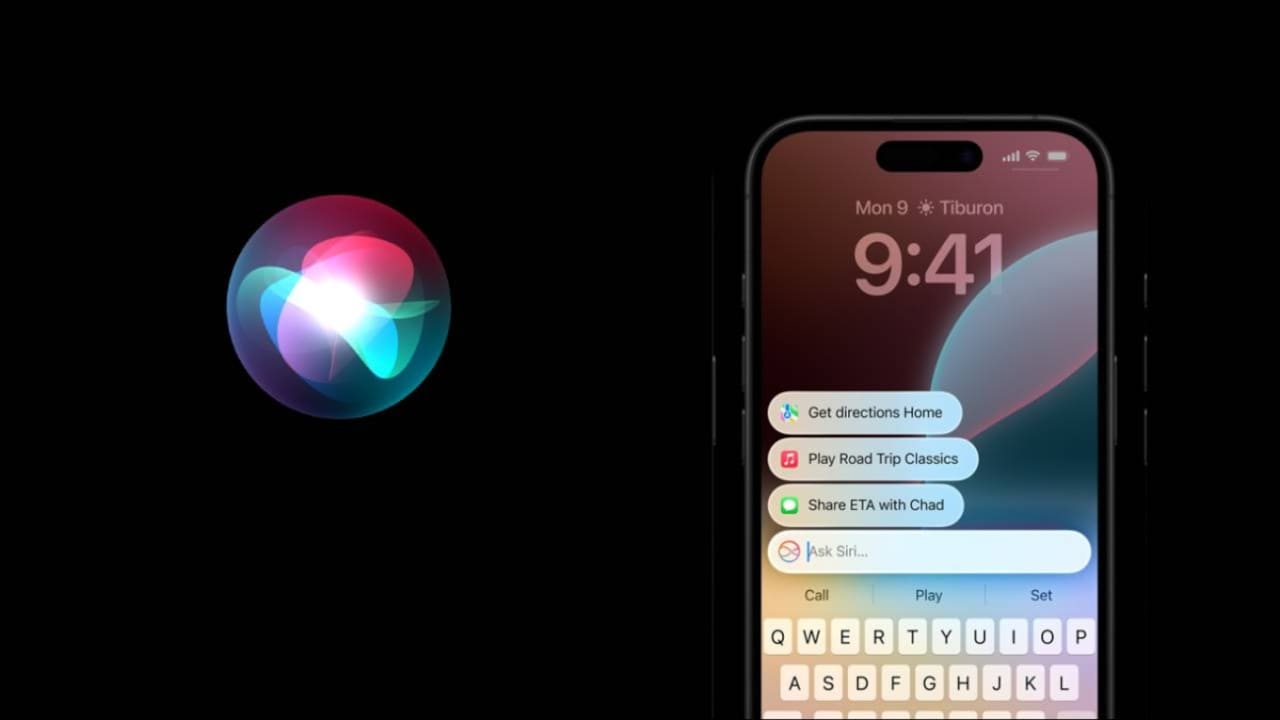
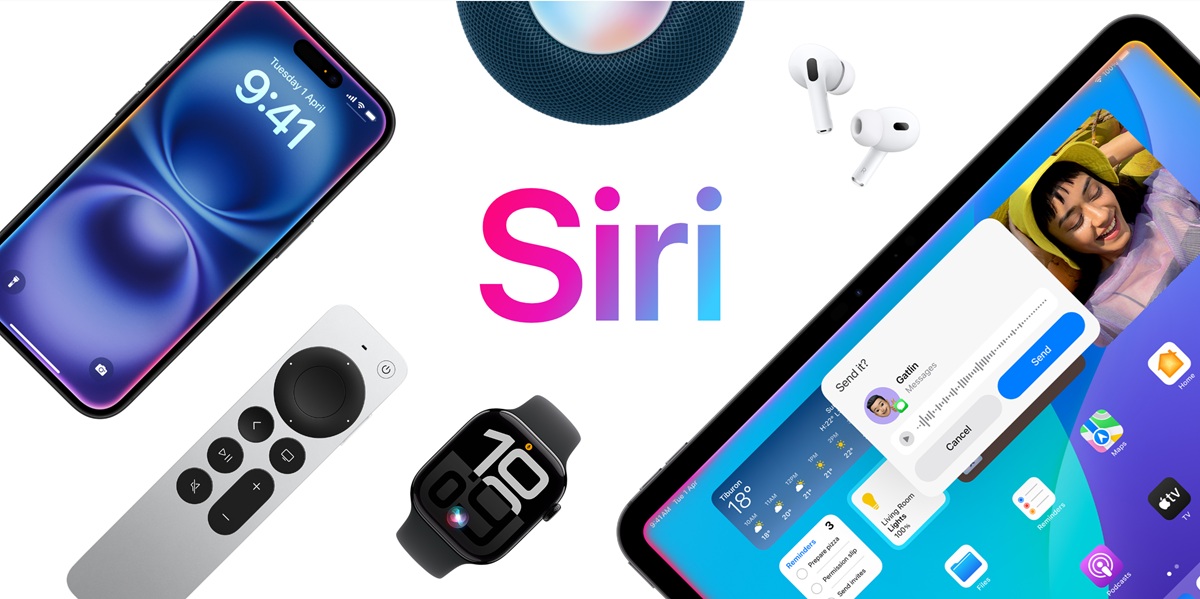
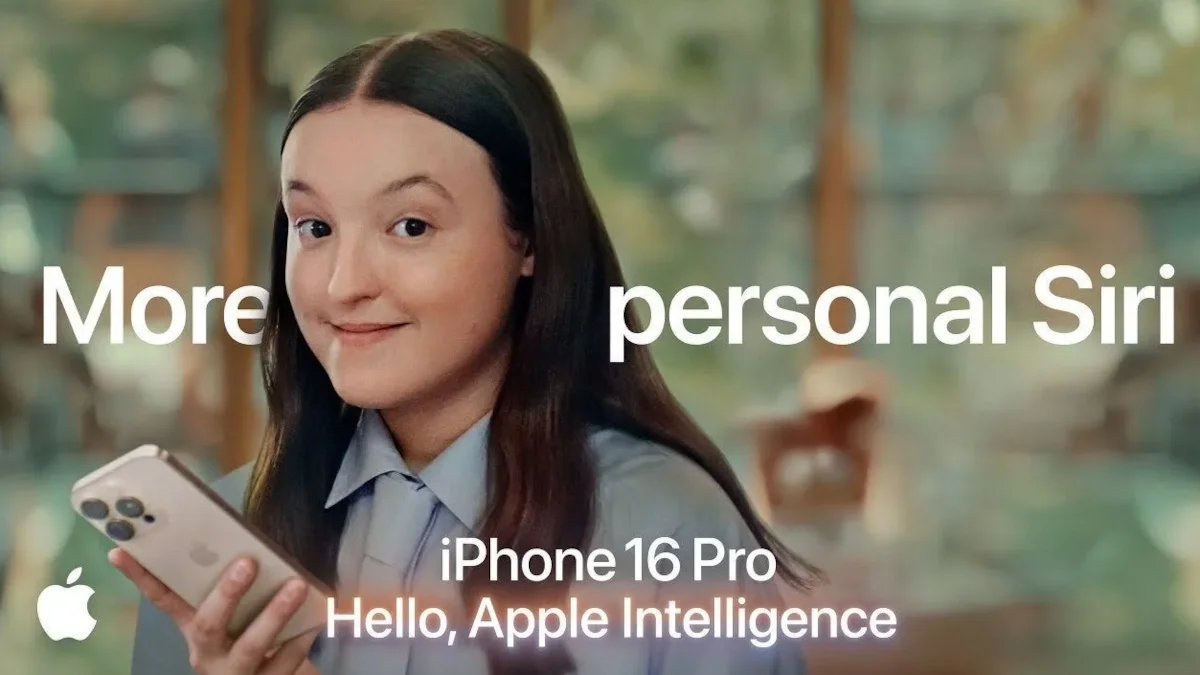
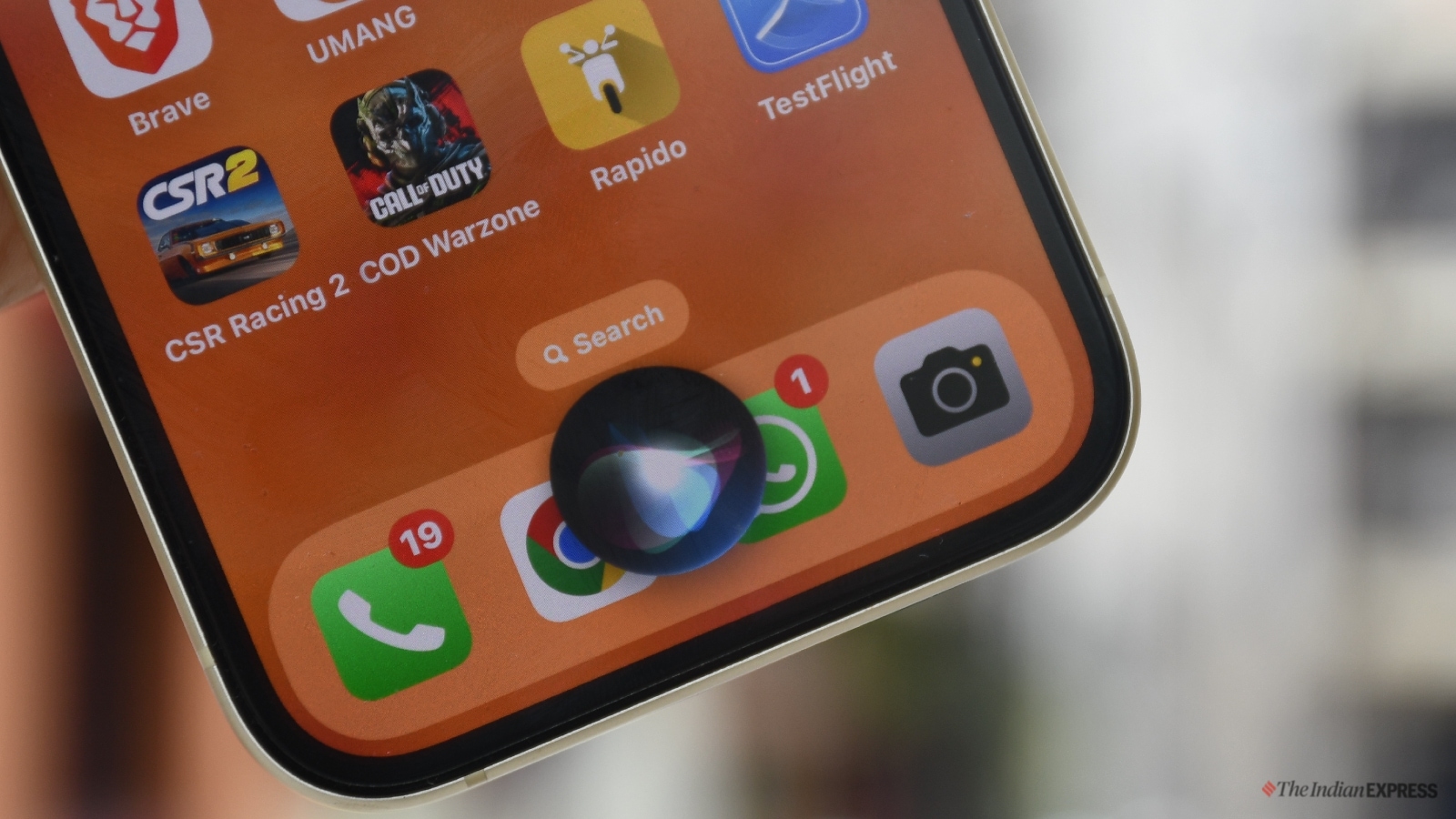
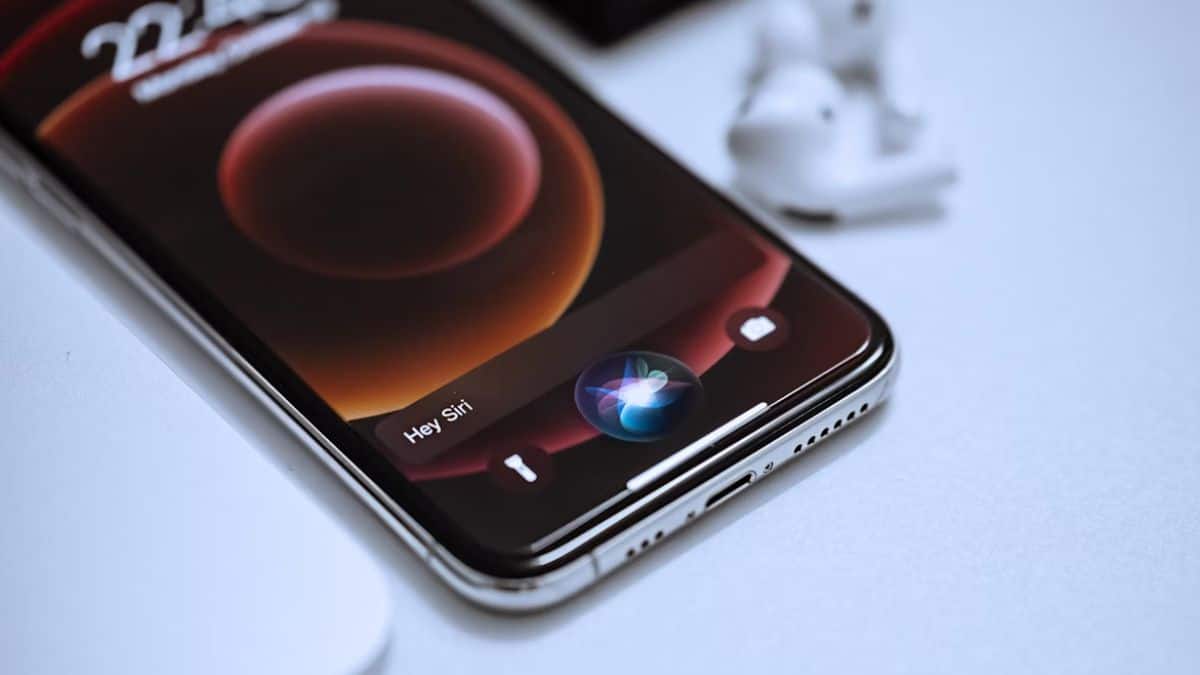
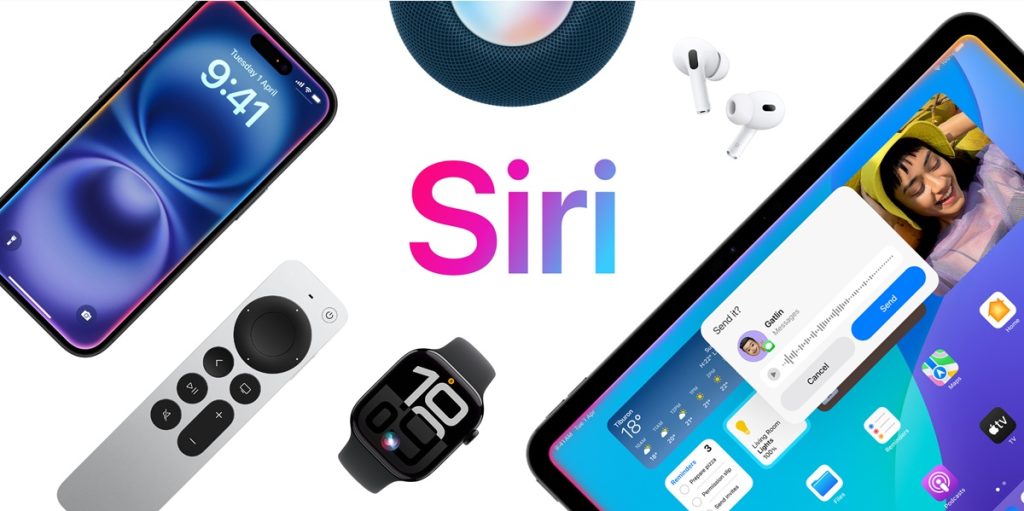
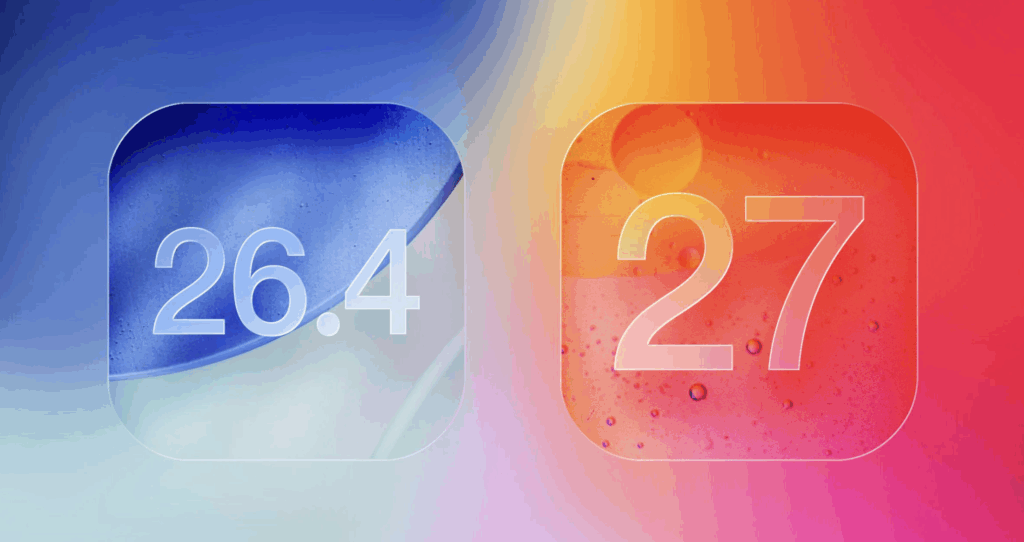
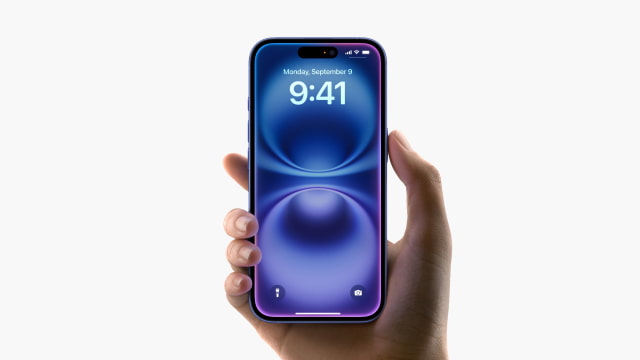
Apple's highly publicized Siri overhaul is facing critical delays extending through September 2026, creating a significant competitive vacuum in voice-activated shopping and personal assistant technology. According to Bloomberg's Mark Gurman, testing revealed that Apple's AI processes queries incorrectly and exhibits slow response times—fundamental failures that forced the company to abandon its promised iOS 26.4 launch and stagger features across iOS 26.4 (March 2026), iOS 26.5 (May 2026), and iOS 27 (September 2026). The most advanced features, including personal data mining and contextual question answering ("What was that Greek restaurant Larry told me to try?"), will be delayed beyond iOS 26.4 and relegated to experimental beta toggles.
This represents a critical market opportunity for e-commerce sellers and AI tool developers. Apple's $1 billion annual Google AI licensing deal failed to deliver production-ready voice commerce capabilities, signaling that voice shopping—a $15-20B projected market by 2026—remains largely unserved by major platforms. For sellers, this creates three immediate automation opportunities: (1) Voice-activated product discovery through third-party platforms like Alexa Skills, Google Actions, and emerging voice commerce startups can now capture Apple users frustrated by Siri's delays; (2) AI-powered customer service automation using ChatGPT, Claude, or specialized e-commerce AI tools can handle voice queries that Siri cannot, reducing support costs by 30-40% while improving response accuracy; (3) Predictive inventory and pricing optimization using AI analysis of voice search patterns can reveal emerging product trends 4-6 weeks before traditional search data surfaces them.
The competitive intelligence angle is equally significant. Apple's public failure to deliver AI features damages consumer trust in voice shopping broadly, creating a 12-18 month window where sellers adopting voice commerce solutions early gain disproportionate competitive advantage. Sellers who implement voice-activated storefronts on Alexa or Google Assistant before iOS 27 launch (September 2026) will capture market share from Apple users seeking functional alternatives. Additionally, Apple's reliance on Google's AI model—despite paying $1B annually—demonstrates that licensing external AI is insufficient for competitive differentiation, suggesting sellers should invest in proprietary AI tools rather than relying on platform-provided features. The staggered rollout also indicates Apple will deprioritize App Intents voice controls, meaning third-party voice commerce integrations will remain the primary voice shopping channel for iOS users through 2026-2027.
问题 7
What AI automation tools should sellers implement immediately to capitalize on this opportunity?
Sellers should immediately implement three AI automation solutions: (1) **Alexa Skills development** using Amazon's Alexa Skills Kit to enable voice product discovery and purchasing—this captures iOS users seeking functional alternatives and reduces customer service costs by 30-40%; (2) **AI chatbot platforms** like ChatGPT, Claude, or specialized e-commerce tools (Gorgias, Zendesk) to handle voice-to-text customer queries with 85-95% accuracy, compared to Siri's documented processing errors; (3) **Predictive inventory AI** using tools like Keepa or Helium 10 to analyze voice search patterns and identify trending products 4-6 weeks before traditional search data surfaces them. ROI on voice commerce implementation averages 200-300% within 6 months for sellers in electronics, home goods, and consumer packaged goods categories.
Why does Apple's $1 billion Google AI licensing deal fail to deliver voice commerce features?
Apple's $1B annual Google AI licensing demonstrates that external AI models alone cannot deliver production-ready voice commerce without significant proprietary engineering. Google's AI model processes queries incorrectly and exhibits slow response times in Apple's implementation, indicating integration challenges and insufficient customization for Apple's ecosystem. This signals to sellers that relying on platform-provided AI features (like Siri) is risky; instead, sellers should invest in proprietary AI tools or third-party platforms with proven voice commerce capabilities. The failure also suggests Apple will deprioritize voice controls for App Intents, meaning third-party voice commerce integrations will remain the primary voice shopping channel for iOS users through 2026-2027.