



Bangladesh Election 2025 | Supply Chain Stabilization & Emerging Market Opportunities for Apparel Sellers
- Political transition creates supply chain predictability for 175M-person market; Gen Z unemployment signals emerging consumer demand for affordable fashion and employment-linked products


















)










概览
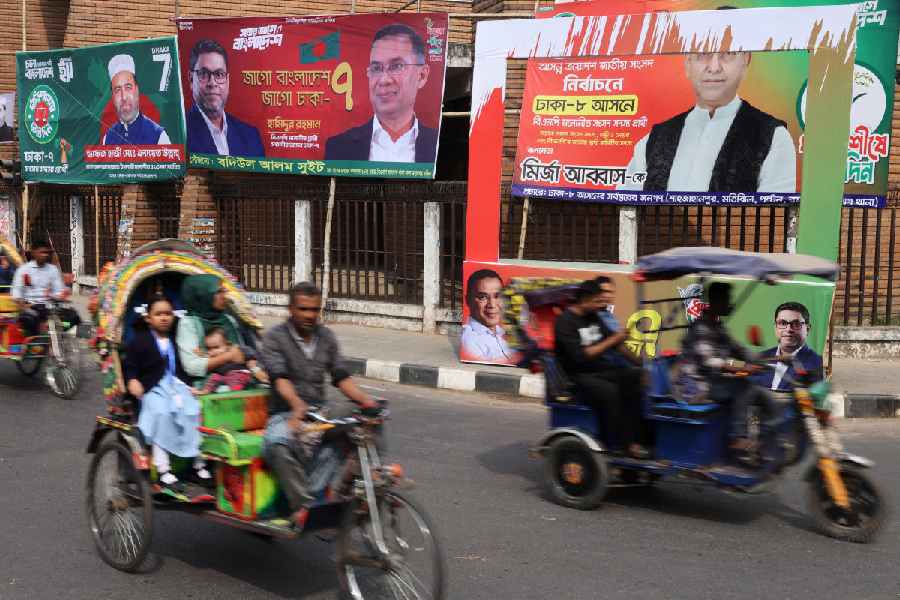
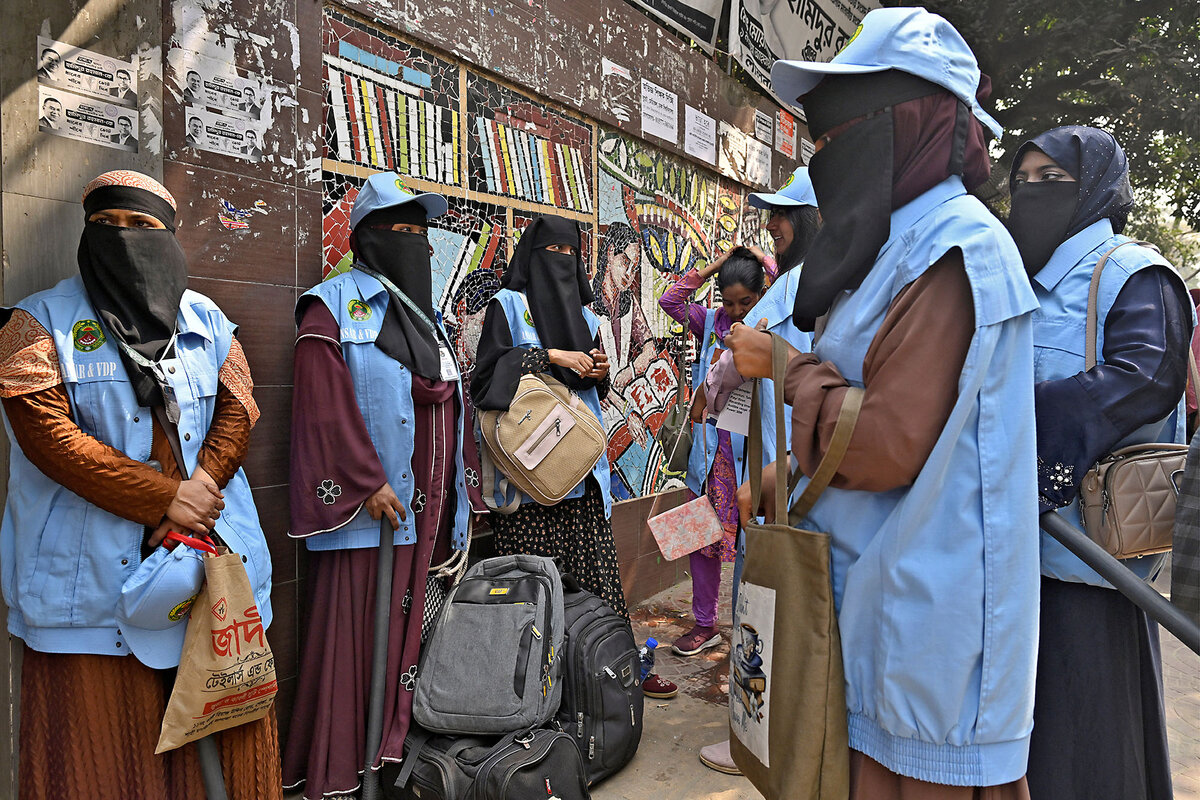
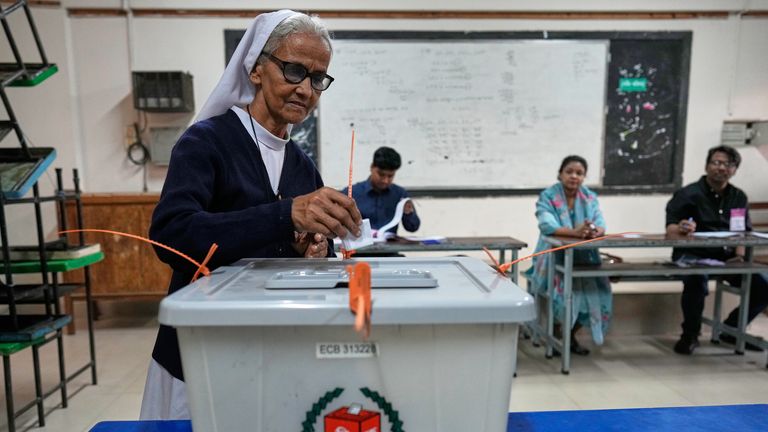
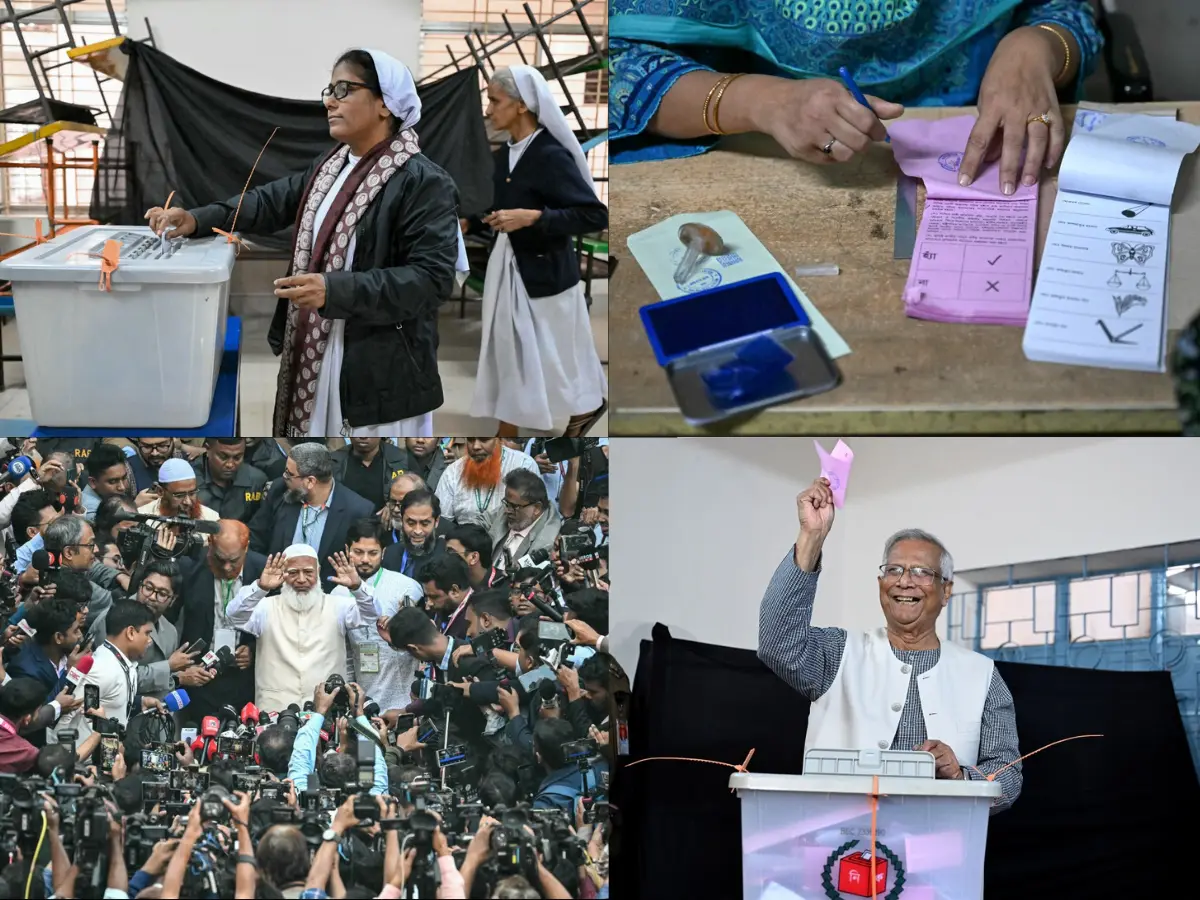
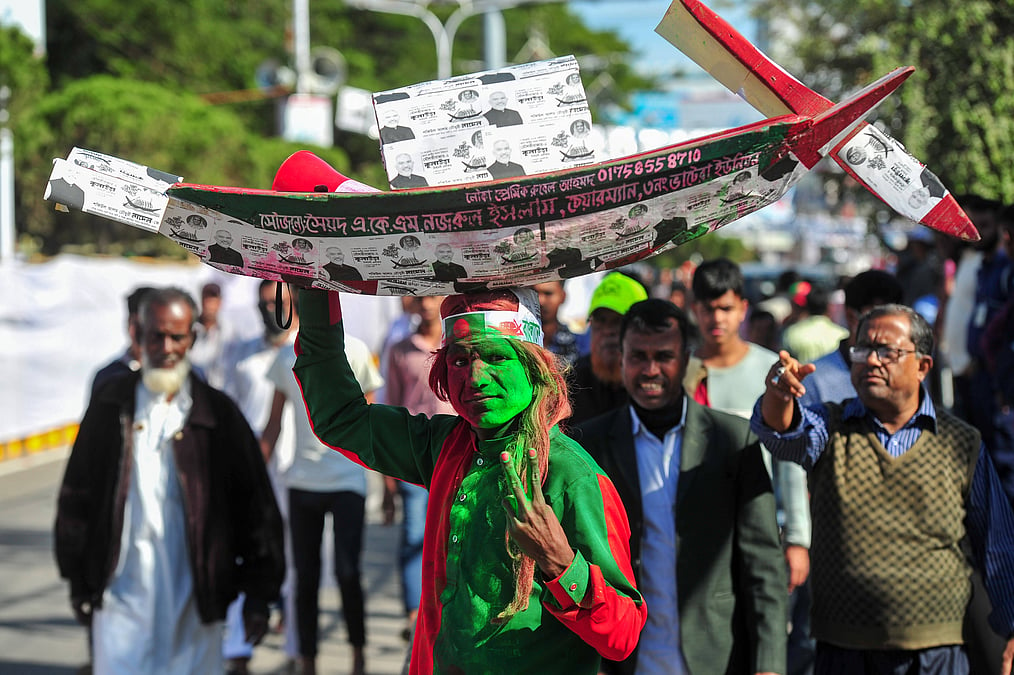
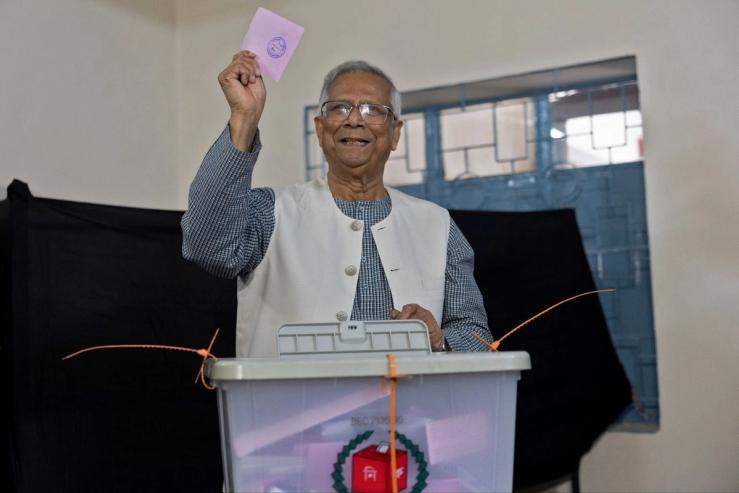
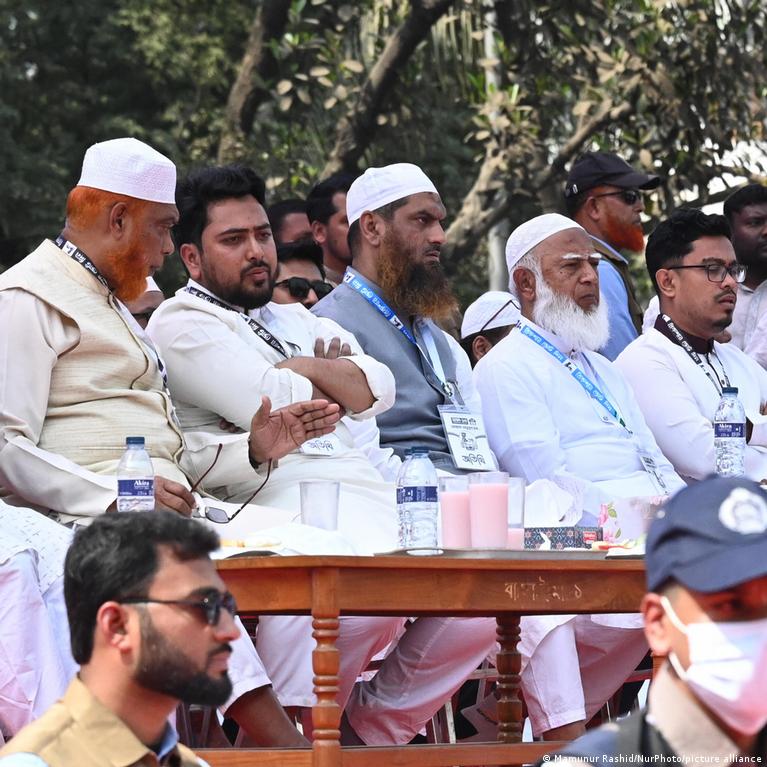
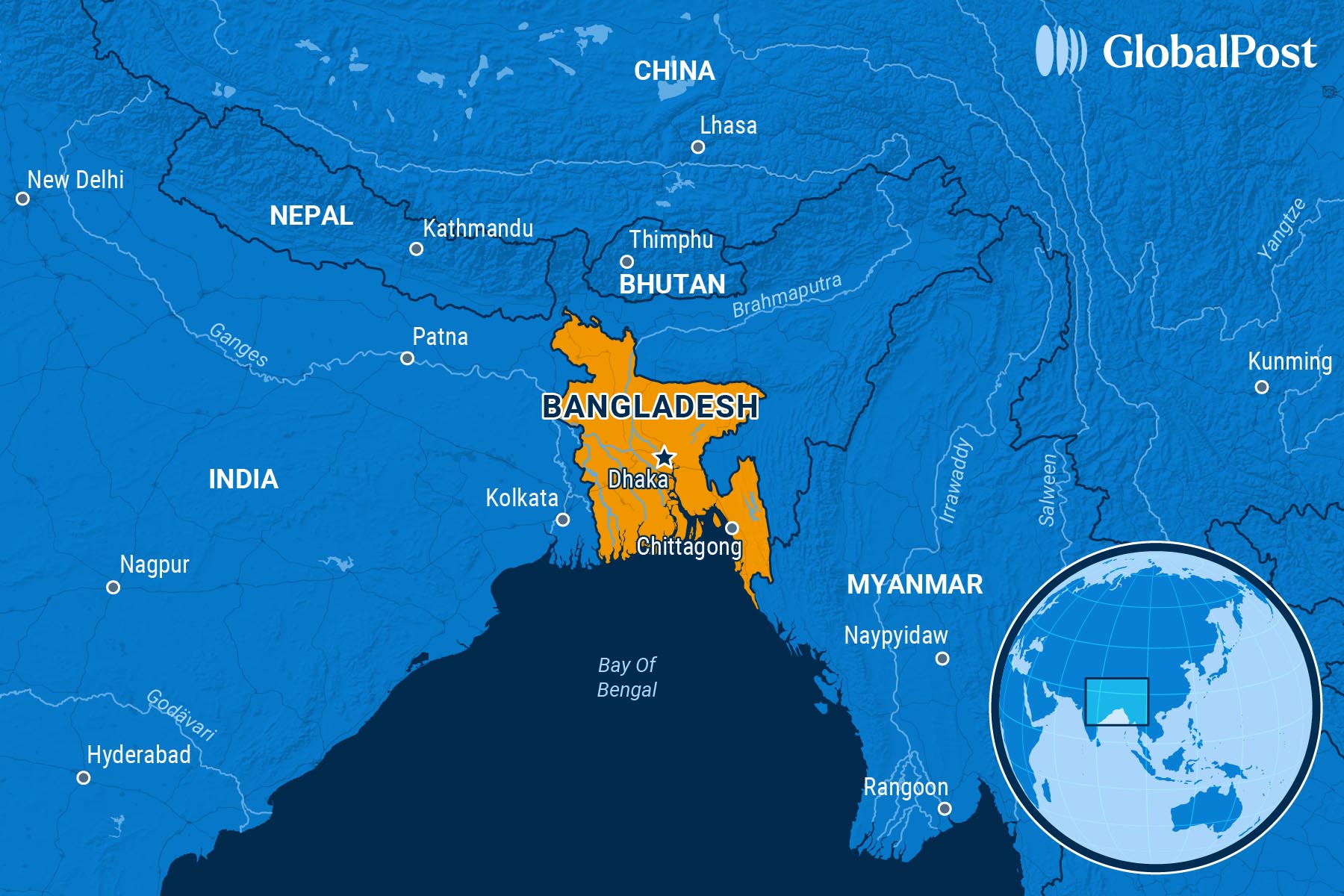
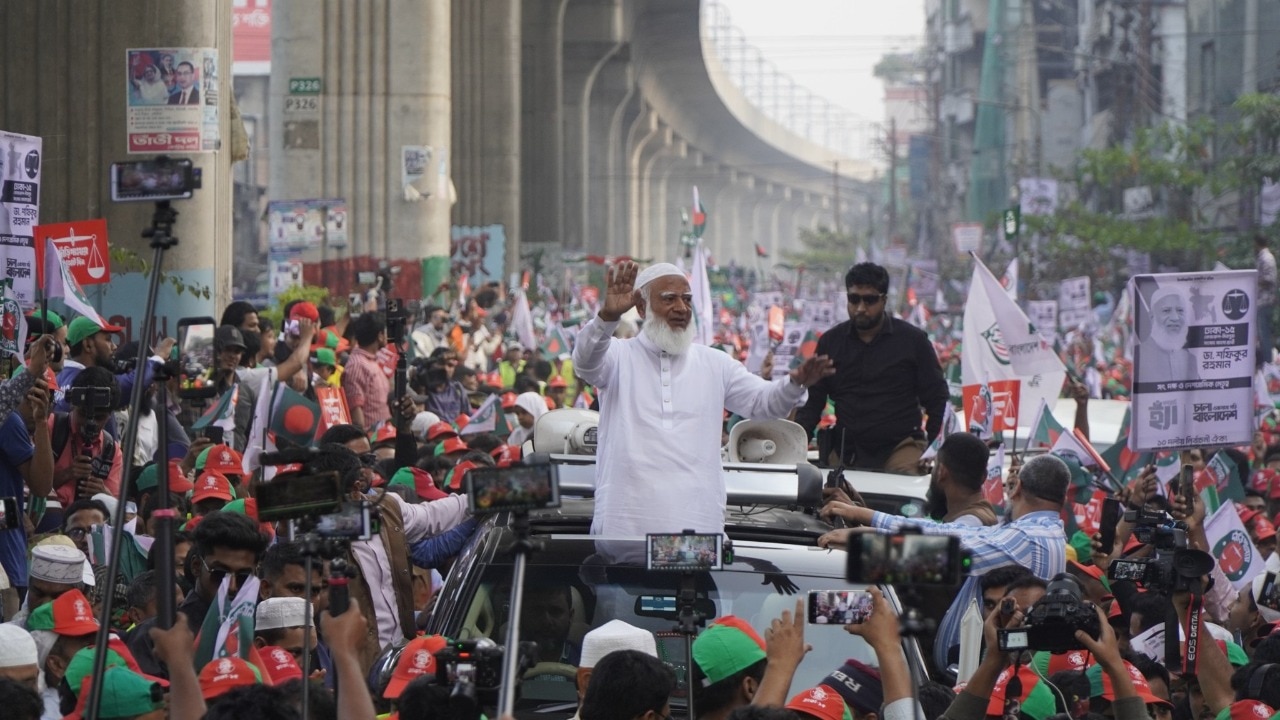
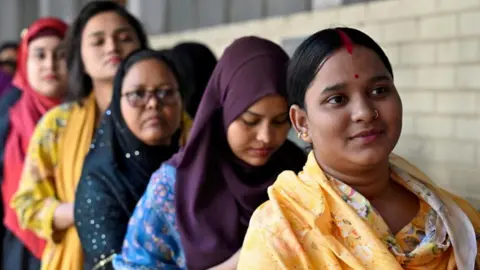
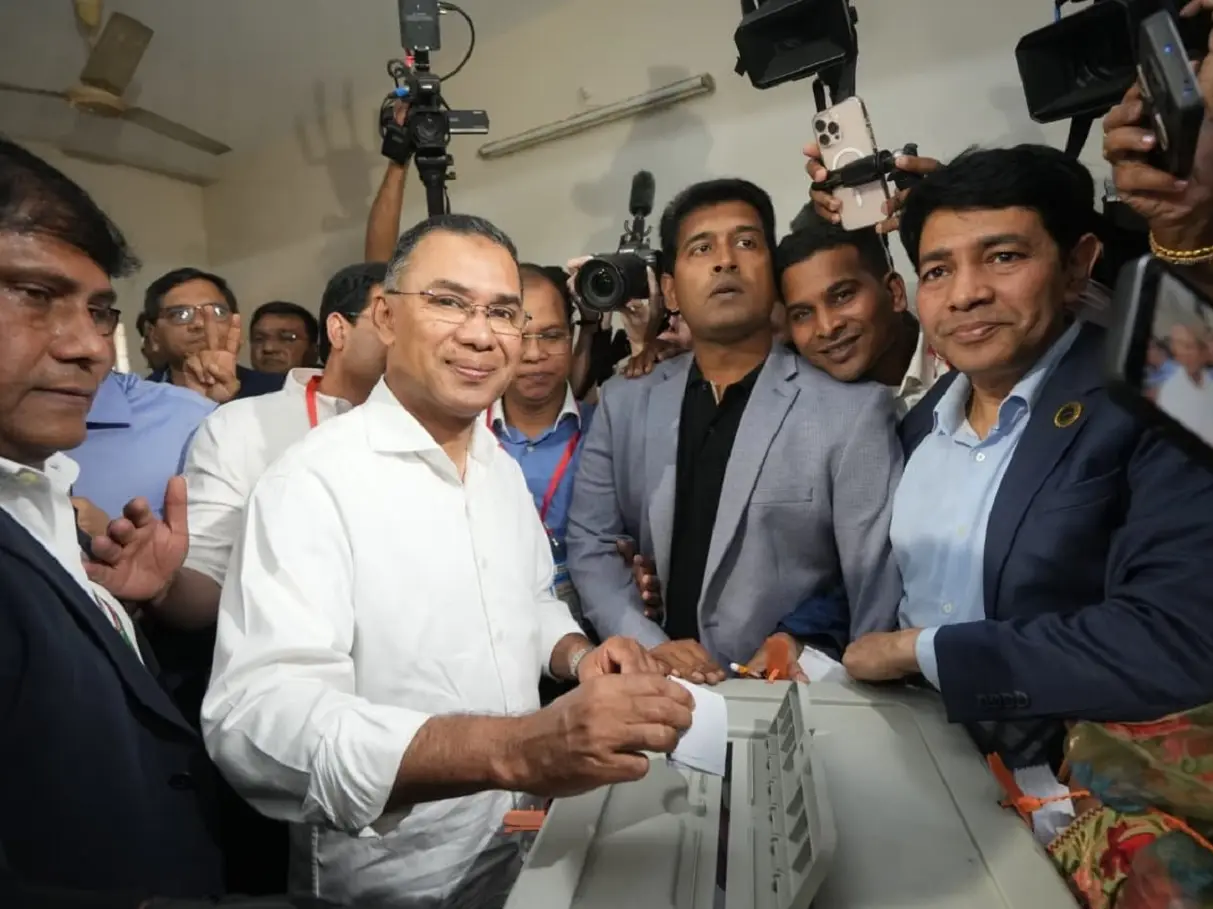
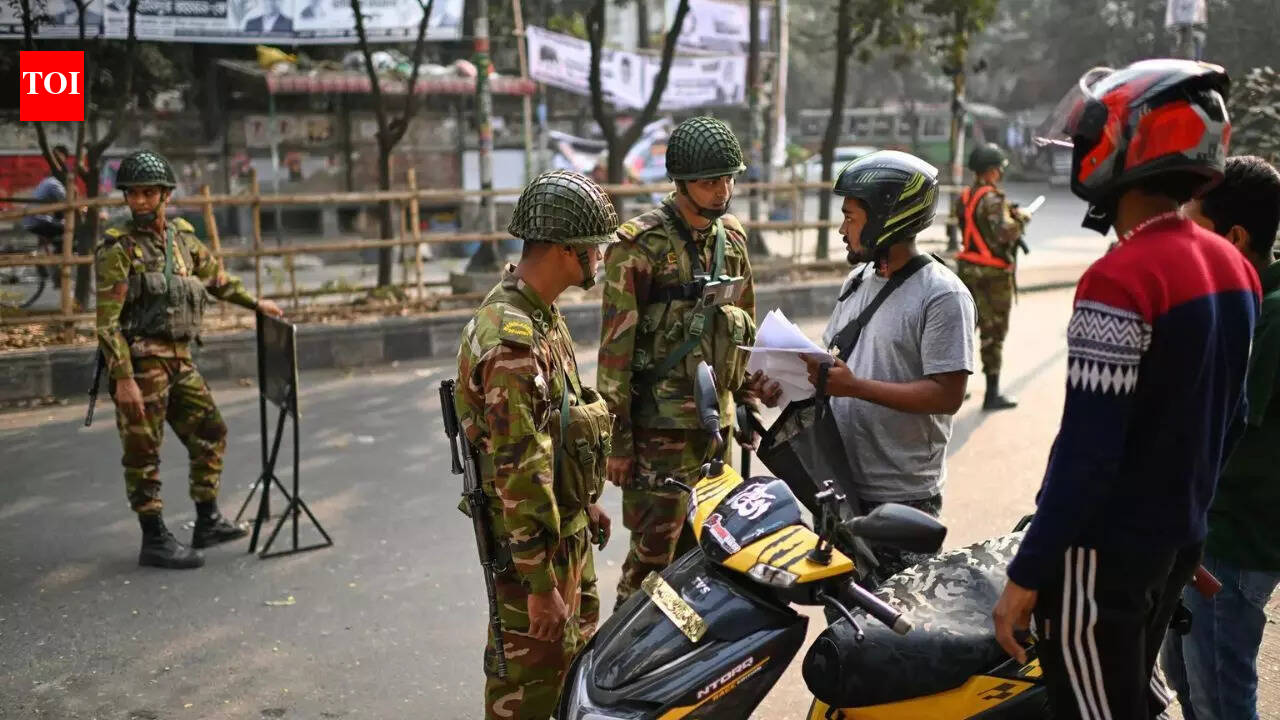
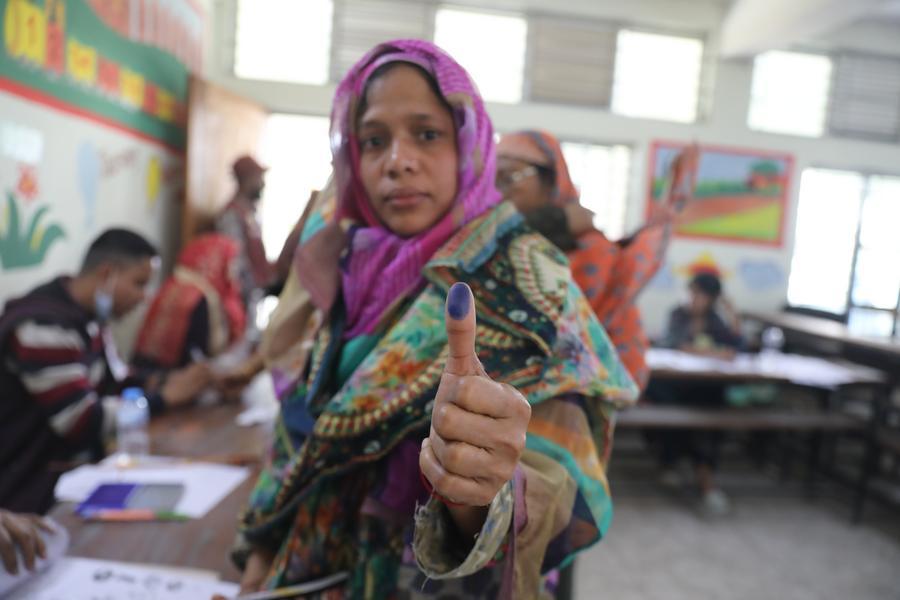
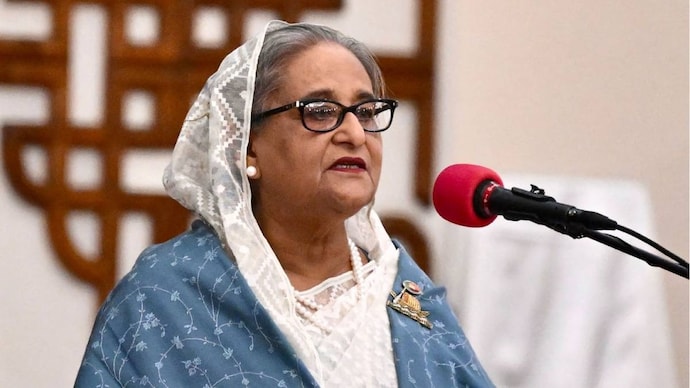
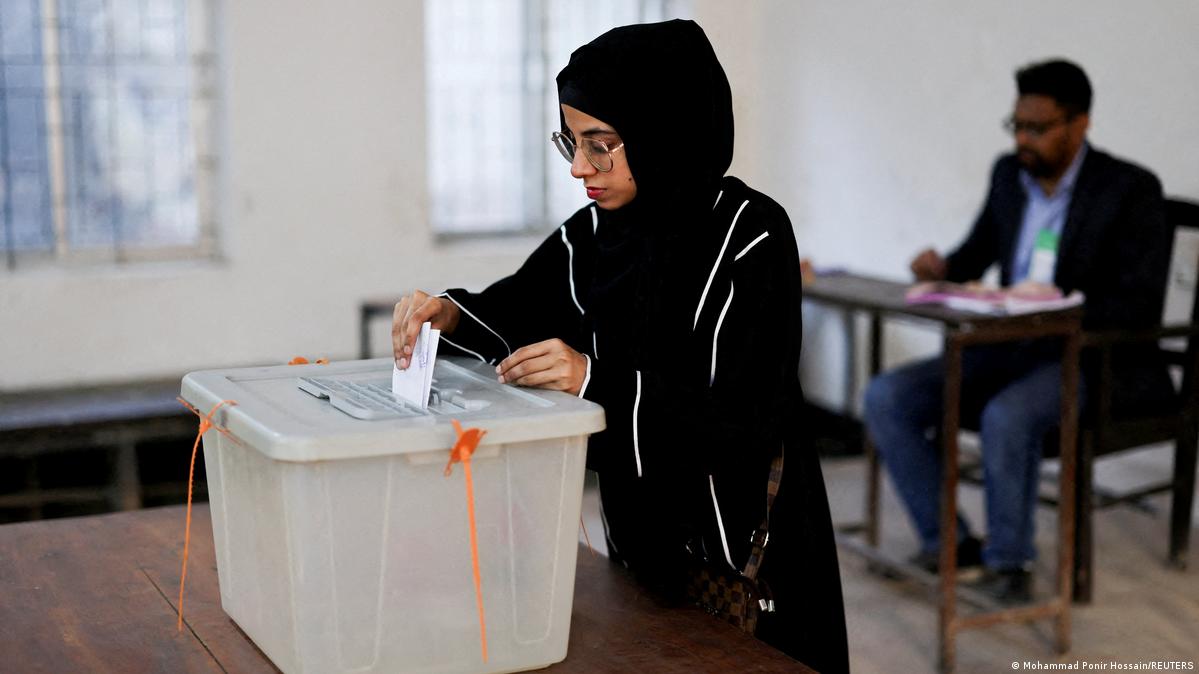
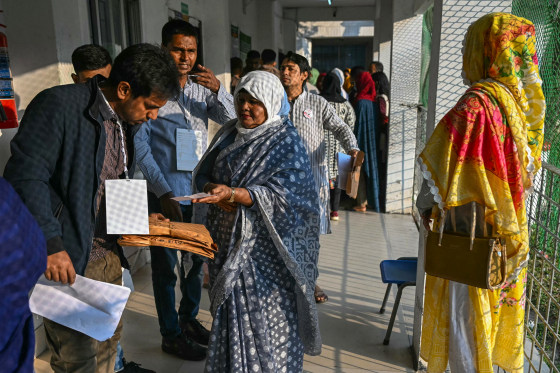
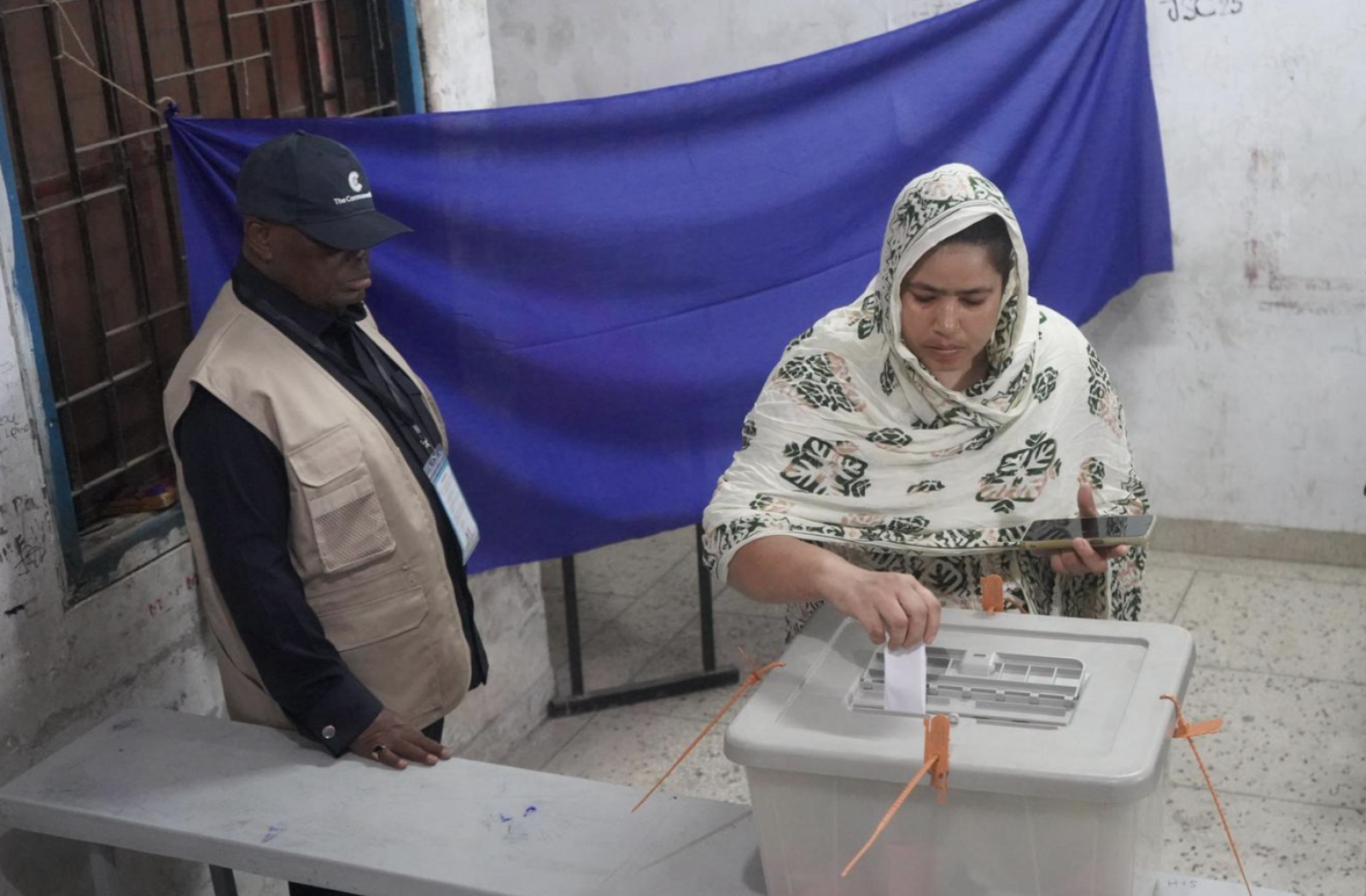
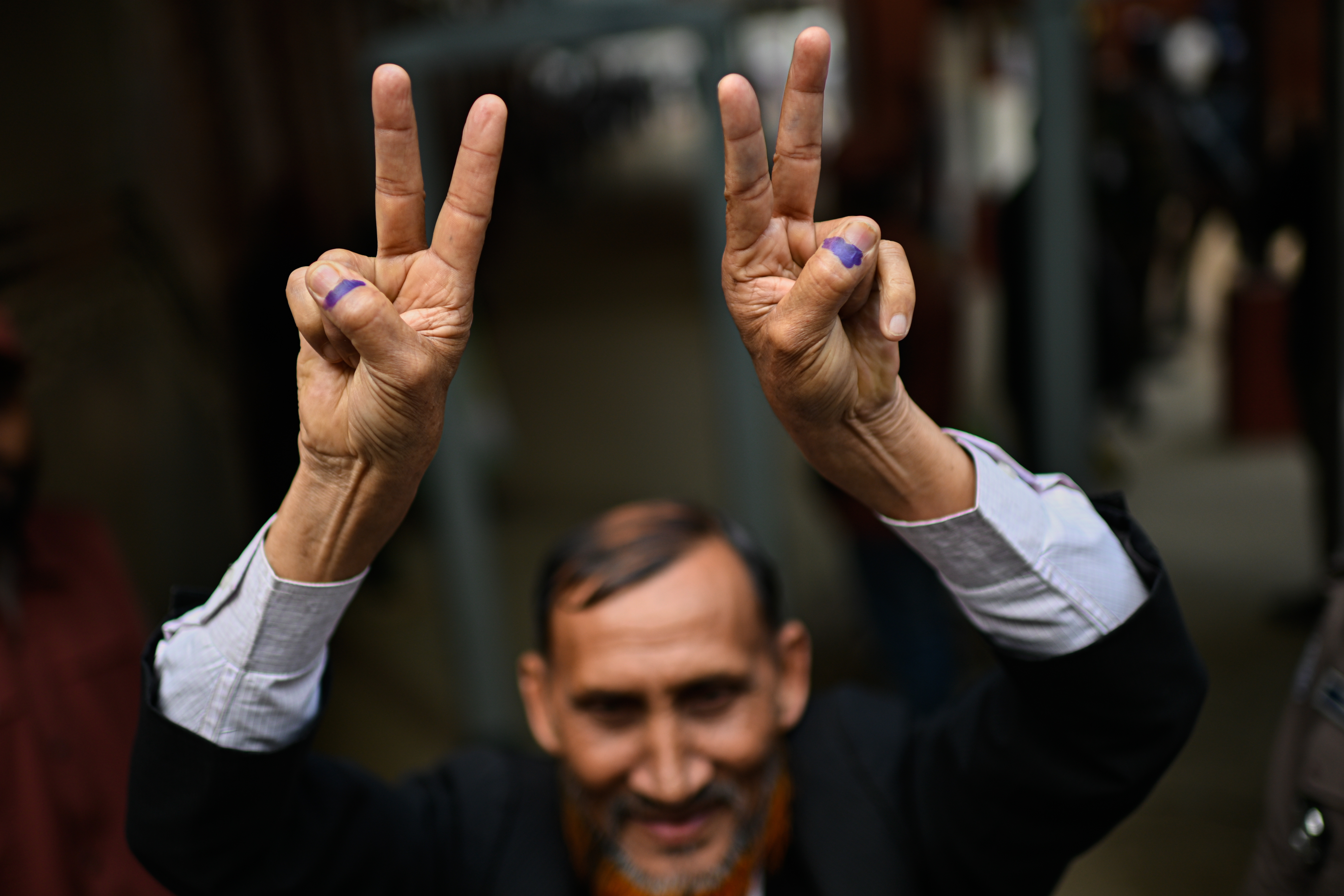
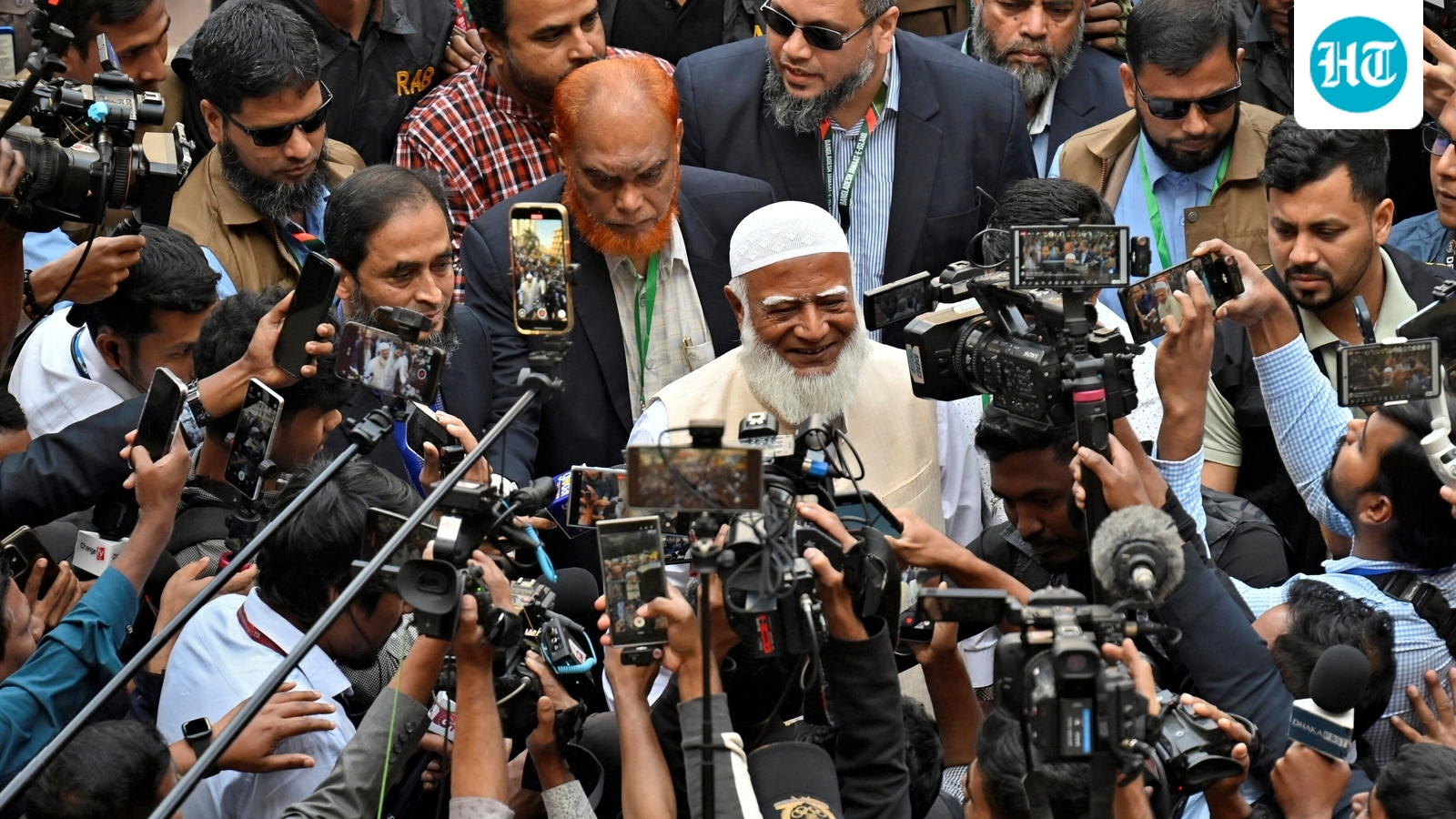
Bangladesh's January 7, 2025 parliamentary election marks a critical inflection point for cross-border e-commerce sellers, particularly those sourcing apparel and textiles from this major manufacturing hub. The election—the first since student-led protests ousted Prime Minister Sheikh Hasina in August 2024—proceeded peacefully with 48% voter turnout across 299 constituencies, with nearly 1 million police and soldiers deployed to maintain order. The interim government under Muhammad Yunus, alongside constitutional reforms via the July Charter, signals a shift toward institutional stability and rule of law. For sellers, this political stabilization directly impacts Bangladesh's apparel and textile export sector, which represents a significant portion of global garment manufacturing. The country's manufacturing capacity has historically faced disruption during political instability; the new government's focus on constitutional reform and systemic governance improvements suggests reduced operational risk for sellers relying on Bangladesh-based suppliers and manufacturers.
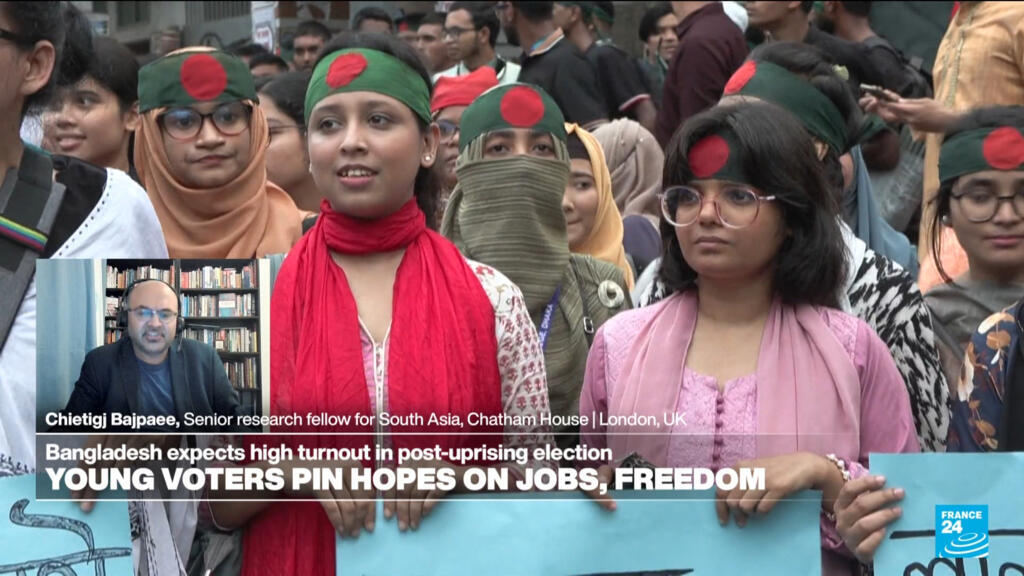
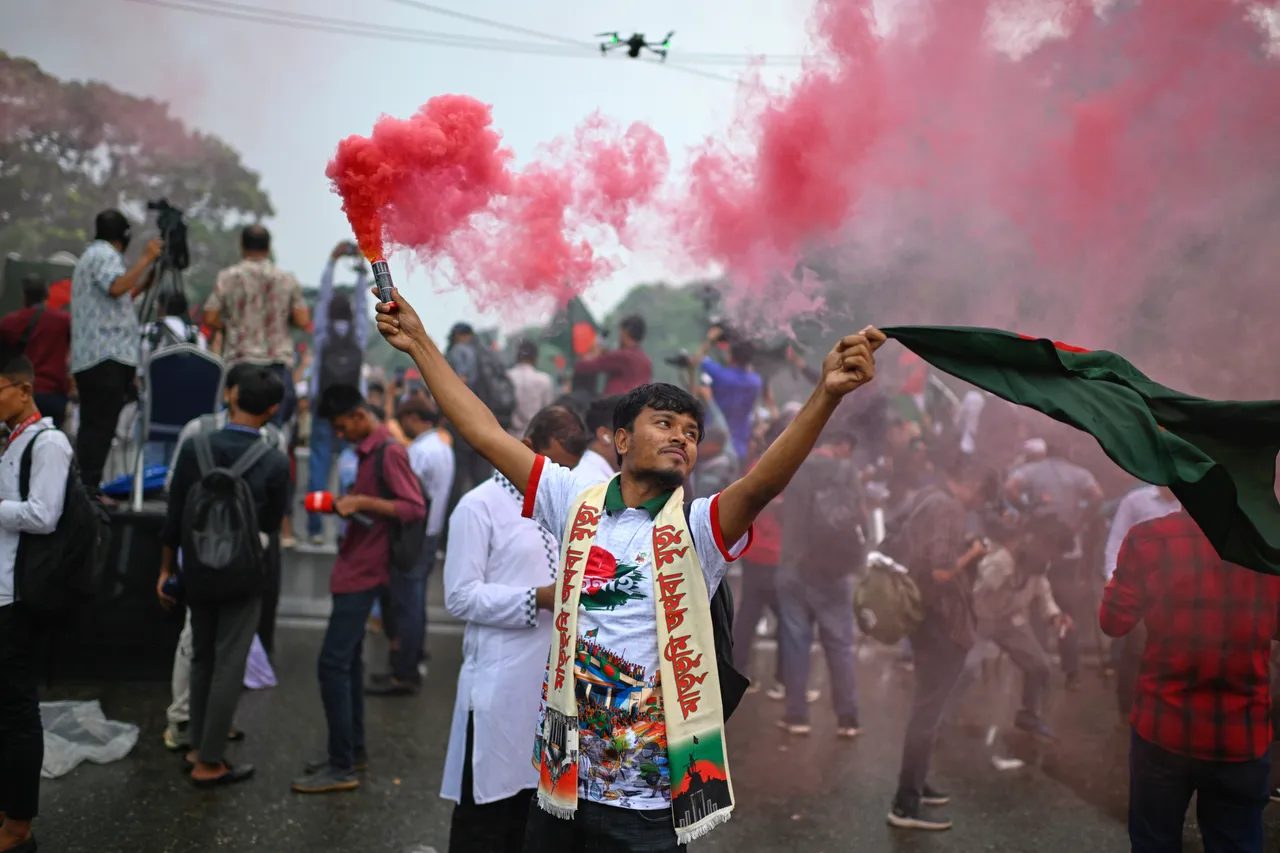
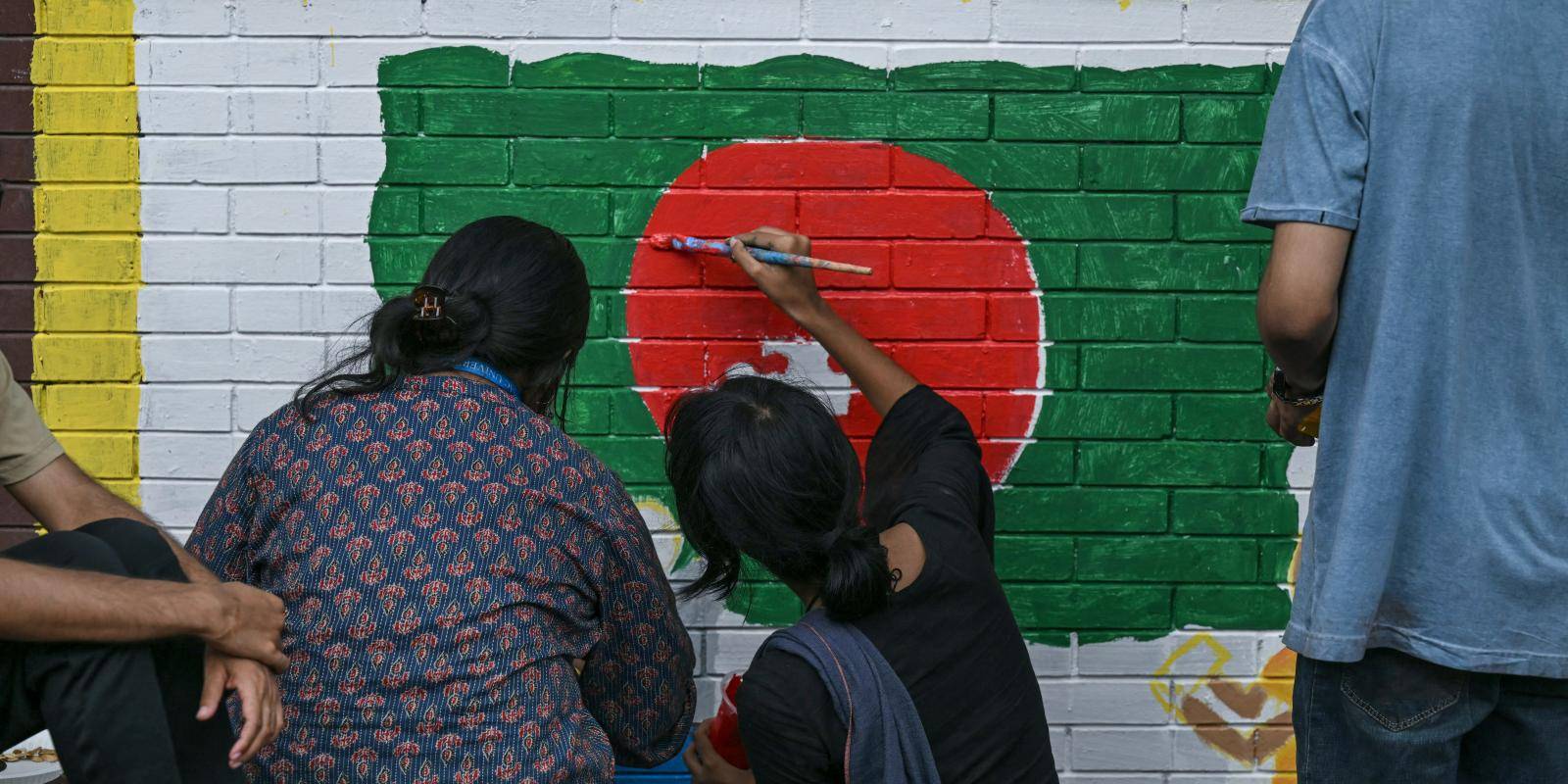
However, the election reveals a critical counterpoint: Bangladesh's Generation Z, despite successfully catalyzing political change, faces persistent unemployment and underemployment. News reports document that young Bangladeshis who led the 2024 uprising—which resulted in approximately 1,400 deaths according to UN figures—now struggle to secure basic employment. The median age in Bangladesh is 25, creating a demographic bulge of 175 million people with limited job opportunities. This employment crisis presents a dual opportunity for cross-border sellers: (1) Supply-side stabilization: Political stability reduces manufacturing disruptions, improving fulfillment reliability for apparel sellers sourcing from Bangladesh; (2) Demand-side opportunity: The young, digitally-native population facing economic pressure represents an emerging consumer base for affordable fashion, value-oriented apparel, and employment-linked products (professional clothing, interview attire, skill-building resources). Sellers can capitalize on Bangladesh's transition by diversifying sourcing strategies while simultaneously targeting this underserved youth demographic through platforms like Amazon, Shopify, and regional marketplaces.
The constitutional reforms proposed through the July Charter—designed to prevent authoritarian rule and establish accountability mechanisms—suggest potential regulatory changes affecting business operations and trade policies in coming months. Sellers should monitor announcements regarding customs procedures, trade agreements (particularly with India, where anti-Indian sentiment has risen among Bangladeshi youth), and labor regulations. The interim government's emphasis on education system improvements and economic opportunity creation indicates potential policy shifts toward manufacturing incentives and export facilitation. For sellers with Bangladesh-based supply chains, the stabilization window (next 6-12 months) presents an opportunity to lock in supplier relationships, negotiate long-term contracts, and establish redundancy in manufacturing partnerships before potential regulatory changes materialize.
问题 8
What supply chain risks remain despite Bangladesh's political stabilization?
While political stabilization reduces governance risk, operational challenges persist: (1) Infrastructure limitations—Bangladesh's logistics networks require investment; (2) Skills gaps—manufacturing quality consistency varies; (3) Regional tensions—anti-Indian sentiment may affect trade routes; (4) Regulatory uncertainty—constitutional reforms may introduce compliance costs; (5) Labor market volatility—youth unemployment may affect manufacturing workforce stability. Implement risk mitigation: diversify suppliers, establish quality control protocols, develop alternative logistics routes, maintain compliance flexibility, and monitor labor market developments. The stabilization window is temporary; use it to strengthen supply chain resilience rather than increase dependency.
How can sellers target Bangladesh's youth market while sourcing from the country?
Bangladesh's Gen Z represents a dual opportunity: as a manufacturing source and as an emerging consumer market. The median age of 25 and unemployment crisis create demand for affordable fashion and value products. Develop sourcing partnerships with Bangladesh manufacturers while simultaneously launching targeted e-commerce campaigns for this demographic. Use Amazon, Shopify, and regional platforms to reach price-sensitive youth consumers. Emphasize affordability, quality, and employment-linked products (professional clothing for job interviews). Monitor local payment systems and logistics infrastructure; Bangladesh's digital payment adoption is growing, enabling direct-to-consumer sales opportunities.