



Global Markets Hit Records on Strong Jobs Data | Cross-Border Seller Financing & FX Opportunities
- Record market highs across EU, Asia, US signal consumer spending surge; sellers can capitalize on improved financing access and favorable currency positioning for Q1-Q2 2026
















概览
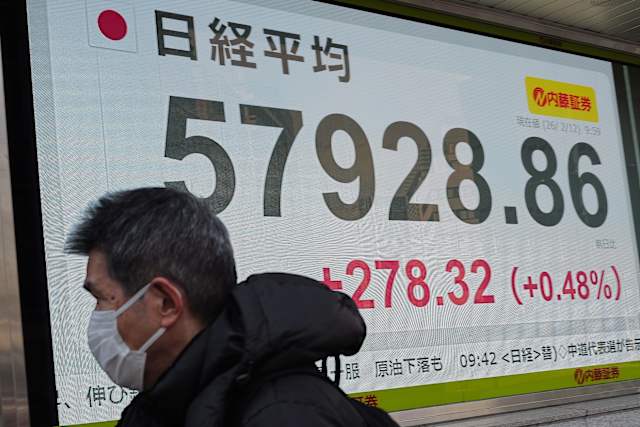
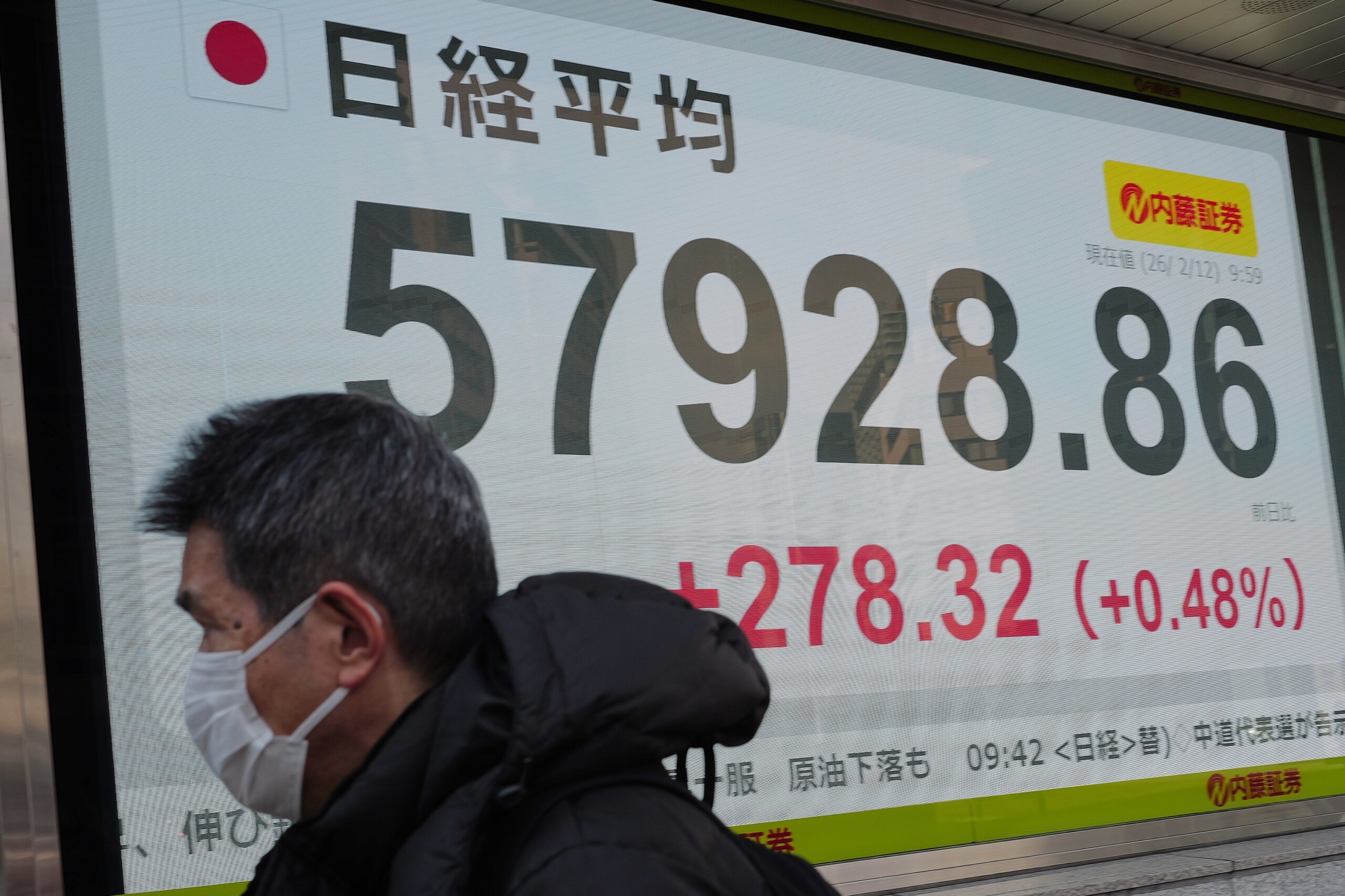
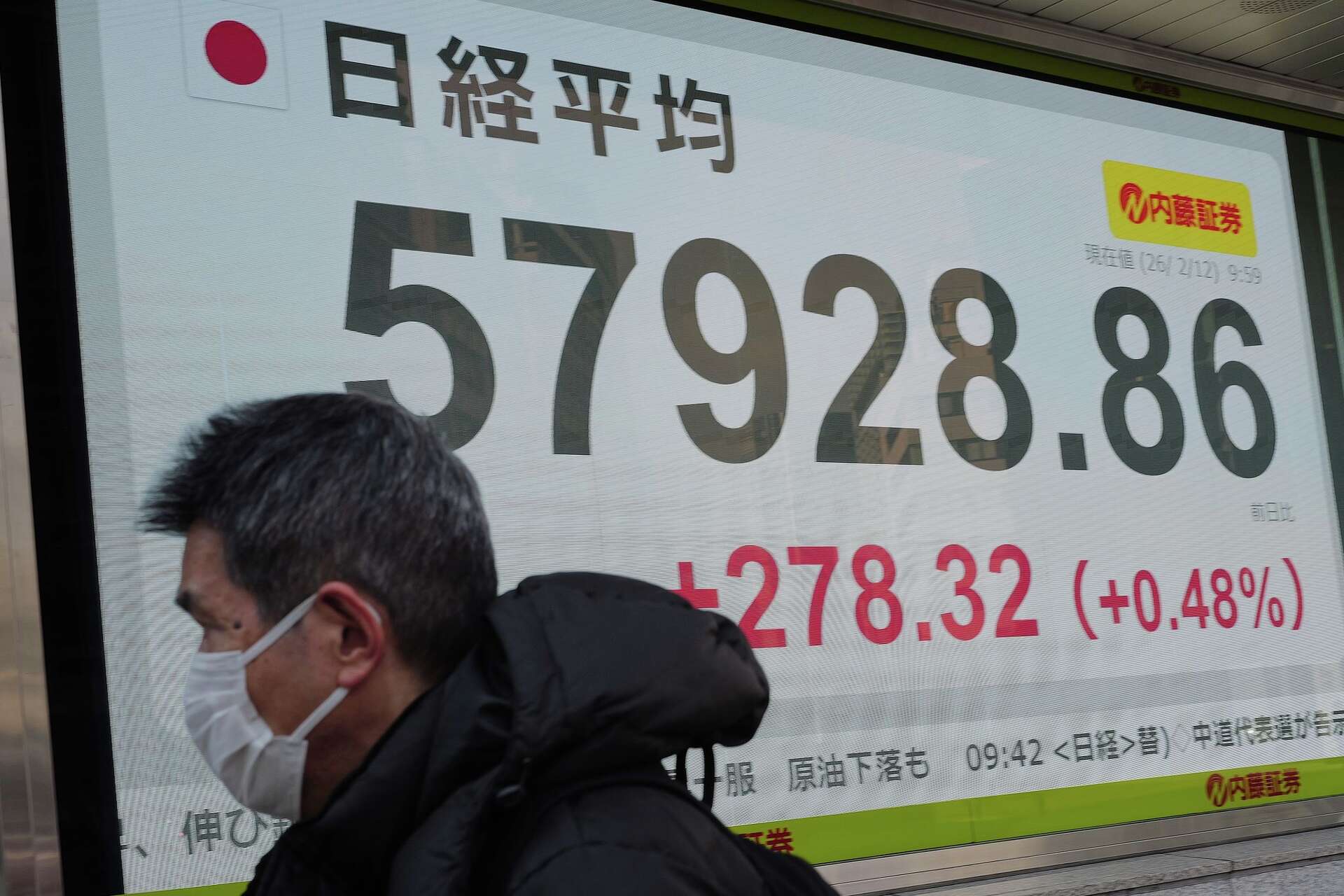
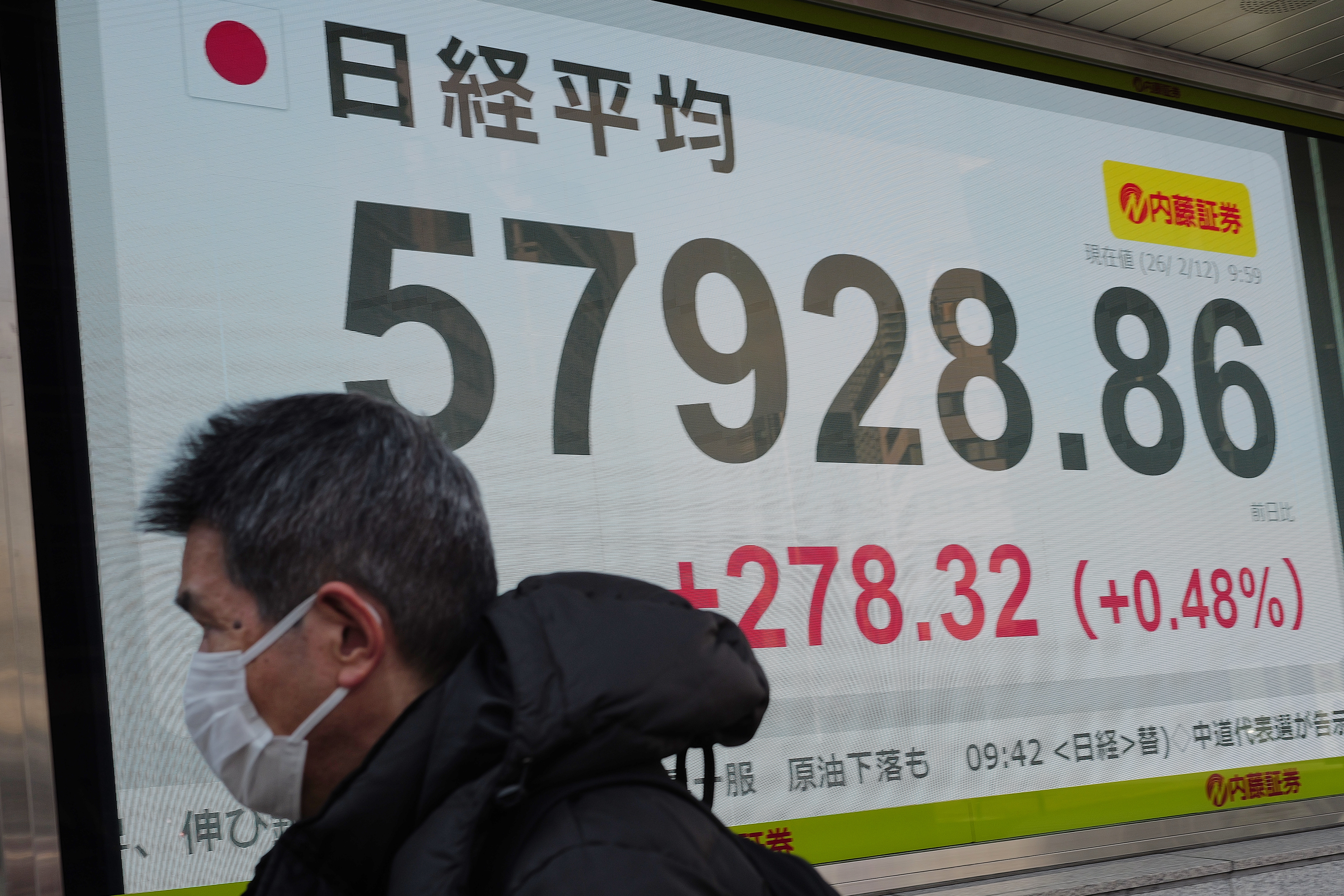
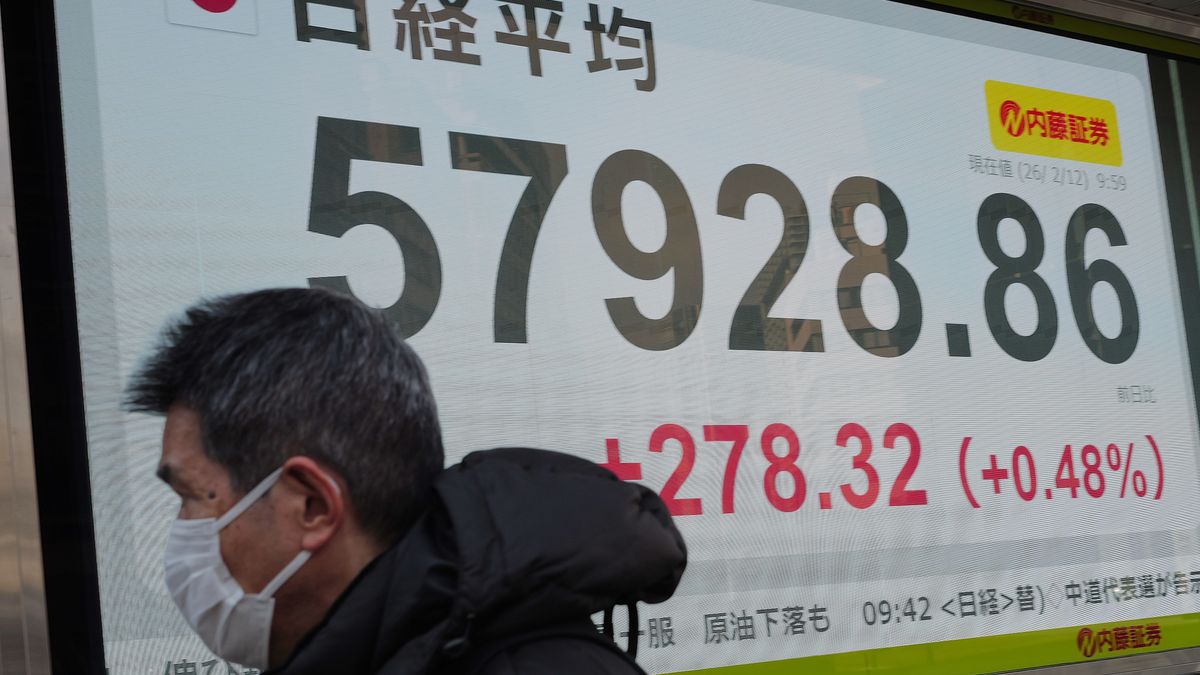
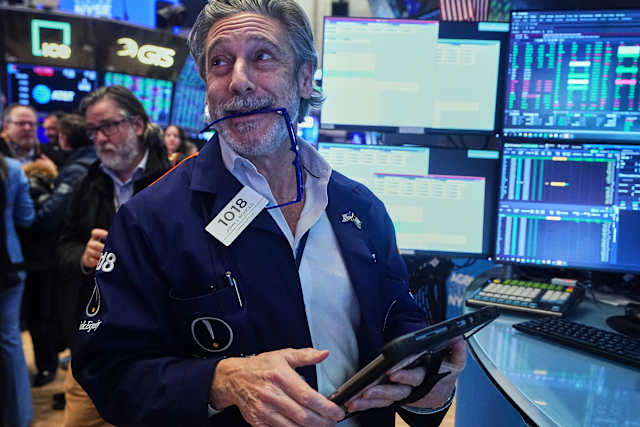
Global equity markets reached record highs on February 12, 2026, driven by strong employment data and corporate earnings momentum, creating a critical window for cross-border e-commerce sellers to optimize working capital and currency positioning. The news reports record performances across major indexes: European markets (CAC 40, FTSE 100, Stoxx Europe 600) hit new intraday highs, South Korea's Kospi jumped 3% following Samsung's advanced memory chip shipments, and Japan's Topix reached record levels. While US markets showed mixed performance (S&P 500 down 1.57%, Nasdaq down 2.03%), the broader pattern signals strong consumer confidence and business investment—directly translating to increased purchasing power for cross-border e-commerce demand.
From a financial optimization perspective, this market environment unlocks three immediate opportunities for sellers: First, improved trade financing access: Rising equity markets and strong employment data reduce lender risk perception, making invoice financing, purchase order financing, and supply chain finance products more accessible at lower APR rates (typically 4-8% vs. 8-12% in risk-off periods). Sellers with 6-12 months of transaction history can now access $50K-$500K+ working capital lines at competitive rates from fintech lenders (Clearco, Fundbox, Stripe Capital) and traditional banks expanding e-commerce lending. Second, currency arbitrage and hedging opportunities: The divergence between US market weakness (Nasdaq -2.03%) and European/Asian strength (Kospi +3%, European records) creates favorable FX positioning. EUR/USD and GBP/USD pairs are strengthening relative to USD, benefiting sellers with USD costs and EUR/GBP revenue. Sellers should lock in forward contracts now for Q2-Q3 shipments to capture 2-4% FX gains. Third, payment optimization by corridor: Strong Asian markets (Samsung, Shiseido gains) signal robust demand from Asia-Pacific buyers. Sellers shipping to South Korea, Japan, and Singapore should prioritize local payment methods (Alipay, WeChat Pay, local bank transfers) which offer 1.5-2.5% fee savings vs. international card networks, plus faster settlement (2-3 days vs. 5-7 days).
Cash conversion cycle improvements are substantial in this environment. Employment strength indicates consumer confidence and reduced payment defaults. Sellers can negotiate extended payment terms with suppliers (45-60 days vs. 30 days) while maintaining 7-14 day customer payment windows through early payment discounts. This unlocks 30-45 additional days of working capital—equivalent to $100K-$300K for mid-sized sellers ($2-5M annual revenue). Additionally, inventory financing becomes more attractive: lenders now offer 60-90 day inventory loans at 5-7% APR (vs. 10-12% in slower markets), allowing sellers to increase stock ahead of Q2 peak season without straining cash reserves. For sellers with 500+ SKUs, this represents $50K-$200K in freed-up working capital.
问题 8
How do record global markets improve financing access for cross-border sellers?
Rising equity markets and strong employment data reduce lender risk perception, making working capital financing 2-4% cheaper. Invoice factoring rates drop from 8-12% APR to 4-8% APR, and purchase order financing becomes available at lower rates. Sellers with 6+ months transaction history can now access $50K-$500K+ lines from fintech lenders (Clearco, Fundbox, Stripe Capital) and traditional banks. This is particularly valuable for sellers preparing for Q2-Q3 peak season, as improved financing allows inventory expansion without cash strain. Lock in these rates now before market conditions shift.
What FX opportunities exist from the divergence between US and Asian market performance?
The Nasdaq's 2.03% decline vs. Kospi's 3% jump and European record highs creates favorable currency positioning. EUR/USD and GBP/USD pairs are strengthening relative to USD, benefiting sellers with USD costs and EUR/GBP revenue. Sellers should lock in forward contracts now for Q2-Q3 shipments to capture 2-4% FX gains. For example, a seller with $100K in EUR revenue can gain $2K-$4K by hedging at current rates. Asian sellers shipping to US markets should consider delaying USD conversions 30-45 days to benefit from potential USD weakness.