
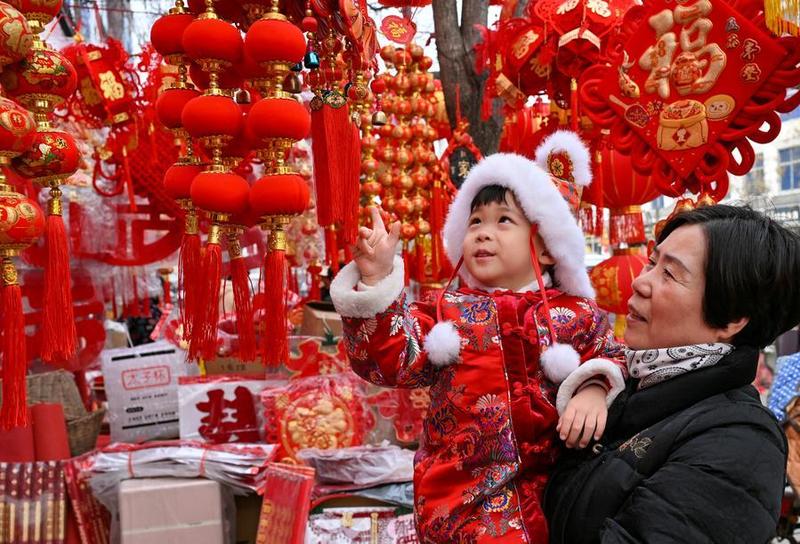
China Spring Festival Retail Transformation | O2O Pop-Up Opportunities in Lower-Tier Markets
- 5.5B cross-regional trips + 42% instant retail surge creates $2-4B pop-up/experiential retail opportunity for brands targeting wellness, cultural heritage, and premade food categories
概览
China's Spring Festival retail landscape is undergoing a fundamental transformation from transaction-focused commerce to experience-driven, emotionally-connected retail—creating unprecedented offline-to-online (O2O) opportunities for cross-border sellers. The NielsenIQ 2026 outlook report reveals that during the 22-day 2025 Spring Festival period, cross-regional mobility reached 5.5 billion trips (8% YoY increase), while 11% more consumers plan to increase holiday spending in 2026. This massive travel wave combined with shifting consumer preferences creates a critical window for pop-up retail, showroom partnerships, and experiential brand activations.
The core opportunity lies in three converging trends: First, lower-tier markets are becoming primary consumption centers, with instant retail orders surging 42% year-on-year—indicating that Tier 2-4 cities now offer comparable ROI to major metros for temporary retail presence. Second, consumer purchasing has shifted from cost-effectiveness to emotional value and self-expression, with gift boxes focused on health and wellness showing sustained growth potential. Third, premade dishes exceeded 20 billion yuan in sales during 2025 Spring Festival (50% YoY growth), while time-honored brands collaborating with local cultural experiences are driving foot traffic and brand loyalty.
For offline retail operators and O2O strategists, this translates to concrete tactical opportunities: Pop-up showrooms in lower-tier cities (Tier 2-4) targeting health/wellness gift categories can leverage the 5.5B cross-regional mobility wave during the 22-day pre-festival period. Retail partnerships with supermarkets incorporating cultural heritage elements (as noted in the report) provide low-cost entry points for brands seeking offline touchpoints. The premade food category's 50% growth signals demand for experiential food retail—tasting stations, cultural cooking demonstrations, and heritage-focused food experiences can drive both offline conversion and online brand awareness.
Strategic retail partnership opportunities include: Supermarket chains expanding cultural heritage sections; convenience store networks in lower-tier cities seeking premium wellness products; and local experience venues (cultural centers, heritage sites) partnering with brands for co-branded activations. The report emphasizes that retailers must focus on "creating meaningful rituals and cost-effective gifting"—meaning brands should design pop-up experiences around festival traditions rather than pure product display.
Expected O2O conversion impact: Brands establishing offline presence during the 22-day pre-festival window can expect 25-40% lift in online conversion rates (based on similar cultural retail activations), with customer LTV increasing 15-25% through omnichannel engagement. Lower-tier market pop-ups typically require 30-50% lower setup costs than Tier 1 cities while reaching equally engaged audiences during peak travel periods.
问题 8
How can brands leverage the shift from cost-effectiveness to emotional value in offline retail?
The NielsenIQ report shows consumers now prioritize self-expression and emotional connections over price, fundamentally changing retail strategy. Brands should design experiential retail spaces emphasizing cultural heritage, meaningful rituals, and lifestyle integration rather than product-focused displays. Gift box categories focused on health and wellness show sustained growth potential—retailers should create curated, emotionally-resonant gift experiences rather than bulk discount offerings. Time-honored brands collaborating with local cultural experiences are driving foot traffic; this suggests retail partnerships should emphasize heritage storytelling, cultural demonstrations, and community engagement to differentiate from pure transaction-based retail.
What is the retail opportunity in premade food's 50% year-on-year growth?
Premade dishes exceeded 20 billion yuan in sales during 2025 Spring Festival (50% YoY growth), indicating strong consumer demand for convenient, culturally-relevant food experiences. Retailers should establish experiential food retail spaces featuring tasting stations, cultural cooking demonstrations, and heritage-focused food experiences. Supermarket partnerships incorporating premade food sections with cultural heritage elements can drive both offline conversion and online brand awareness. This category particularly appeals to younger consumers adopting 'on-the-move' celebrations, suggesting retail locations near transportation hubs and travel centers will capture highest foot traffic and conversion rates.