
2026 Consumer Trends | Wellness, Nostalgia & Sports Drive $50B+ E-Commerce Opportunity
- Self-preservation, escapism, and fandom reshape buyer psychology; sellers shifting from price competition to emotional value capture 154% spike in sports merchandise demand
概览
Major trend forecasting firms including Morgan Stanley, TikTok, Pinterest, WGSN, Euromonitor, Faire, and Stitch Fix have released 2026 consumer behavior predictions that fundamentally reshape e-commerce strategy. The convergence reveals three dominant themes: self-preservation (intentional spending on emotional value), escapism (nostalgia-driven purchasing), and fandom engagement (community-based identity expression). With only 16% of global consumers reporting happiness, demand for authentic comfort products is accelerating—creating a $50B+ market opportunity for sellers willing to pivot from price-based competition to meaning-based positioning.
The self-preservation impulse reflects a seismic shift in consumer psychology away from cost-focused purchasing. Euromonitor research shows two-thirds of consumers actively seek life simplification, driving 40-60% growth in natural ingredients, wellness-focused products, and ritualistic consumption (specialized shampoos, artisanal bread-making kits). TikTok's Next report indicates consumers now define "essentials" by joy and meaning rather than utility—creating premium positioning opportunities for sellers in beauty, home, and lifestyle categories. WGSN identifies "glimmers" (micro-moments of joy) as vital coping mechanisms, fueling explosive growth in treat culture, self-care bundles, and experience-based products. Sellers emphasizing emotional benefits and community connection over price competition can capture 15-25% margin premiums in these categories.
Escapism and nostalgia represent the second major opportunity vector, with 52% of Pinterest respondents actively rewatching classic content and 39% consuming traditional comfort foods. The viral "2026 is the new 2016" TikTok trend exemplifies backward-looking consumer behavior, creating demand for vintage-inspired products, retro fashion, and nostalgic food items. Sellers can develop limited-edition nostalgic product lines, collaborate with heritage brands, and create community experiences around shared cultural memories. This segment typically sustains 6-12 month sales cycles with 30-50% higher customer lifetime value than trend-chasing categories.
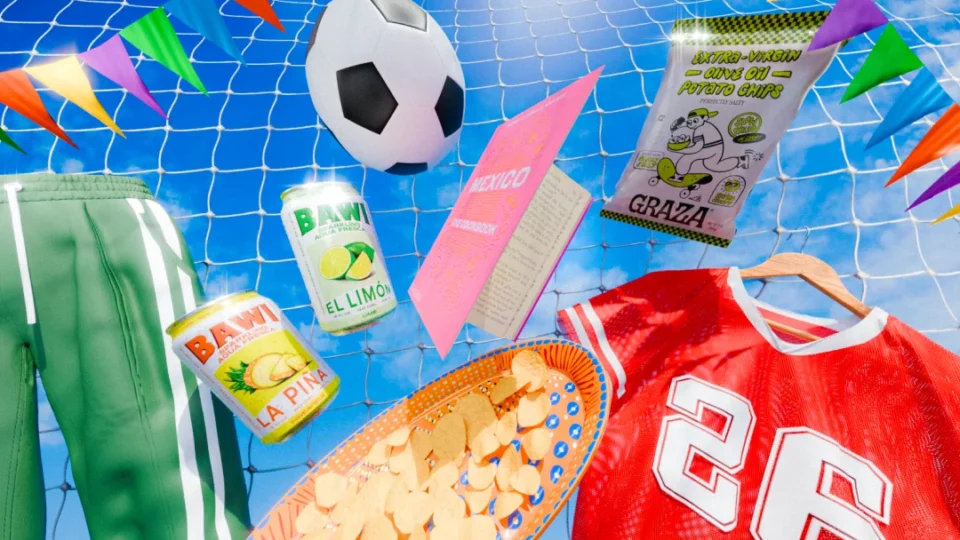
Fandom engagement emerges as the strongest engagement vector, with sports leading as the ultimate cultural channel. Faire reports a 94% increase in sports searches and 154% spike in medal-related products, while WGSN notes 17% of U.S. adults identify as die-hard sports fans, with 92% considering themselves fans of something. This indicates massive opportunity in sports merchandise, athlete collaborations, fan community platforms, and identity-based product lines. Sellers can leverage sports partnerships, create fan-exclusive products, and build brand communities providing belonging and identity expression—segments that generate 2-3x higher engagement rates and customer retention than generic product categories.
Immediate Actions (0-30 days): Audit current product listings for emotional benefit messaging; identify top 10-15 SKUs with highest community engagement potential; research sports partnerships and athlete collaboration opportunities in your category; map inventory to self-preservation, escapism, and fandom themes. Strategic Adjustments (1-6 months): Develop nostalgic product lines with 3-6 month lead times; establish brand community platforms (Discord, Facebook Groups) for fan engagement; allocate 20-30% of marketing budget to emotional storytelling and community-building content; test premium positioning on 5-10 SKUs with 15-20% price increases. Risk Mitigation: Monitor trend sustainability through Pinterest and TikTok engagement metrics; avoid over-investing in single fandom partnerships (diversify across 3-5 fan communities); track competitor response times to capitalize on first-mover advantages in emerging nostalgic categories.
问题 8
How can sellers build brand communities to drive fandom engagement?
Fandom represents the strongest engagement vector, with sports leading as the ultimate cultural channel. Sellers can establish brand community platforms (Discord, Facebook Groups, exclusive membership programs) that provide identity expression and belonging. Successful communities feature fan-exclusive products, athlete/creator collaborations, shared experiences, and identity-based content. These segments generate 2-3x higher engagement rates and customer retention compared to generic product categories. Start by identifying your most engaged customer segment (sports fans, nostalgia enthusiasts, wellness advocates) and create a dedicated community platform within 60 days, testing with 5-10 exclusive products or experiences.
What are the key metrics sellers should monitor to track 2026 trend sustainability?
Monitor trend sustainability through Pinterest engagement metrics (repins, saves, comments), TikTok viral coefficient (shares, duets, stitches), and search volume growth rates on Amazon and Google. Track competitor response times to identify first-mover advantages in emerging categories. Key indicators include: (1) sustained search volume growth (week-over-week increases of 10%+), (2) social media engagement rates above category benchmarks, (3) customer lifetime value increases of 20%+, and (4) community platform growth (followers, posts, engagement). Avoid over-investing in single fandom partnerships—diversify across 3-5 fan communities to mitigate risk if individual trends fade.