


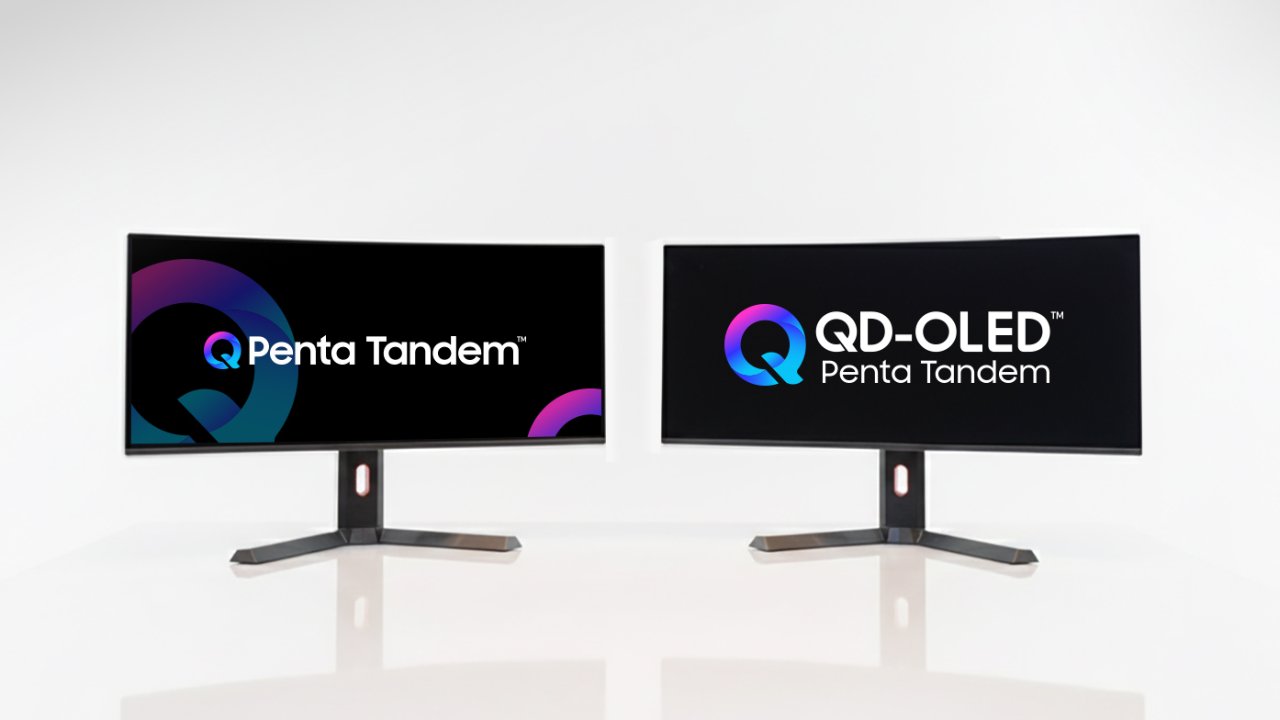

Samsung Penta Tandem QD-OLED Monitors 2026 | Premium Display Market Shift
- Five-layer OLED technology doubles panel lifespan, reaches 1,300 nits brightness; creates $2B+ premium monitor opportunity for e-commerce sellers in gaming and professional segments







概览
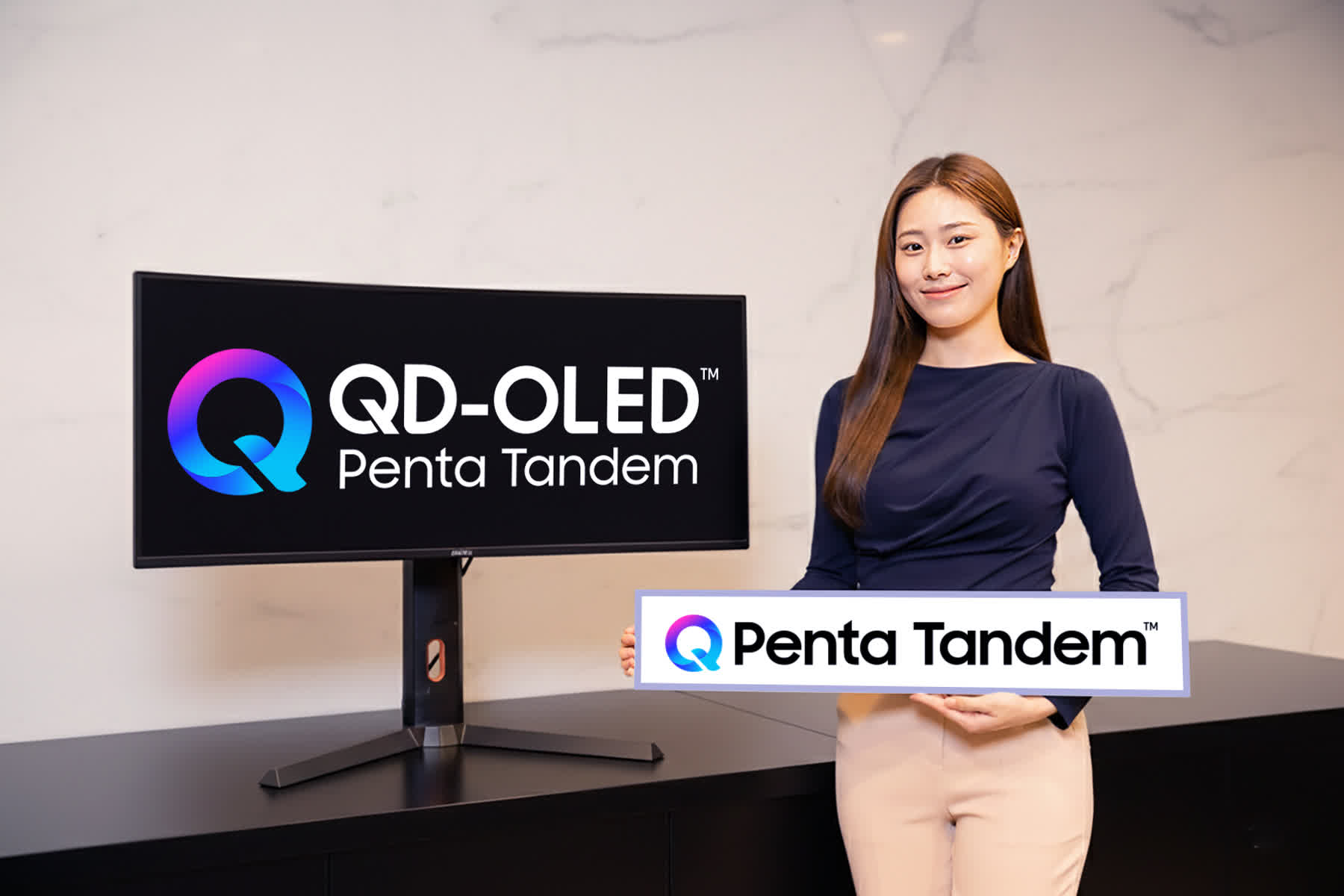
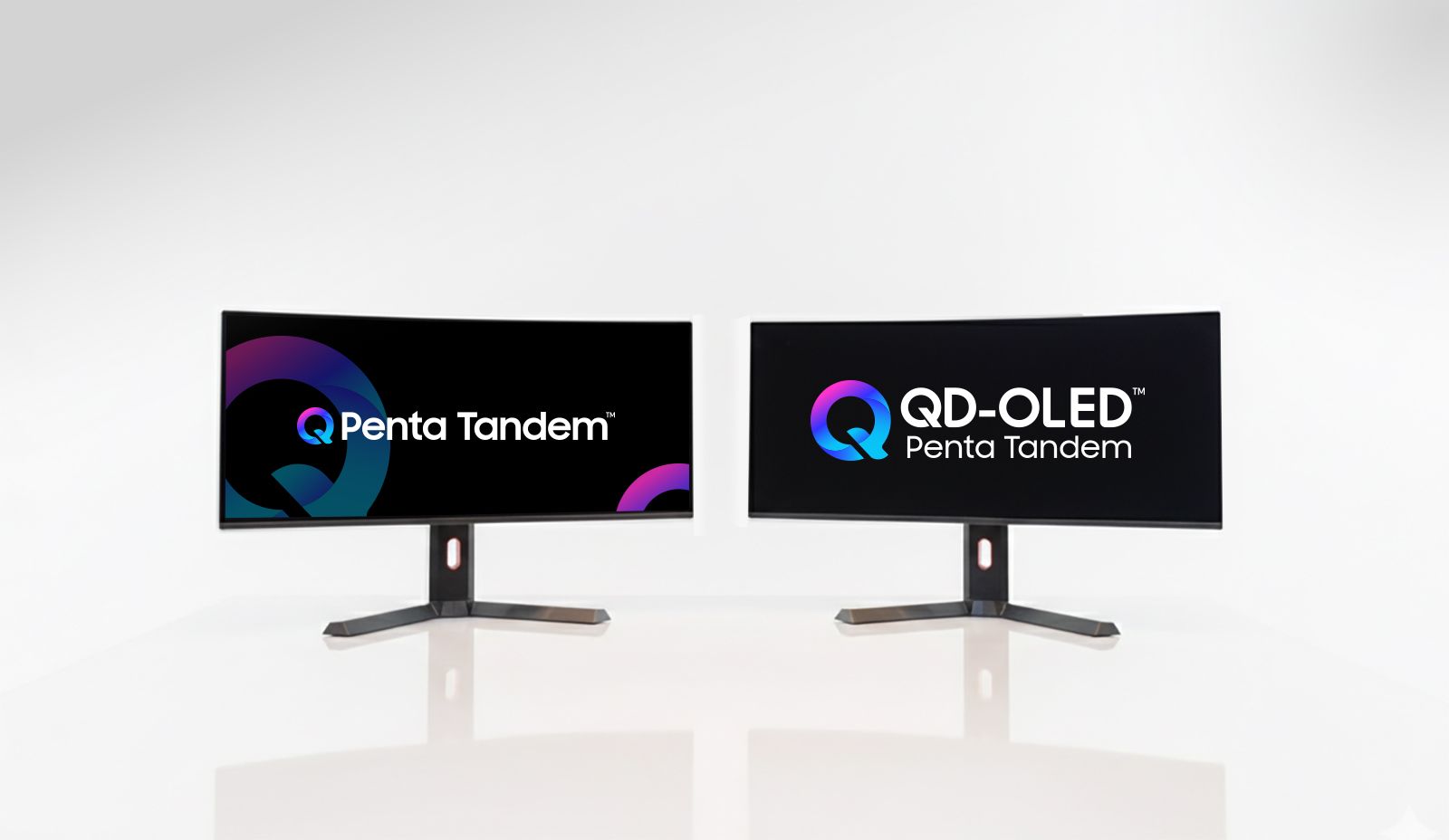
Samsung Display's introduction of QD-OLED Penta Tandem technology represents a watershed moment for premium monitor and television e-commerce, directly addressing two critical OLED adoption barriers: brightness limitations and panel durability. The five-layer quantum dot OLED architecture achieves 1,300 nits peak brightness on monitors and 4,500 nits on TVs while extending panel lifespan by 2x compared to previous four-layer designs—a 1.3x improvement in luminous efficiency that fundamentally reshapes the competitive landscape against mini-LED and high-end LCD alternatives.
Market timing and product rollout create immediate seller opportunities. Samsung Display is mass-producing 27-inch UHD (3840×2160) panels at 160 PPI—the highest pixel density among self-emissive gaming monitors—with expansion across 31.5-inch UHD, 34-inch WQHD, and 49-inch Dual QHD (5120×1440) ultrawide formats throughout 2025-2026. The 31.5-inch model already holds exclusive VESA DisplayHDR TrueBlack 500 certification, establishing a premium positioning that justifies $1,500+ price points. Major OEM partners including ASUS, MSI, Acer, and BenQ will integrate this technology into flagship product lines, creating new SKUs that e-commerce sellers must inventory strategically.
For cross-border e-commerce sellers, this development unlocks three distinct revenue streams. First, the gaming monitor segment will see accelerated OLED adoption as burn-in concerns diminish—industry data confirms burn-in risk is minimal with proper screen care, removing the primary objection from competitive gamers and content creators. Second, professional workstation monitors targeting designers, video editors, and CAD operators will command premium pricing (estimated $1,800-$3,500 per unit) due to superior color accuracy and contrast inherent to OLED technology. Third, the TV segment adoption since 2025 signals that premium television e-commerce will shift toward OLED-first positioning, with Penta Tandem panels featured in flagship lineups from Samsung's key customers.
Regional market dynamics favor North American and European sellers initially. Early adoption will concentrate in these markets before broader global distribution, suggesting sellers should prioritize inventory positioning in US and EU warehouses for Q2-Q4 2026 launches. The competitive landscape intensifies with LG demonstrating tandem OLED dual-mode monitors (720Hz refresh rate) at CES 2026 and ASUS ROG's Swift Tandem OLED incorporating black film layers for ambient light rejection—indicating the market is shifting from refresh rate competition toward pixel density and brightness improvements, a strategic pivot that favors sellers with premium positioning and technical expertise.
问题 8
What is Samsung Penta Tandem QD-OLED and how does it improve on previous OLED monitors?
Samsung Penta Tandem is a five-layer quantum dot OLED architecture that doubles panel lifespan compared to previous four-layer designs while achieving 1,300 nits peak brightness on monitors and 4,500 nits on TVs. The technology improves luminous efficiency by 1.3x, enabling 27-inch UHD displays to reach 160 PPI—the highest pixel density among self-emissive gaming monitors. This directly addresses OLED's historical limitations in brightness and durability, making it competitive against mini-LED and high-end LCD alternatives. Samsung Display is currently the only manufacturer mass-producing 27-inch UHD self-emissive displays at this pixel density, establishing a significant competitive moat for sellers offering these products.
When will Penta Tandem monitors be available for e-commerce sellers to stock?
Commercial availability is expected throughout 2026, with initial adoption concentrated in ultra-premium monitor segments priced above $1,500. Samsung Display is expanding Penta Tandem across multiple panel sizes during 2025-2026: 27-inch UHD and 31.5-inch UHD models are already in production, followed by 34-inch WQHD and 49-inch Dual QHD (5120×1440) ultrawide formats. The 49-inch curved ultrawide (potentially a new Samsung Odyssey G9 variant) is entering mass production in 2025. Sellers should prepare inventory strategies for Q2-Q4 2026 launches, with early adoption concentrated in North American and European markets before broader global distribution.