




U.S.-China Geopolitical Tensions Escalate | Supply Chain Risk Alert for Cross-Border Sellers
- Intensifying U.S.-China military conflict signals potential tariff increases, export restrictions, and logistics disruptions affecting 40%+ of cross-border sellers sourcing from China


















概览
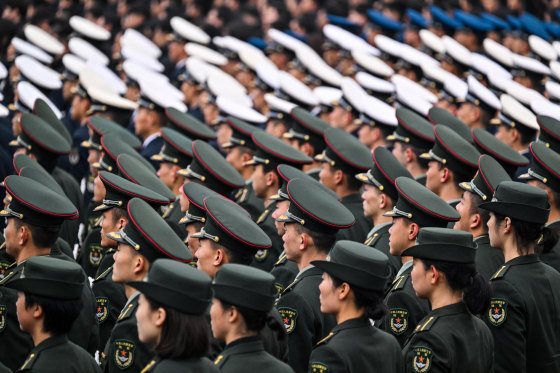
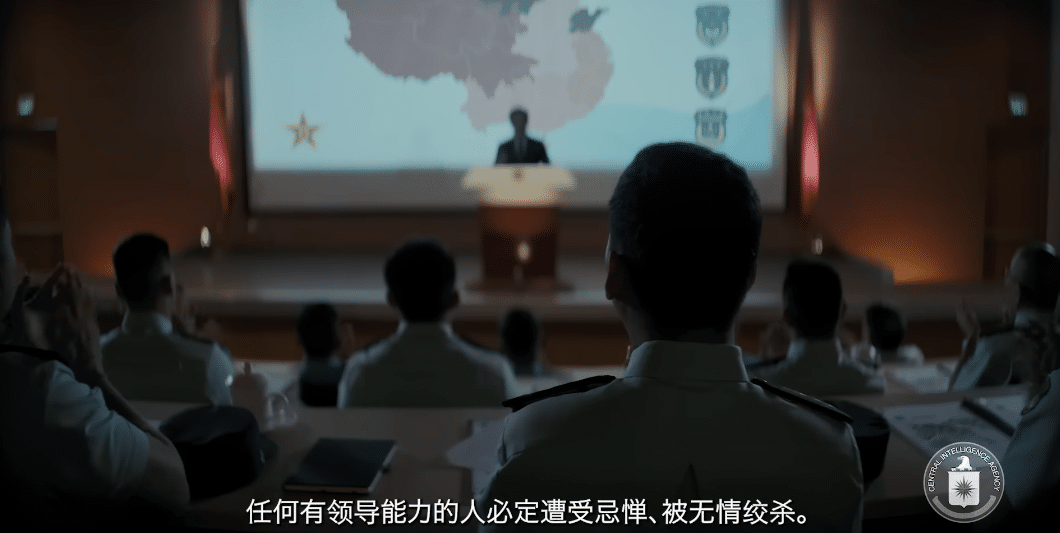
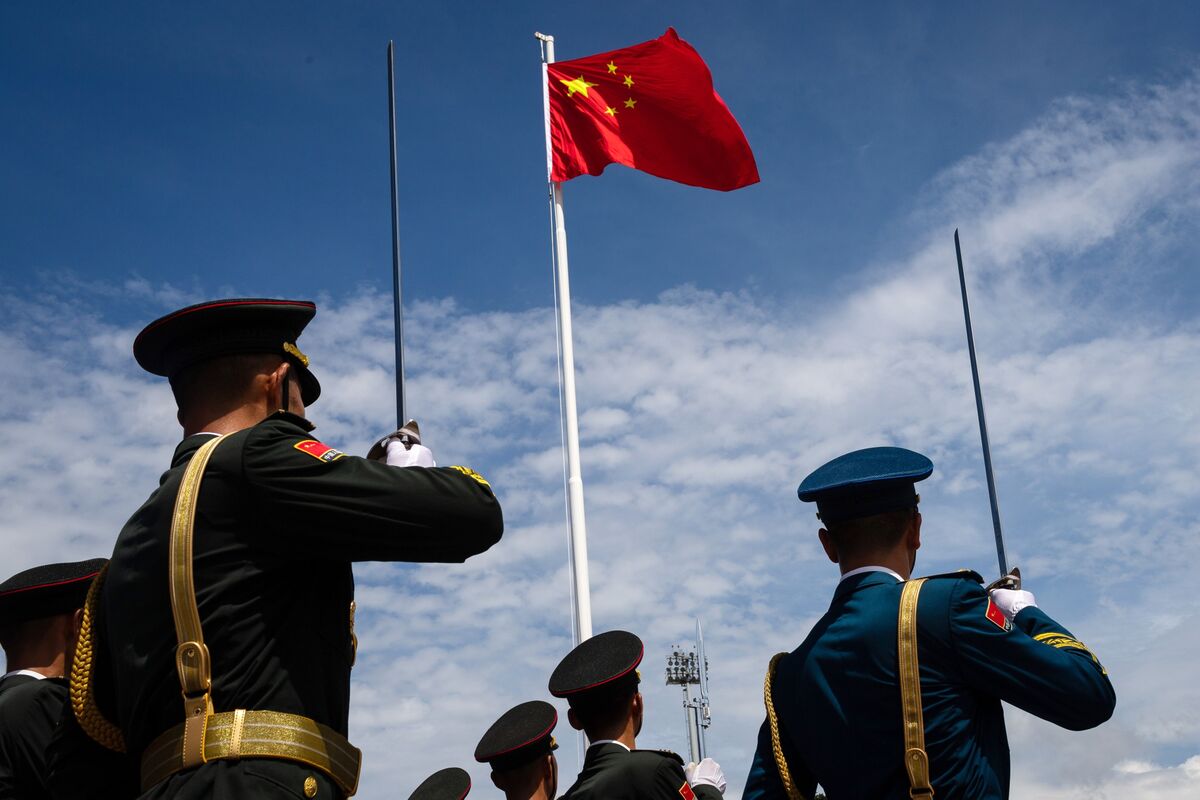
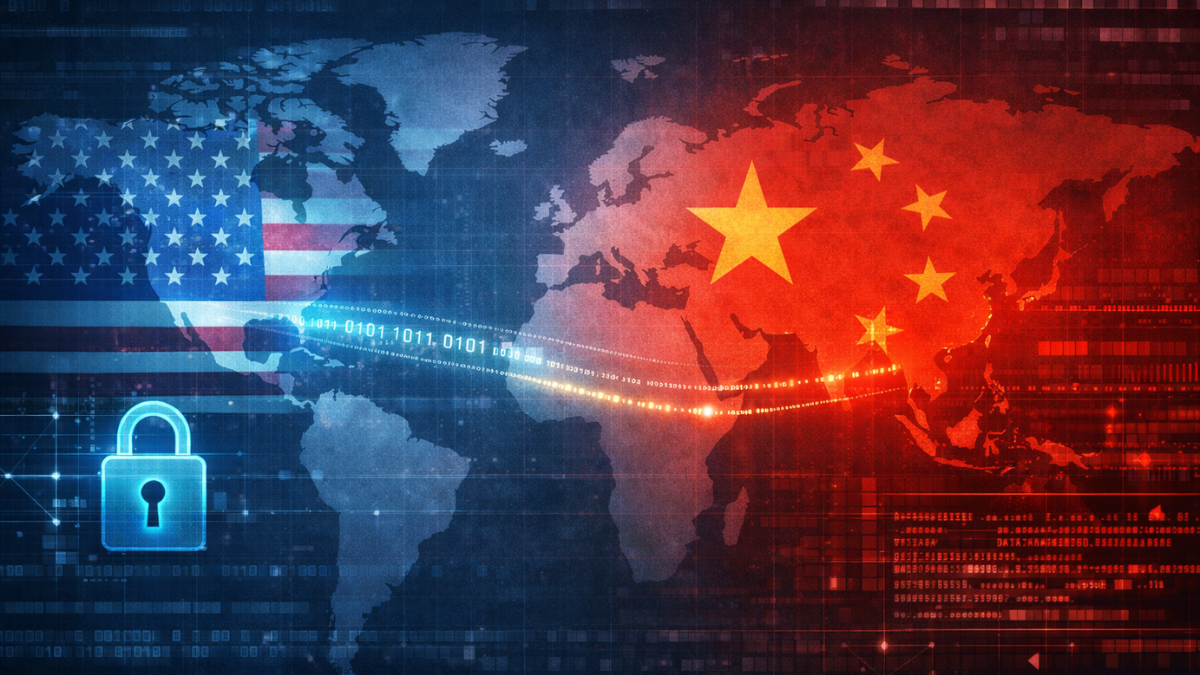
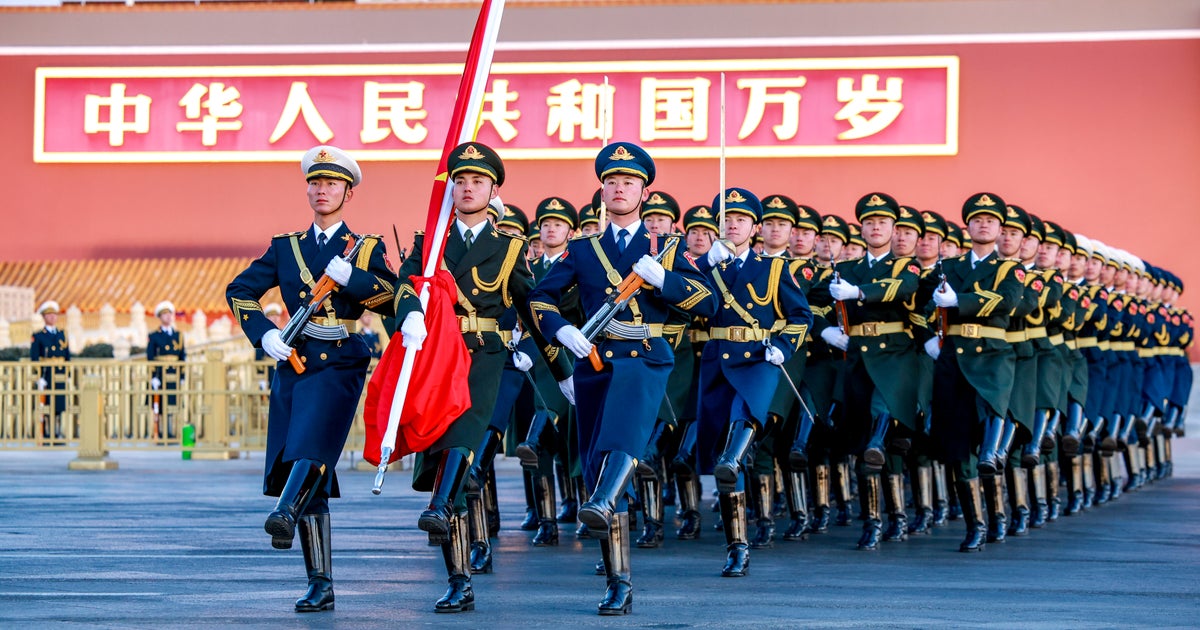
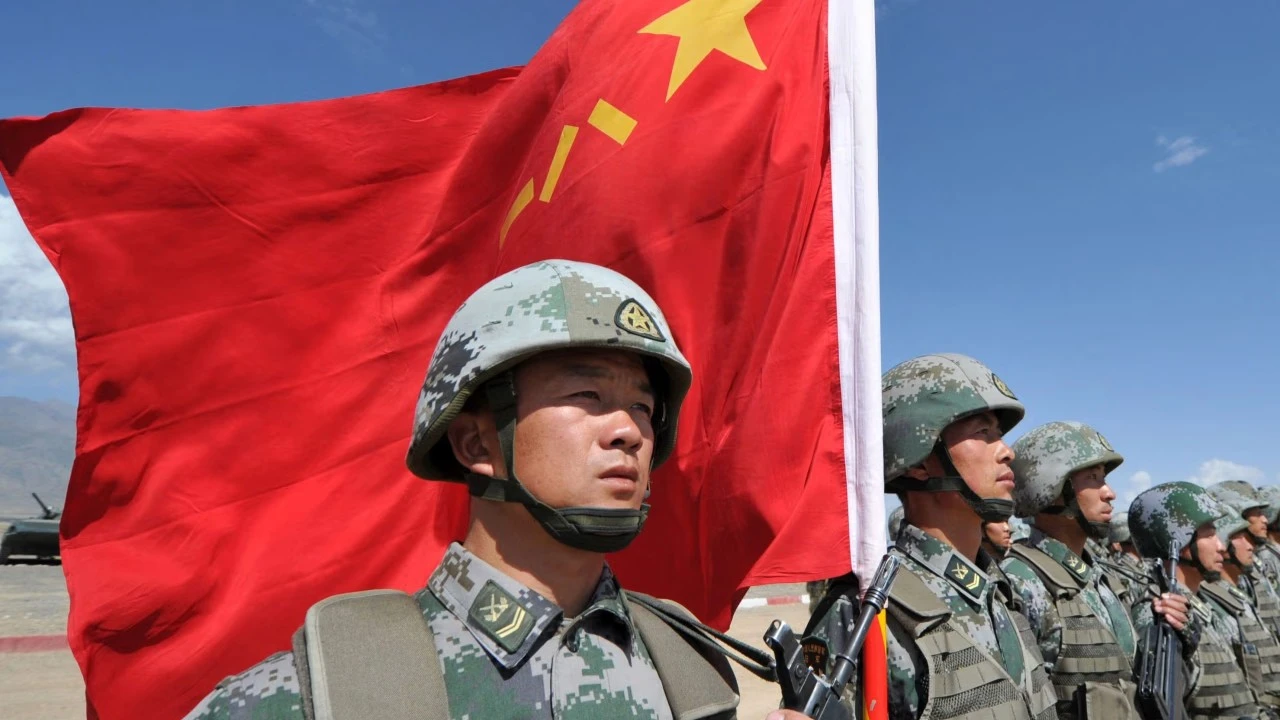
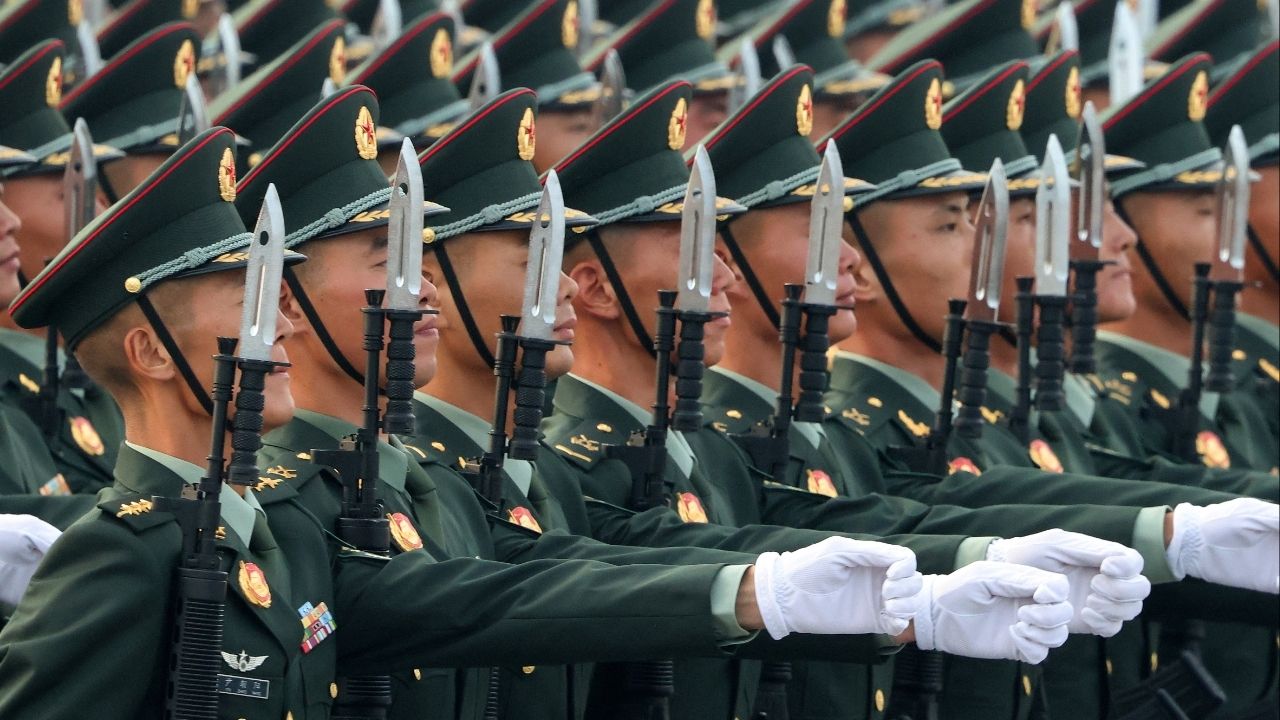
The CIA's February 2026 recruitment campaign targeting Chinese military officials represents a significant escalation in U.S.-China geopolitical tensions with direct implications for cross-border e-commerce sellers. The agency released Mandarin-language video content targeting mid-level People's Liberation Army (PLA) officers, capitalizing on internal military purges and corruption investigations following Xi Jinping's removal of senior military leadership. This intelligence operation, which CIA Director John Ratcliffe confirmed has reached millions of Chinese citizens and yielded recruitment results, signals deepening adversarial positioning between the two superpowers.
Supply Chain and Tariff Risk Implications: The escalating intelligence operations and military restructuring in China create elevated geopolitical risk that historically precedes trade policy changes. Cross-border sellers sourcing products from China—representing approximately 40-50% of Amazon FBA inventory and 35-45% of eBay listings—face potential exposure to new tariff schedules, export licensing requirements, and customs delays. The timing coincides with documented military instability in China, which often triggers government crackdowns on foreign business operations and increased scrutiny of international commerce. Sellers should anticipate potential 8-15% cost increases on sourced goods if U.S.-China tensions escalate into formal trade restrictions or retaliatory tariffs.
Logistics and Operational Disruptions: Military purges and internal government instability in China historically correlate with port congestion, customs processing delays, and supply chain bottlenecks. The CIA's public recruitment campaign—deliberately released through media channels to maximize visibility—signals U.S. commitment to intelligence gathering within Chinese military structures, likely prompting Chinese government counter-intelligence measures that could affect international shipping and logistics operations. Sellers relying on China-based 3PL providers, air freight from Shanghai or Shenzhen, or sea freight through major Chinese ports should expect 2-4 week processing delays and potential shipping cost increases of 12-20% during periods of heightened geopolitical tension.
Market Volatility and Consumer Behavior Shifts: Geopolitical tensions typically trigger consumer anxiety about product availability and pricing, driving surge demand in certain categories. Historical patterns from 2018-2019 trade war periods show 25-40% increases in bulk purchasing of electronics, home goods, and durable products as consumers anticipate price increases. Sellers in these categories should prepare inventory strategies to capitalize on pre-tariff buying surges while managing cash flow risks from extended payment terms and increased working capital requirements.
问题 8
What immediate actions should sellers take in response to CIA military recruitment campaigns?
Sellers should take three immediate actions: (1) Review current China sourcing exposure—calculate percentage of inventory sourced from China and identify high-tariff-risk categories (electronics, home goods, appliances), (2) Monitor trade policy announcements at ustr.gov and trade.gov tariff tracker weekly, (3) Establish contingency sourcing plans with 2-3 alternative suppliers in non-China countries within 30 days. Additionally, sellers should increase inventory buffers by 15-20% for China-sourced products, negotiate extended payment terms with suppliers to improve cash flow flexibility, and consider pre-positioning inventory in U.S. fulfillment centers to avoid port delays. These actions cost minimal capital but significantly reduce operational risk during periods of geopolitical escalation.
Should sellers shift sourcing away from China due to geopolitical risks?
Complete sourcing shifts are not necessary, but diversification is strategically prudent. China remains the lowest-cost manufacturing source for most consumer products, but geopolitical risk warrants 20-30% sourcing diversification to Vietnam, Thailand, India, or Mexico. Recommended approach: (1) Maintain 60-70% China sourcing for stable, non-sensitive categories, (2) Shift 20-30% to Southeast Asia for electronics and tech products, (3) Nearshore 10-15% to Mexico for time-sensitive items, (4) Establish dual-supplier relationships for critical SKUs, (5) Monitor tariff tracker and CIA/State Department announcements quarterly. This balanced strategy maintains cost competitiveness while reducing geopolitical concentration risk.