
Data Compliance Monitoring Market Explodes 28.6% CAGR | Critical for E-Commerce Sellers
- USD 2.67B market by 2035 drives compliance tool adoption; sellers face 4.88M average breach costs and GDPR fines totaling 6.17B since 2018
概览
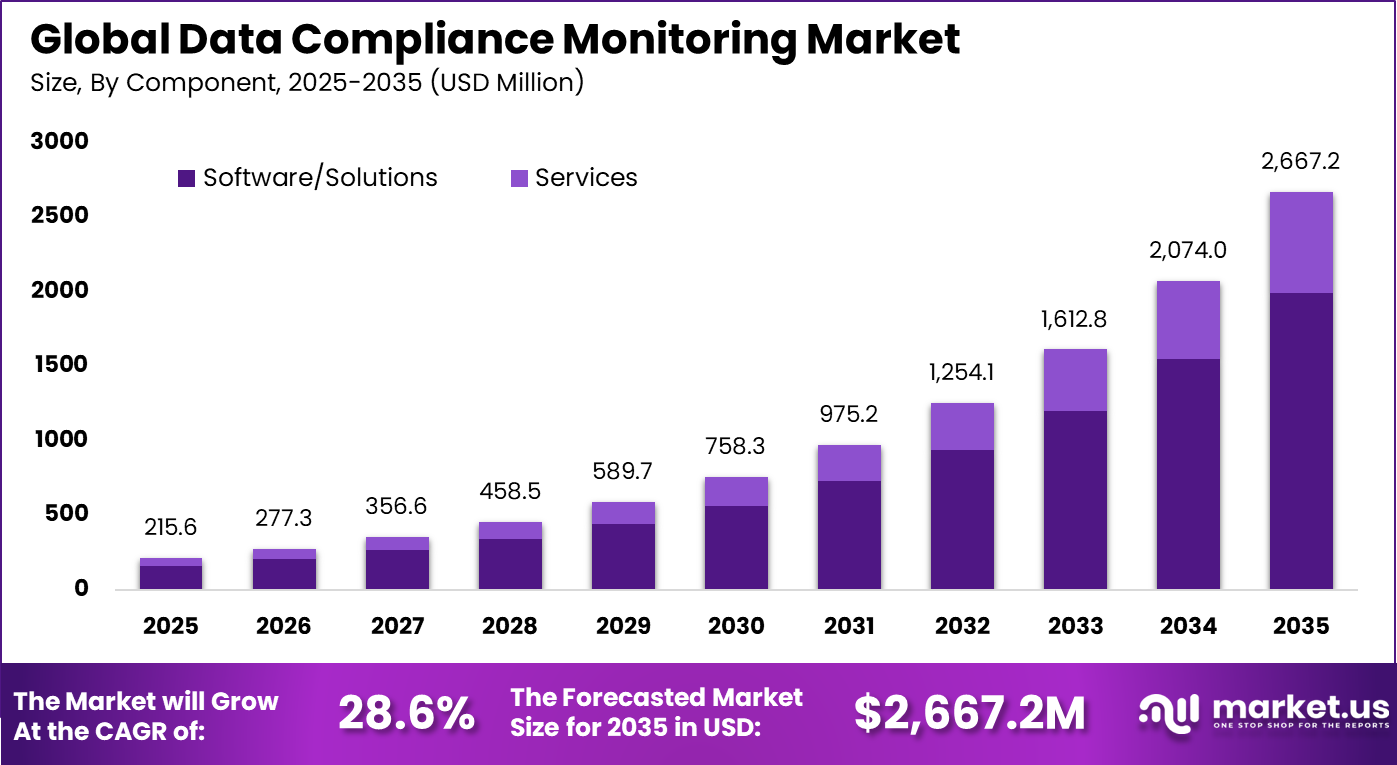
The global Data Compliance Monitoring Market is experiencing explosive growth, expanding from USD 215.6 million in 2025 to USD 2,667.2 million by 2035 at a 28.6% compound annual growth rate. This represents a critical inflection point for cross-border e-commerce sellers, as compliance infrastructure becomes mandatory rather than optional. The market's rapid expansion reflects escalating regulatory pressure, with GDPR fines reaching USD 6.17 billion cumulatively since 2018 and the average data breach now costing organizations USD 4.88 million—a direct threat to seller profitability and operational viability.
For e-commerce sellers, this market explosion signals three immediate operational imperatives. First, compliance tools are transitioning from enterprise-only solutions to SME-accessible platforms, with cloud-based deployment leading at 83.2% adoption. Sellers operating on Amazon, eBay, Shopify, and Walmart must recognize that 98% of organizations report third-party vendor breaches, meaning marketplace platforms will increasingly demand seller compliance certifications. The news reveals that only 14.3% of organizations are fully PCI compliant—a sharp decline from 2020—indicating widespread vulnerability that regulators are targeting. Second, personal data and privacy regulation compliance represents 62.8% of the market, directly impacting sellers handling customer data across borders. With 90% of organizations developing AI-specific compliance policies and 58% concerned about frequent AI-related compliance changes, sellers using AI tools for inventory management, pricing, or customer analytics face emerging compliance obligations. Third, the North American market dominates at 39.15% share (USD 84.40 million), with the US recording USD 76.65 million at 27.02% CAGR, indicating that US-based sellers and those shipping to North America face the most aggressive compliance enforcement.
The operational impact breaks down by seller segment. Large enterprises (87.4% of adoption) are already investing in compliance infrastructure, creating competitive pressure on mid-market sellers (USD 1-50M revenue) who lack budget allocation for compliance tools. SMEs report limited budgets and shortage of skilled compliance professionals as primary restraints, yet non-compliance financial impact is 2.65x higher than compliance investment costs. Banking, Financial Services, and Insurance sectors hold 38.9% market share, but cross-border sellers in high-risk categories (electronics, health products, financial services) face similar regulatory scrutiny. The 74% of data breaches linked to human error highlights that seller training and process automation are now competitive necessities. Sellers must immediately audit their customer data handling, third-party vendor relationships, and payment processing compliance—particularly PCI DSS certification for those handling credit cards directly.
Strategic positioning reveals that effective privacy compliance programs generate 1.6x return on investment, meaning sellers investing in compliance tools now gain both risk mitigation and operational efficiency gains. The market's 28.6% CAGR indicates that compliance-as-a-service solutions will become increasingly affordable and accessible, with software and solutions dominating 74.6% market share. Sellers should view this not as a cost center but as a competitive differentiator—platforms like Amazon increasingly favor sellers with demonstrated compliance credentials, and GDPR enforcement will intensify across EU operations.
问题 8
How should sellers prioritize compliance investments across different regions?
North America dominates the compliance market at 39.15% share (USD 84.40 million), with the US recording USD 76.65 million at 27.02% CAGR, indicating the most aggressive enforcement environment. EU sellers face GDPR enforcement (USD 6.17 billion in cumulative fines since 2018) and emerging AI regulations, requiring priority investment in personal data and privacy compliance (62.8% of market). Asia-Pacific sellers should monitor emerging data localization requirements and regional privacy laws. Sellers should prioritize compliance investments in markets where they generate highest revenue and face strictest enforcement. For multi-region sellers, implement a tiered approach: foundational PCI DSS compliance for all regions, GDPR compliance for EU operations, and region-specific requirements for secondary markets. The market's 28.6% CAGR suggests compliance tools will become increasingly affordable, allowing phased implementation across regions.
How does compliance investment generate positive ROI for sellers?
Effective privacy compliance programs generate 1.6x return on investment while non-compliance financial impact is 2.65x higher than compliance costs. This means a seller investing USD 10,000 in compliance tools gains USD 16,000 in operational efficiency and risk mitigation, while avoiding potential USD 26,500 in fines and breach costs. Compliance infrastructure reduces customer data breach risk (average cost USD 4.88 million), improves marketplace standing (platforms favor compliant sellers), and streamlines regulatory reporting. Additionally, compliance certification can become a marketing differentiator, particularly for sellers targeting privacy-conscious consumers in EU and North American markets. The market's 28.6% CAGR indicates compliance tools will become increasingly affordable, making early investment more cost-effective than delayed adoption.