


Defense Contractor Boom Signals Supply Chain Opportunities for Industrial Component Sellers
- $50B+ defense spending surge creates demand for precision electronics, composites, and manufacturing services across 5+ major contractors through 2027


概览
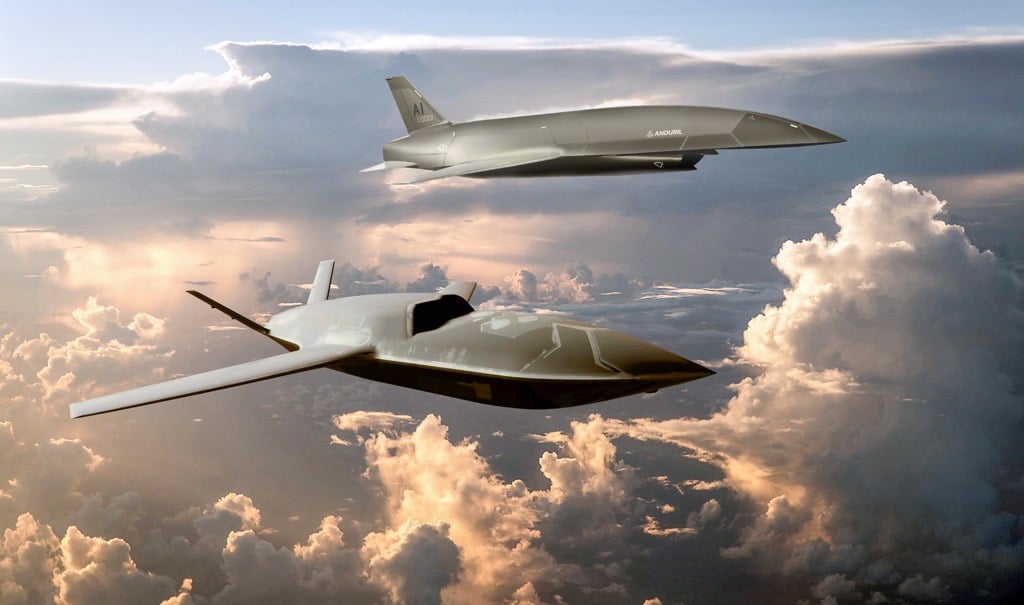
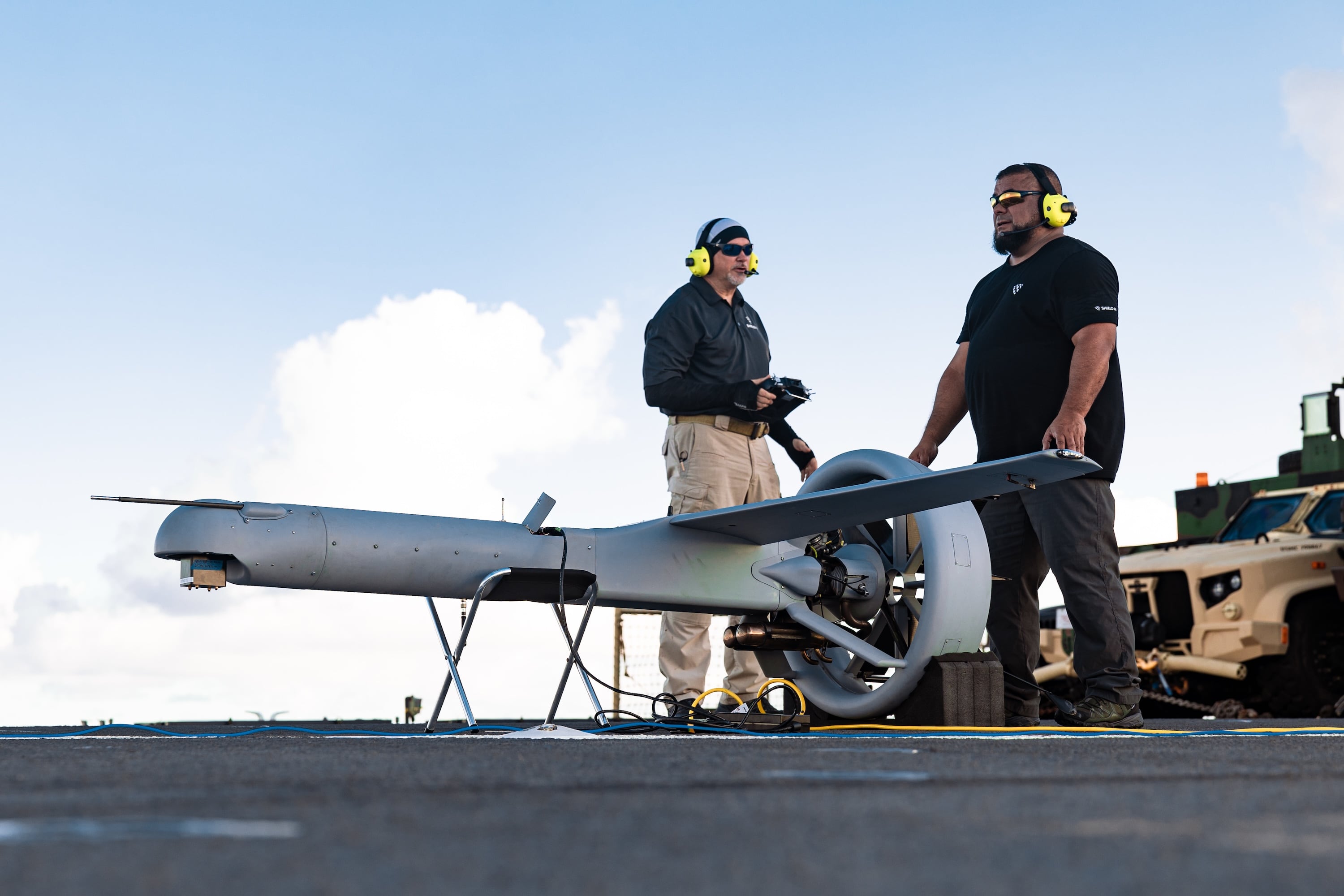
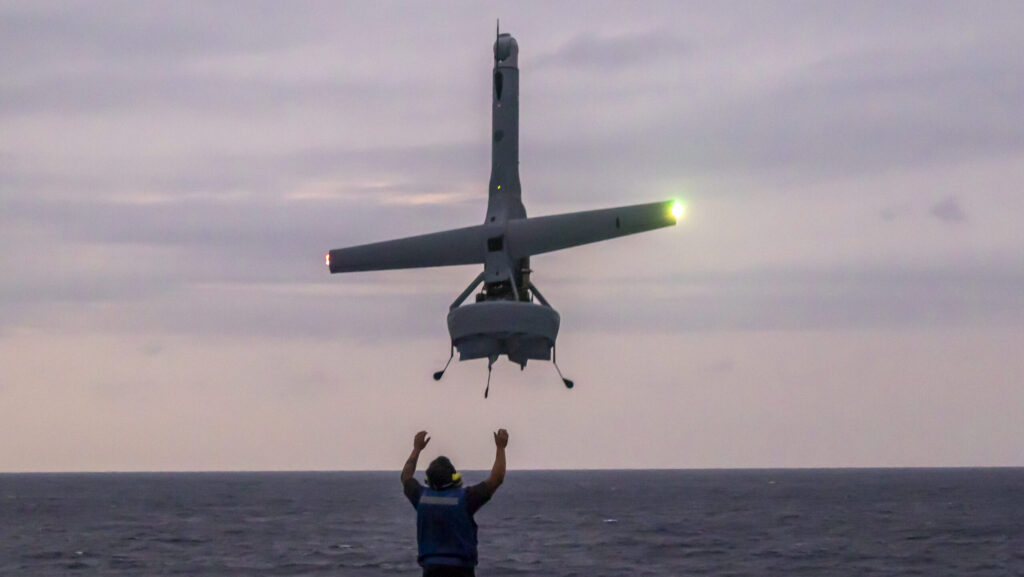
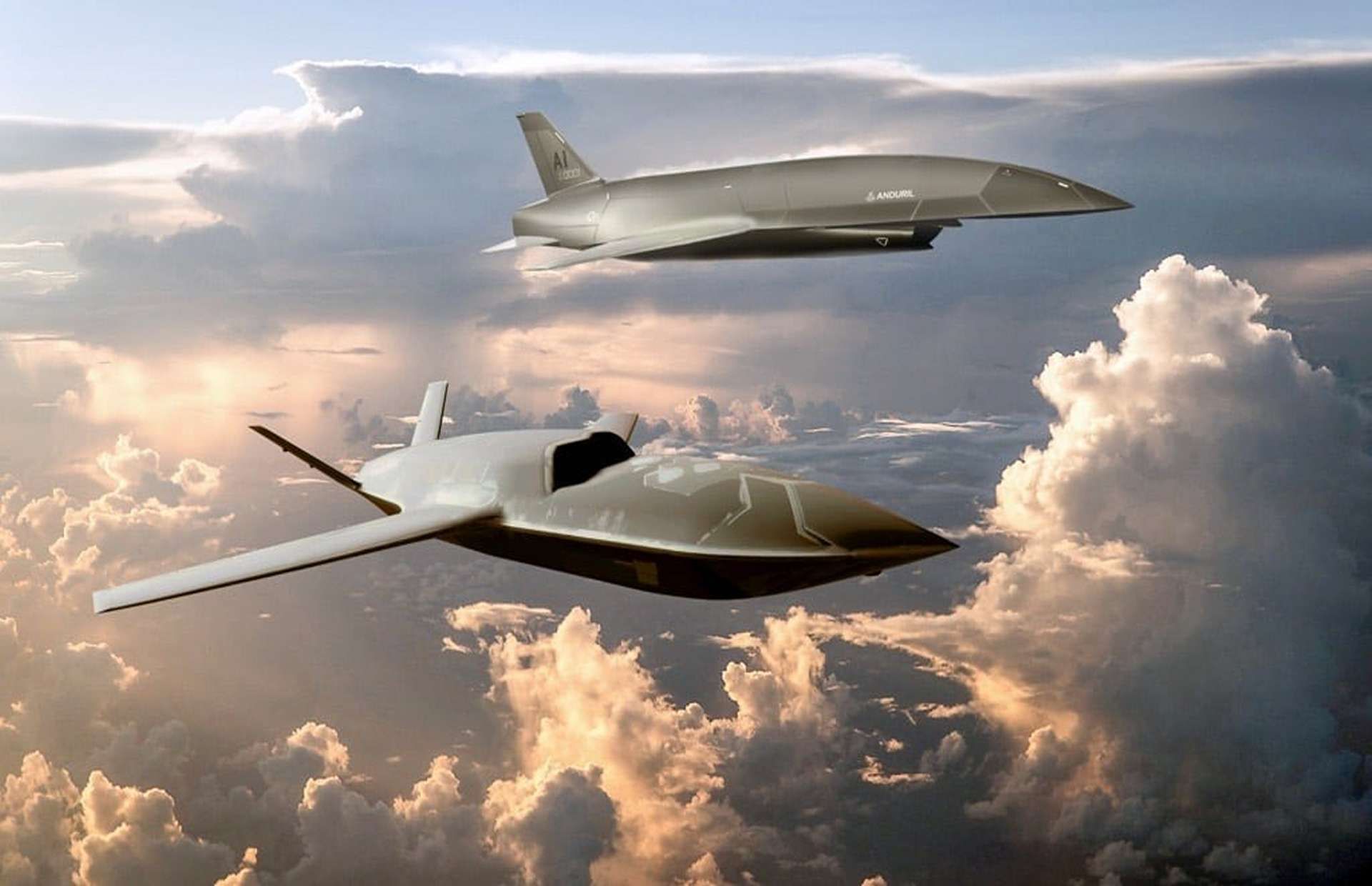
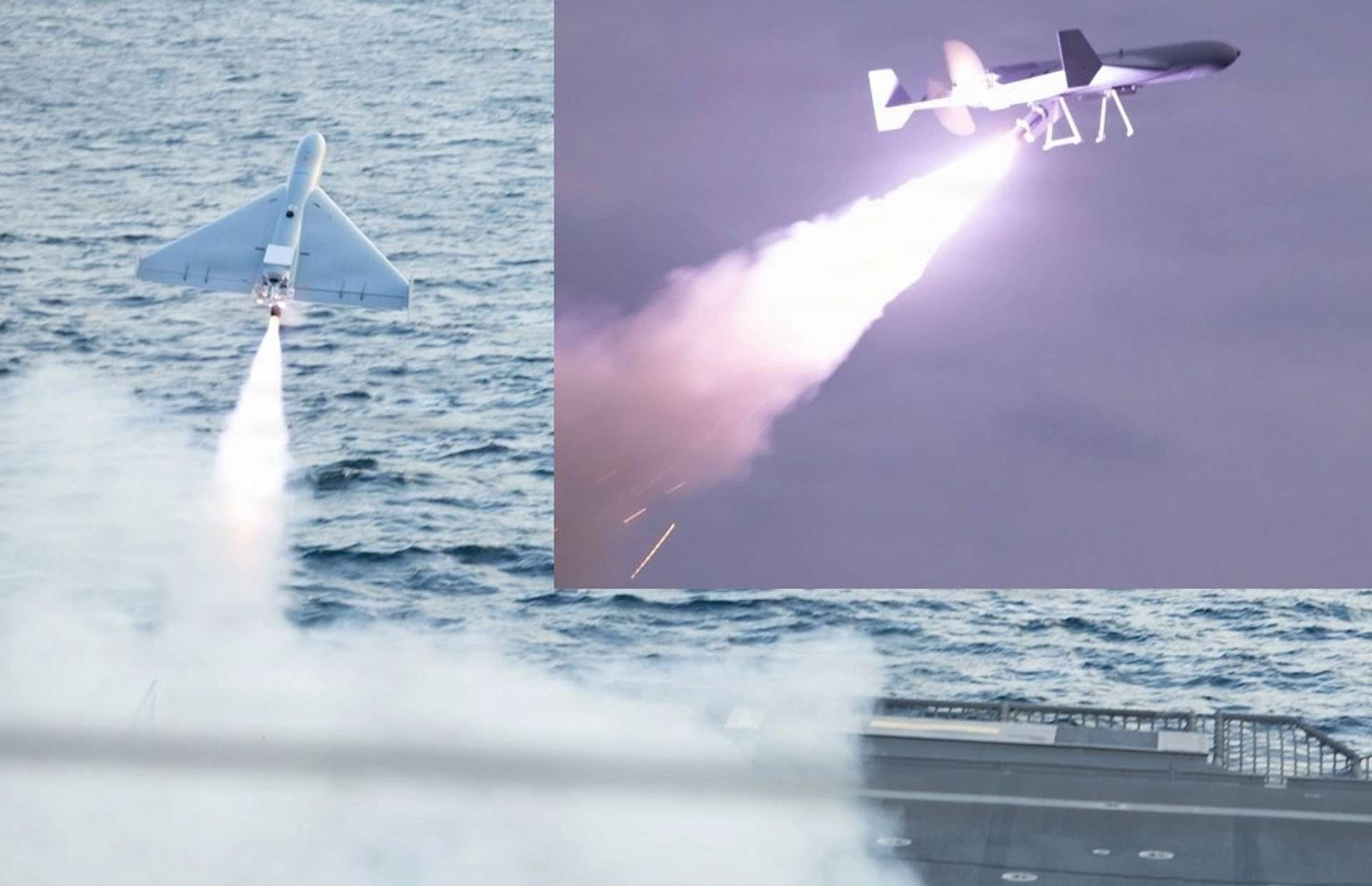
The U.S. Navy's accelerated development of unmanned combat aircraft (CCA) and maritime strike drones represents a multi-billion-dollar procurement cycle with significant indirect implications for industrial suppliers and component manufacturers selling through B2B e-commerce channels. The Defense Innovation Unit (DIU) issued a February 2026 solicitation for Runway Independent Maritime and Expeditionary Strike (RIMES) drones with a February 27, 2026 deadline, while five major contractors—General Atomics, Anduril, Boeing, Northrop Grumman, and Lockheed Martin—are simultaneously engaged in Navy CCA conceptual design work. This dual-track development creates cascading demand for specialized components: advanced avionics, composite materials, autonomous systems, power management electronics, and precision manufacturing services.
Supply chain acceleration creates B2B marketplace opportunities. The Navy's 12-month prototyping requirement (post-contract award) and emphasis on "rapid mass-production capability" signal urgent sourcing needs. Anduril's YFQ-44 Fury achieved first flight in 500 days from clean sheet design, demonstrating compressed development timelines that require suppliers to maintain rapid response capabilities. Sellers specializing in aerospace-grade electronics, carbon fiber composites, precision machining, and embedded systems can position themselves as critical suppliers to prime contractors. The RIMES program specifically requires autonomous mission execution in GPS-denied environments, driving demand for inertial measurement units (IMUs), advanced sensors, and ruggedized computing platforms—categories where specialized B2B sellers command premium margins (30-50% above standard industrial pricing).
Defense contractor consolidation creates tiered supplier ecosystem. General Atomics' modular Gambit platform with configurable variants (different engines, fuselages, wings) indicates a component-based architecture requiring multiple specialized suppliers. The Marine Corps' selection of General Atomics' YFQ-42A as a CCA test surrogate validates the platform's viability and signals follow-on procurement. Sellers with existing relationships to prime contractors or experience in aerospace supply chains can leverage this momentum to secure long-term contracts. The Singapore Air Show 2026 (February 3-8) presentations by Anduril and General Atomics suggest international supplier participation is expected—foreign-owned businesses are explicitly eligible per the DIU solicitation, creating opportunities for non-U.S. sellers with specialized manufacturing capabilities.
Cost-effectiveness mandate drives component sourcing competition. The DIU's emphasis on "cost-effectiveness while demanding survivability" creates pressure on prime contractors to optimize supply chains. This typically results in increased outsourcing of non-core components, expanded use of commercial-off-the-shelf (COTS) electronics, and consolidation of suppliers around proven, cost-competitive sources. Sellers offering rapid prototyping, small-batch manufacturing, or specialized testing services can capture market share during the 12-month prototyping phase when contractors are validating component performance under extreme maritime conditions (strong winds, waves, salt spray, electromagnetic interference).
问题 8
What international opportunities exist for foreign suppliers in U.S. Navy programs?
The DIU solicitation explicitly states 'Both U.S. and foreign-owned businesses are eligible to compete,' creating opportunities for international suppliers with specialized capabilities. Foreign suppliers should register with SAM.gov and obtain CAGE codes to participate in federal procurement. International suppliers with unique manufacturing capabilities (advanced composites, precision machining, specialized electronics) or cost advantages can compete directly with U.S. suppliers. However, foreign suppliers must navigate export control regulations (ITAR, EAR) and may face restrictions on certain sensitive technologies. The Singapore Air Show 2026 presentations suggest international participation is expected. Suppliers should emphasize unique technical capabilities, cost competitiveness, and ability to meet rapid prototyping timelines to overcome any preference for domestic suppliers.
How can sellers leverage B2B e-commerce platforms to reach defense contractors?
While traditional defense procurement occurs through SAM.gov and direct contractor relationships, B2B e-commerce platforms like Alibaba, Global Sources, and industry-specific marketplaces can increase visibility with procurement teams researching suppliers. Create detailed product listings highlighting aerospace certifications (AS9100, ISO 9001), environmental testing capabilities, and rapid prototyping services. Use keywords like 'aerospace components,' 'rapid manufacturing,' 'maritime-grade electronics,' and specific technical terms (IMU, LIDAR, ruggedized computing) to attract contractor procurement searches. Participate in industry forums and trade shows to build relationships with prime contractor procurement teams. Consider developing case studies demonstrating successful delivery of components for previous defense programs or aerospace applications to build credibility with new contractor customers.