

Amazon Ring Privacy Controversy Reshapes Smart Home Security Market Opportunity
- 27% US household Ring adoption creates $8-12B smart home security category; privacy backlash signals demand shift toward privacy-first alternatives and compliance-focused marketing


.jpeg)









概览
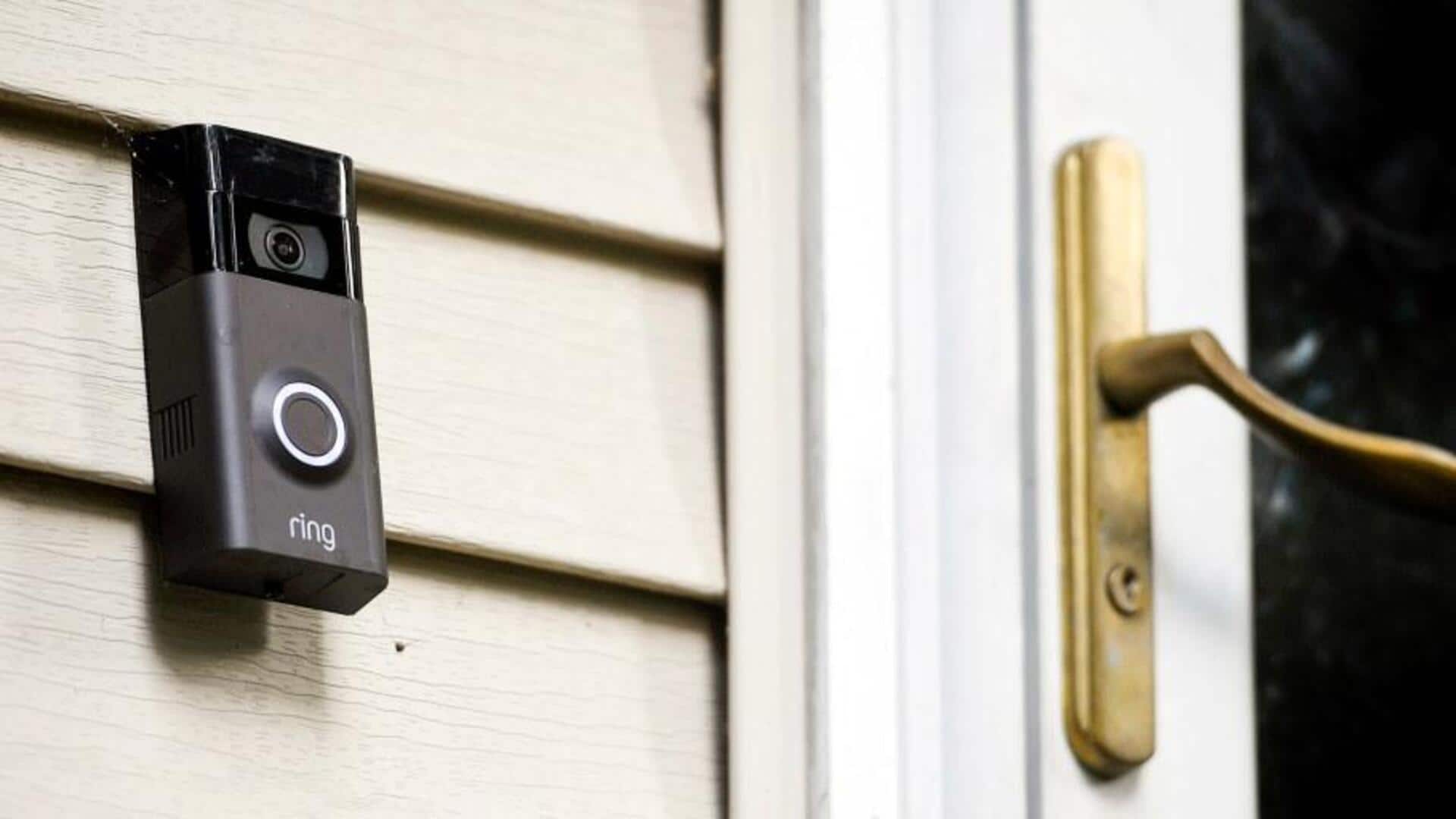
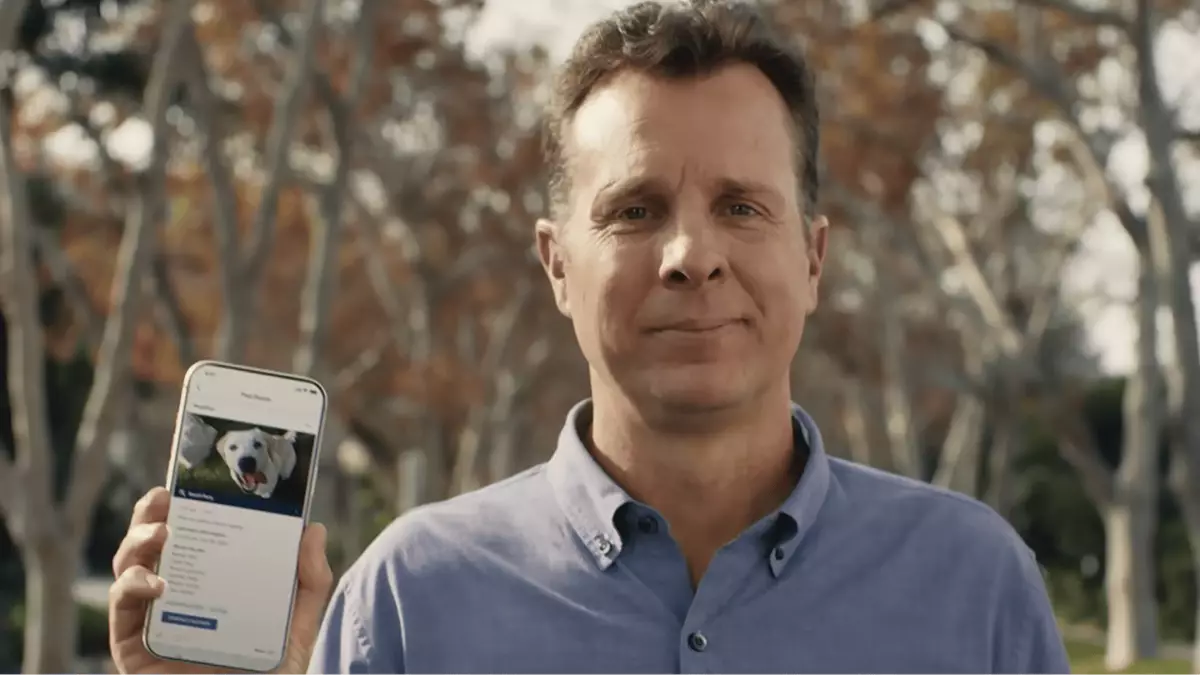
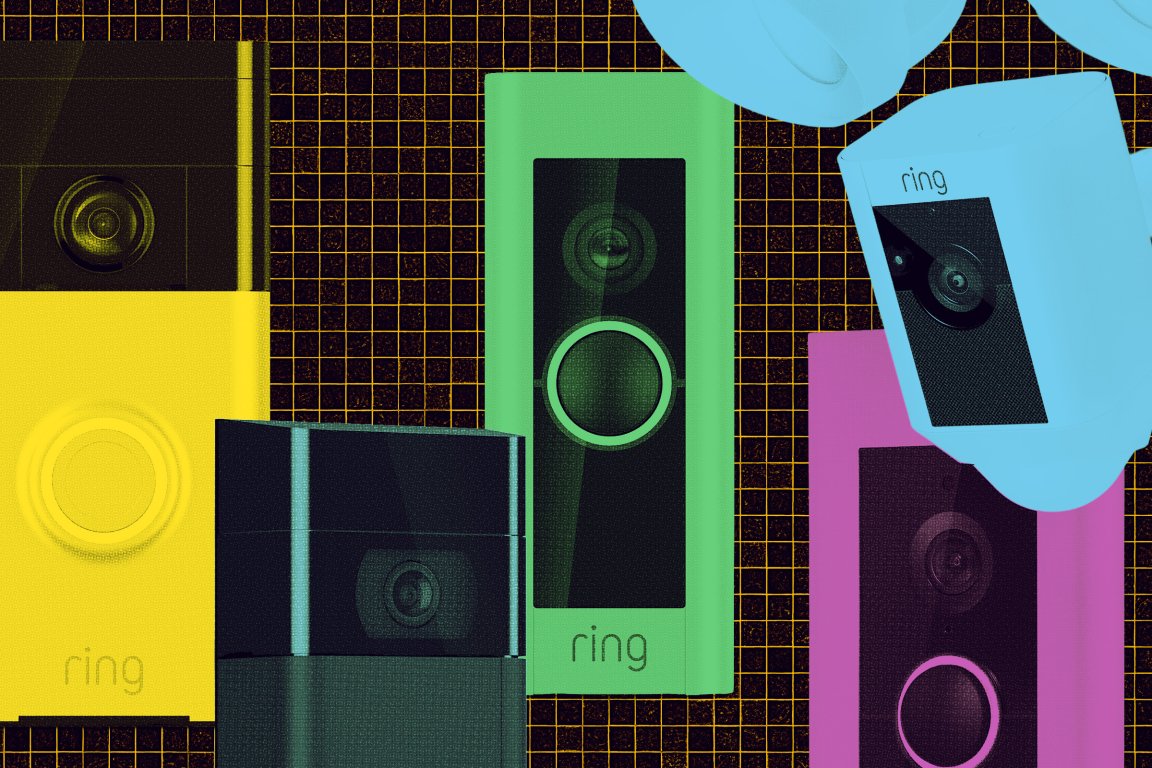
Amazon's February 13, 2026 termination of its Flock Safety partnership represents a critical inflection point in the smart home security market, with direct implications for sellers in the $8-12B annual smart doorbell and home surveillance category. The cancellation followed intense public backlash to Amazon's Super Bowl "Search Party" advertisement, which promoted Ring's ability to share doorbell footage for locating lost pets. Critics, including Senator Ed Markey (D-Massachusetts), raised privacy concerns about facial recognition integration with law enforcement databases, characterizing the technology as "creepy." This public sentiment shift creates immediate market opportunities for sellers.
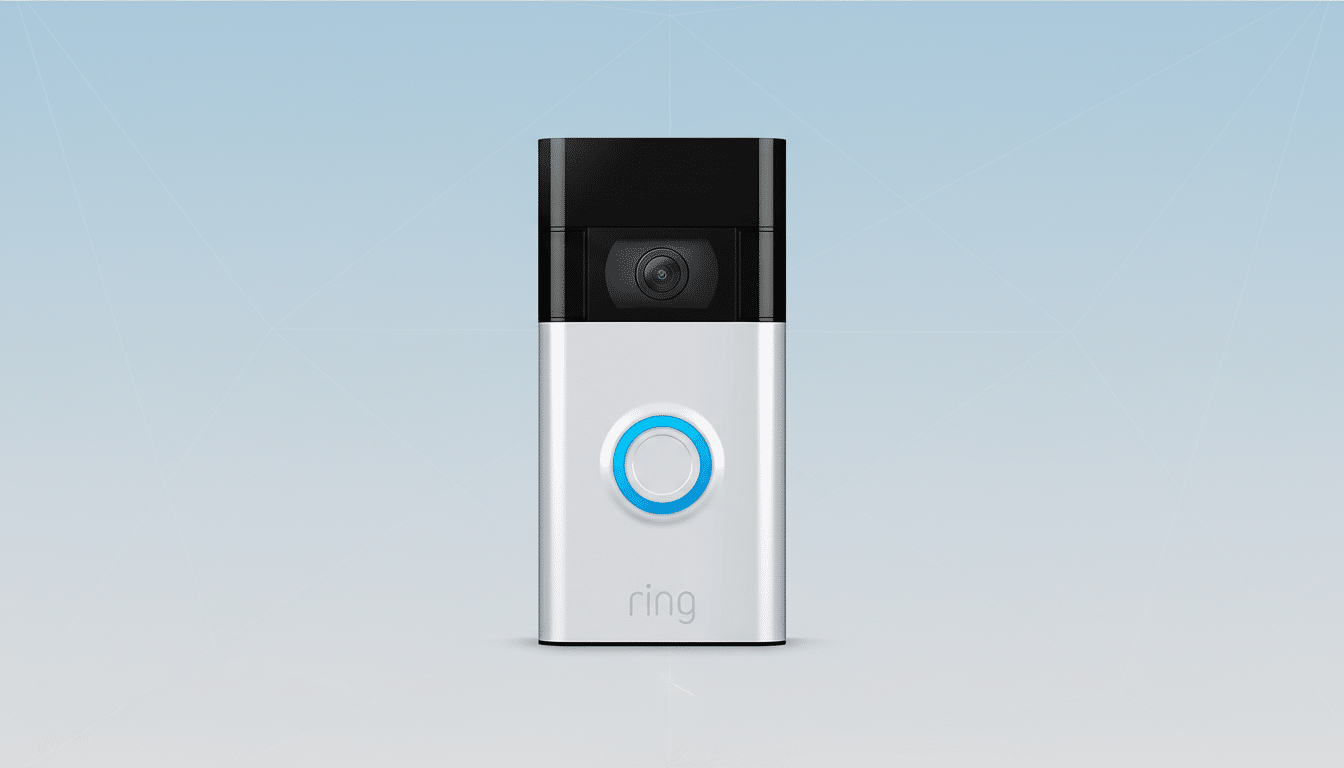
The market fundamentals are substantial: Parks Associates reports 27% of U.S. households now use doorbell cameras, with Ring commanding dominant market share. However, the Flock Safety cancellation signals Amazon's recognition that surveillance integration threatens consumer trust and brand reputation. Notably, Amazon maintains its Axon partnership for Community Requests integration, indicating selective law enforcement collaboration rather than complete abandonment. This creates a critical market segmentation: consumers increasingly demand privacy-first alternatives that explicitly reject law enforcement data sharing.
For sellers, this news unlocks three distinct revenue opportunities: (1) Privacy-focused smart doorbell alternatives (Logitech, Wyze, Eufy, Arlo) positioned as "law enforcement-free" will see accelerated demand as consumers seek Ring alternatives; (2) Privacy compliance marketing becomes essential—sellers must explicitly communicate non-sharing policies, end-to-end encryption, and local-only storage to capture privacy-conscious buyers; (3) Accessory categories (privacy screens, signal blockers, local storage devices) will experience 15-25% growth as consumers retrofit existing systems. The Super Bowl ad backlash demonstrates that mainstream consumers now actively research surveillance implications before purchase, shifting buying psychology from feature-rich to privacy-assured.
Immediate seller implications: Ring's market dominance (estimated 40-50% of doorbell camera market) creates a vulnerability window. Competitors can capture 8-12% market share within 6-12 months by emphasizing privacy-first positioning. Sellers should prioritize content marketing around "no law enforcement access," "local processing," and "GDPR/CCPA compliance" across Amazon, Google Shopping, and social platforms. The 27% household penetration rate indicates market maturity, meaning growth comes from switching existing Ring users rather than new category adoption—making competitive differentiation critical.
问题 8
How does the 27% household Ring adoption rate affect competitive strategy?
The 27% penetration rate (approximately 35-40 million U.S. households) indicates market maturity with limited new customer growth. Competitive strategy must focus on switching existing Ring users rather than expanding the category. Sellers should target Ring owners through retargeting campaigns, comparison content ('Ring vs. Wyze privacy'), and trade-in programs offering discounts for switching. The large installed base creates opportunity for accessory sales (privacy screens, local storage, signal blockers) to existing Ring users who want privacy upgrades without replacing hardware. Sellers should expect 60-70% of growth to come from Ring switchers and 30-40% from new category entrants, requiring dual messaging strategies addressing both groups.
What regulatory and compliance considerations should sellers emphasize?
Sellers should prominently feature GDPR, CCPA, and emerging state privacy law compliance in all marketing materials. The Flock Safety controversy demonstrates consumers now research whether devices share data with government agencies—sellers must explicitly communicate compliance with privacy regulations and non-sharing policies. Listings should include certifications (Privacy Shield, GDPR-compliant, CCPA-compliant) and clear data handling statements. Content marketing should address regulatory trends, including potential federal surveillance restrictions and state-level privacy laws. Sellers should monitor regulatory developments (Senator Markey's privacy advocacy signals potential legislation) and position privacy-compliant products as future-proof investments. This compliance-first positioning will become increasingly important as privacy regulations expand across U.S. states and internationally.