


Amazon Ring Flock Partnership Collapse | Privacy Backlash Reshapes Smart Home Security Market
- 27% US household Ring adoption faces trust crisis after $5.8M FTC fine; surveillance concerns drive consumer demand for privacy-first alternatives and transparent data policies







概览
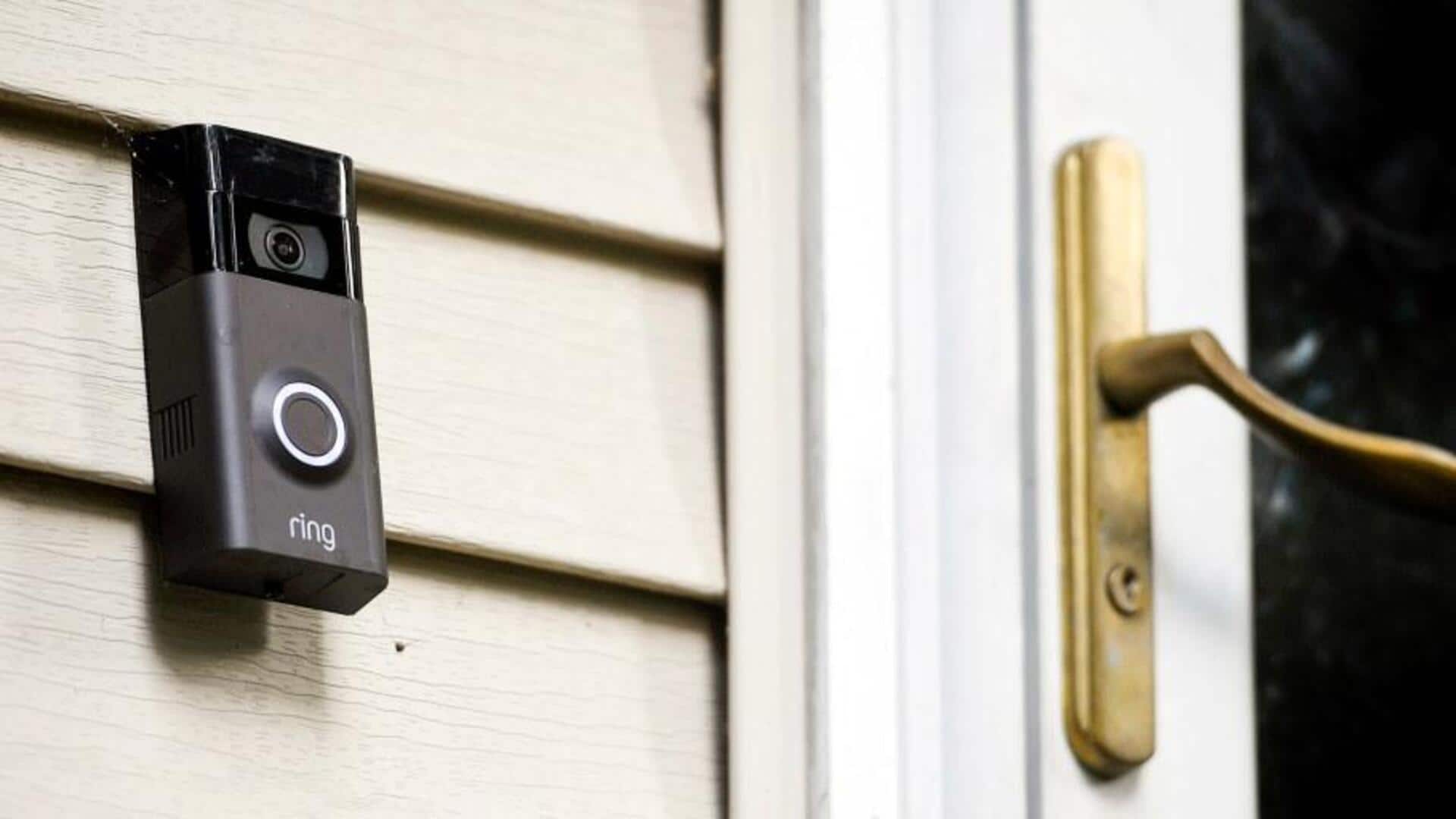
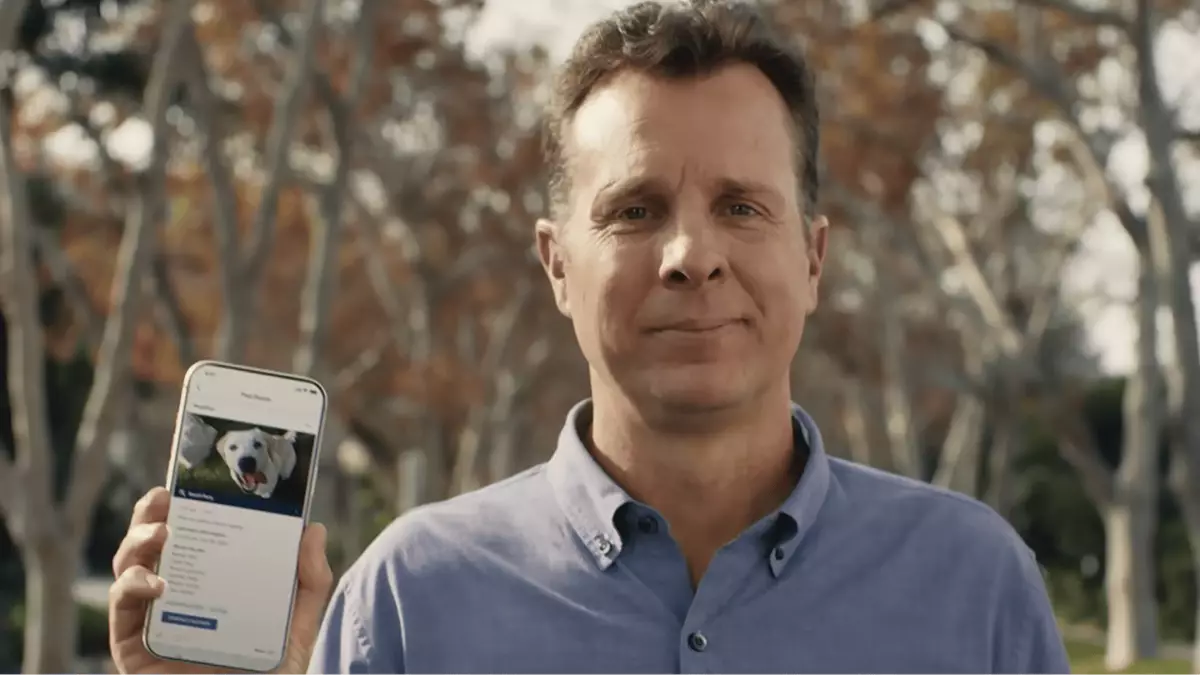
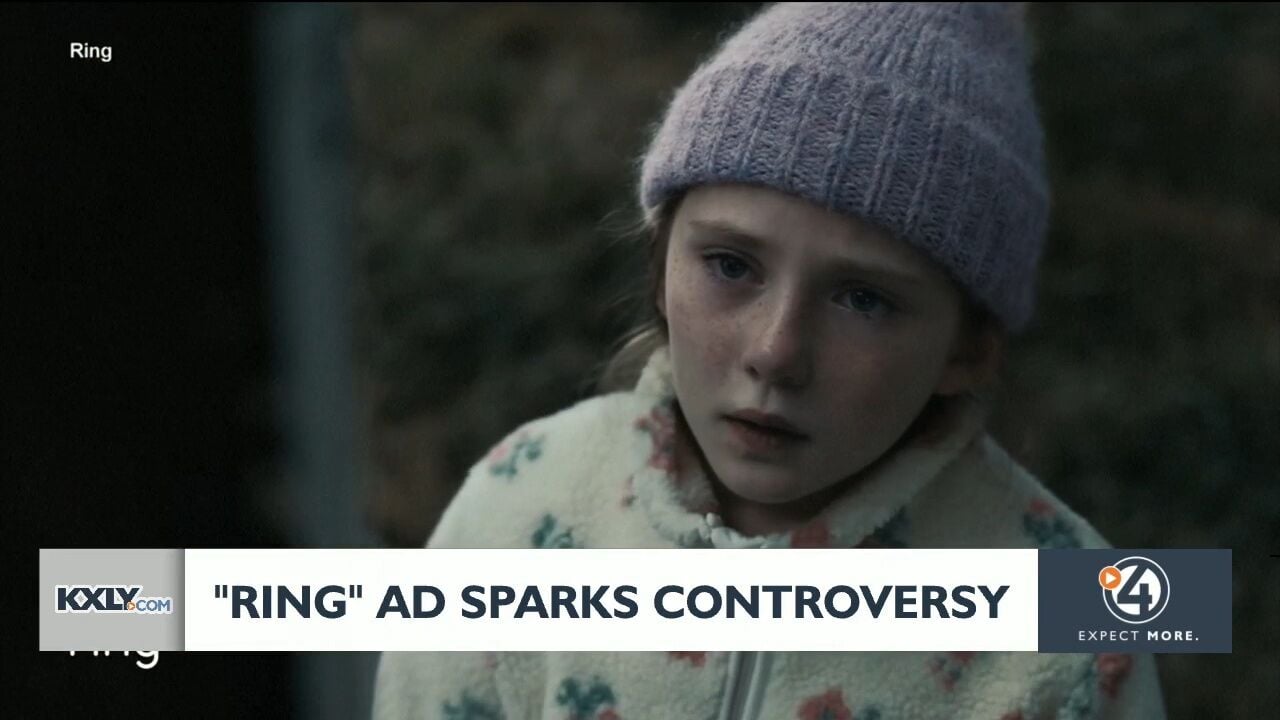
Amazon's February 13, 2026 cancellation of its Ring-Flock Safety partnership represents a critical inflection point in the smart home security market, with direct implications for e-commerce sellers in home security, privacy-focused tech, and consumer electronics categories. The partnership collapse—announced just days after Amazon's Super Bowl "Search Party" advertisement sparked public backlash over facial recognition capabilities—signals that consumer trust and regulatory compliance have become primary competitive differentiators in the $8.2B smart home security market.
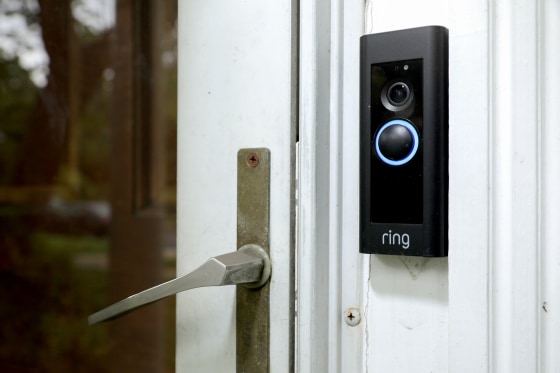
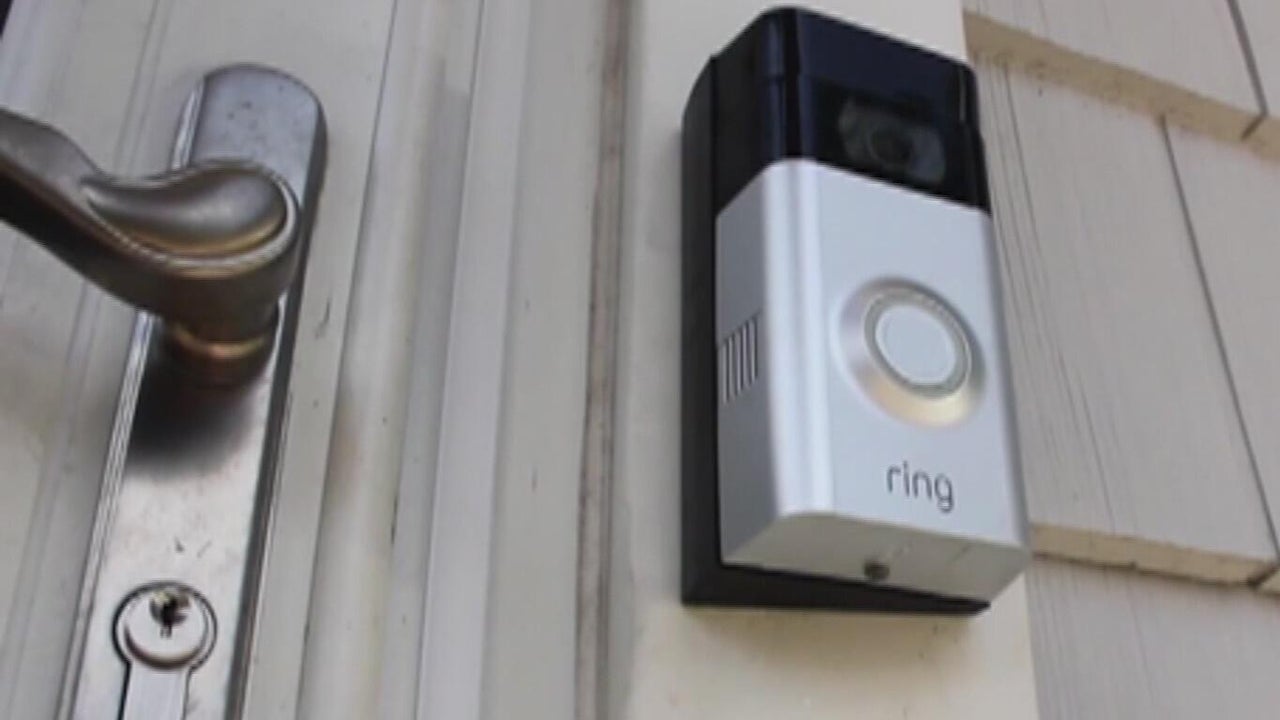
The regulatory and reputational context is crucial for sellers. Ring's 2023 FTC settlement ($5.8M penalty) for allowing unrestricted employee access to customer videos established that data governance failures carry significant financial penalties. With 27% of U.S. households now using doorbell cameras (Parks Associates data), the market has reached critical mass where privacy concerns directly impact purchasing decisions. The Flock partnership cancellation demonstrates that even Amazon—with its dominant Ring market share—cannot ignore public sentiment around surveillance integration. This creates immediate opportunities for sellers in three categories: (1) privacy-focused smart home devices emphasizing end-to-end encryption and local processing, (2) transparent data governance solutions and privacy audit tools, and (3) alternative security products from competitors like Wyze, Logitech, and Eufy that explicitly market privacy-first positioning.
For Amazon sellers specifically, this signals a strategic pivot in how Ring features will be marketed and developed. Amazon maintains its Axon partnership for law enforcement integration, but the Flock cancellation indicates Amazon is recalibrating its approach to balance law enforcement partnerships with consumer privacy expectations. This creates a 6-12 month window where sellers can capitalize on consumer anxiety about surveillance by positioning alternative products with transparent privacy policies, local storage options, and explicit opt-in data sharing (rather than default integration). The Super Bowl advertisement backlash—with Senator Ed Markey's "creepy" characterization gaining mainstream traction—demonstrates that privacy messaging resonates powerfully with affluent, tech-aware consumers who represent the highest-value smart home buyers.
The broader market implication extends to data governance as a competitive moat. Sellers offering smart home products with transparent privacy policies, third-party security audits, and granular user consent controls will command premium positioning and customer loyalty. The FTC's $5.8M penalty establishes precedent that data mishandling carries material financial risk, making privacy compliance a table-stakes requirement rather than optional feature. For cross-border sellers entering the US smart home market, explicit privacy certifications (SOC 2, ISO 27001) and transparent data residency policies will become essential differentiators against established players.
问题 7
How does the Flock partnership cancellation impact Amazon's broader smart home strategy?
The cancellation indicates Amazon is recalibrating its balance between law enforcement partnerships and consumer privacy expectations. Despite maintaining its Axon contract, the Flock decision signals Amazon recognizes that aggressive surveillance integration damages Ring's brand positioning and customer trust. This creates strategic uncertainty around future law enforcement integrations, suggesting Amazon will implement stricter approval processes for data-sharing partnerships. For sellers, this means Amazon may introduce new compliance requirements or data governance standards for smart home products. Sellers should monitor Amazon Seller Central announcements for policy updates regarding customer data access, third-party integrations, and privacy certifications. The broader implication is that data governance will become a competitive moat—sellers with transparent, audited privacy practices will command premium positioning and customer loyalty.
What messaging strategies will resonate with consumers concerned about smart home surveillance?
Effective messaging emphasizes three pillars: (1) Local processing and storage (data never leaves the device), (2) Explicit user consent (granular controls, no default sharing), and (3) Third-party verification (independent security audits, certifications). The Super Bowl backlash demonstrates that consumers respond negatively to perceived surveillance capabilities, even when technically optional. Sellers should avoid marketing language suggesting law enforcement integration, facial recognition, or automatic data sharing. Instead, emphasize privacy-first positioning with concrete technical details (encryption standards, data residency, access logs). Highlight any independent security certifications or privacy audits prominently. Consumer research shows that affluent, tech-aware buyers (Ring's core demographic) prioritize transparent data governance over feature richness, making privacy messaging a primary conversion driver for premium-positioned smart home products.