




Industrial Safety Compliance Overhaul | Supply Chain Risk & Seller Sourcing Impact
- Nippon Steel's operational takeover signals stricter OSHA enforcement; US manufacturers face $118K+ penalties; sellers sourcing steel-dependent products must verify supplier compliance certifications by Q1 2025








概览
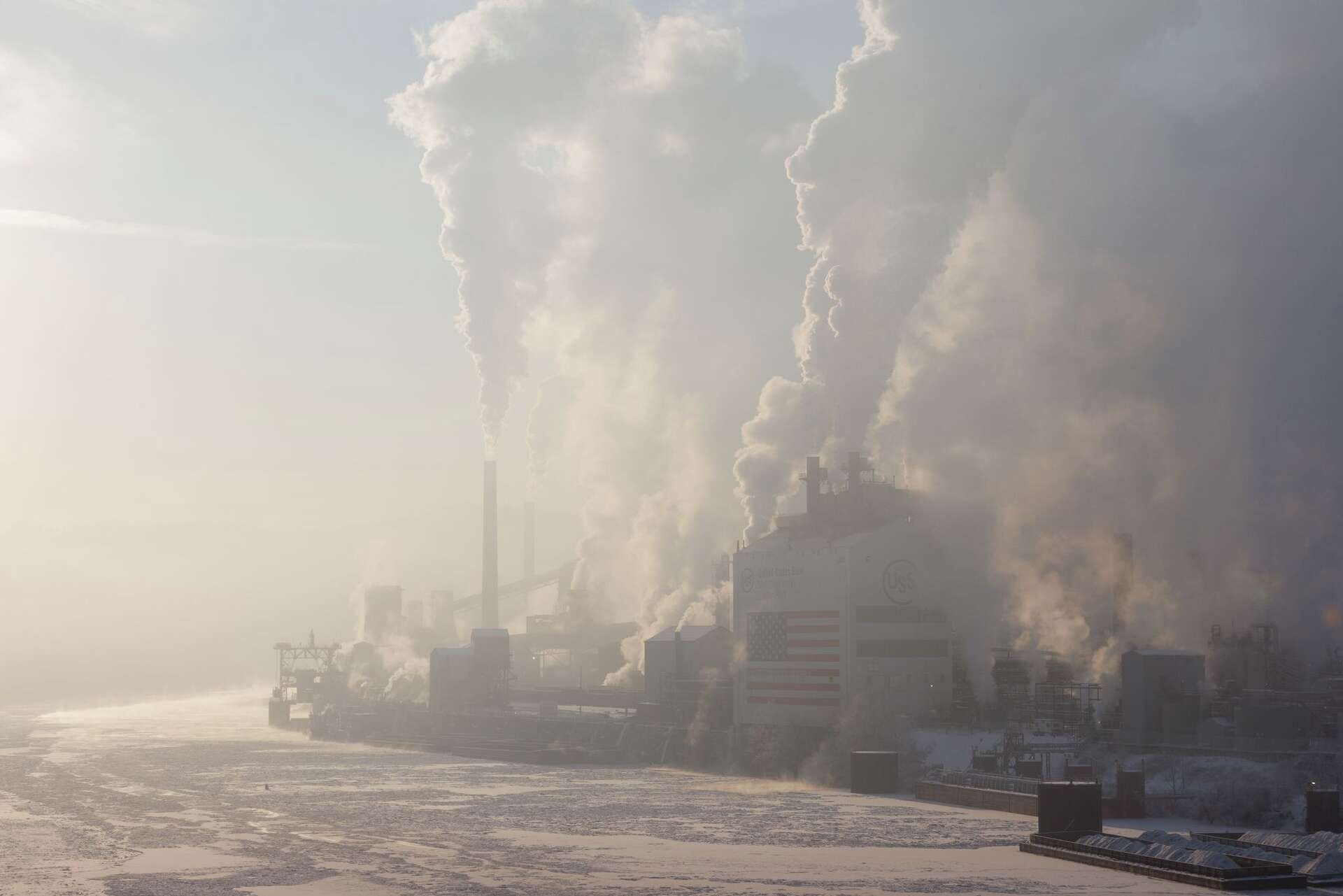
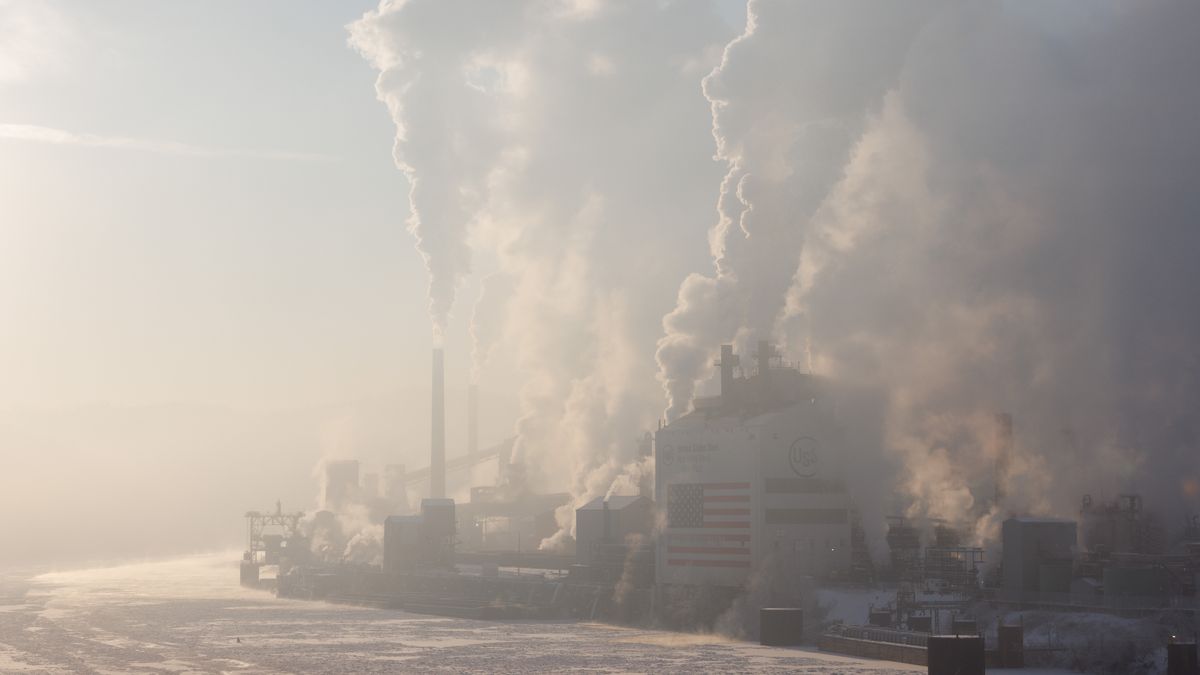
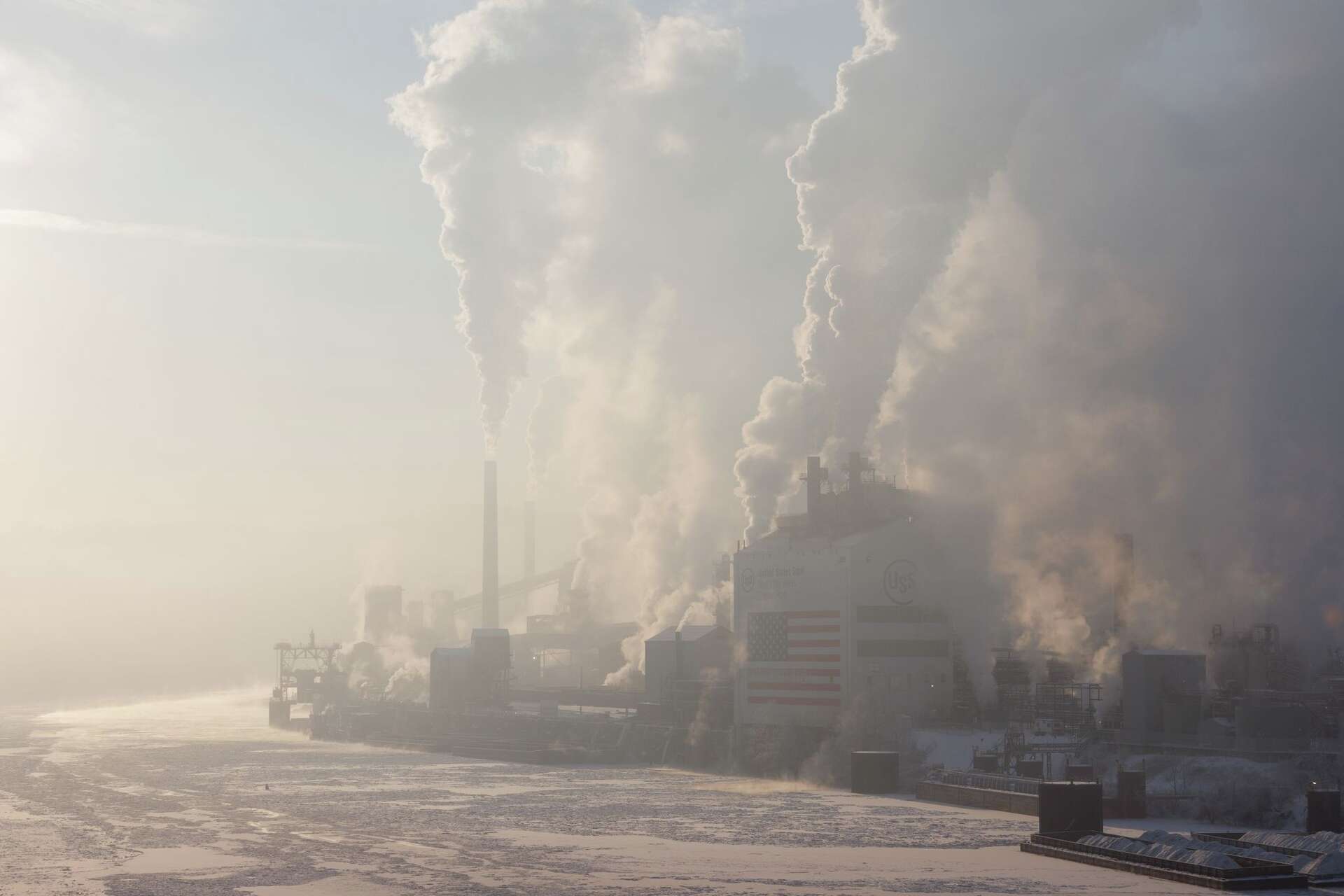
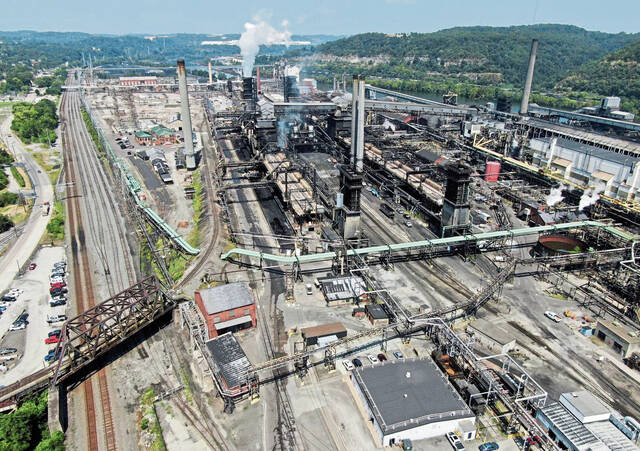
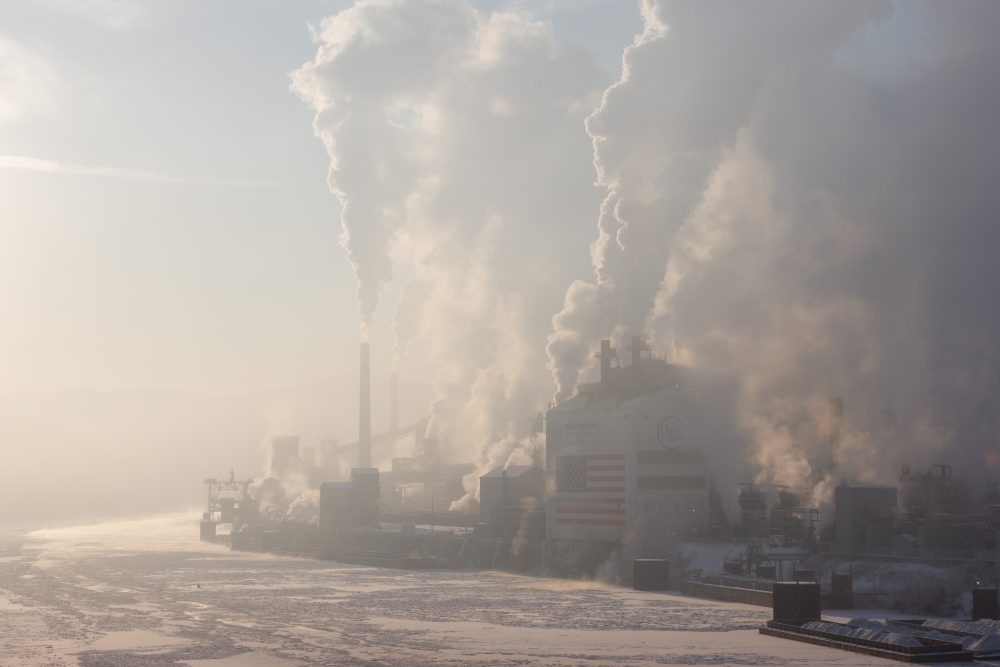
The deadly explosion at US Steel's Clairton mill outside Pittsburgh and subsequent $118,000 OSHA fine represent a critical inflection point in industrial safety compliance that directly impacts e-commerce sellers sourcing from US manufacturers. Nippon Steel's assumption of operational control—occurring approximately six months post-incident—signals a fundamental shift toward stricter safety standards and regulatory enforcement that will ripple through supply chains for steel-dependent product categories.
For e-commerce sellers, this compliance tightening creates both risks and opportunities. Sellers sourcing metal components, tools, industrial supplies, or any products containing steel face potential supply chain disruptions as manufacturers implement new safety protocols. The $118,000 fine demonstrates OSHA's enforcement intensity; similar violations at other facilities could trigger production shutdowns, delivery delays, and cost increases of 8-15% for affected suppliers. Sellers relying on just-in-time inventory from US steel mills must now build 2-4 week buffer stock to mitigate disruption risk.
The Nippon Steel transition introduces Japanese manufacturing standards (ISO 45001, stricter than US OSHA baselines) into US operations. This creates a compliance moat: suppliers achieving Nippon's standards will command premium pricing but gain competitive advantage through reliability certifications. Sellers can leverage this by sourcing from newly-certified suppliers and marketing products as "safety-certified" or "ISO-compliant manufactured"—a differentiator worth 5-12% price premiums in B2B and industrial product categories on Amazon Business, eBay Pro, and Alibaba.
The incident also accelerates demand for compliance documentation and safety certifications. Sellers importing finished goods or components must now verify supplier OSHA compliance status, ISO certifications, and safety audit records—requirements that weren't previously enforced at scale. This creates service gaps: compliance verification platforms, supplier audit tools, and certification management software are underserved. Sellers can partner with or build these services, or simply demand compliance documentation from suppliers, creating a competitive advantage through supply chain transparency.
Regional sourcing shifts are inevitable. Sellers currently dependent on Pennsylvania/Ohio steel suppliers should diversify to Japanese, German, or Canadian manufacturers with established safety records. This geographic diversification reduces single-point-of-failure risk and positions sellers to capitalize on "made in Japan" or "ISO-certified" product positioning in premium categories.
问题 7
Which product categories face the highest compliance risk from this incident?
Categories most affected include industrial tools, metal fasteners, machinery components, construction equipment, automotive parts, and any products containing US-sourced steel. Amazon Business and eBay Pro sellers in these categories should prioritize supplier audits immediately. Consumer product categories (appliances, furniture, sporting goods) face secondary risk through component supply chains. Sellers in low-risk categories (apparel, electronics, home goods) should still verify supply chain exposure—many products contain hidden steel components (springs, fasteners, frames). Conduct a supply chain audit by December 2024 to identify all US steel dependencies.
How does Nippon Steel's management change affect product sourcing strategy?
Nippon Steel's operational control introduces Japanese manufacturing standards (ISO 45001, stricter than OSHA) that will become the new baseline for US steel production. This creates a compliance moat: suppliers achieving Nippon's standards gain competitive advantage and can command premium pricing. Sellers should view this as an opportunity to source from newly-certified suppliers and market products as 'Nippon-certified' or 'Japanese-standard manufactured'—worth 5-12% price premiums in premium categories. The transition also signals potential for Japanese-US manufacturing partnerships; sellers can explore sourcing from Nippon's global supply chain for cost advantages and reliability benefits.