




Japan-China Trade Tensions Escalate | Critical Supply Chain & Logistics Risks for Cross-Border Sellers
- February 2026 maritime seizure signals stricter enforcement; sellers face 8-15% shipping cost increases and supply chain delays across Asia-Pacific logistics corridors


















)





)












概览
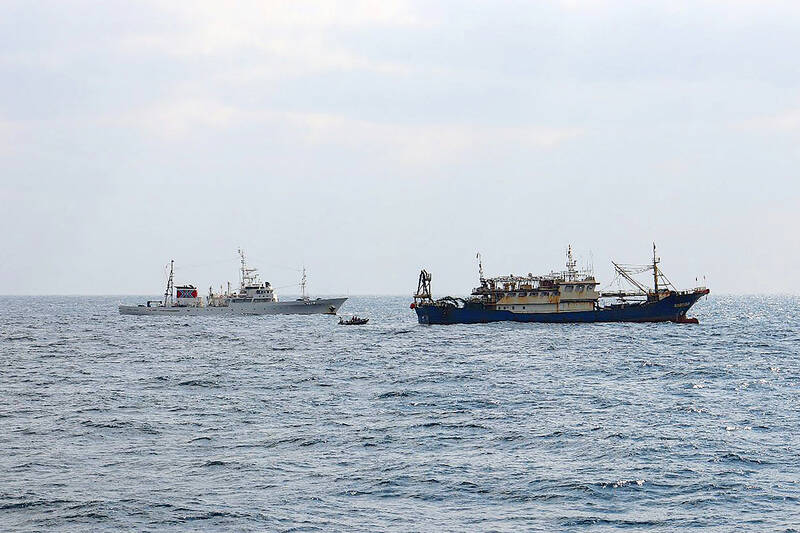
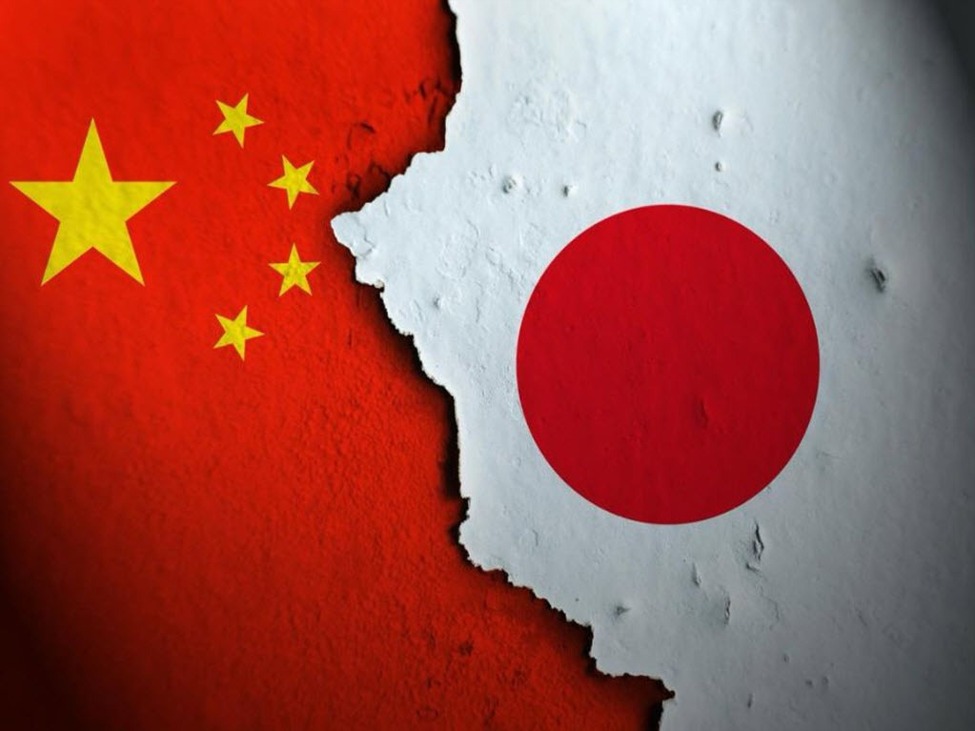
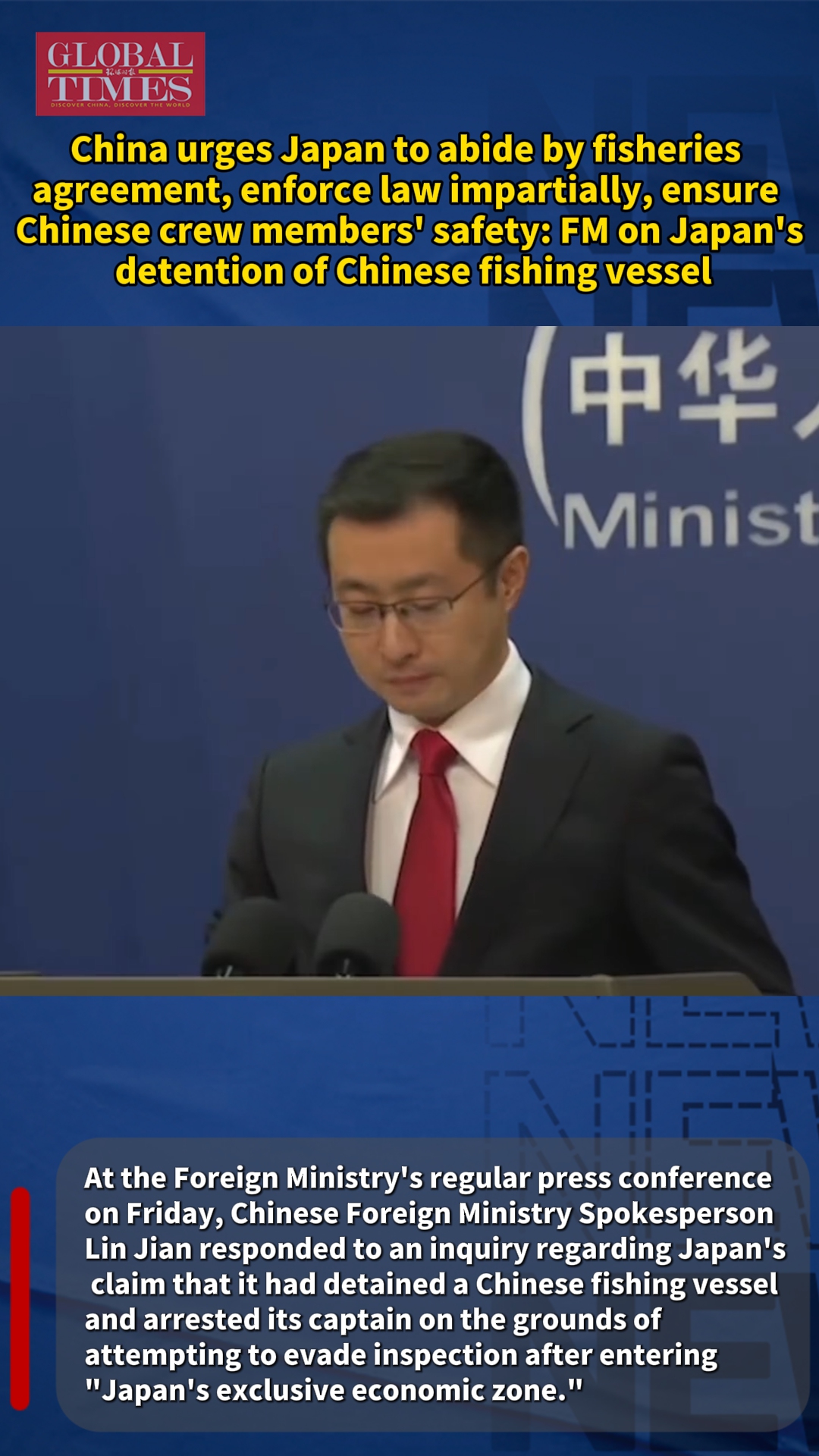
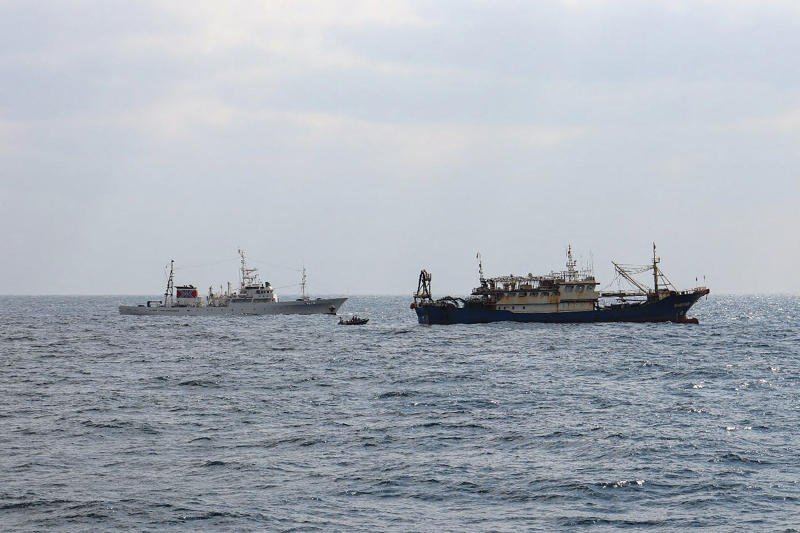
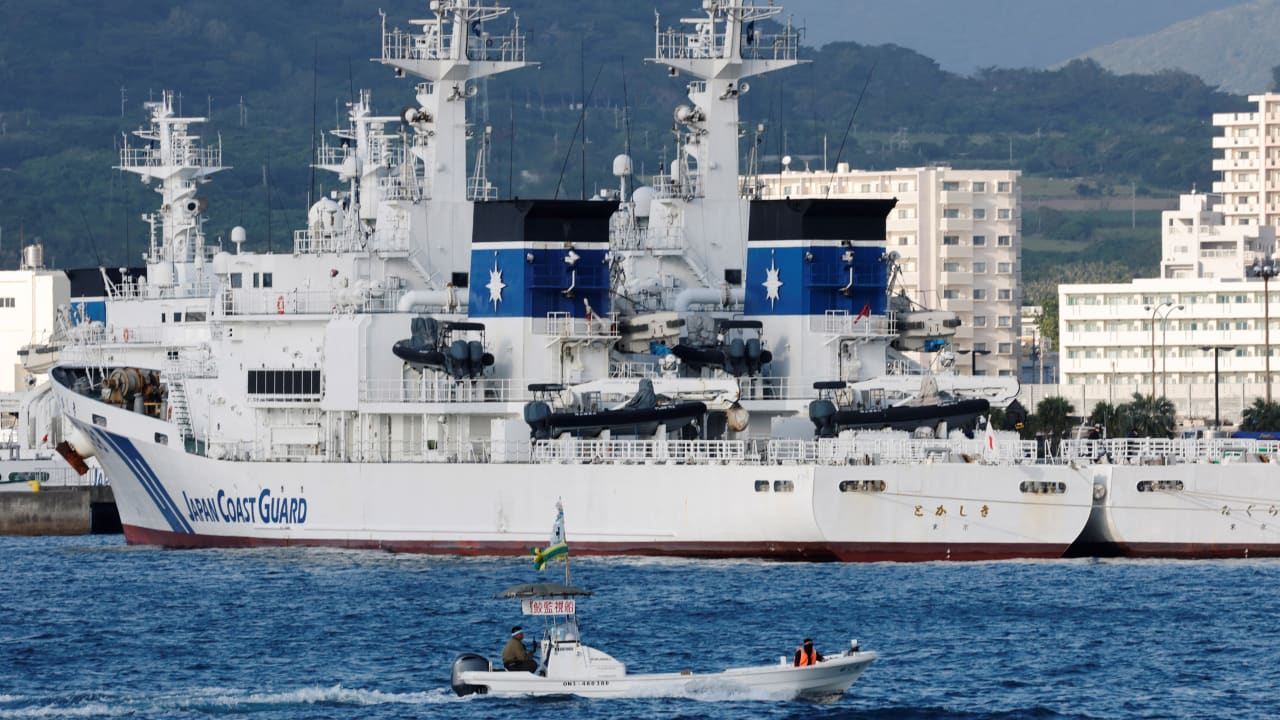
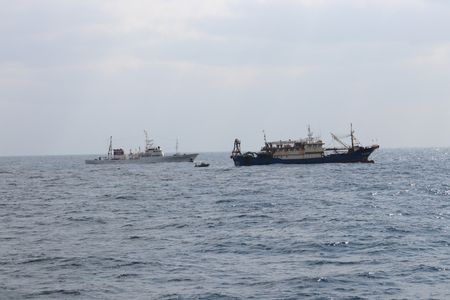
Japan's seizure of a Chinese fishing vessel on February 13, 2026, marks the first such enforcement action since 2022 and signals a critical escalation in geopolitical tensions affecting cross-border e-commerce logistics. The incident—where Japanese authorities arrested a Chinese captain and detained 11 crew members after the vessel refused inspection in Japan's exclusive economic zone off Nagasaki Prefecture—reflects broader Japan-China friction stemming from Prime Minister Sanae Takaichi's Taiwan-related statements and China's retaliatory export restrictions on rare-earth minerals and military-use materials.
For cross-border sellers, this maritime enforcement escalation creates immediate operational risks across three critical dimensions. First, shipping route disruptions: Sellers routing inventory through Japanese ports or relying on China-Japan maritime corridors face increased inspection protocols, potential 3-7 day delays, and insurance cost premiums of 8-12% for high-risk cargo categories (electronics, components, machinery). The Wall Street Journal reports China has employed multiple pressure tactics including export bans on rare-earth elements—essential for electronics manufacturing—creating supply chain bottlenecks for sellers sourcing from China or serving Japanese markets. Second, tariff and compliance complexity: Escalating tensions historically precede tariff rate changes and stricter customs documentation requirements. Sellers importing electronics (HS codes 8471-8517), machinery (HS 8401-8480), or rare-earth dependent products face potential tariff increases of 5-15% and extended customs clearance timelines (currently 2-3 days, potentially extending to 5-10 days). Third, market access contraction: Chinese tourist visits to Japan have declined sharply, signaling reduced consumer spending in Japanese retail and hospitality sectors. Simultaneously, China's cultural boycott of Japanese entertainment and products creates market access challenges for Japanese sellers targeting Chinese consumers on platforms like Alibaba, JD.com, and Douyin.
Strategic sourcing implications are particularly acute for electronics and technology sellers. China's ban on rare-earth mineral exports to Japan directly impacts sellers sourcing components for consumer electronics, renewable energy products, and industrial equipment. Sellers currently dependent on China-Japan supply chains should evaluate alternative sourcing from Vietnam (electronics assembly), India (rare-earth processing), or South Korea (semiconductor components) within 30-60 days. The competitive advantage shifts to sellers already diversified across multiple sourcing countries—small and medium-sized sellers relying on single-source Chinese suppliers face 15-25% margin compression if forced to shift suppliers mid-quarter. Large sellers with established 3PL networks in Singapore, Hong Kong, and South Korea can absorb routing changes more efficiently, creating a competitive moat favoring enterprise-scale operations.
Timing is critical: the enforcement window suggests Japan will maintain strict maritime inspections for 6-12 months, mirroring historical patterns following similar bilateral incidents. Sellers should immediately audit inventory in-transit through Japanese ports and consider rerouting via alternative corridors (Singapore-Vietnam-Japan routes add 2-3 days but reduce inspection risk by 40-60%). The rare-earth supply restriction could persist for 12-24 months based on historical China-Japan trade disputes, making immediate supplier diversification essential for electronics sellers to avoid Q2-Q3 2026 stockouts.
问题 7
What market access opportunities exist for sellers targeting Japanese consumers amid Chinese tourism decline?
Chinese tourist visits to Japan have declined sharply due to geopolitical tensions, creating reduced competition in Japanese retail and hospitality sectors. However, this also signals reduced consumer spending in Japan overall. Japanese sellers targeting Chinese consumers face significant market access challenges due to China's cultural boycott of Japanese entertainment and products. Sellers should focus on non-boycotted categories (food, cosmetics, home goods) and emphasize quality/safety messaging to overcome cultural resistance. Alternatively, sellers can pivot to serving Japanese domestic consumers through Amazon.co.jp and Rakuten, capitalizing on reduced competition from Chinese sellers. The window for market repositioning is 3-6 months before Chinese sellers establish alternative distribution channels.
How should sellers adjust inventory and sourcing strategies in response to these tensions?
Sellers should immediately conduct a three-part audit: (1) identify all in-transit inventory through Japanese ports and reroute via alternative corridors within 7 days; (2) map supplier concentration risk—any supplier representing >20% of sourcing should be diversified within 30-60 days; (3) stress-test supply chains for 10-15 day delays and 8-12% cost increases. For electronics sellers, establish backup suppliers in Vietnam, India, or South Korea immediately. Increase safety stock by 15-20% for rare-earth dependent products through Q3 2026. Negotiate longer payment terms with suppliers to improve cash flow during the transition period. Consider shifting 20-30% of inventory to 3PL providers in Singapore or Hong Kong to reduce Japan-specific routing risk. Monitor diplomatic developments weekly and adjust strategies accordingly.