


)

Bangladesh Political Stability Surge | Supply Chain & Sourcing Opportunities for Cross-Border Sellers
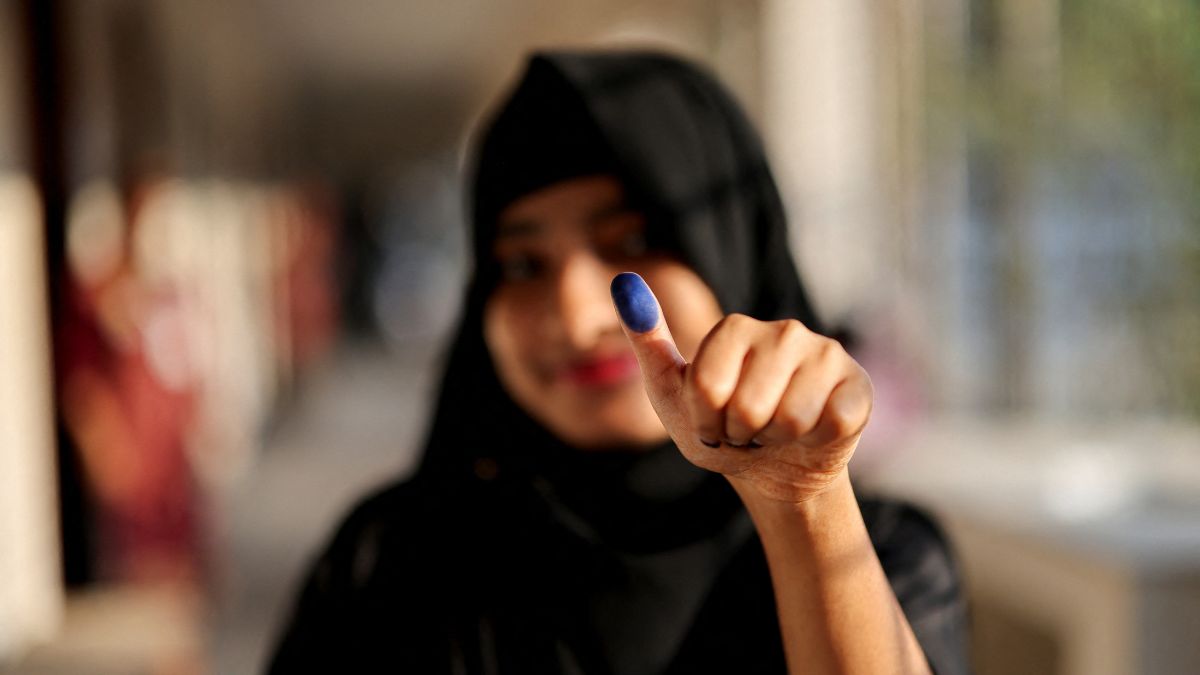
- BNP secures 209/297 parliamentary seats (70% majority) on Feb 12, 2025; 60% voter turnout signals political certainty for textile/apparel sourcing from world's 2nd-largest garment exporter



)

)



)


)













概览
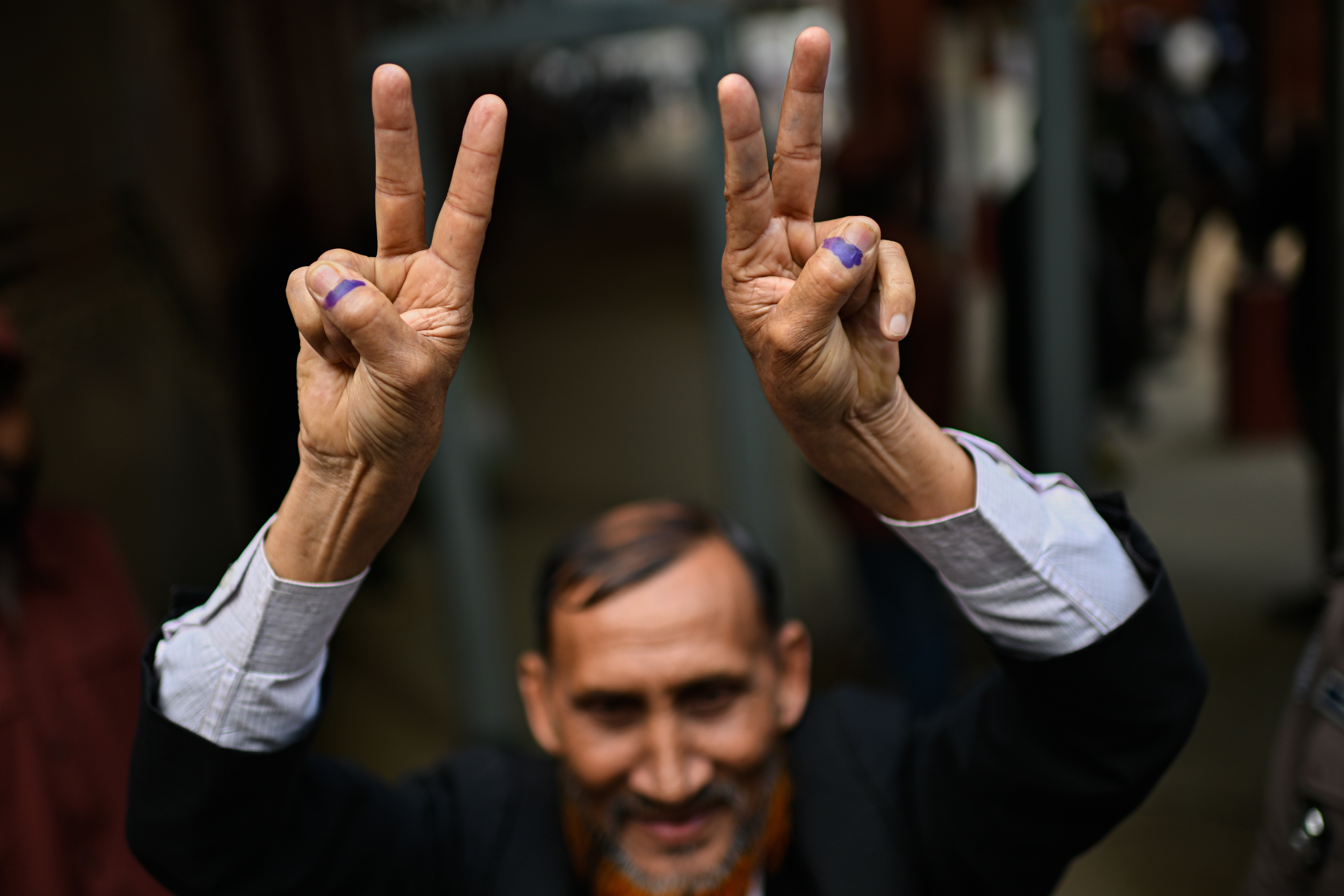
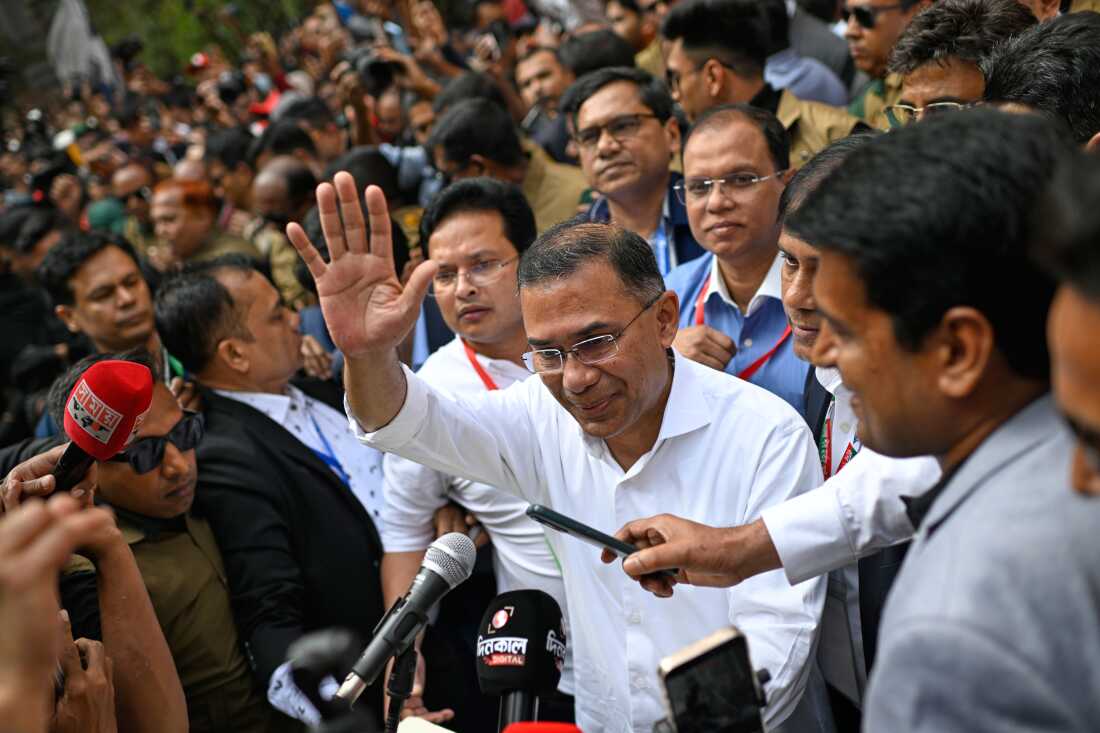
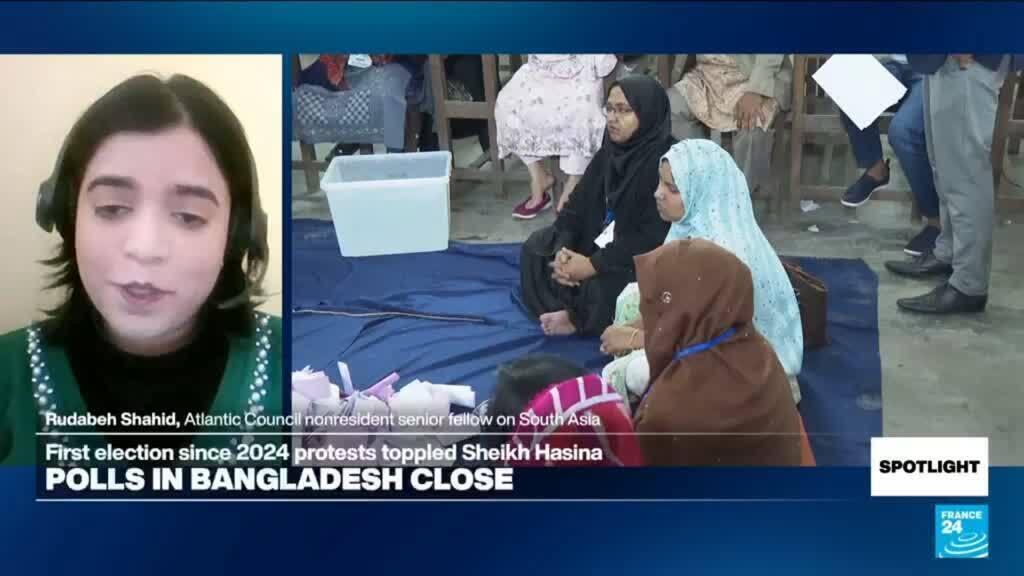
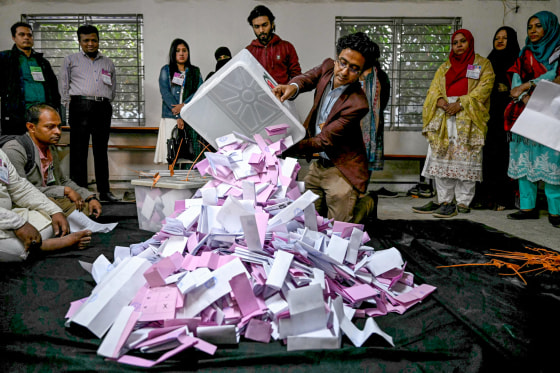
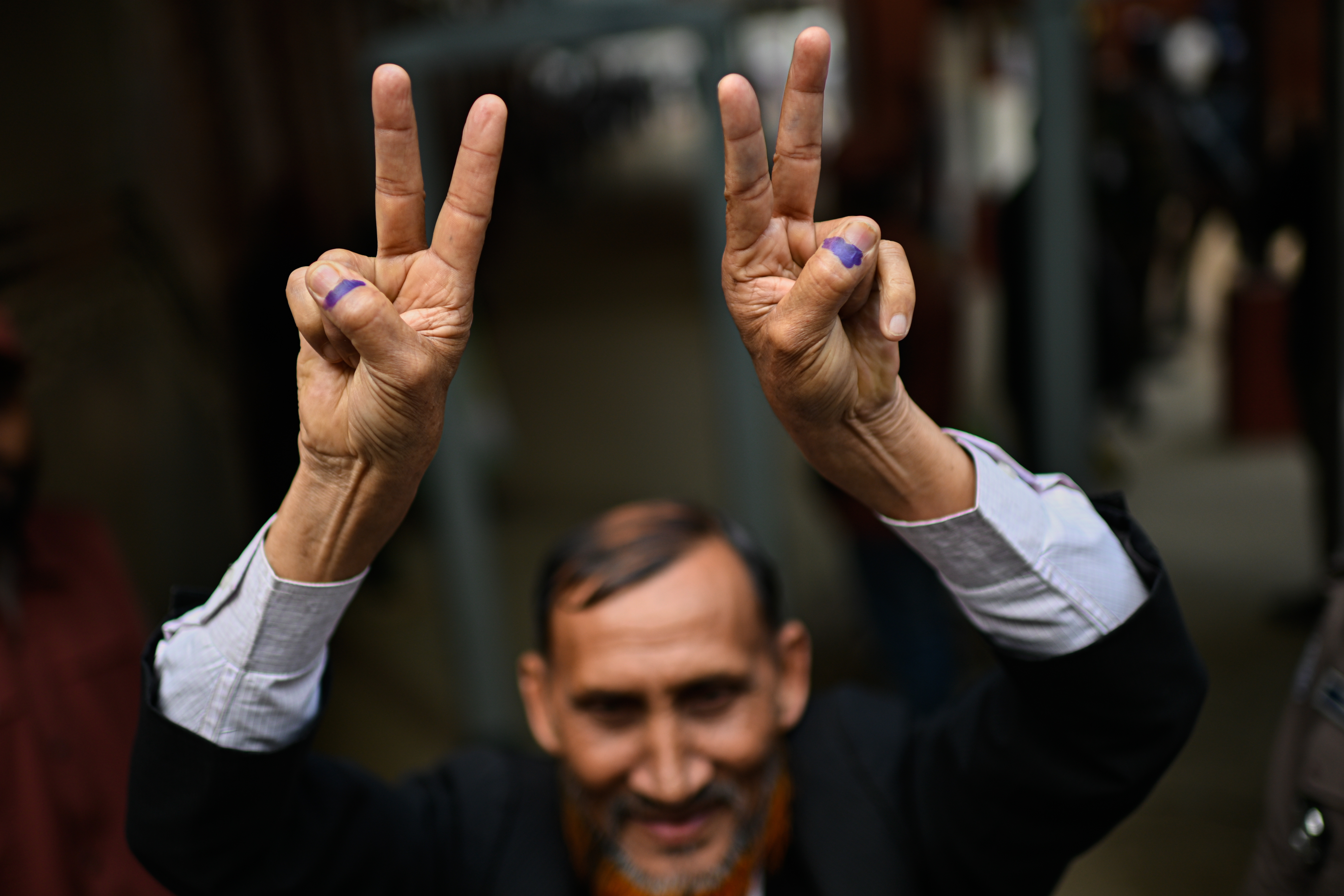
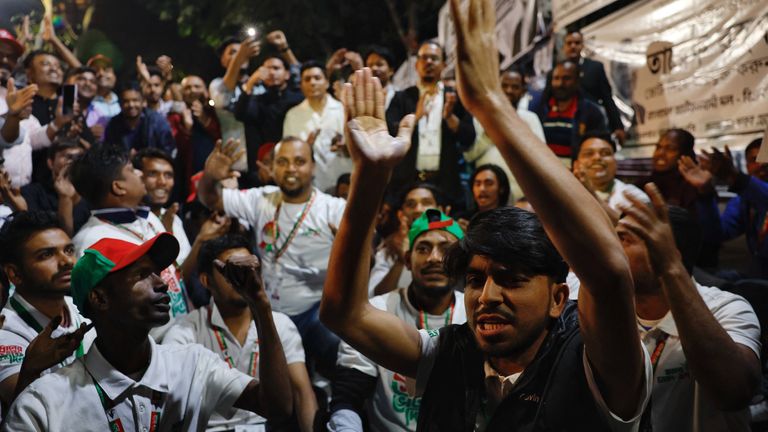
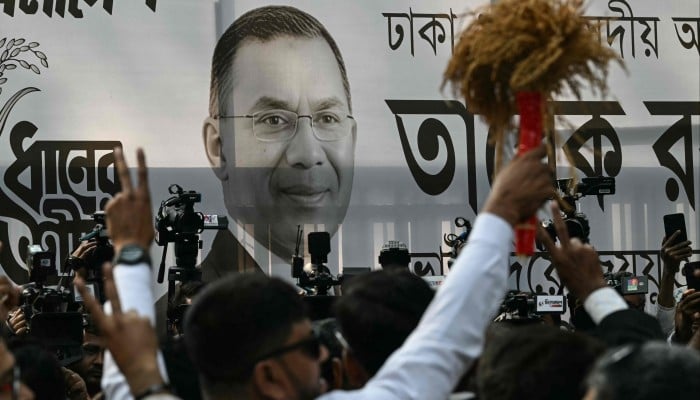
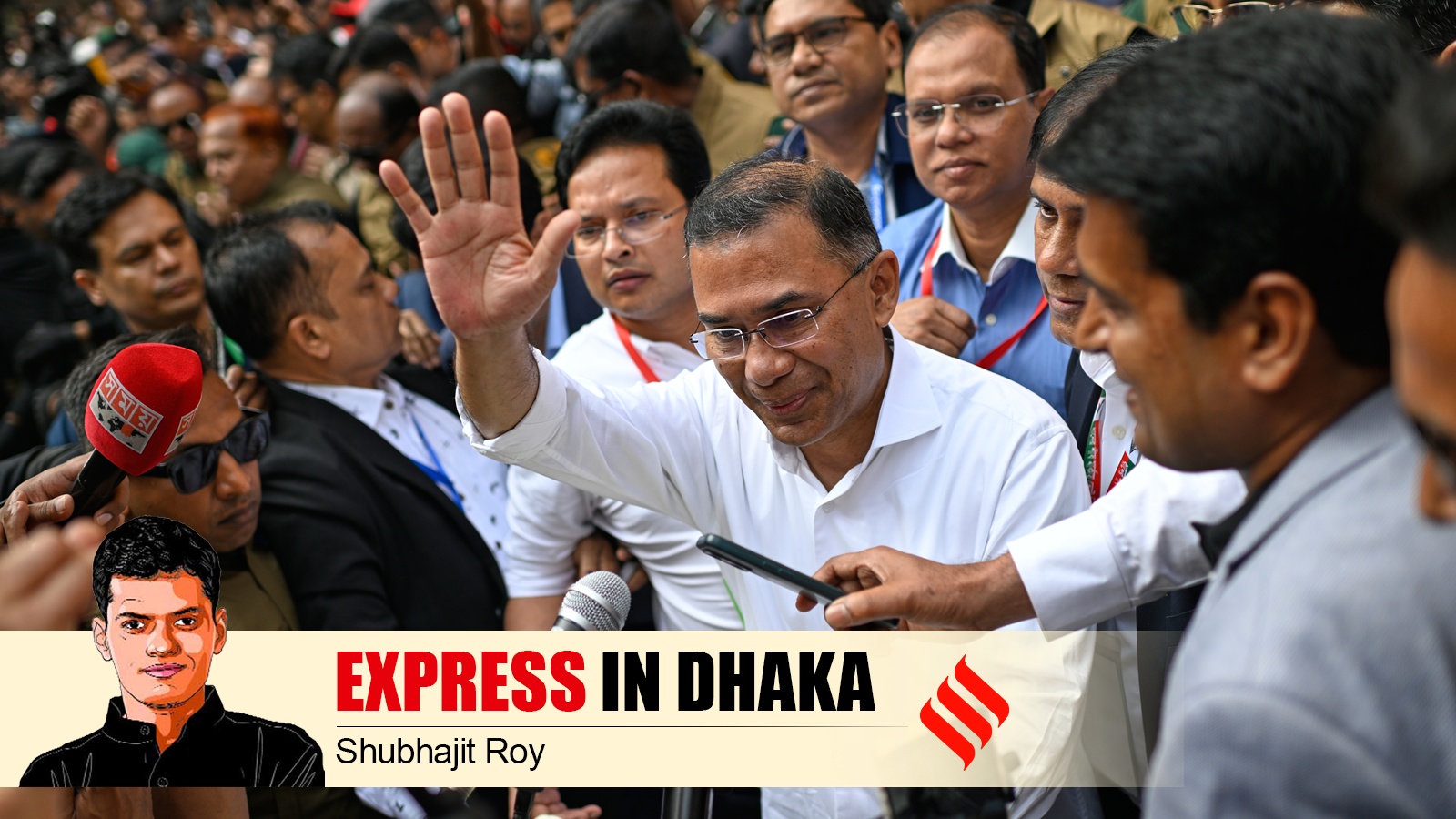
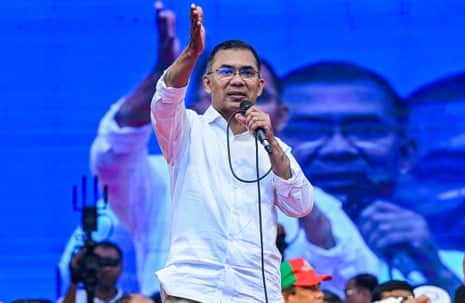
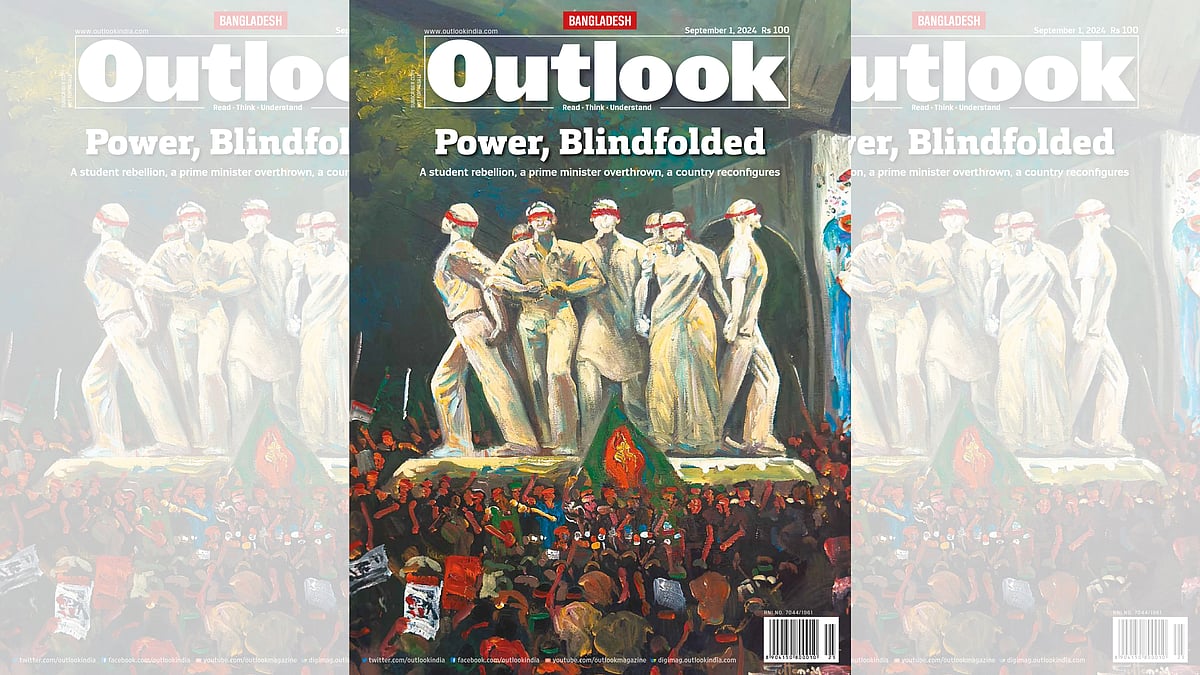
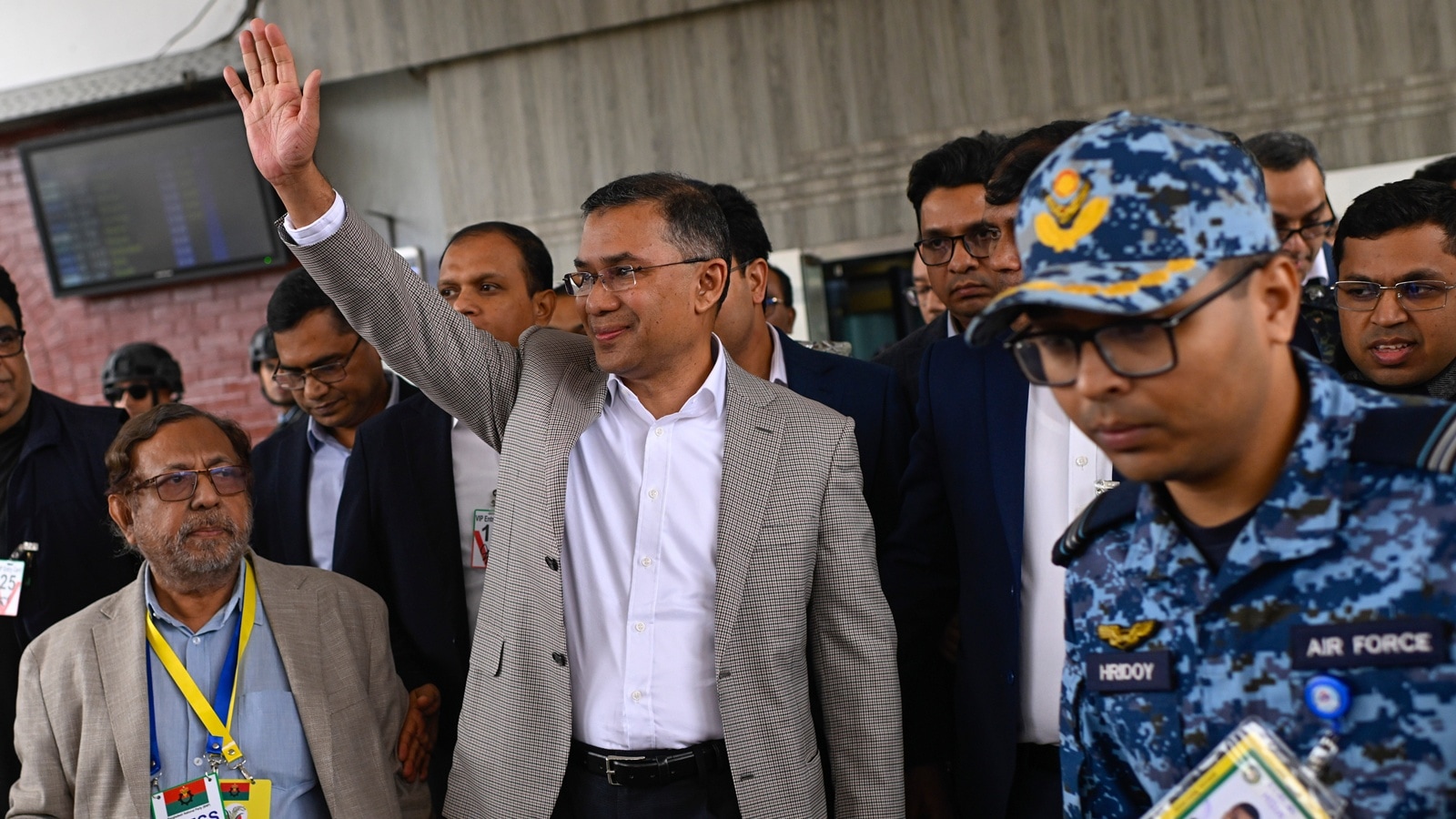
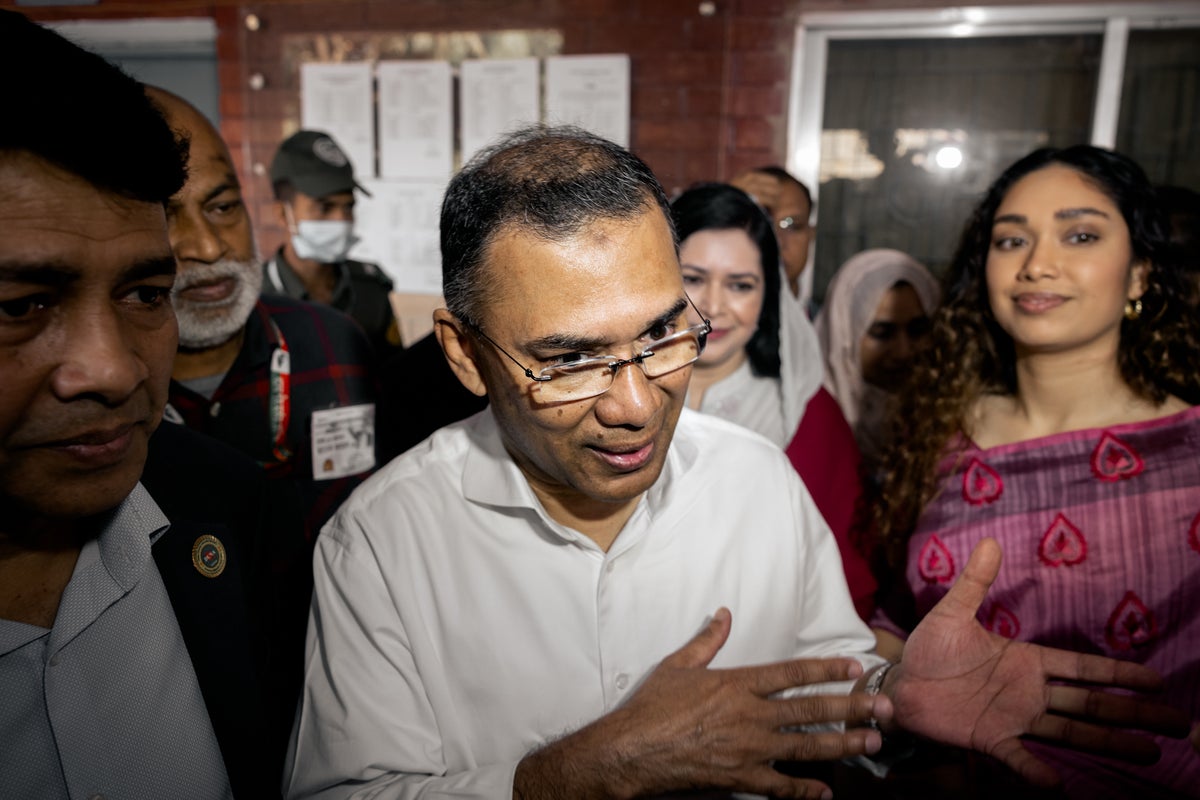
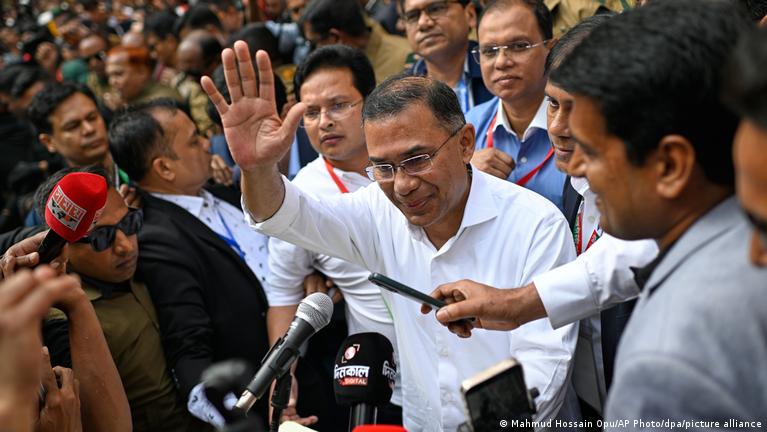
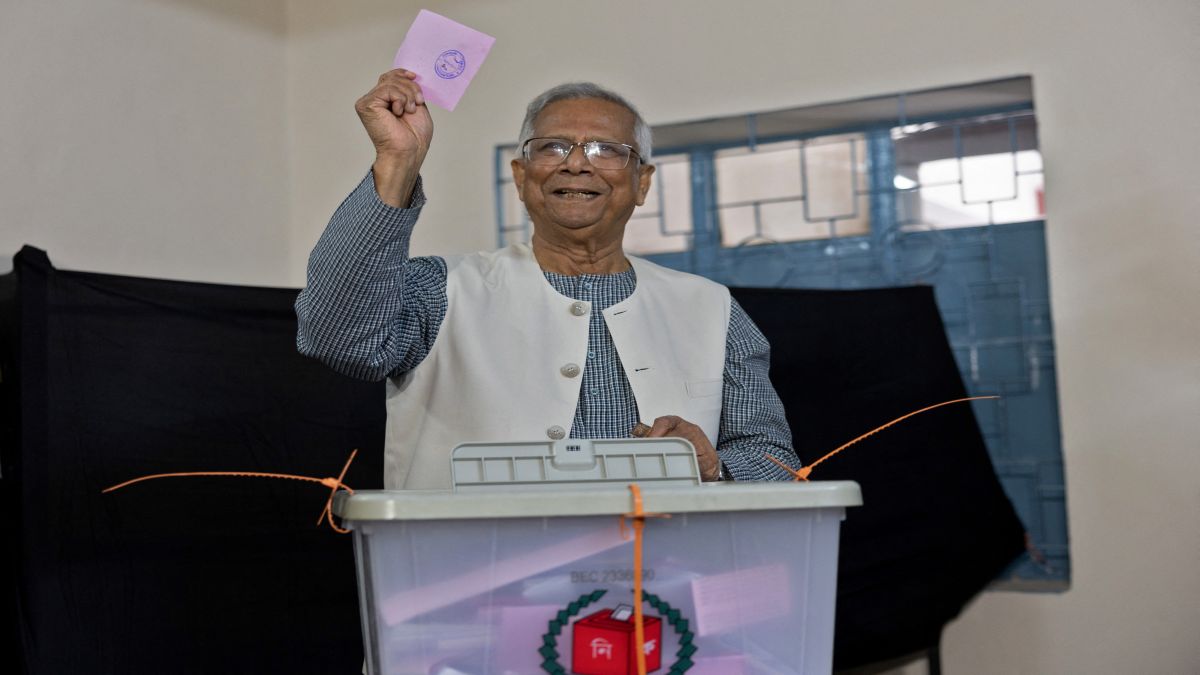
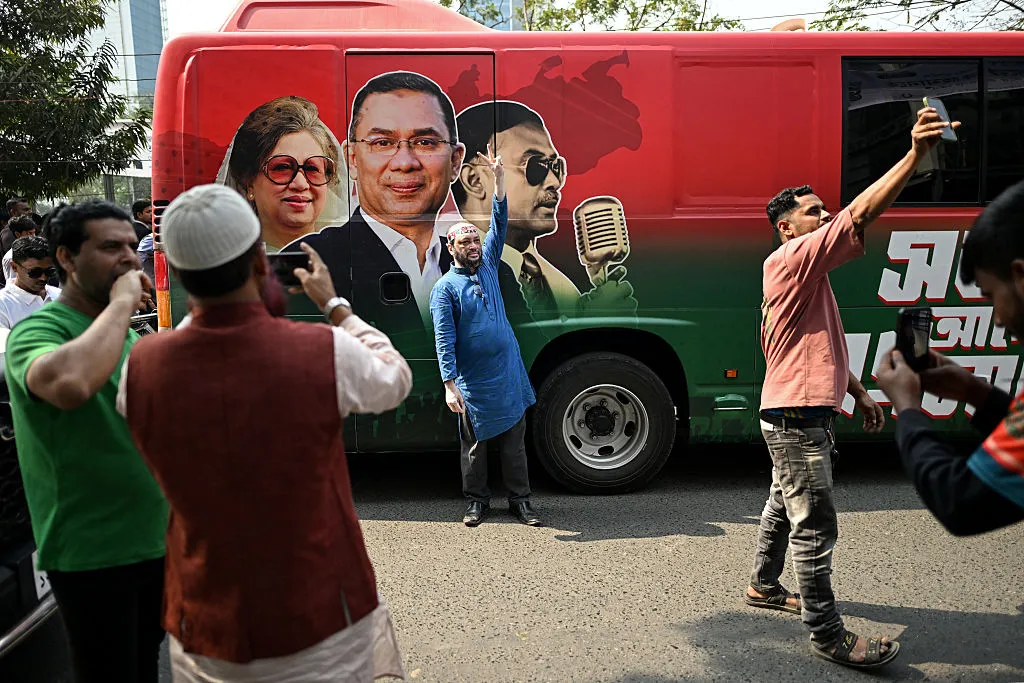
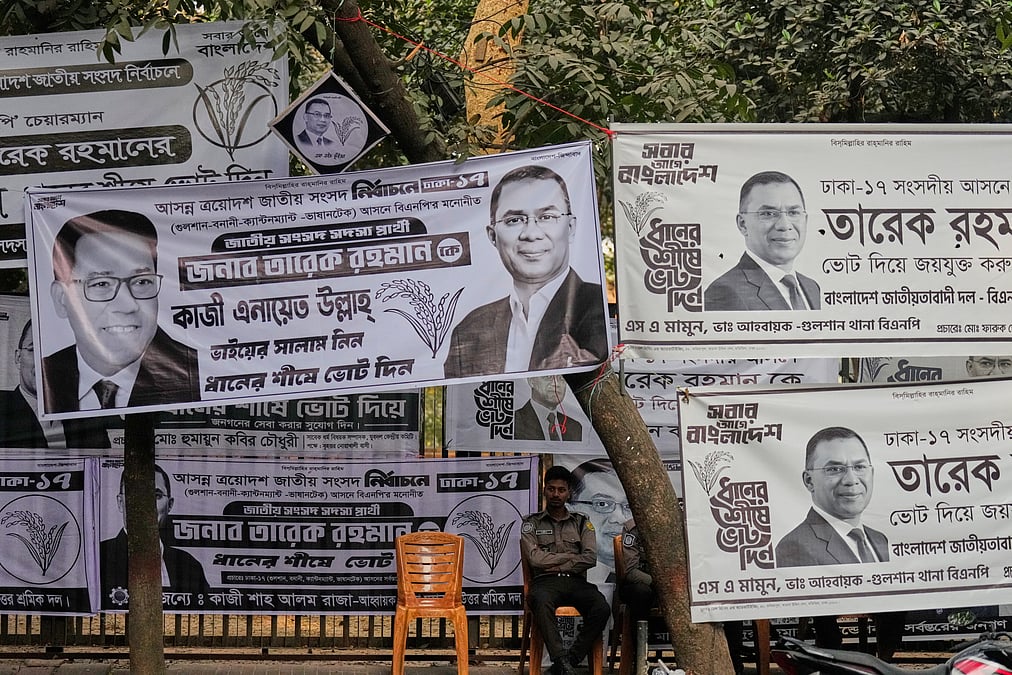
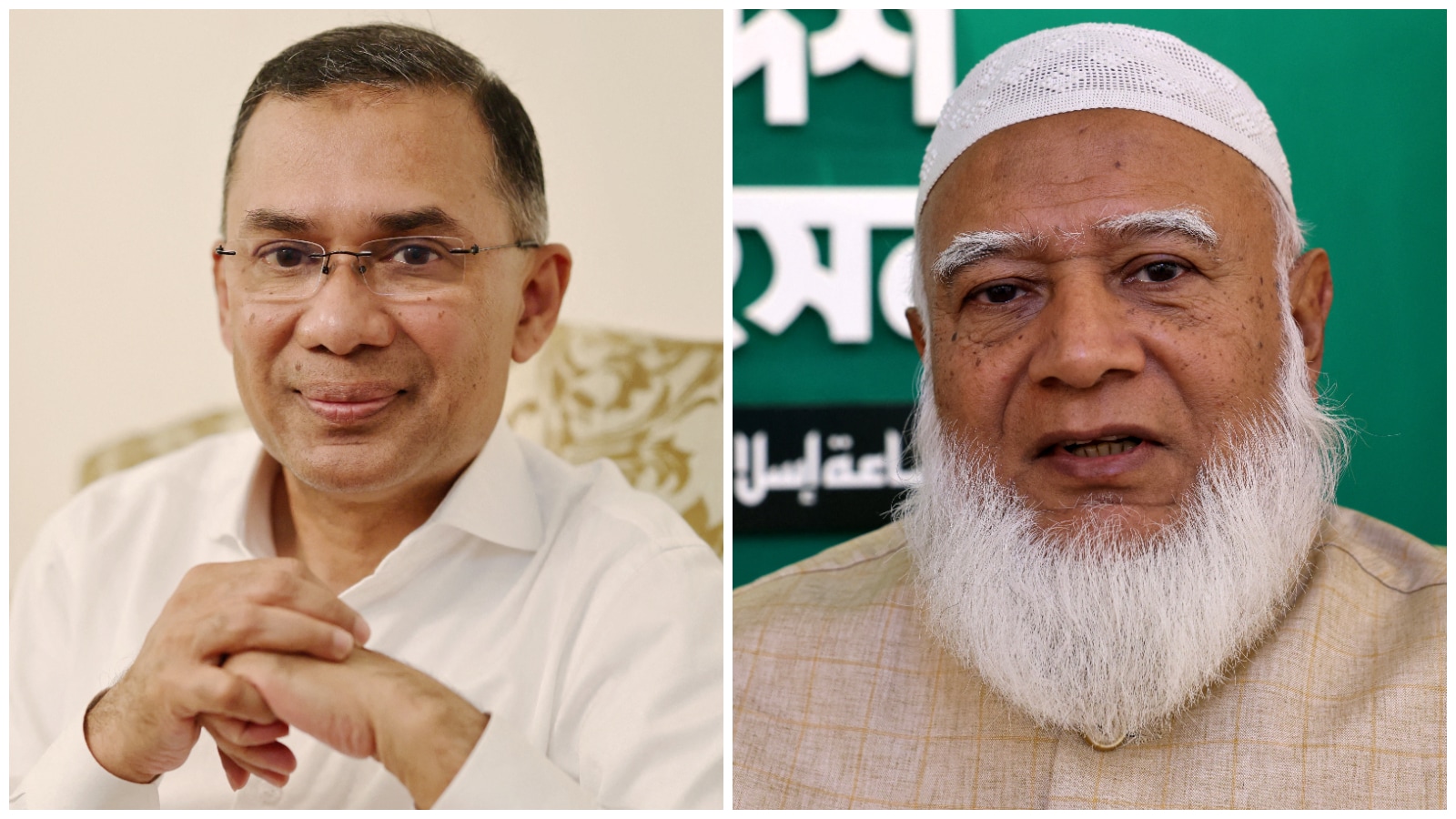
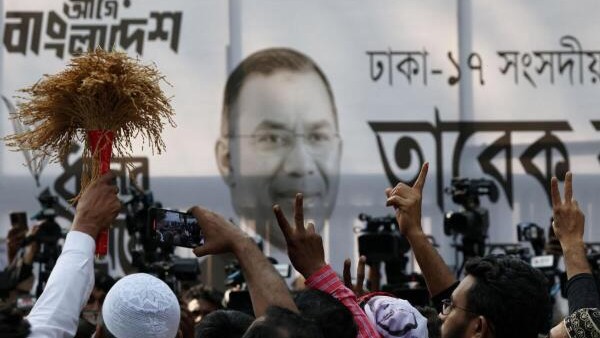
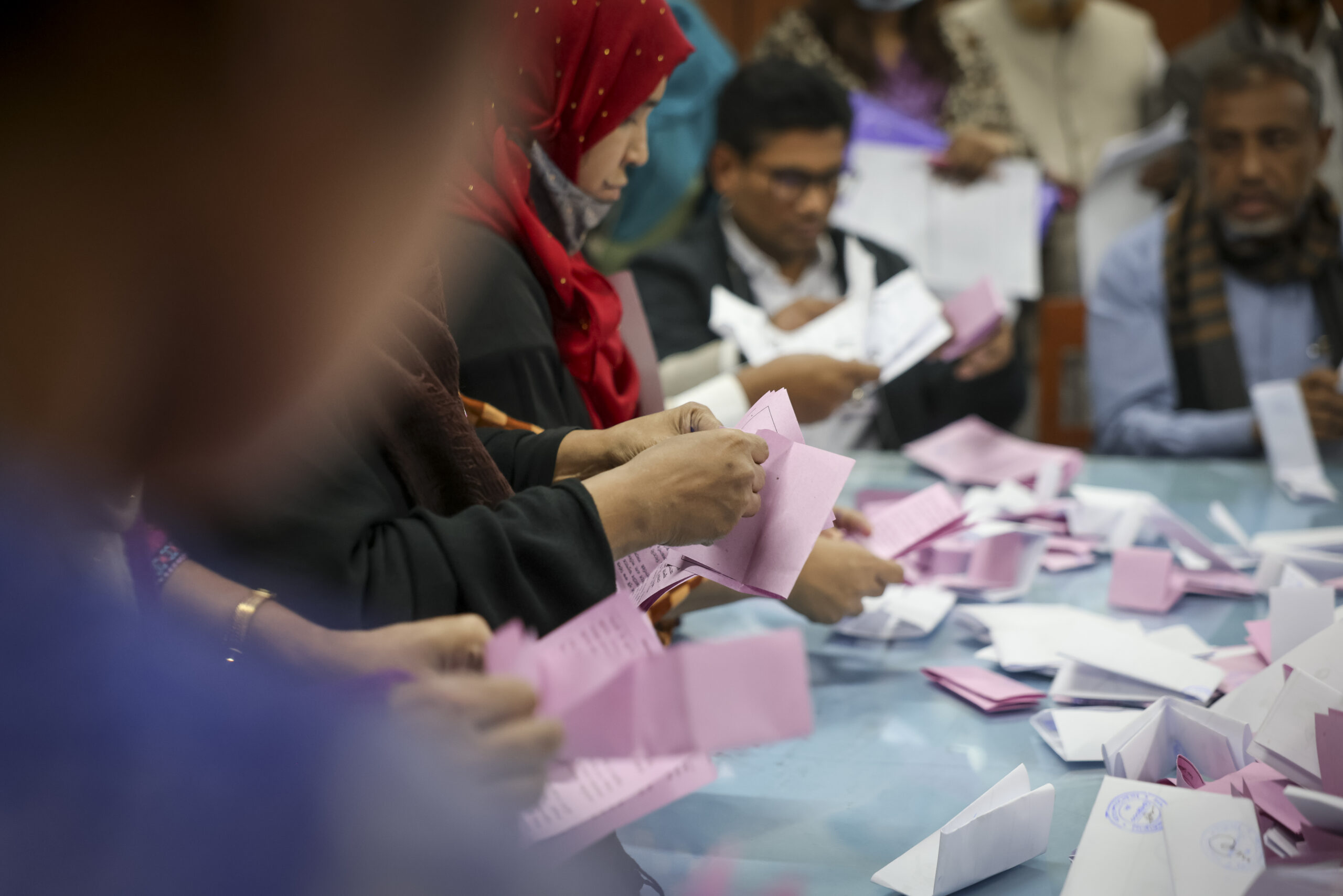
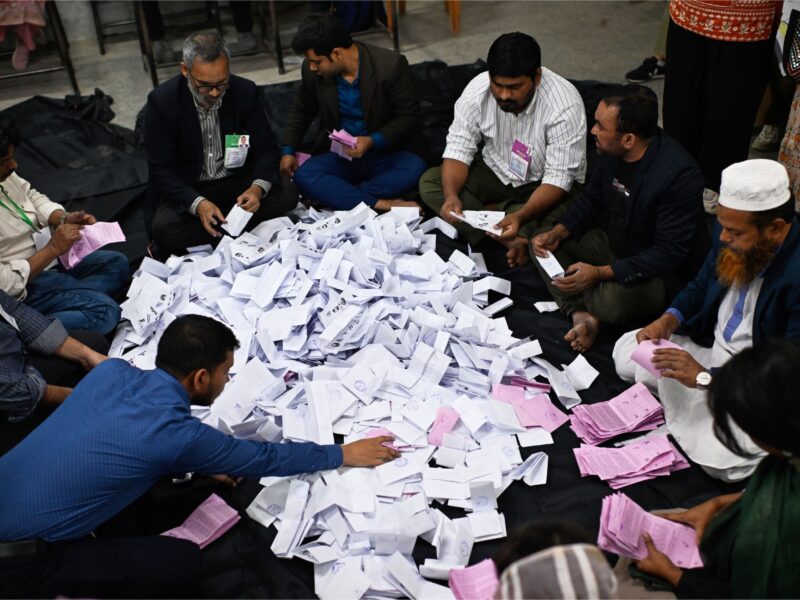
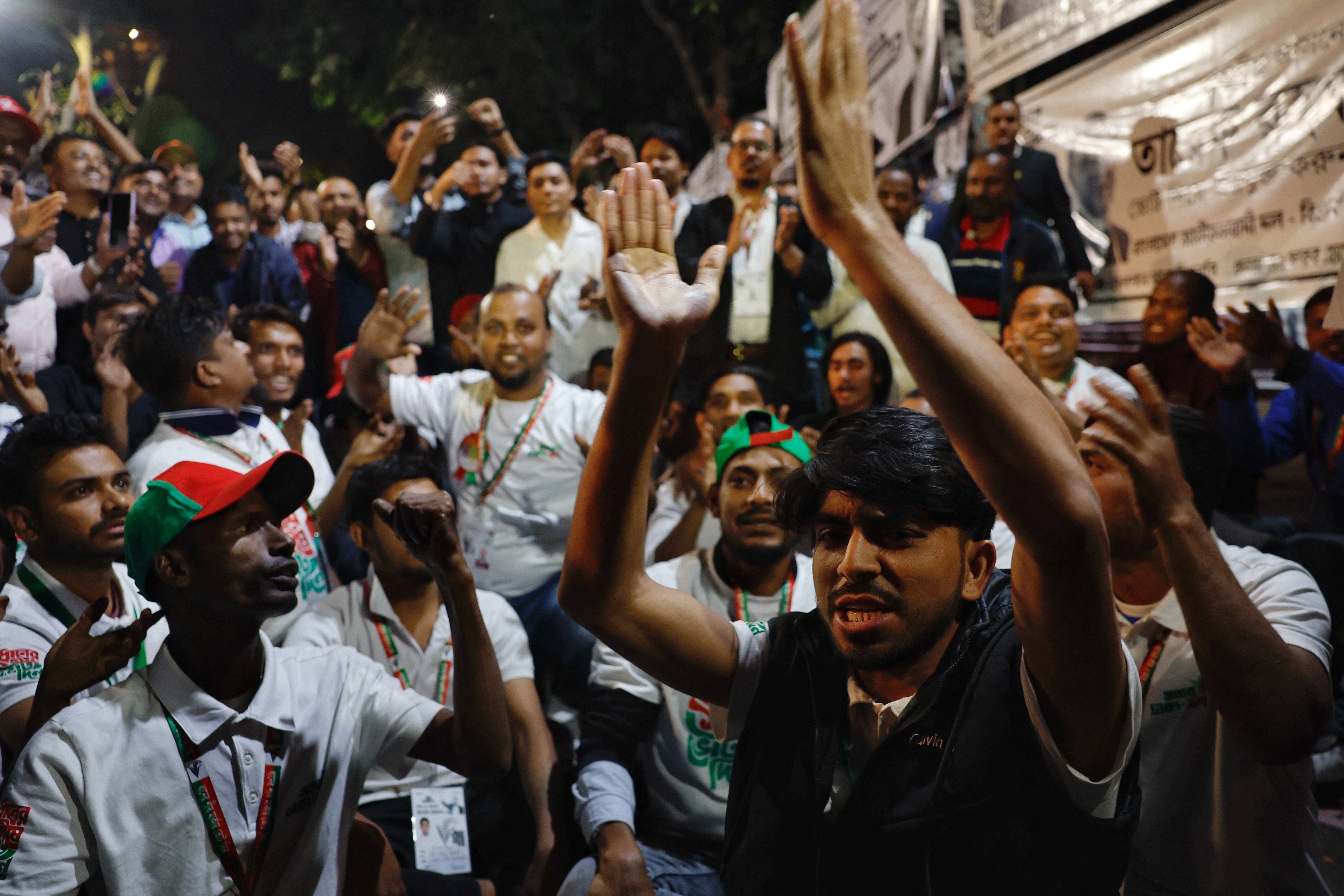
Bangladesh's February 12, 2025 election delivered a decisive political mandate that fundamentally reshapes the risk calculus for cross-border e-commerce sellers sourcing from or operating in this critical manufacturing hub. The Bangladesh Nationalist Party (BNP) secured 209 of 297 announced parliamentary seats (70% supermajority), with 60% voter turnout and 299 of 300 seats contested, marking the first democratically elected government since the July 2024 uprising that toppled Prime Minister Sheikh Hasina. This landslide victory—comparable to the BNP's 2001 surge—reflects voter preference for political familiarity during uncertain times, according to Dhaka University development studies professor Asif Mohammad Shahan.
For sellers operating in or sourcing from Bangladesh, this political clarity directly impacts supply chain reliability, regulatory consistency, and market access. Bangladesh manufactures approximately 80% of global apparel exports and serves as a major production hub for textiles, consumer goods, and electronics components. The BNP's overwhelming majority enables rapid policy implementation without legislative obstruction, reducing the administrative uncertainty that plagued the transition period. Simultaneously, Bangladesh held a referendum on the July National Charter—a constitutional reform blueprint with 60% voter approval—proposing structural governance changes including a two-chamber parliament and strengthened institutional checks to reduce executive dominance. However, political analysts including Dilara Choudhury warn that the BNP's dominant majority could facilitate policy implementation but may reduce parliamentary accountability, creating potential risks around labor standards, environmental compliance, and customs procedures.
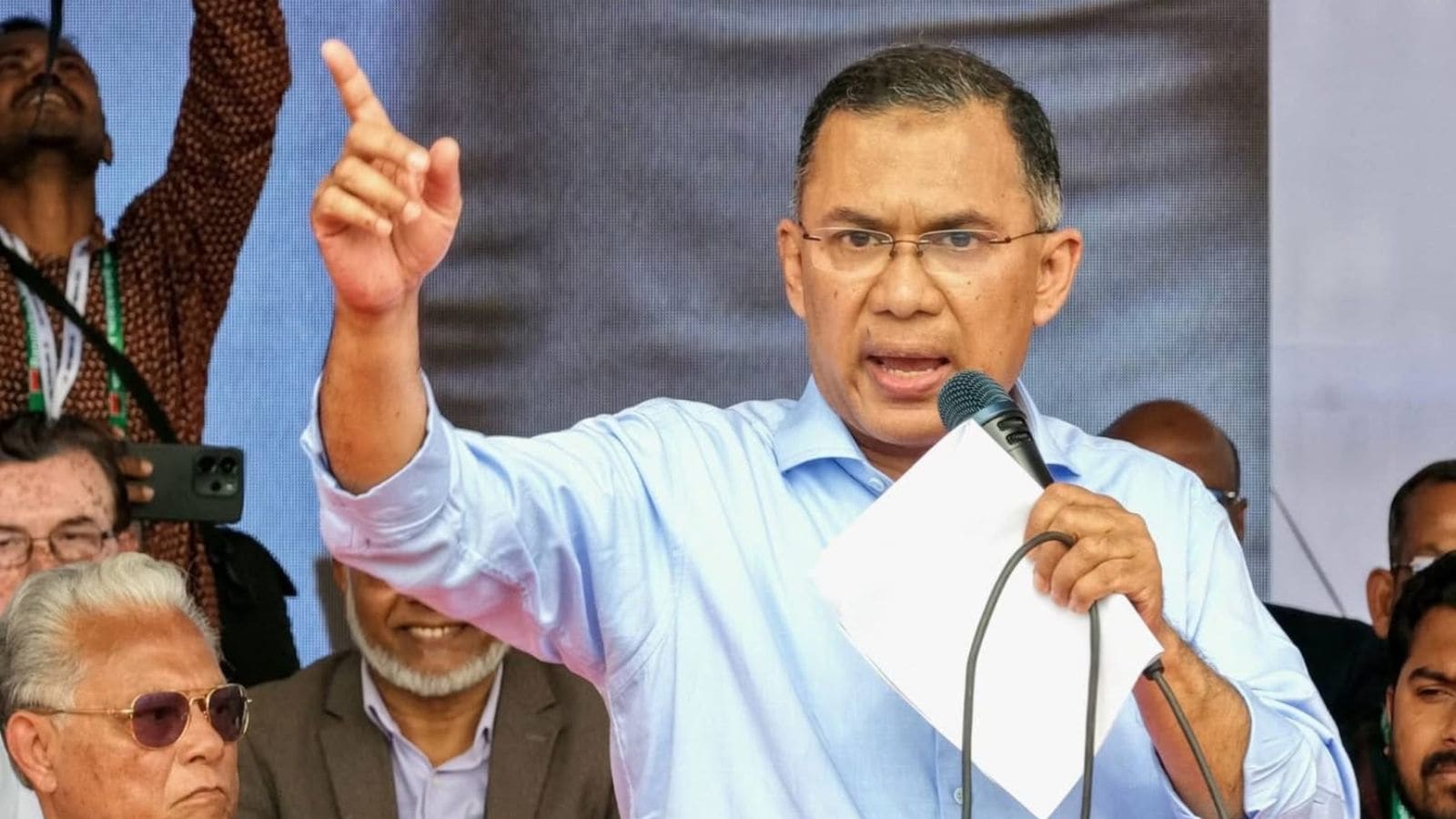
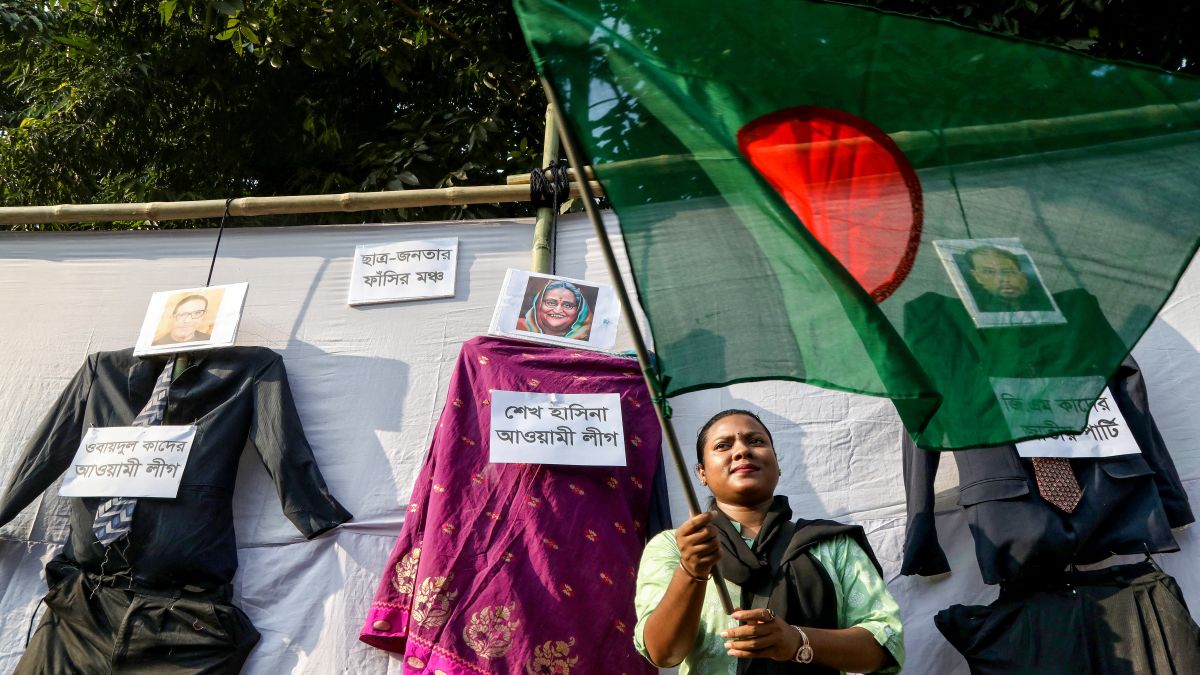
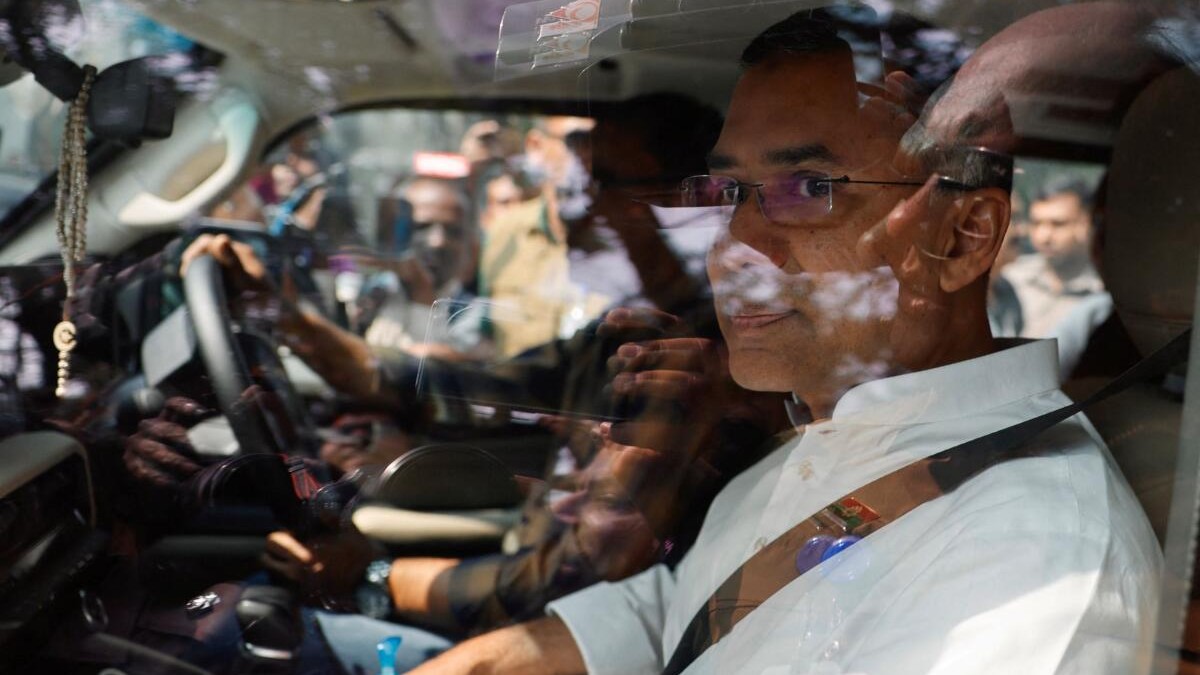
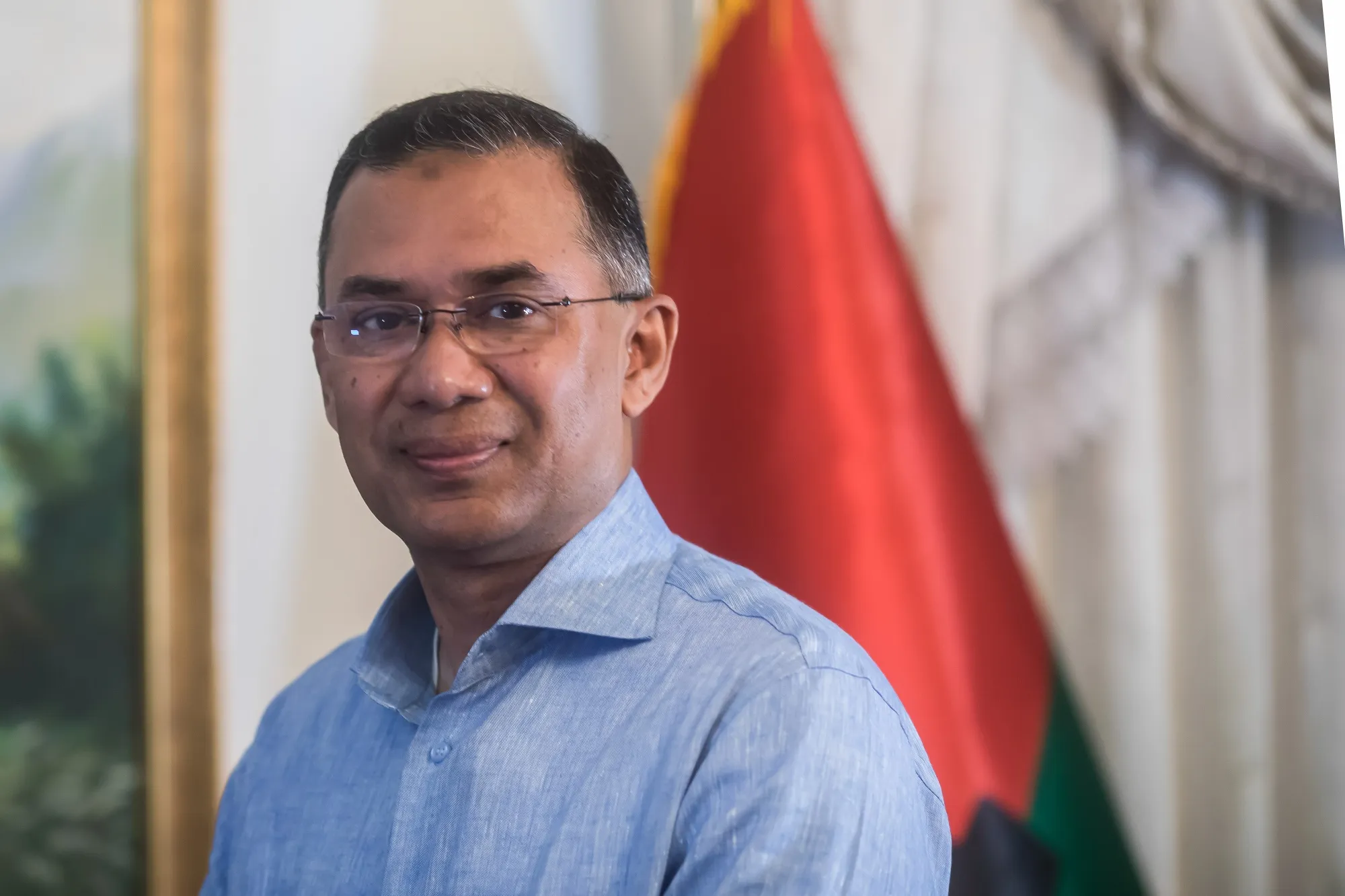
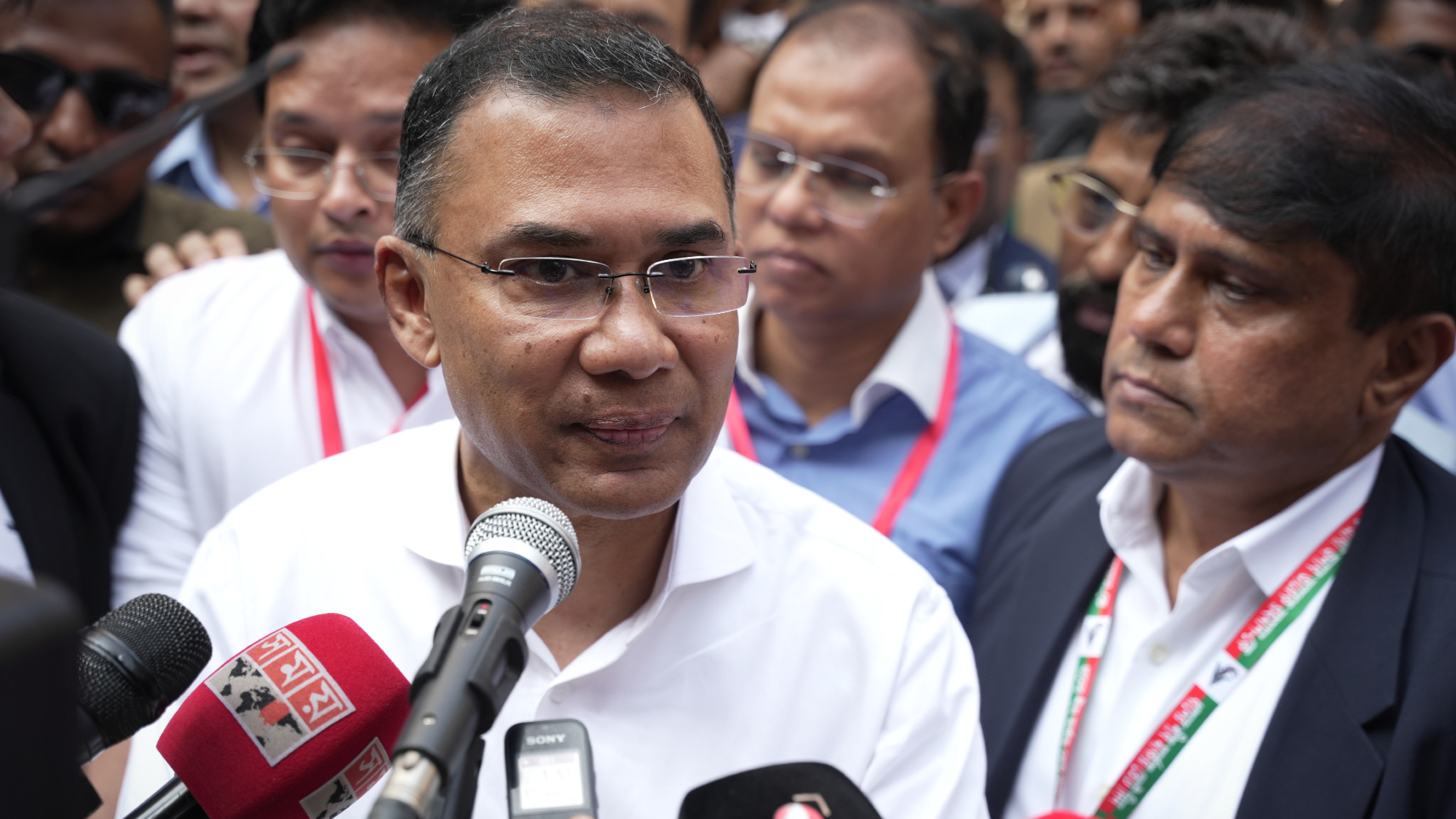
The immediate opportunity for sellers lies in supply chain stabilization. Political stability typically supports more predictable business conditions, customs clearance timelines, and regulatory consistency—critical factors for apparel, textile, and consumer goods sourcing. Sellers should monitor how the new government's policies develop regarding trade regulations, labor standards, environmental compliance, and customs procedures. The BNP's initial skepticism about the National Charter (before party chief Tarique Rahman's January 30 endorsement) suggests potential tension between rapid policy implementation and institutional reform, creating a 6-12 month window of policy uncertainty. Experts express concern about potential return to confrontational politics, particularly given Jamaat-e-Islami's refusal to concede defeat and questions about vote count integrity, though the Awami League's absence from the election—banned following Hasina's July 2024 crackdown that killed approximately 1,400 protesters—reduces immediate political fragmentation. Post-election stability depends on opposition parties accepting results and participating constructively, and whether the BNP pursues inclusive reforms rather than majoritarian consolidation.
问题 7
When should sellers adjust their Bangladesh sourcing strategy based on this election?
Implement immediate actions (0-30 days): audit current supplier compliance with labor and environmental standards, review customs documentation procedures, and establish direct communication channels with suppliers regarding policy changes. Strategic adjustments (1-6 months): monitor BNP government announcements regarding trade policy, labor regulations, and customs procedures; consider increasing inventory from reliable suppliers if political stability holds; evaluate whether to expand Bangladesh sourcing given improved predictability. Long-term monitoring (6-12 months): track National Charter implementation for institutional reforms affecting labor standards and environmental compliance; assess whether the BNP pursues inclusive governance or majoritarian consolidation; evaluate whether opposition parties accept results and participate constructively. The 60% voter turnout and 60% National Charter approval suggest moderate political engagement, reducing risk of immediate upheaval but warranting continued vigilance.
How does the National Charter referendum (60% approval) impact labor and environmental compliance for sellers?
The National Charter proposes structural governance changes including a two-chamber parliament and strengthened institutional checks to reduce executive dominance—reforms that could strengthen labor protections and environmental enforcement if implemented. However, political analyst Dilara Choudhury warns that the BNP's dominant majority could reduce parliamentary accountability, potentially weakening oversight of labor standards and environmental compliance. The charter's institutional reforms may take 12-18 months to implement, creating uncertainty about enforcement mechanisms. Sellers should request updated compliance certifications from suppliers (SA8000, BSCI, SEDEX) and establish quarterly audits to verify labor standards and environmental practices. The BNP's initial skepticism about the charter (before January 30 endorsement) suggests potential tension between rapid policy implementation and institutional reform, warranting cautious optimism rather than immediate expansion.