





Pinterest Advertising Collapse Signals Tariff Impact & AI Disruption Risk for E-Commerce Sellers
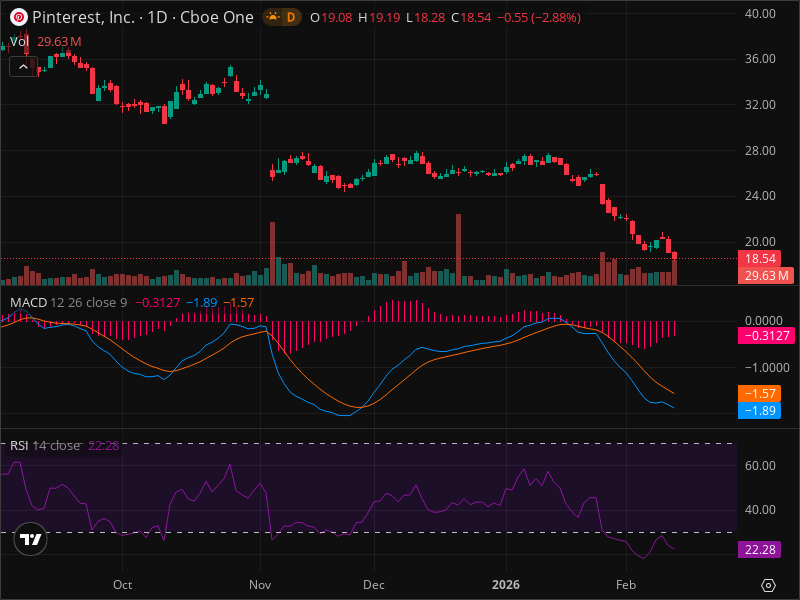
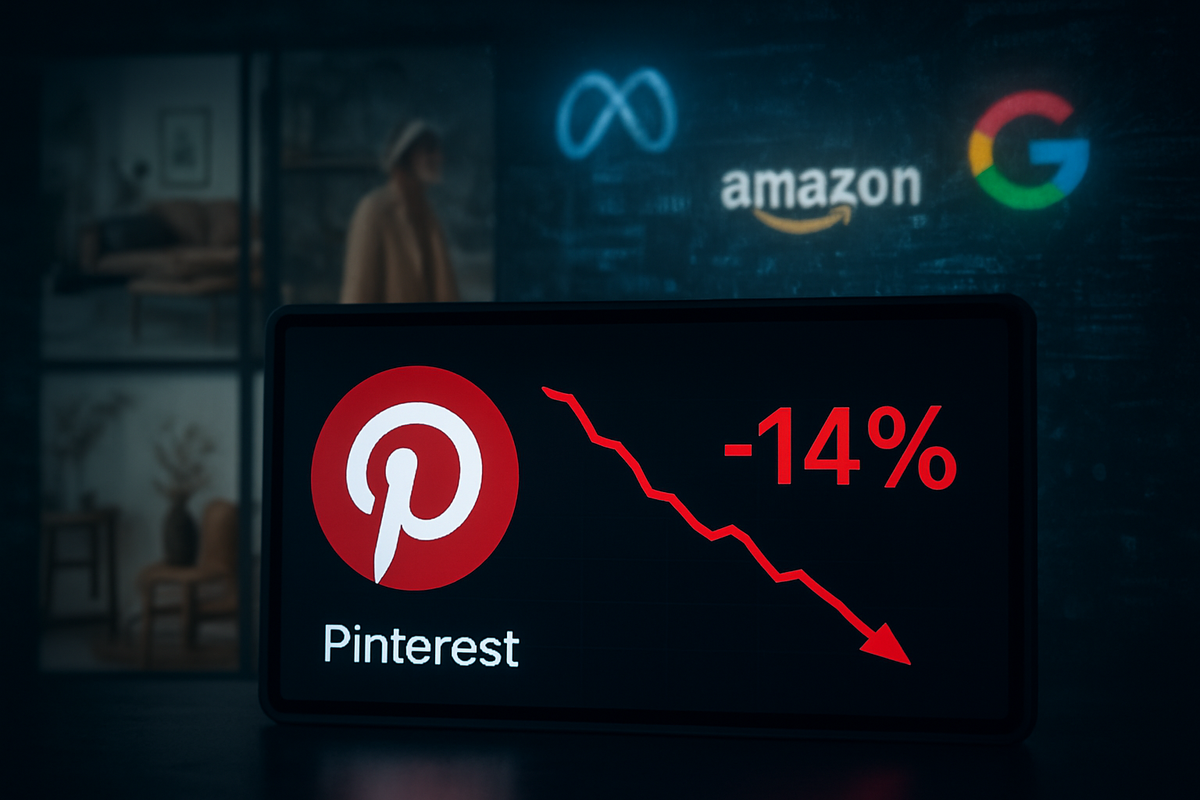
- Pinterest Q4 revenue misses by $10M as tariff-hit retailers slash ad budgets; 619M users can't offset 20% stock decline and AI competition threat















.jpg)












概览
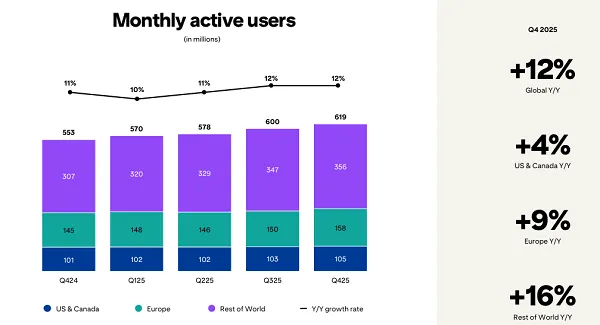
Pinterest's Q4 2025 earnings collapse reveals critical implications for e-commerce sellers relying on visual discovery platforms. The company reported Q4 revenue of $1.32 billion, missing analyst expectations of $1.33 billion, with Q1 2026 guidance of $951-971 million falling short of the $980 million forecast. Despite achieving 619 million global monthly active users (12% YoY growth, exceeding 606M expectations), Pinterest shares plummeted 20% in early trading, extending year-to-date losses to 52%. CEO Bill Ready attributed the shortfall to "exogenous shock" from tariffs, noting that Pinterest's high concentration of large retail advertisers—particularly in home furnishing and furniture categories impacted by October 2025 tariffs—resulted in reduced advertising spend as retailers absorbed tariff costs. Net income plunged 85% to $277 million from $1.85 billion YoY, while adjusted EBITDA reached $541.5 million, below projections of $550 million.
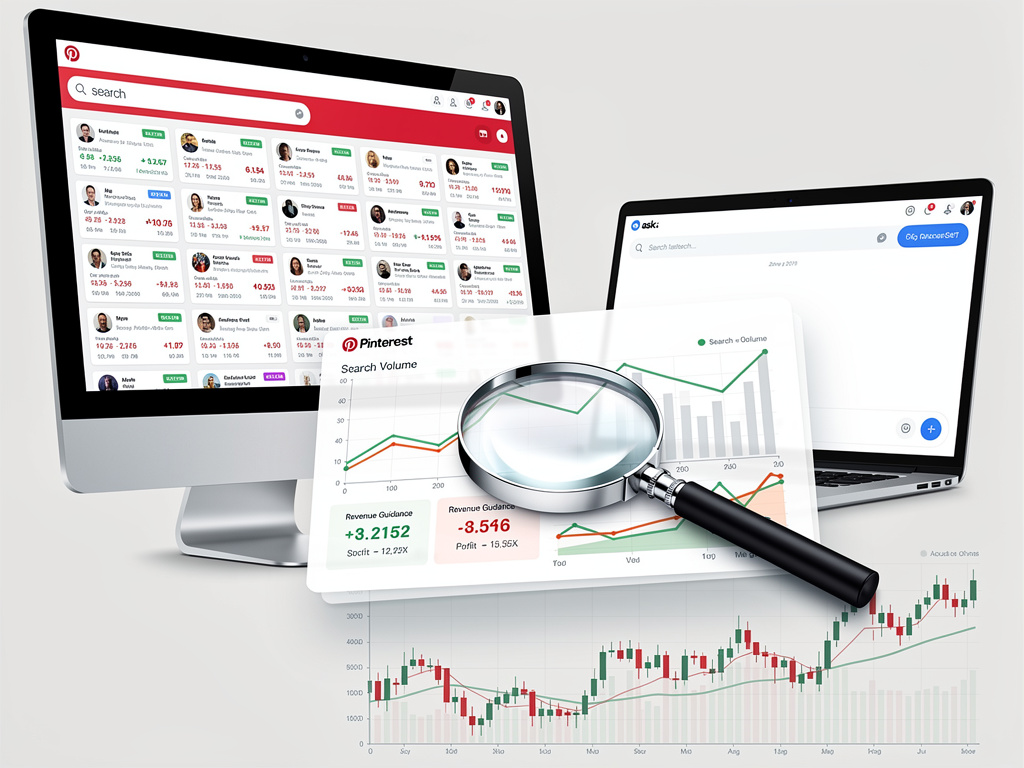
The deeper threat to sellers stems from AI disruption risk to Pinterest's core business model. Jefferies analysts, led by James Heaney, identified that artificial intelligence's ability to combine discovery and purchase functions directly threatens Pinterest's traditional role as an intermediary platform. Unlike other tech companies where AI risk requires assumptions about exponential progress, Pinterest faces immediate threats even if AI capabilities plateau at current levels. This structural challenge means sellers cannot rely on Pinterest as a stable discovery channel long-term. The platform's 80 billion monthly searches (50%+ commercial intent) exceed ChatGPT's 75 billion, yet the company struggles to convert high platform usage into advertising revenue—users visit for inspiration and planning rather than immediate purchases. Pinterest's Amazon partnership and improved checkout experience haven't solved the monetization gap, as advertisers increasingly favor channels with clearer purchase intent signals.
For sellers, this creates a dual crisis in the advertising ecosystem. First, the immediate tariff impact demonstrates how concentrated advertiser bases create volatility: when large retailers absorb tariff costs, they cut ad budgets across platforms, reducing visibility for smaller sellers who depend on Pinterest's 619M user base for discovery. Second, the long-term AI disruption risk means sellers should diversify away from Pinterest-dependent strategies. Citi downgraded Pinterest from Buy to Neutral, citing limited visibility from UCAN-EU advertisers and margin pressures from go-to-market rebuilding. Goldman Sachs maintained optimism on advertiser base diversification and automation, but this requires Pinterest to rebuild its advertiser relationships—a multi-quarter effort. Sellers in home furnishing, furniture, and fashion categories (Pinterest's core verticals) face the highest risk, as these categories depend on visual discovery and are most exposed to tariff headwinds. The company's January 2026 restructuring (15% workforce reduction, reallocation to AI teams) signals management's recognition that the current business model is unsustainable without fundamental transformation.
问题 8
How does Pinterest's tariff impact affect sellers in home furnishing and furniture categories?
Pinterest's Q4 revenue miss was directly driven by tariff-hit retailers cutting ad budgets. Furniture tariffs implemented in October 2025 disproportionately impacted the home category, with large retailers absorbing costs and reducing Pinterest advertising spend. Sellers in these categories face reduced visibility as advertiser budgets shrink. Citi analysts specifically cited challenges in home furnishing verticals alongside margin pressures. Sellers should expect 15-25% reduced impressions in Q1 2026 as advertisers rebuild budgets, requiring diversification to Amazon Sponsored Products, TikTok Shop, and Shopify organic channels to maintain traffic.
Why is Pinterest's 619 million user growth not translating to revenue growth for sellers?
Pinterest's core challenge is monetization gap: 50% of searches are commercial, but users visit for inspiration and planning rather than immediate purchases. The platform's 12% YoY user growth (619M vs 606M expected) exceeded expectations, yet revenue missed by $10M, indicating user growth doesn't drive proportional ad revenue. This reflects Pinterest's role as a discovery platform rather than a purchase platform. Sellers relying on Pinterest for direct sales will see lower conversion rates than Amazon or Shopify. The Amazon partnership and improved checkout experience haven't solved this fundamental issue, as advertisers favor channels with clearer purchase intent signals.