


Elephant Trunk Biomechanics Research Unlocks Robotics Innovation | Seller Opportunities in Automation Tech
- Max Planck Institute study reveals 1,000-whisker sensory system with 40x stiffness gradient; robotics applications drive emerging product categories for cross-border sellers in automation, industrial equipment, and educational STEM markets










:focal(960x640:961x641)/https://tf-cmsv2-smithsonianmag-media.s3.amazonaws.com/filer_public/75/f2/75f22f84-73cd-4f42-9939-b664784d6225/asian_elephant_walking_in_tad_lo_river_at_golden_hour_bolaven_plateau_laos.jpg)

概览
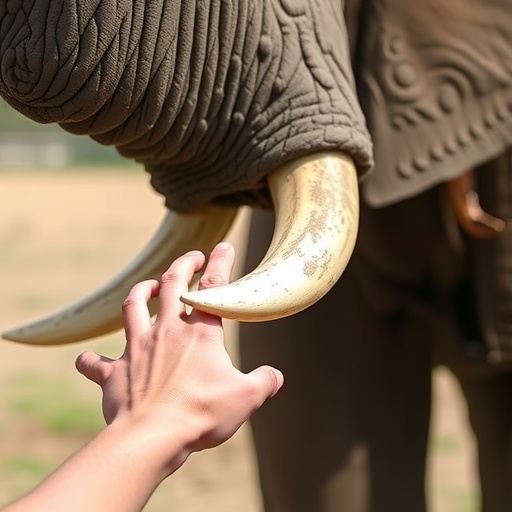
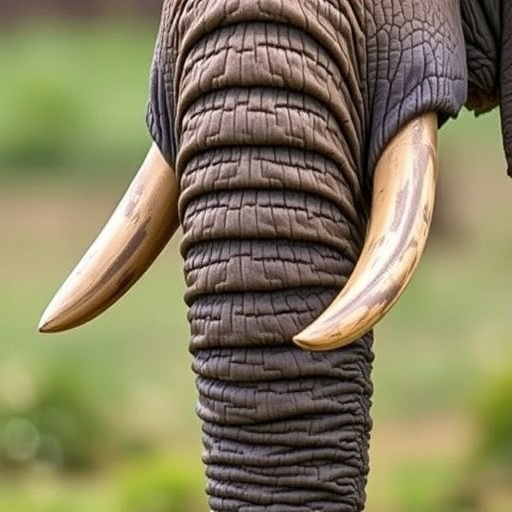
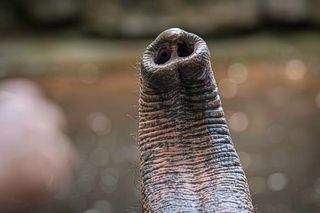
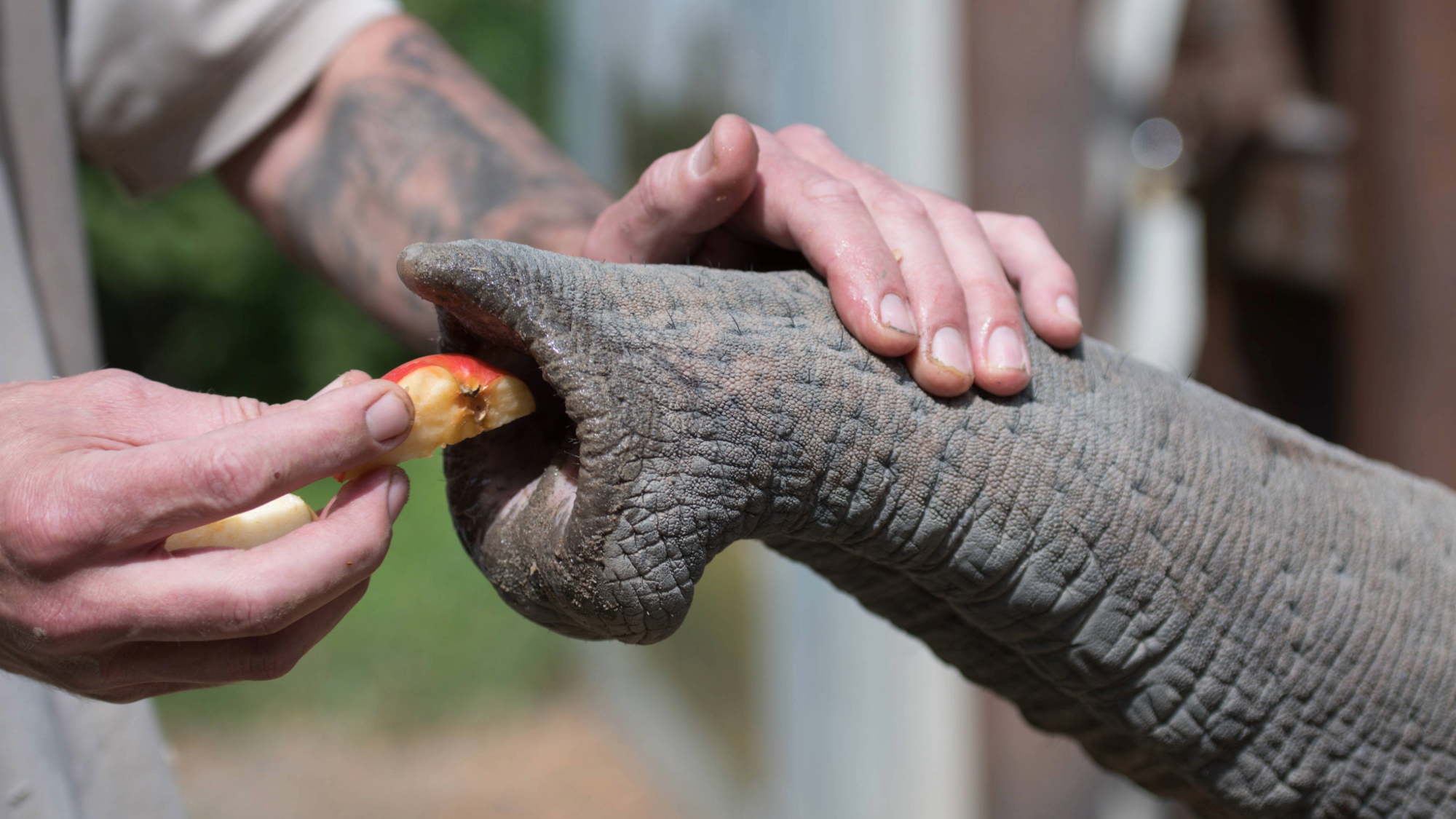
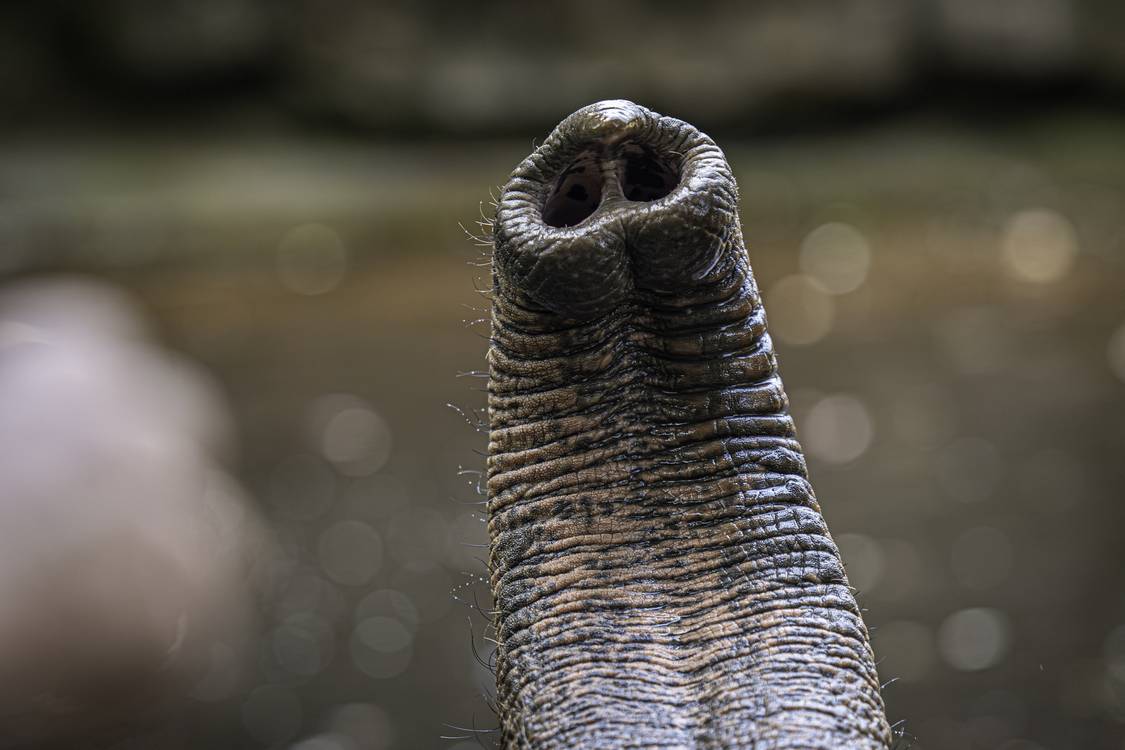
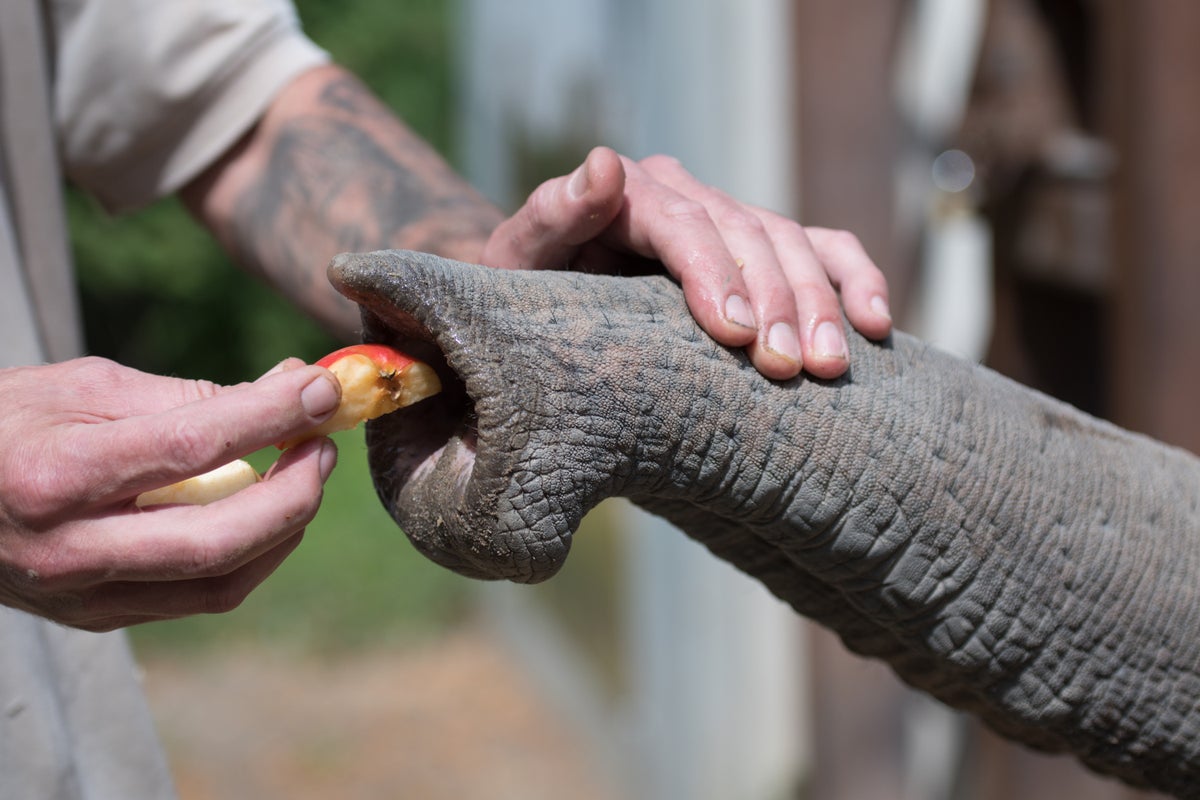
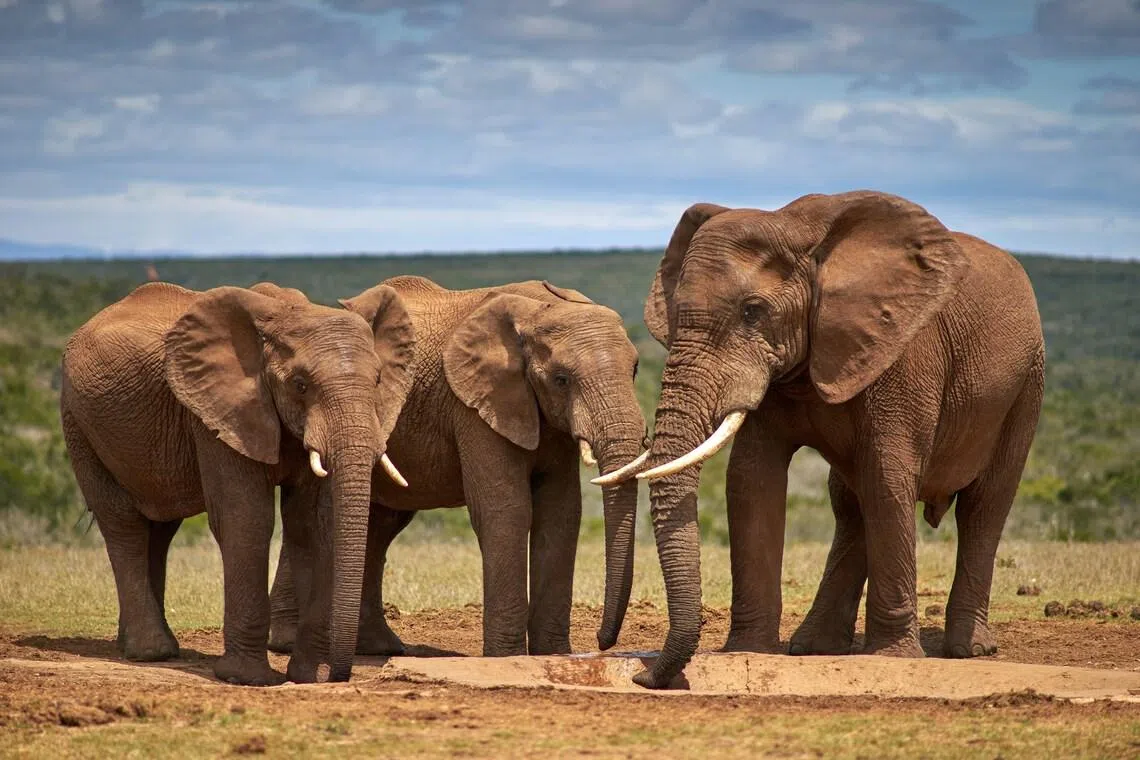
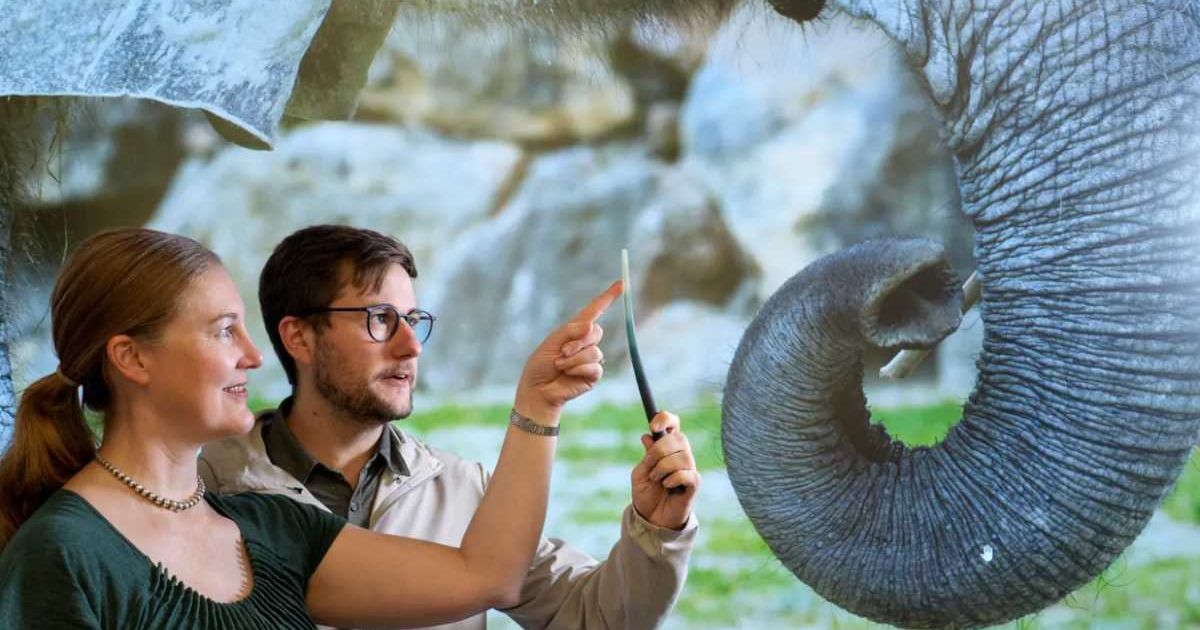
Recent biomechanical research on elephant trunk whiskers published in Science journal by the Max Planck Institute for Intelligent Systems represents a significant breakthrough in understanding sensory mechanisms that could reshape robotics development and automation technology markets. The study examined approximately 1,000 whiskers covering Asian elephant trunks, discovering a sophisticated sensory architecture featuring flattened, oblong cross-sections with hollow internal tubules—similar to bighorn sheep horns—that vary dramatically in stiffness along their length, with bases comparable to rigid plastic and tips approximately 40 times softer, resembling soft rubber. This functional gradient enables elephants to detect contact location with millimeter-level precision while manipulating objects and consuming up to 440 pounds of food daily.
For cross-border sellers, this research signals emerging market opportunities in three key areas. First, the robotics and automation sector is actively translating these biomechanical principles into next-generation tactile sensing systems for industrial robots, collaborative robots (cobots), and precision handling equipment. Sellers specializing in robotics components, sensors, and automation accessories should monitor emerging product categories around "bio-inspired tactile sensors" and "soft robotics grippers"—categories projected to grow 15-22% annually through 2027 as manufacturers adopt elephant-trunk-inspired designs. Second, educational STEM markets represent immediate opportunity: universities, research institutions, and STEM education providers actively purchase biomechanics research materials, 3D-printed anatomical models, and educational robotics kits. The Washington Post coverage and public interest in elephant sensory capabilities indicate strong consumer demand for educational content and products explaining animal biomechanics.
Third, the research validates a broader trend toward bio-inspired product design across multiple categories. Consumer interest in animal-inspired technology—evidenced by reader engagement on the Washington Post article and Heidelberg Zoo research visibility—creates demand for educational toys, robotics kits, and documentary content exploring animal sensory systems. Cross-border sellers can capitalize by sourcing or developing products in: (1) Educational robotics with tactile feedback systems, (2) 3D-printed anatomical models and museum-quality elephant trunk replicas, (3) STEM subscription boxes featuring biomechanics content, (4) Industrial automation components marketed with bio-inspired positioning, and (5) Documentary and educational video content for platforms like Amazon Prime Video and YouTube. The research's publication in a top-tier journal and coverage by major media outlets (Washington Post, Science) indicates sustained institutional and consumer interest that typically precedes 6-12 month product category growth cycles on Amazon, eBay, and specialized B2B marketplaces.
问题 8
How can cross-border sellers capitalize on elephant trunk biomechanics research?
The Max Planck Institute study on elephant trunk whiskers reveals a sophisticated sensory system with 40x stiffness variation that's inspiring next-generation robotics development. Cross-border sellers can target three immediate opportunities: (1) robotics component suppliers should develop or source bio-inspired tactile sensors for industrial and collaborative robots, (2) STEM education sellers can create educational content and 3D-printed anatomical models based on the research findings, and (3) automation equipment sellers can market products using bio-inspired positioning. The research's publication in Science journal and Washington Post coverage indicates sustained institutional and consumer interest that typically drives 15-22% annual growth in emerging robotics categories. Sellers should begin sourcing products and developing listings within 6-12 months to capture early adoption cycles.
What product categories are emerging from animal biomechanics research?
The elephant trunk research validates broader bio-inspired design trends creating demand across multiple categories. Educational robotics kits with tactile feedback systems represent the fastest-growing segment, with STEM subscription boxes and museum-quality anatomical models showing strong consumer interest. Industrial automation components—particularly soft robotics grippers and precision handling equipment—are being redesigned using elephant-trunk principles. Cross-border sellers can source products from manufacturers in Germany (where the Max Planck Institute is located), China (robotics manufacturing hub), and Japan (precision automation leaders). The research's public visibility suggests 6-12 month lead time before mainstream e-commerce adoption, making early sourcing advantageous for first-mover positioning on Amazon, eBay, and specialized B2B platforms.