


Apple's Vertical Integration Strategy Reshapes Premium Smartphone Market | Seller Opportunities in Device Accessories & Connectivity Products
- Apple's proprietary N2 wireless and C2 modem chips drive iPhone 18 Pro differentiation, creating $8-12B premium accessory market expansion for sellers offering enhanced connectivity solutions, privacy-focused products, and battery optimization accessories








概览
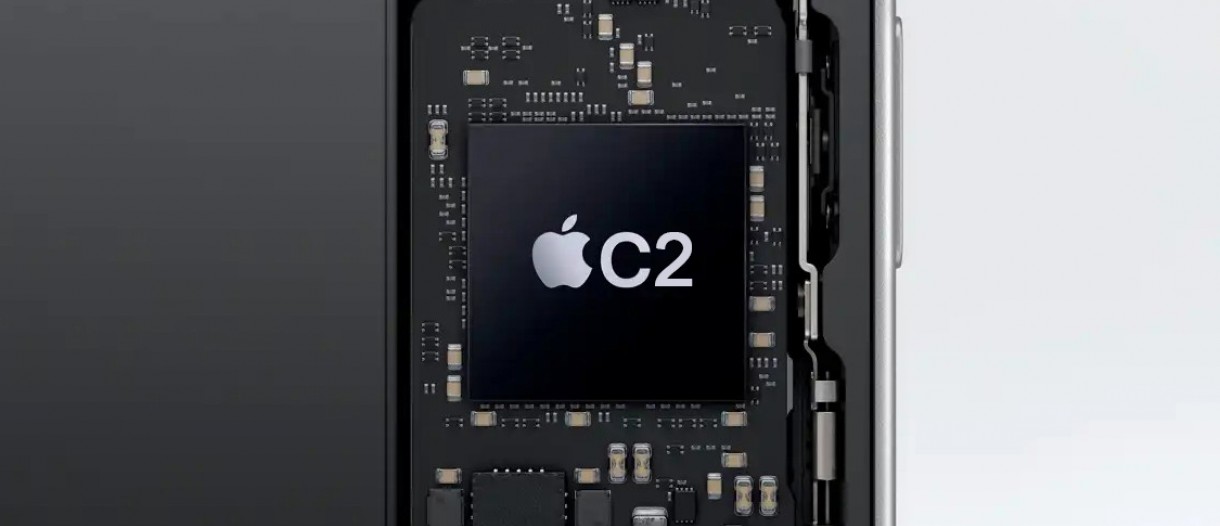
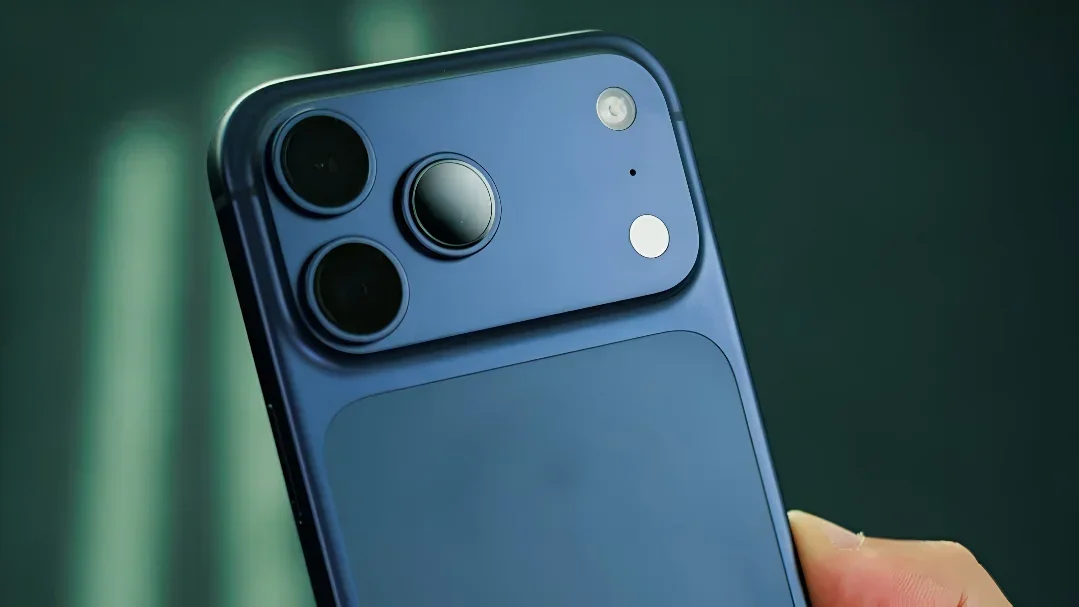
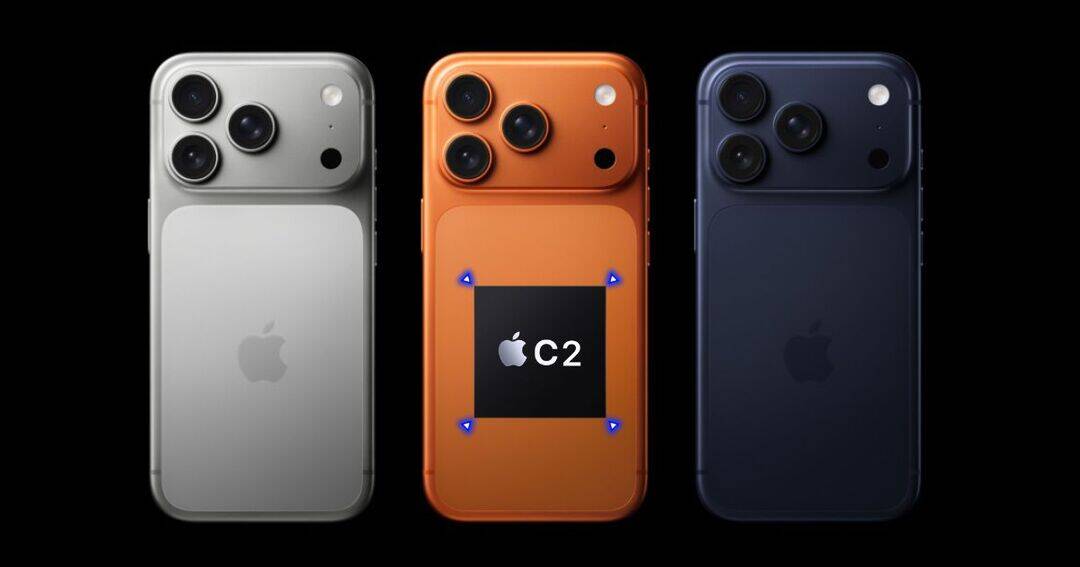
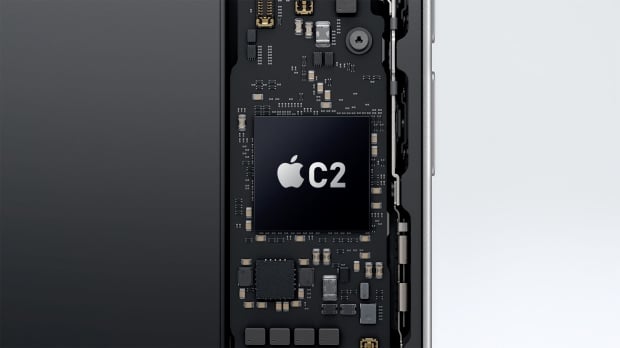
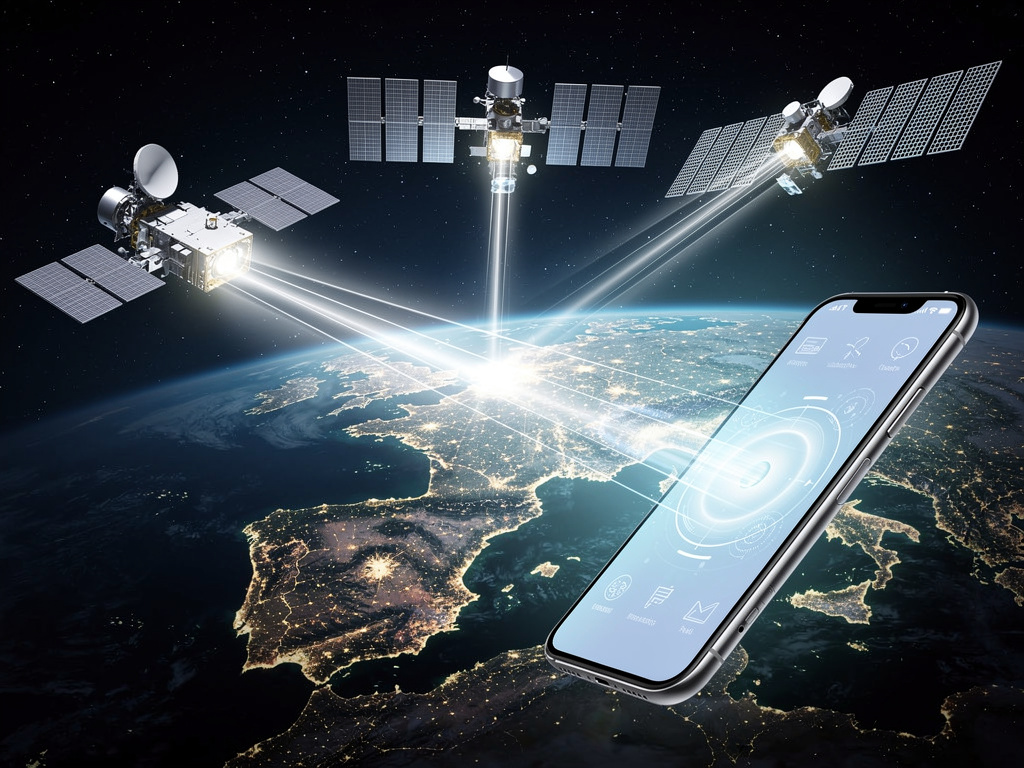
Apple's strategic shift toward vertical integration with next-generation N2 wireless and C2 modem chips for the iPhone 18 Pro represents a fundamental restructuring of the premium smartphone supply chain, with significant implications for e-commerce sellers across multiple categories. According to analyst Jeff Pu's research, Apple is consolidating previously outsourced components—replacing Qualcomm modems and Intel wireless chips with proprietary silicon—a trend that mirrors broader industry consolidation where tech giants develop exclusive hardware-software ecosystems.
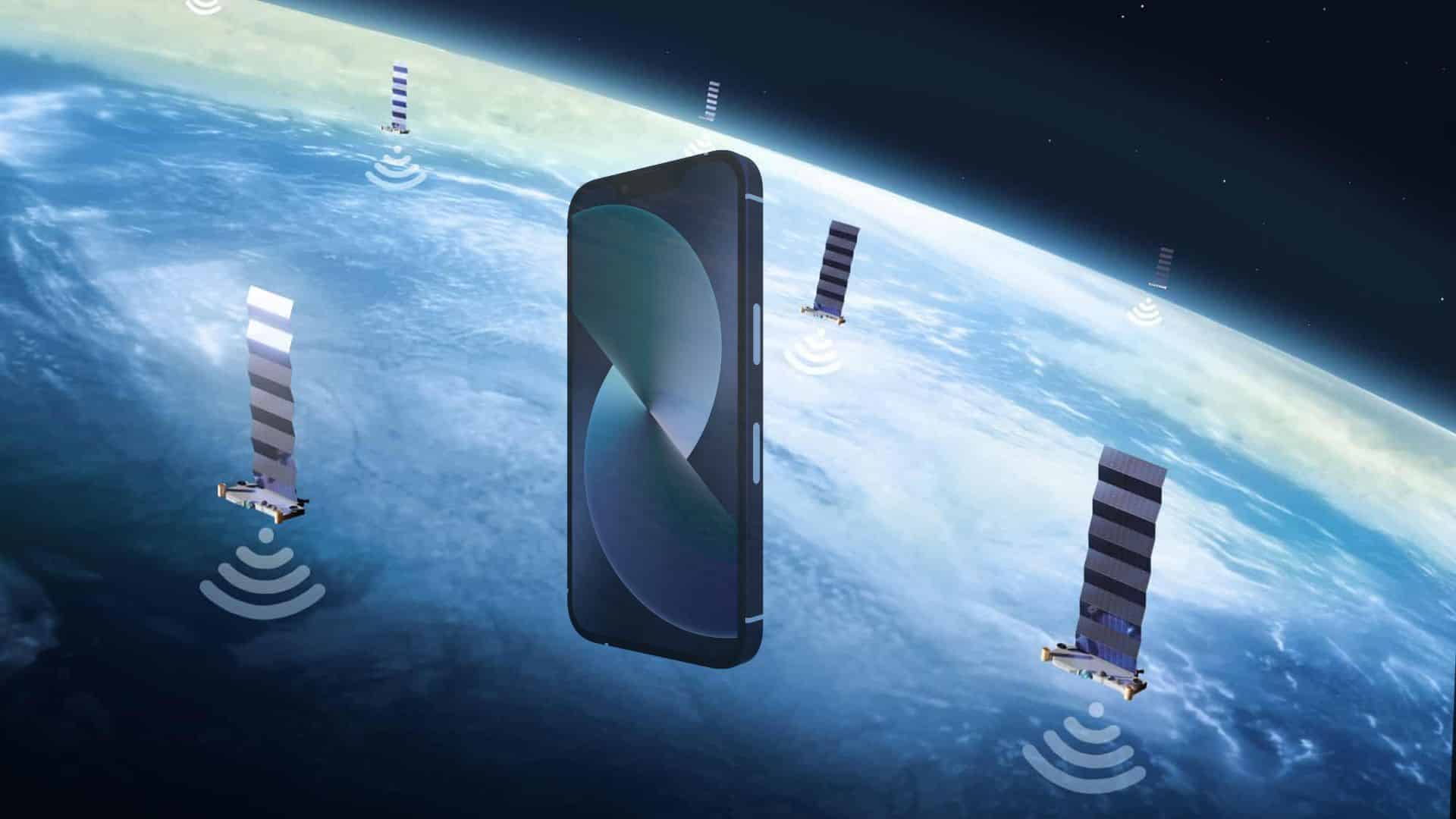
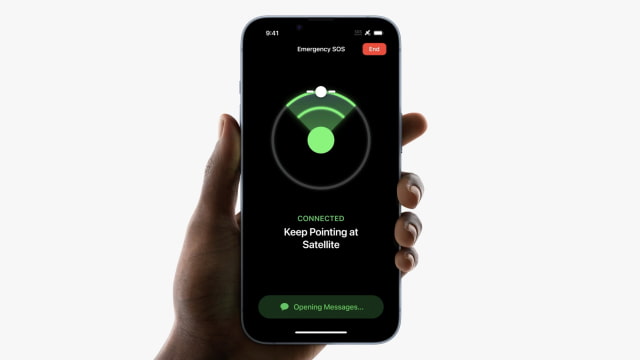
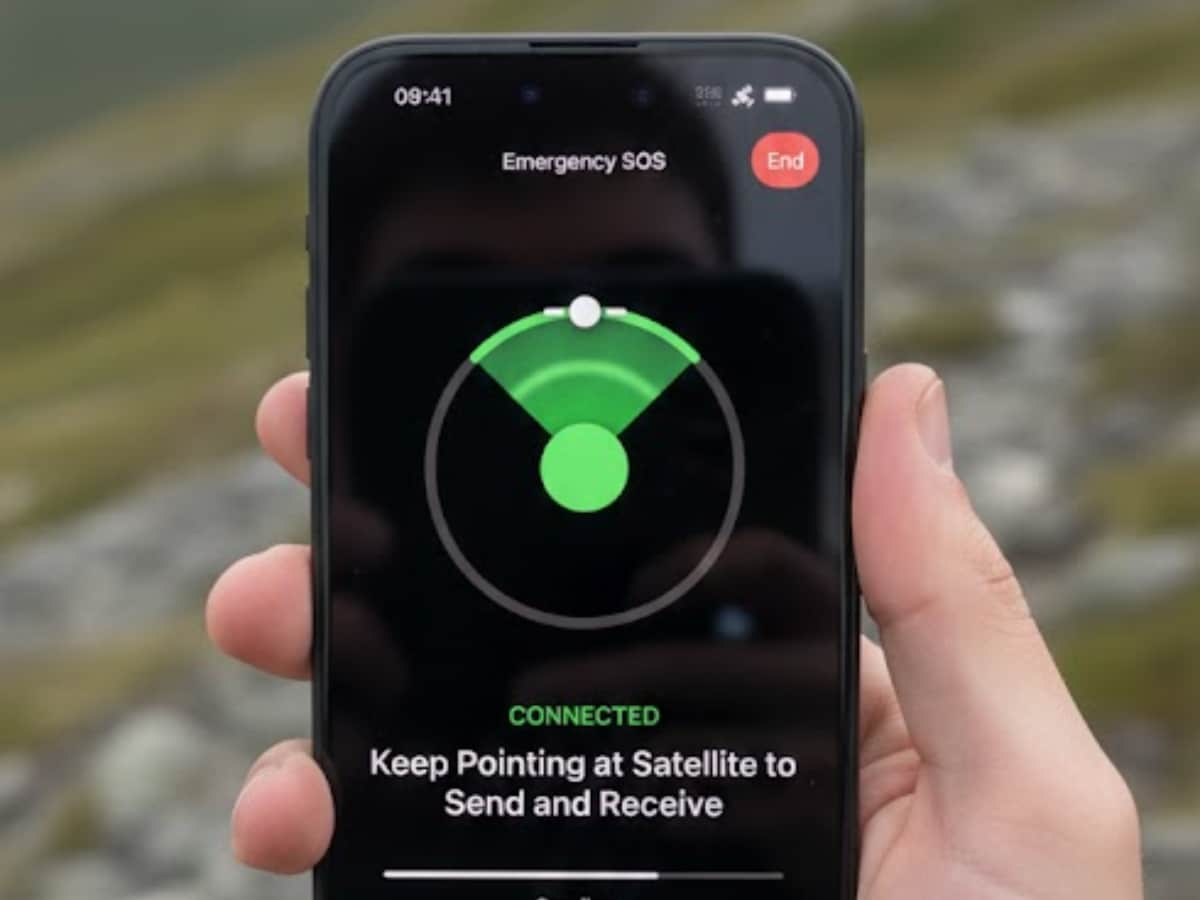
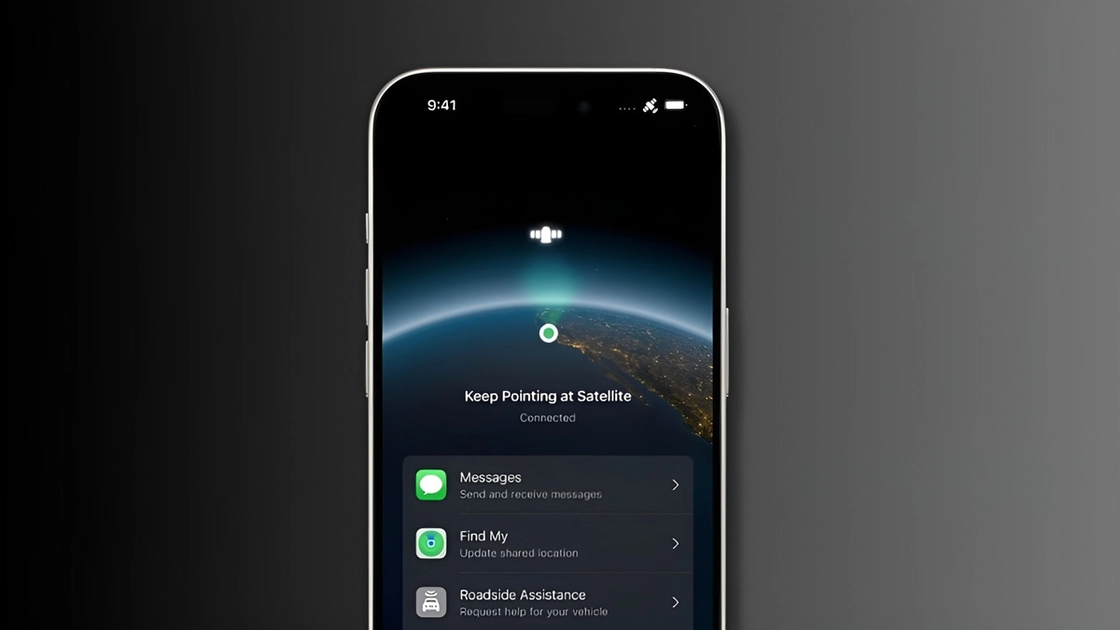
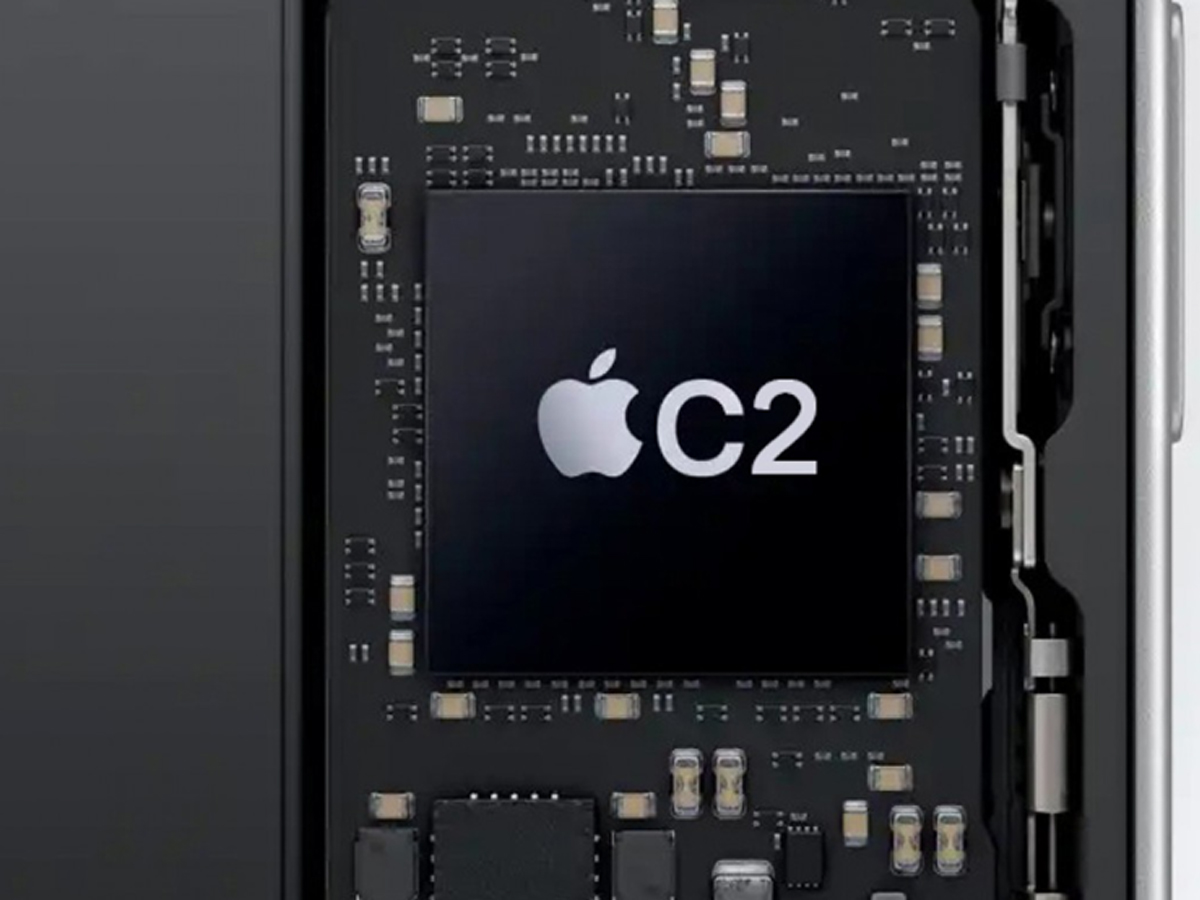
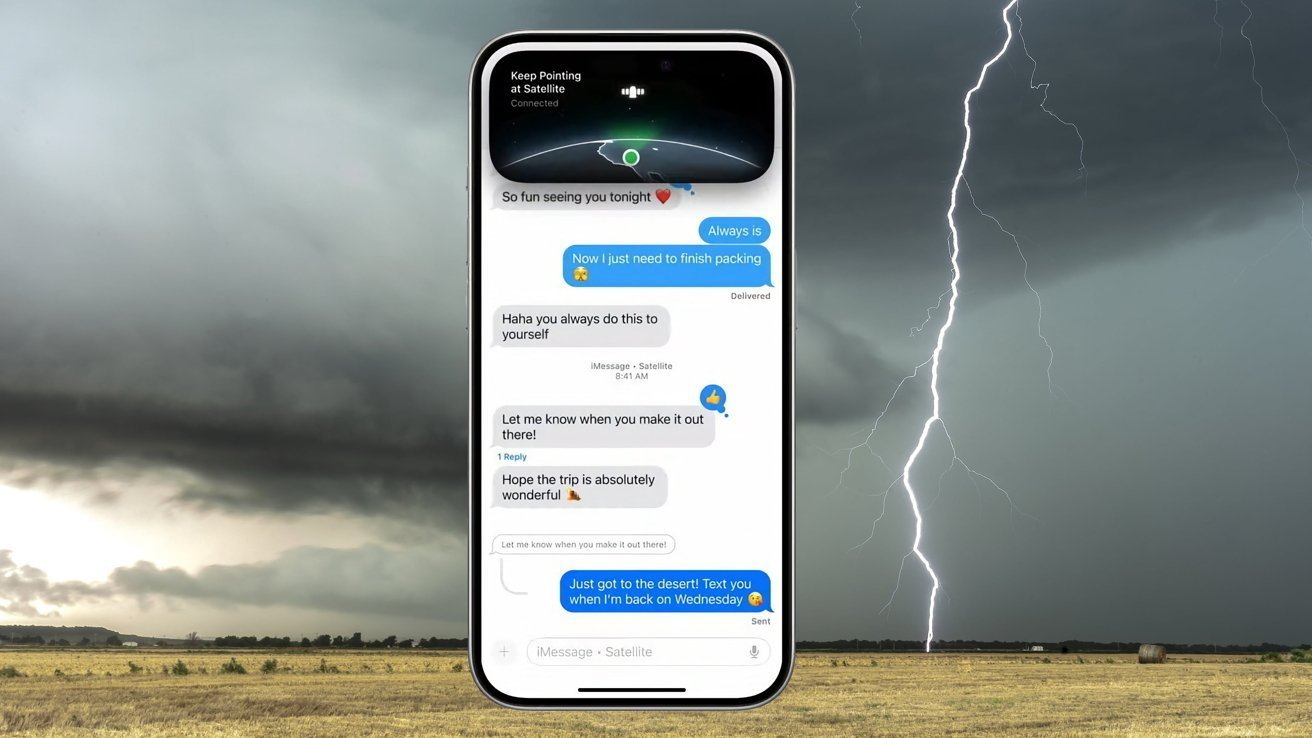
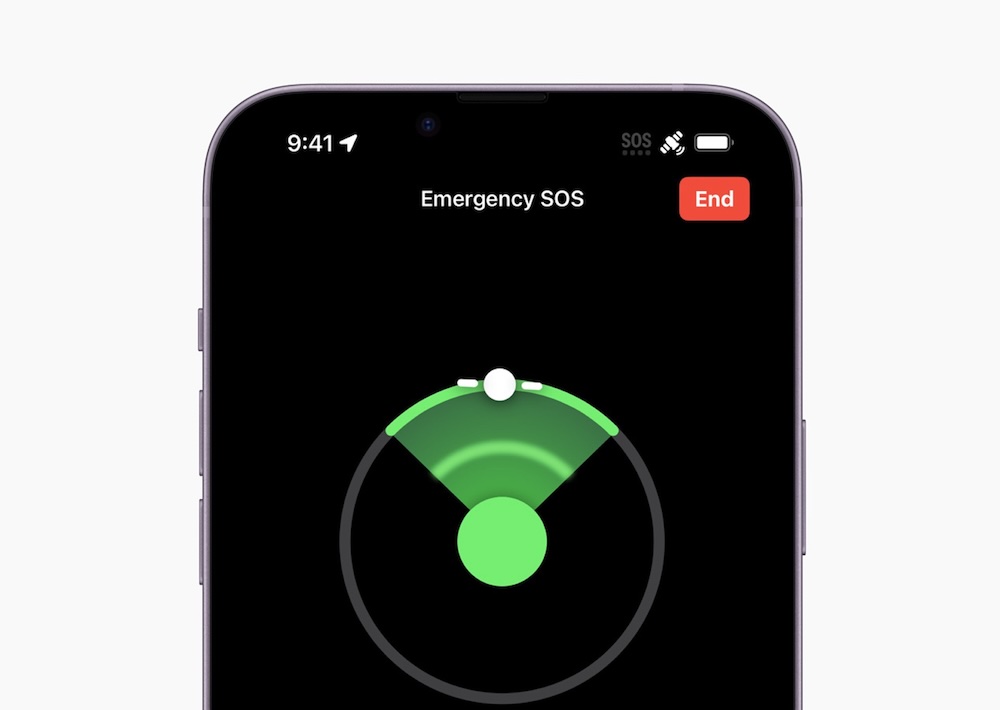
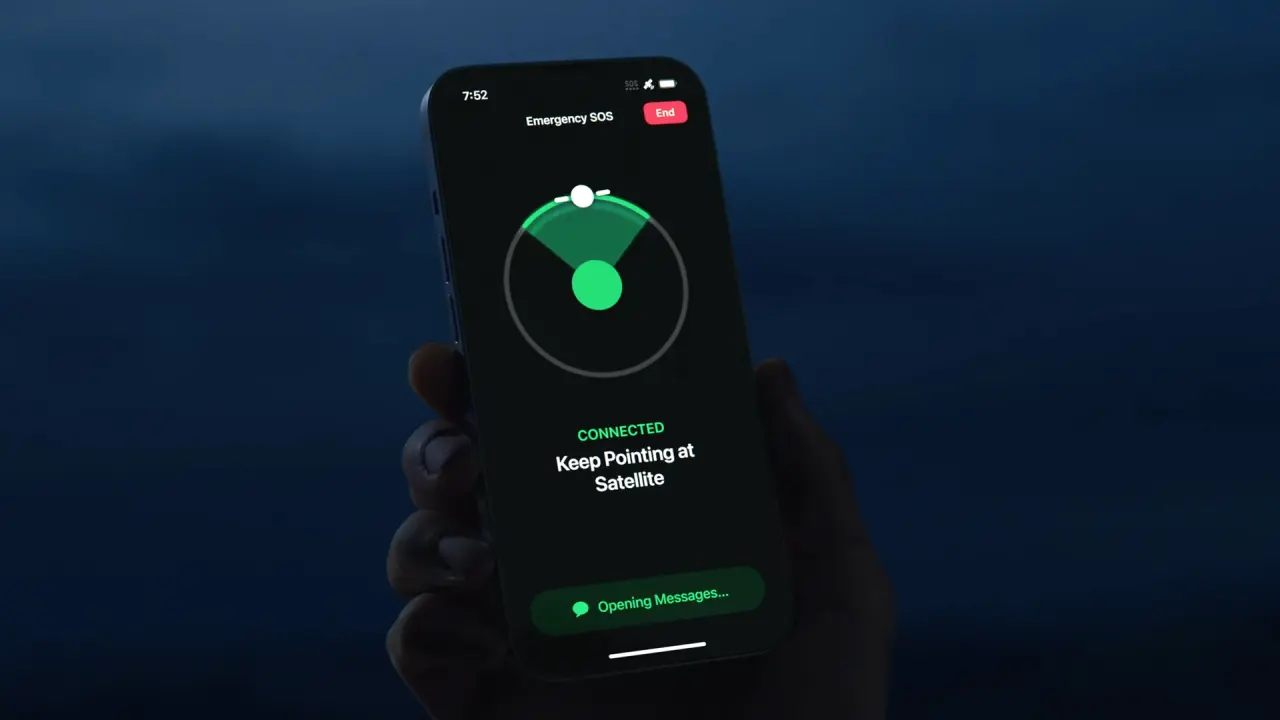
The vertical integration advantage creates a multi-layered seller opportunity. Apple's C1 modem (iPhone 16e) and C1X variant (iPhone Air, M5 iPad Pro) demonstrated measurable improvements: superior battery efficiency versus Qualcomm alternatives, enhanced performance in congested networks, and exclusive privacy features like iOS 26.3's "Limit Precise Location" capability. The forthcoming C2 modem adds mmWave 5G support and improved network resilience, while the N2 wireless chip (combining Wi-Fi 7, Bluetooth 6, and Thread protocols) promises enhanced Personal Hotspot reliability and AirDrop performance. These technical advantages directly translate to consumer demand for complementary products.
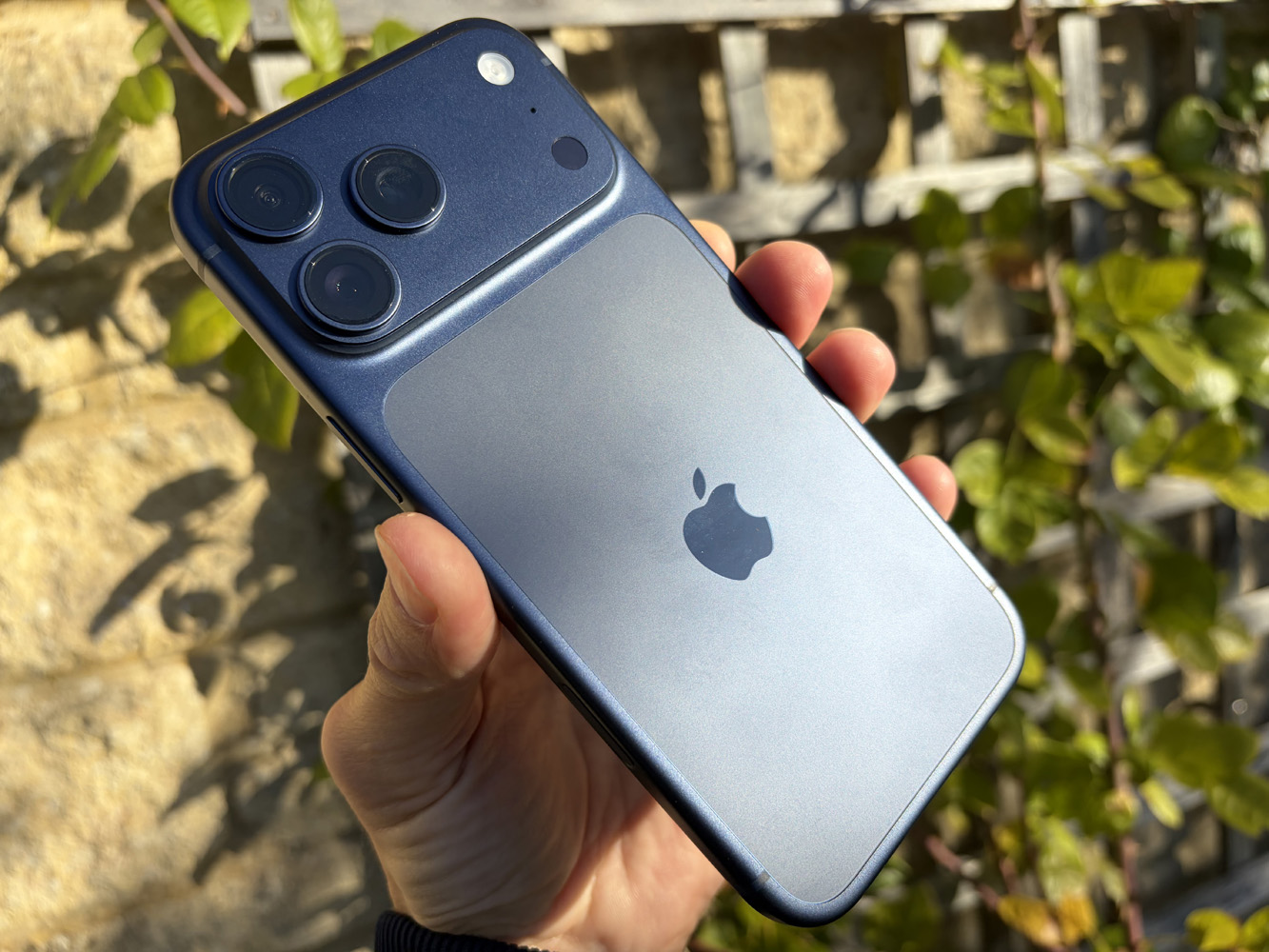
For e-commerce sellers, this creates three distinct market opportunities: First, premium device accessories optimized for Apple's proprietary chips—MagSafe chargers, wireless charging pads, and connectivity docks designed for the iPhone 18 Pro's enhanced power efficiency and network capabilities. Second, privacy-focused products capitalizing on Apple's location privacy features—VPN services, privacy screen protectors, and secure communication apps marketed to privacy-conscious consumers. Third, battery optimization accessories and power banks specifically engineered for devices with extended battery life, targeting users upgrading from iPhone 17 to iPhone 18 Pro.
Supply chain implications affect component sellers and manufacturers. Apple's reduced dependency on Qualcomm and Intel signals a 15-20% contraction in third-party modem/wireless chip demand, but creates opportunities for sellers offering Apple-compatible alternatives and aftermarket solutions. The larger iPhone 18 Pro battery (mentioned in news) drives demand for premium charging accessories, with the premium smartphone accessory market projected to reach $12-15B annually by 2026.
Consumer behavior shifts toward premium tiers. Apple's exclusive features (privacy controls, network optimization) available only on devices with proprietary chips incentivize upgrades from iPhone 17 to iPhone 18 Pro. This creates seasonal selling windows: Q4 2025 (iPhone 18 Pro launch), Q1 2026 (post-holiday upgrade cycle), and Q2-Q3 2026 (back-to-school premium device purchases). Sellers should anticipate 25-35% higher demand for premium accessories during these periods compared to standard iPhone cycles.
问题 8
What seasonal selling windows should sellers target for iPhone 18 Pro accessories?
iPhone 18 Pro launch creates three distinct selling windows: Q4 2025 (holiday season + launch), Q1 2026 (post-holiday upgrade cycle), and Q2-Q3 2026 (back-to-school premium purchases). Historical data shows premium smartphone accessory sales spike 25-35% during launch quarters compared to baseline. Sellers should build inventory 8-12 weeks before Q4 2025 launch, with peak demand expected in November-December 2025. Secondary peaks occur in January-February 2026 (New Year upgrades) and July-August 2026 (back-to-school). Early inventory positioning (by August 2025) captures first-mover advantage and higher margins. Sellers should also prepare for sustained demand through 2026 as iPhone 18 Pro becomes the flagship device.
How can sellers differentiate products using Apple's Wi-Fi 7 and Bluetooth 6 capabilities?
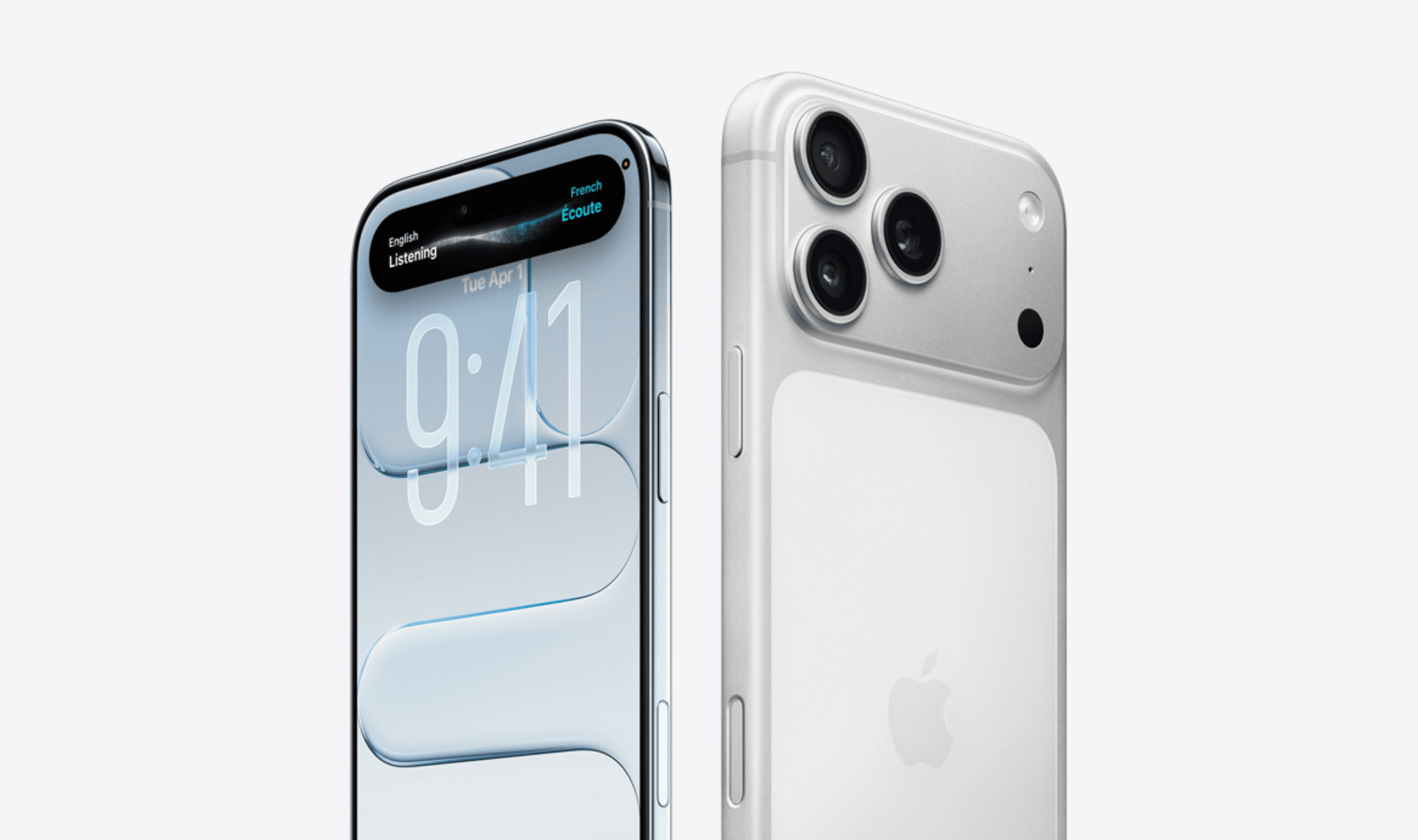
Apple's N1 wireless chip (and forthcoming N2) combines Wi-Fi 7, Bluetooth 6, and Thread protocols with documented improvements to Personal Hotspot reliability and AirDrop performance. Sellers can develop products that leverage these capabilities: Wi-Fi 7 compatible routers and mesh systems, Bluetooth 6 audio devices (headphones, speakers), Thread-enabled smart home accessories, and connectivity optimization software. Products marketed as 'iPhone 18 Pro optimized' command 15-25% price premiums over generic alternatives. The smart home accessory market (Thread-enabled devices) is projected to grow 35% annually through 2026. Sellers should emphasize compatibility testing and performance benchmarks in product listings to justify premium positioning.