


Bangladesh Market Reopening 2026 | Cross-Border Sellers Face Tariff & Customs Overhaul
- BNP government signals economic liberalization after 15-year Hasina tenure; customs modernization and trade policy shifts create 6-12 month window for tariff arbitrage opportunities in South Asia corridor






概览
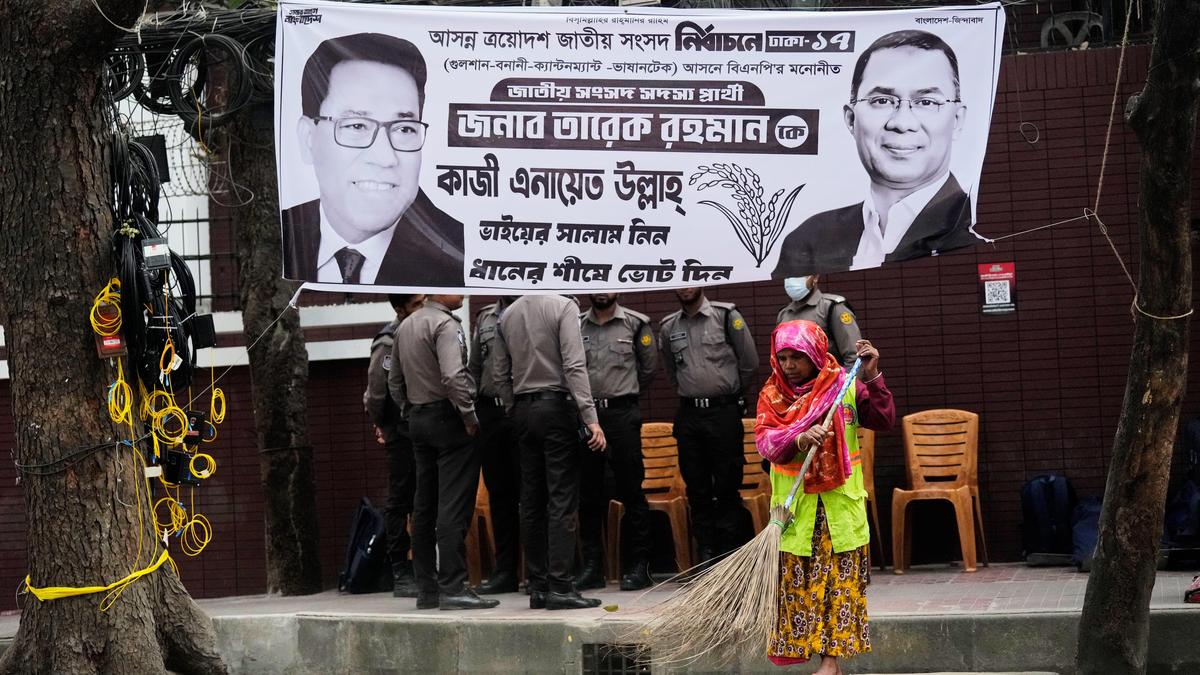
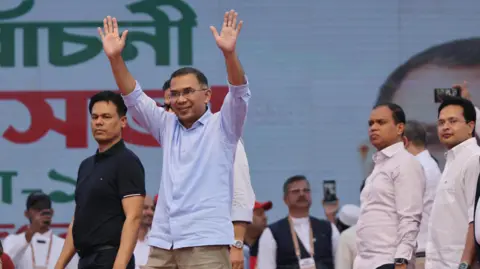
Bangladesh's February 2026 political transition marks a critical inflection point for cross-border sellers operating in South Asia. The Bangladesh Nationalist Party's (BNP) decisive two-thirds parliamentary majority—with Tarique Rahman returning from 17-year exile to lead the government—signals fundamental policy shifts after Sheikh Hasina's 15-year tenure. Senior BNP leader Amir Khasru Mahmud Chowdhury explicitly prioritized "restoring democratic institutions and financial systems destroyed over the last decade," directly indicating comprehensive economic and regulatory overhaul.
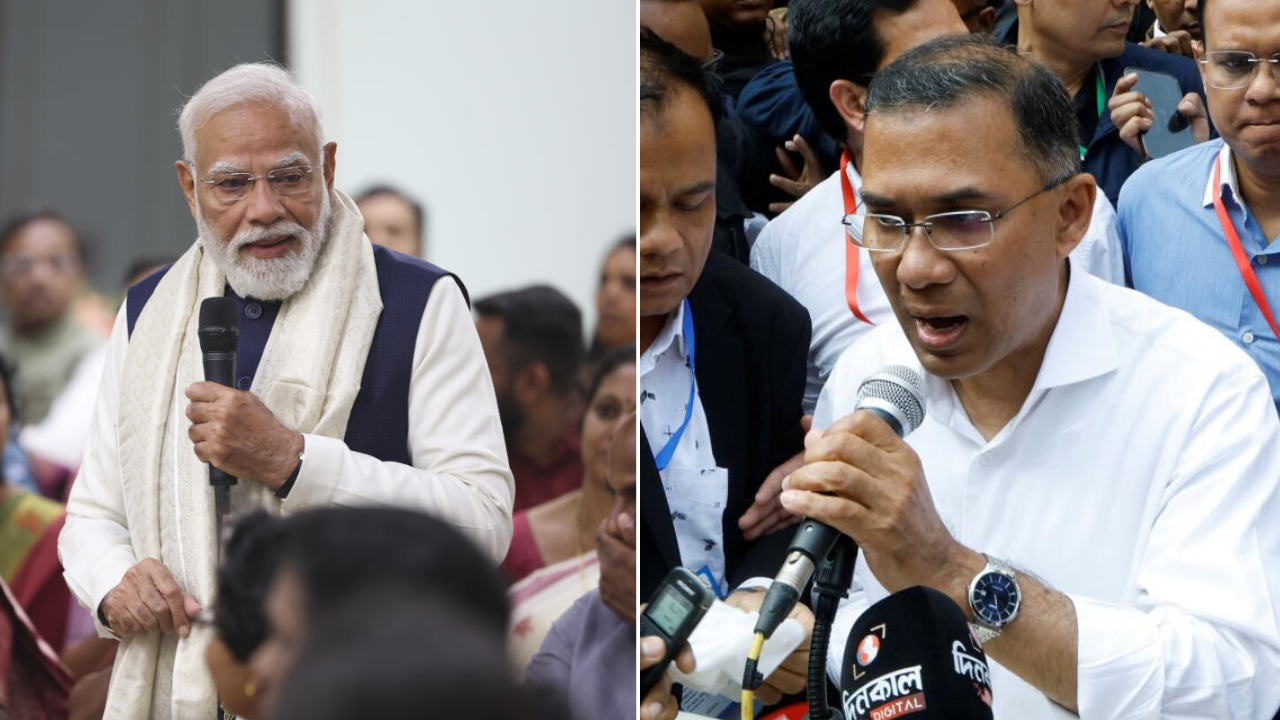
Tariff Arbitrage Window: The new government's stated focus on "economic revival" and "financial system restoration" creates immediate opportunities for sellers to exploit tariff rate changes. Bangladesh historically maintained protectionist policies under Hasina; BNP's return to power after 20-year absence suggests potential trade liberalization aligned with India's Modi government (evidenced by immediate diplomatic engagement on February 13, 2026). Sellers should monitor HS code tariff schedules for apparel (HS 61-62), electronics (HS 85), and machinery (HS 84) categories—historically 25-40% tariff rates under Hasina may face reduction. The 6-12 month policy implementation window before new tariff structures stabilize represents peak arbitrage opportunity.
Customs Modernization Timeline: The BNP coalition includes the National Citizens Party (NCP), formed by July 2024 uprising leaders, signaling youth-driven digital transformation agenda. This indicates accelerated customs digitalization and e-commerce regulatory framework development. Sellers currently navigating manual documentation processes at Dhaka port (average 8-12 day clearance) should expect modernized systems by Q3 2026. Early adopters who establish compliant documentation protocols now will gain competitive advantage over sellers still using legacy processes.
India-Bangladesh Trade Corridor Expansion: Modi's immediate congratulatory call demonstrates India's strategic interest in stable bilateral relations. This signals potential BIMSTEC trade agreement renegotiation and reduced India-Bangladesh tariff barriers. Indian sellers exporting to Bangladesh and Bangladesh sellers sourcing from India face significant cost structure changes. The political stability under BNP (contrasting with Hasina's authoritarian governance) reduces geopolitical risk premiums on India-Bangladesh logistics corridors, potentially reducing shipping costs 8-15% within 12 months.
Youth Market Expansion: The uprising's young participants (19-21 year-old voters like Tazin Ahmed and Tahmina Tasnim) represent emerging digital consumer cohort. BNP's stated priority for "job creation for Bangladesh's large youth population" indicates government investment in digital infrastructure and e-commerce platforms. This demographic shift creates demand surge for consumer electronics, fashion, and digital services—categories where cross-border sellers can capture market share before local competitors establish dominance.
问题 8
Should sellers increase or decrease inventory investment in Bangladesh during this transition?
The political transition creates a 6-12 month 'golden window' for strategic inventory positioning. Tariff reductions and customs modernization will lower import costs 8-15% by Q4 2026; early inventory investment captures these gains before competitors respond. Sellers should increase Bangladesh inventory allocation by 15-25% through Q2 2026, focusing on high-tariff categories (apparel, electronics, machinery). However, maintain 30-day safety stock buffers to absorb potential regulatory disruptions. Position inventory in bonded warehouses near Dhaka port to minimize clearance delays if customs modernization faces implementation delays.
What are the key compliance risks for sellers during Bangladesh's political transition period?
Political transitions create regulatory uncertainty; the BNP's inexperienced parliament members (particularly National Citizens Party newcomers) may implement inconsistent customs enforcement during 2026. Sellers face risks including sudden tariff rate changes, documentation requirement shifts, and payment system disruptions. Mitigate by: (1) maintaining 30-day inventory buffers to absorb clearance delays, (2) diversifying payment methods beyond Bangladesh Bank channels, (3) establishing relationships with customs brokers familiar with both Hasina and BNP-era procedures, (4) monitoring political developments weekly via Bangladesh Ministry of Commerce updates. Budget 5-8% additional compliance costs through Q4 2026.