

Commercial Space Economy Boom | Vast ISS Mission Opens $50B+ Supplier Opportunity
- NASA diversifies space partnerships with Vast selection; creates demand for aerospace components, specialized equipment, and mission support services across supply chains



概览
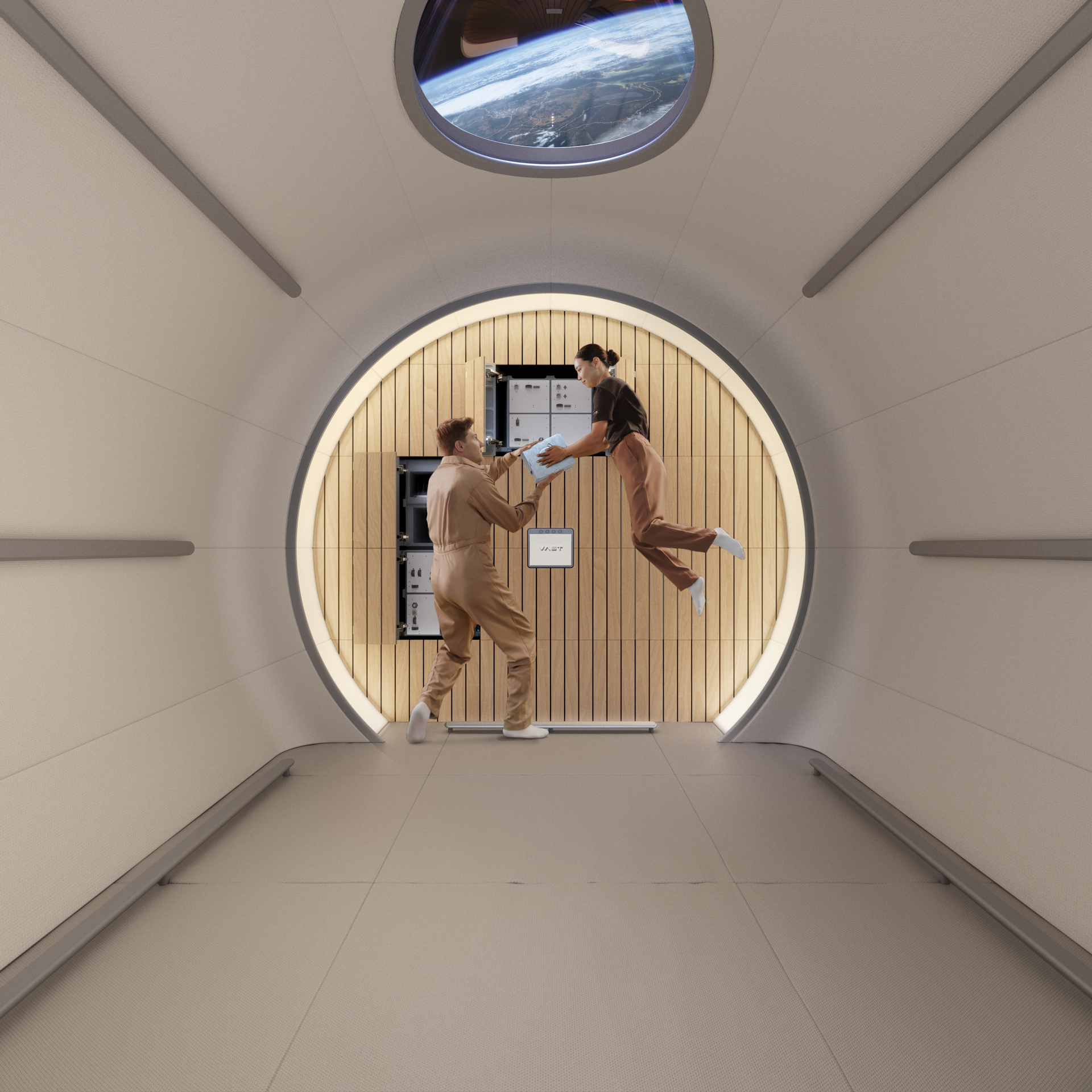
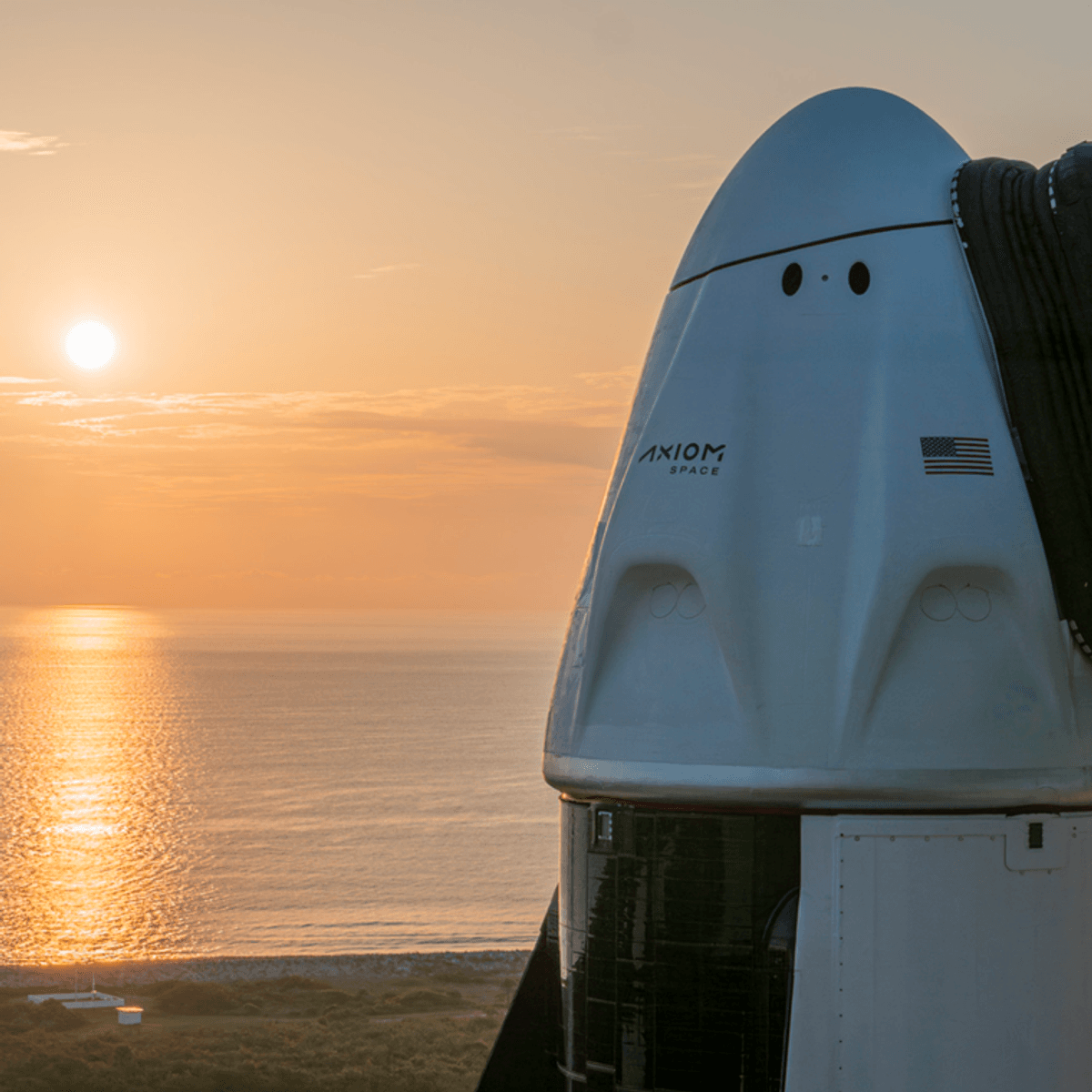
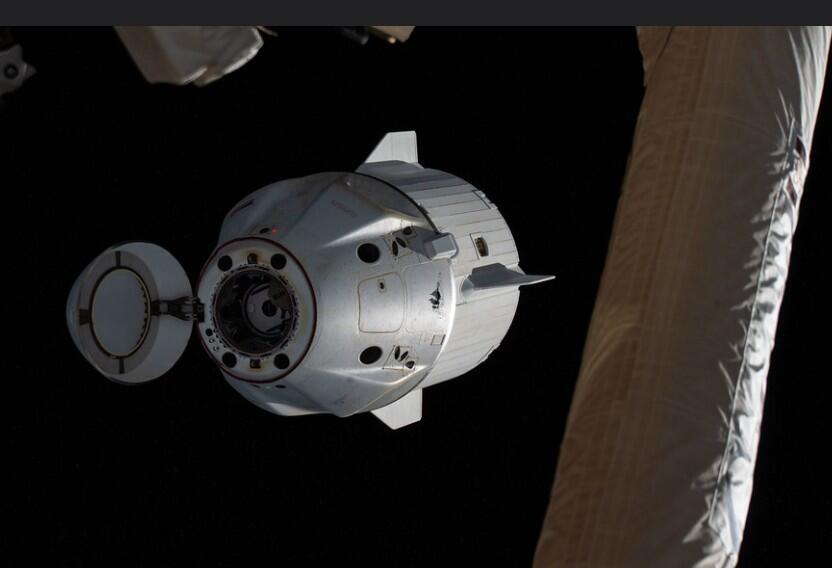
NASA's selection of Vast for the sixth private astronaut mission (PAM) to the International Space Station, announced February 12, 2026, marks a critical inflection point in the commercialization of space operations—with significant implications for B2B suppliers, specialized equipment manufacturers, and logistics providers serving the emerging commercial space economy. The mission, scheduled for no earlier than mid-2027, represents the first PAM awarded to a company outside Axiom Space, which dominated the previous five opportunities. This diversification strategy signals NASA's commitment to building a competitive ecosystem of commercial space providers, directly expanding procurement opportunities across multiple supplier tiers.
The Commercial Space Supply Chain Opportunity: Vast's selection validates a business model where private companies provide specialized services to government agencies—a pattern that extends far beyond the aerospace sector. The company operates a 24,000 square-foot additive manufacturing facility in Hawthorne, California, supporting astronaut training and mission control operations. This infrastructure requirement creates immediate demand for: precision manufacturing equipment (3D printers, CNC machines), specialized materials (aerospace-grade composites, titanium alloys), training simulation software, life support systems, and mission-critical electronics. Suppliers in these categories can expect increased RFQs (requests for quotation) as Vast, Axiom Space, and emerging competitors scale operations toward the 2027-2028 launch window.
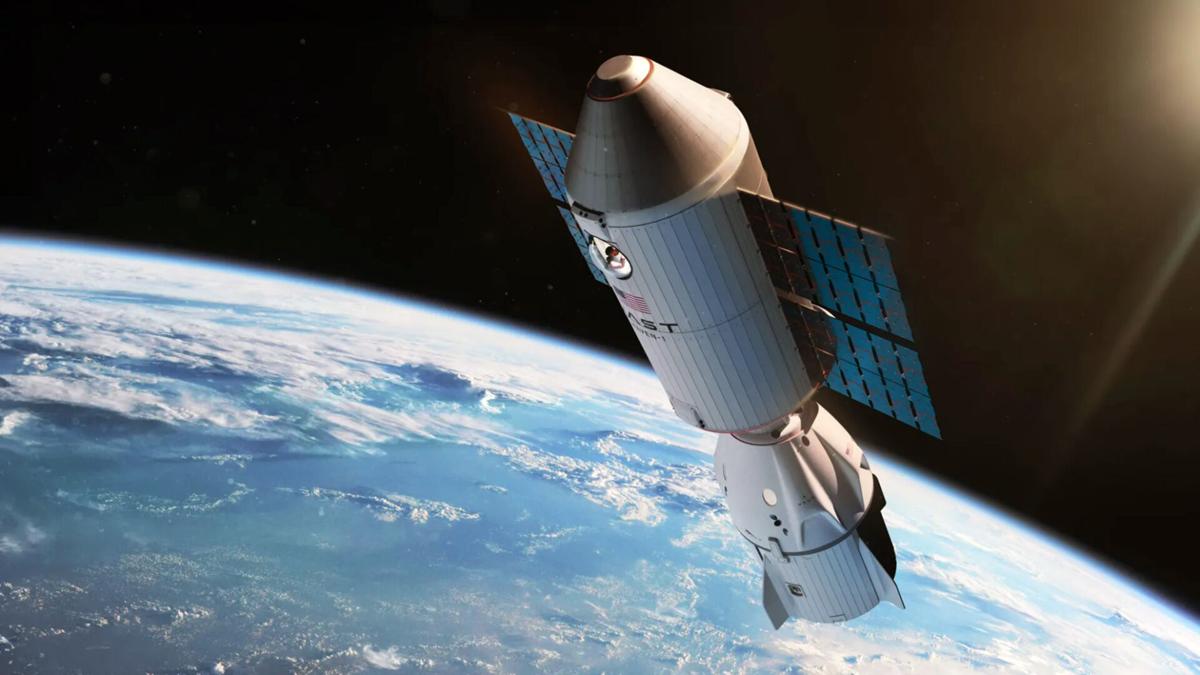
Market Expansion Through Competitive Diversification: NASA's strategy to diversify beyond Axiom Space (which completed four missions with Ax-4 in mid-2025) creates a multiplier effect. Axiom CEO Jonathan Cirtain reported "oversubscription" of astronaut seats on the Ax-5 mission, indicating sustained demand for private space access. With Vast now competing for PAM slots and developing Haven-1 (a single-module commercial space station launching Q1 2027), the market is expanding from government-exclusive operations to a multi-provider ecosystem. This transition mirrors historical patterns in telecommunications, aviation, and logistics—where government deregulation and private competition drove 300-500% growth in supplier ecosystems over 5-10 year periods.
Strategic Implications for B2B Sellers: The 18-month preparation timeline (summer 2027 launch) creates a compressed procurement cycle. Companies supplying components, materials, or services must position themselves now to capture contracts. Vast's partnership with SpaceX for Crew Dragon operations indicates a hub-and-spoke model where primary contractors (SpaceX, Vast) source from specialized suppliers. This creates opportunities for sellers of: mission-critical electronics, environmental control systems, data management platforms, crew training equipment, and supply chain logistics services. The commercial space market is projected to reach $1 trillion by 2040 (per industry forecasts), with near-term growth concentrated in ISS-adjacent services (2026-2030).
问题 7
How can B2B sellers identify and pursue commercial space supply opportunities?
Sellers should monitor NASA procurement announcements (nasa.gov/news), track Vast and Axiom Space supplier requirements, and engage with prime contractors' supply chain teams. Vast's Hawthorne facility and SpaceX partnership indicate that suppliers should target companies in: additive manufacturing, precision machining, materials science, software development, and logistics. Industry associations like the Commercial Spaceflight Federation and aerospace trade shows provide networking opportunities. Early engagement (Q1-Q2 2026) with prime contractors' procurement teams significantly increases contract award probability for 2027-2028 missions.
What are the key risks and compliance requirements for suppliers entering commercial space contracts?
Commercial space suppliers must meet NASA's rigorous safety reviews, technical assessments, and operational readiness evaluations. Vast's selection process involved extensive vetting, indicating that suppliers will face similar scrutiny. Key compliance areas include: materials certification (aerospace-grade standards), quality assurance documentation, supply chain traceability, and export control compliance (ITAR restrictions on space technology). Suppliers should expect 6-12 month qualification cycles and ongoing audits. Non-compliance can result in contract termination and exclusion from future opportunities, making early engagement with compliance requirements critical.