




Entertainment Agency Crisis Signals Reputational Risk Management Shift | Seller Implications for Celebrity Merchandise & Sports Collectibles
- 720+ artists publicly defect from major talent agency; $2B Olympic sponsorship ecosystem faces leadership uncertainty; celebrity merchandise category faces supply chain disruption













概览
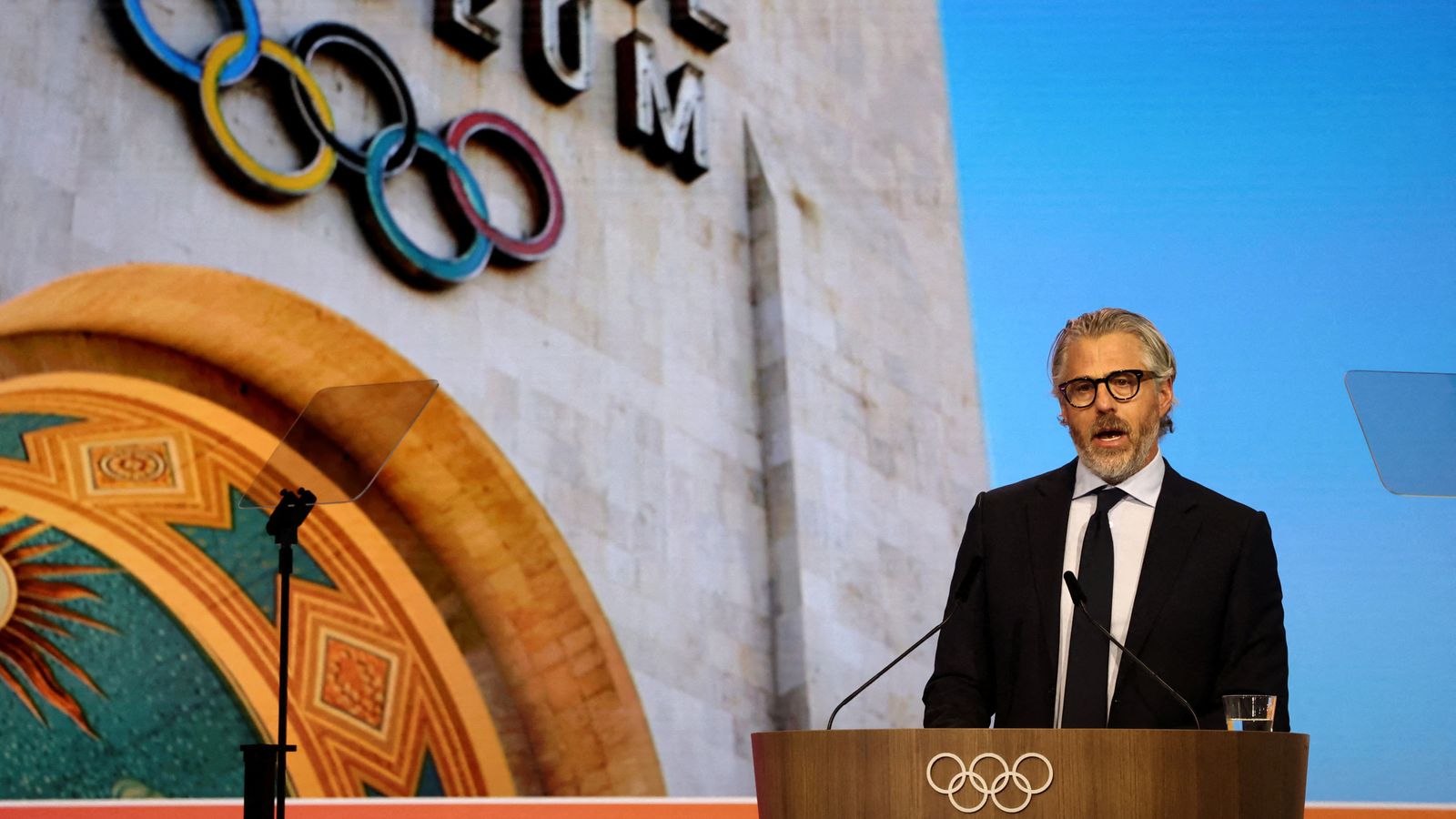
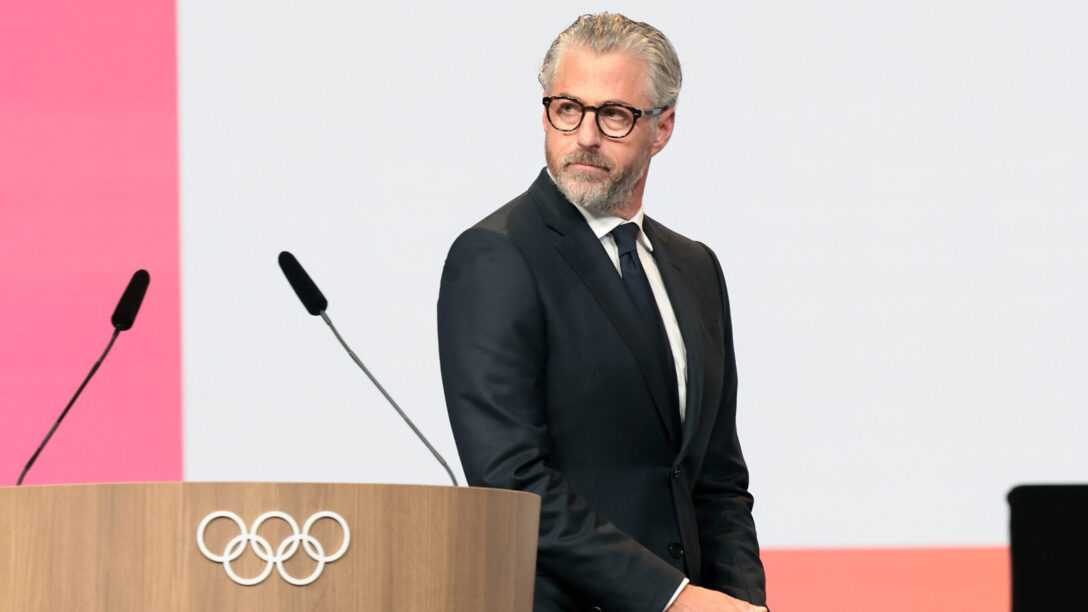
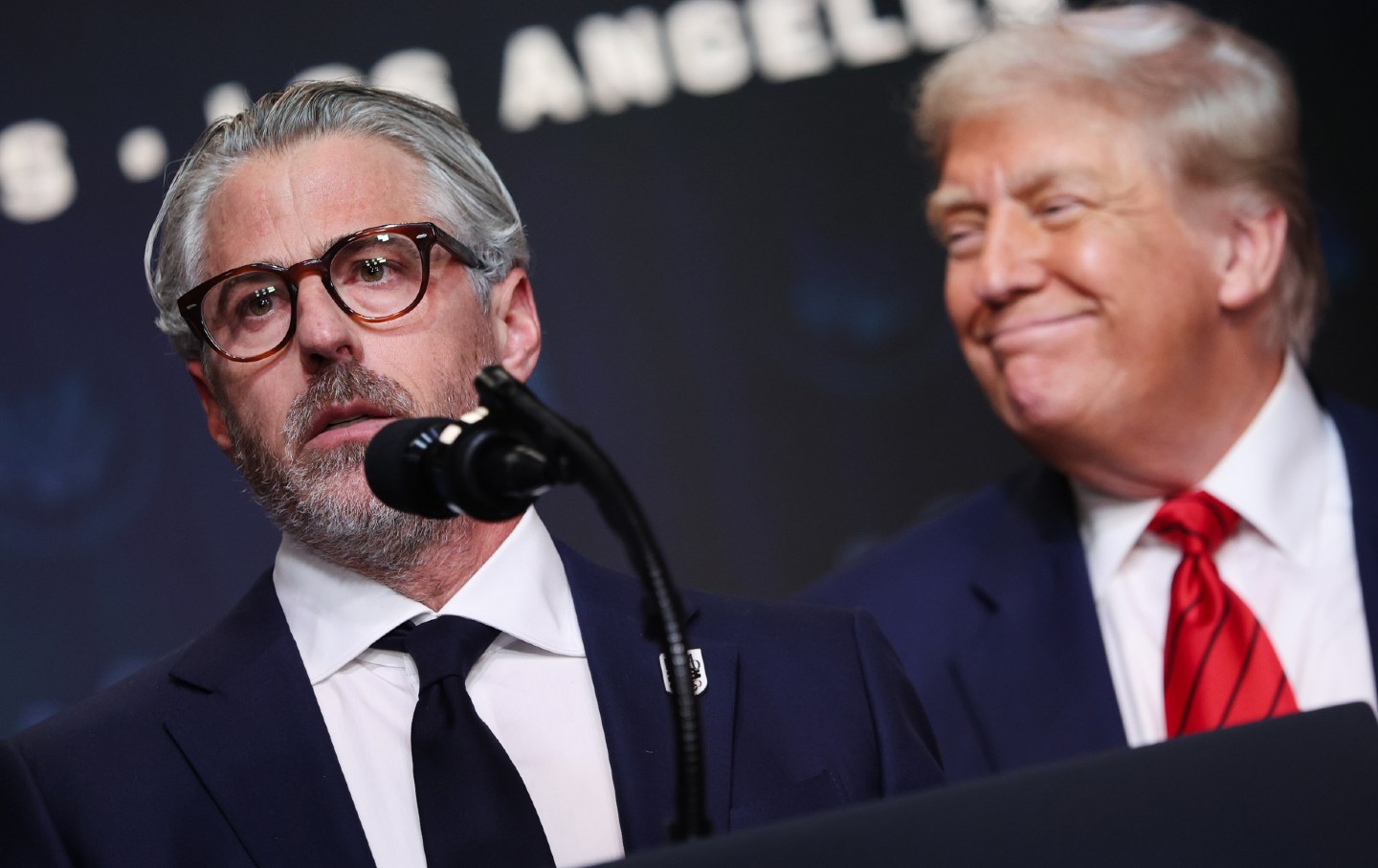
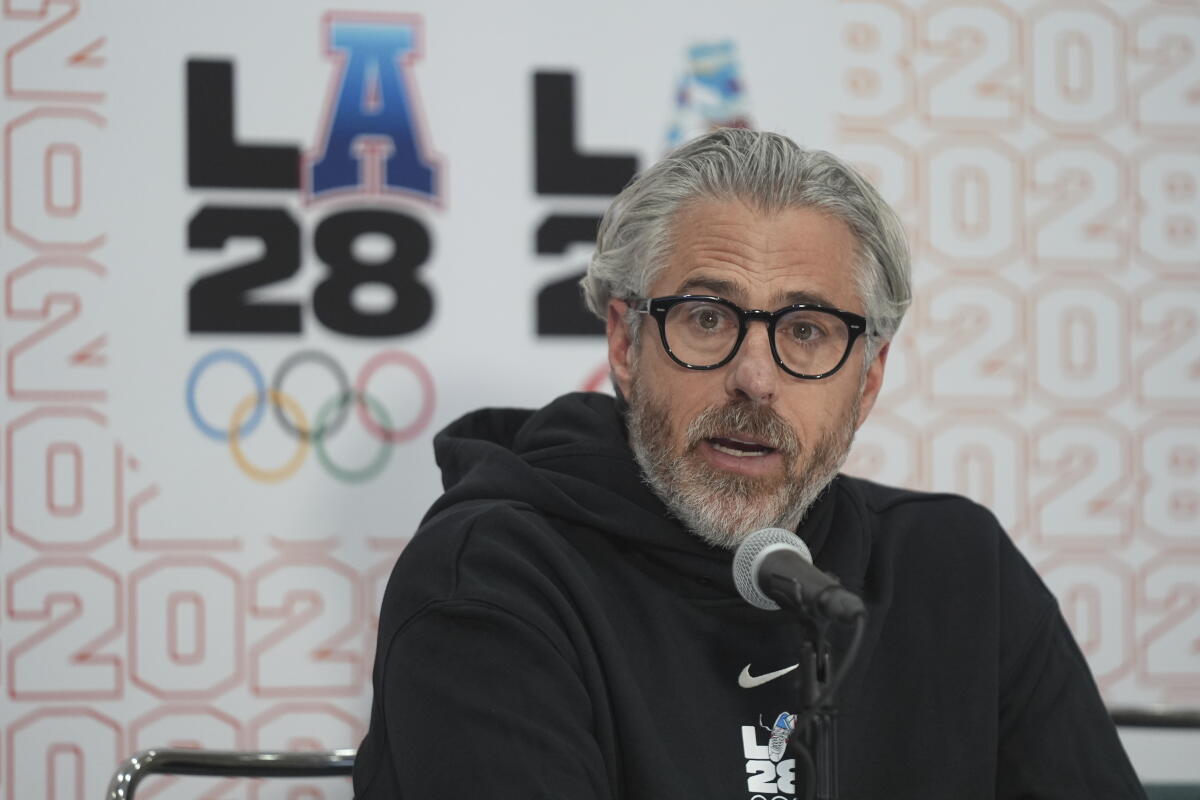
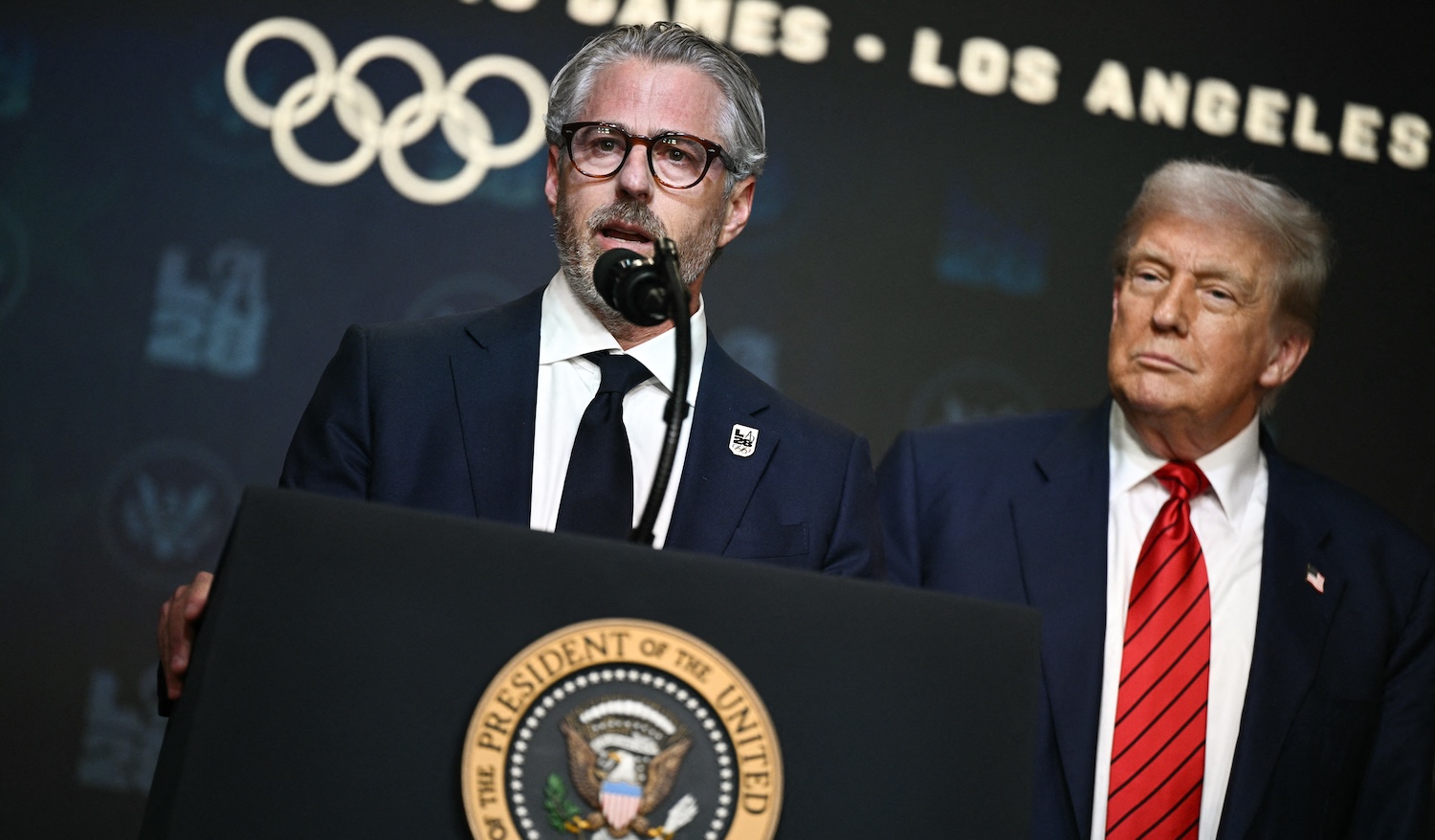
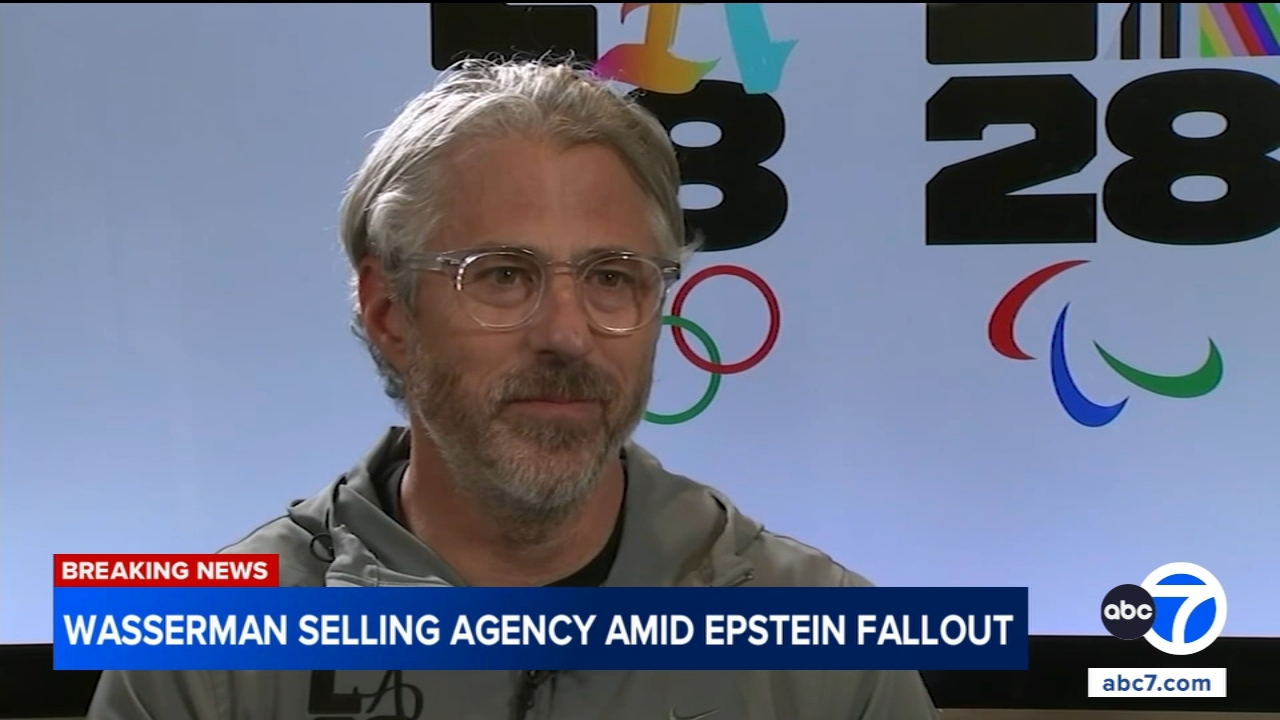
The Wasserman Media Group crisis, triggered by Department of Justice document releases in late January 2025 revealing 2003 emails between founder Casey Wasserman and convicted sex trafficker Ghislaine Maxwell, represents a watershed moment in how reputational risk cascades through entertainment business ecosystems. While legal reviews concluded no criminal allegations existed and Wasserman's relationship with Maxwell and Epstein did not exceed publicly documented interactions, the crisis catalyzed unprecedented client defection: over 720 artists posted publicly on social media—a rare occurrence of clients publicly rebuking their own representation firm's leadership. By February 13-14, 2026, Wasserman announced the agency's sale, citing that he had "become a distraction" to operations.
For e-commerce sellers, this crisis illuminates critical market dynamics affecting celebrity merchandise and sports collectibles categories. The Wasserman Group manages approximately 4,000 employees and represents thousands of high-profile clients including musicians Coldplay, Ed Sheeran, and Kendrick Lamar, plus athletes like Paige Bueckers, Brittney Griner, and Yoshinobu Yamamoto. Notable departures include pop star Chappell Roan and soccer star Abby Wambach, signaling potential athlete defections. This talent exodus directly impacts merchandise licensing opportunities: when representation changes, licensing agreements, royalty structures, and product approval workflows shift, creating 60-90 day supply chain gaps for sellers holding celebrity-branded inventory. The 2021 acquisition of Paradigm's North American music business positioned Wasserman as a major music licensing player; the potential divestiture of this division signals consolidation in the talent representation sector, which will reshape licensing availability and pricing for music-related merchandise.
The broader market context reveals structural vulnerabilities in celebrity-dependent product categories. Private equity firm Providence Equity Partners, which acquired a significant stake in November 2022, faces pressure managing this fallout. The company scrubbed its client roster from its corporate website, indicating active reputation management. Political responses remained mixed: while some LA officials called for Wasserman's resignation from the Olympics board, Governor Gavin Newsom offered non-committal responses, citing Wasserman's importance to 2028 Games logistics and the $2 billion in sponsorship revenue already secured. This $2B Olympic ecosystem creates both opportunity and risk: sellers of Olympic merchandise, athlete-branded products, and sports collectibles face potential supply chain disruption if leadership transitions affect licensing coordination. Industry rivals are actively monitoring client departures and acquisition opportunities, suggesting consolidation in talent representation will accelerate, potentially reducing licensing options for mid-tier sellers while concentrating power among larger agencies.
Immediate operational implications for sellers: Verify current licensing agreements with any Wasserman-represented talent in your product catalog. Monitor for representation changes among your top 10 celebrity/athlete endorsers. Consider diversifying away from single-agency-dependent merchandise categories. The crisis demonstrates how digital communications and historical business relationships create unexpected liabilities for executives and their organizations—a lesson applicable to seller due diligence on brand partnerships and influencer collaborations.
问题 8
How does the Wasserman agency crisis affect celebrity merchandise sellers on Amazon and eBay?
The crisis creates 60-90 day supply chain disruption for sellers holding celebrity-branded inventory from Wasserman-represented talent. When representation changes, licensing agreements, royalty structures, and product approval workflows shift, potentially invalidating existing inventory rights. Sellers should immediately audit their top 10 celebrity/athlete endorsers to verify representation status. The 720+ artist defections signal broader consolidation in talent representation, which will reduce licensing options for mid-tier sellers while concentrating power among larger agencies. Monitor Wasserman's client roster changes on its corporate website and industry announcements for representation transitions affecting your product categories.
What are the licensing implications when a major talent agency divests music divisions?
Wasserman's potential divestiture of its music division—acquired through the 2021 purchase of Paradigm's North American music business—signals consolidation in music licensing. When music licensing operations transfer between agencies, approval timelines extend 30-45 days, royalty rates may increase 5-15%, and product category restrictions often tighten. Sellers of music-related merchandise (apparel, collectibles, accessories) should expect licensing availability to narrow and pricing to increase. The sports representation sector generates substantially higher revenue for major agencies like CAA and WME, making athlete retention crucial; this suggests music licensing will become a lower-priority revenue stream for consolidated agencies, reducing seller access to music-related product categories.