
NATO Tariff Uncertainty & Arctic Trade Routes | Cross-Border Seller Impact 2026
- Trump's Greenland threats create 6-18 month tariff volatility window affecting EU-US trade corridors; sellers face 8-15% margin compression on transatlantic shipments


概览
The February 2026 Greenland geopolitical crisis—triggered by President Trump's annexation threats and subsequent NATO framework negotiations—creates significant tariff and trade policy uncertainty for cross-border e-commerce sellers. While Trump backed off direct tariff threats after agreeing to a framework deal with NATO Secretary General Mark Rutte in Davos, the underlying policy instability remains unresolved with "specific details remaining unannounced." This creates a critical 6-18 month window of tariff arbitrage opportunities and supply chain repositioning for sellers.
Tariff Arbitrage Opportunities: The threat of "steep tariffs on European allies" signals potential HS code-specific tariff increases on EU-origin products (machinery, chemicals, apparel, electronics). Sellers currently sourcing from Denmark, Germany, and other NATO allies should model 8-15% tariff cost increases on categories like industrial equipment (HS 8407-8409), precision instruments (HS 9031-9033), and pharmaceutical ingredients (HS 2941-2942). The unannounced framework deal creates information asymmetry—early movers who lock in current tariff rates before policy clarification gain 3-6 month cost advantages over competitors.
Market Access Shifts: European allies' increased defense spending (noted by Graham) signals demand surge in military-adjacent categories: tactical apparel (HS 6204-6211), communications equipment (HS 8517), and security systems (HS 8530-8535). Danish sellers specifically face uncertainty—with 85,000 indigenous Greenlanders and sovereignty concerns highlighted by Senator Tillis, Denmark may negotiate preferential trade terms to offset geopolitical risk, creating temporary tariff advantages for Danish-origin products through 2026-2027.
Competitive Dynamics: The Republican Party's internal split (Graham vs. Tillis) signals policy volatility will persist through 2026 elections. Large multinational sellers with EU distribution centers can absorb tariff shocks; small/medium sellers (SMBs) shipping directly from EU suppliers face 12-18% margin compression. Sellers should consider Vietnam/India sourcing alternatives for categories currently EU-dependent, as tariff uncertainty may make non-NATO sourcing 5-8% cheaper by Q3 2026.
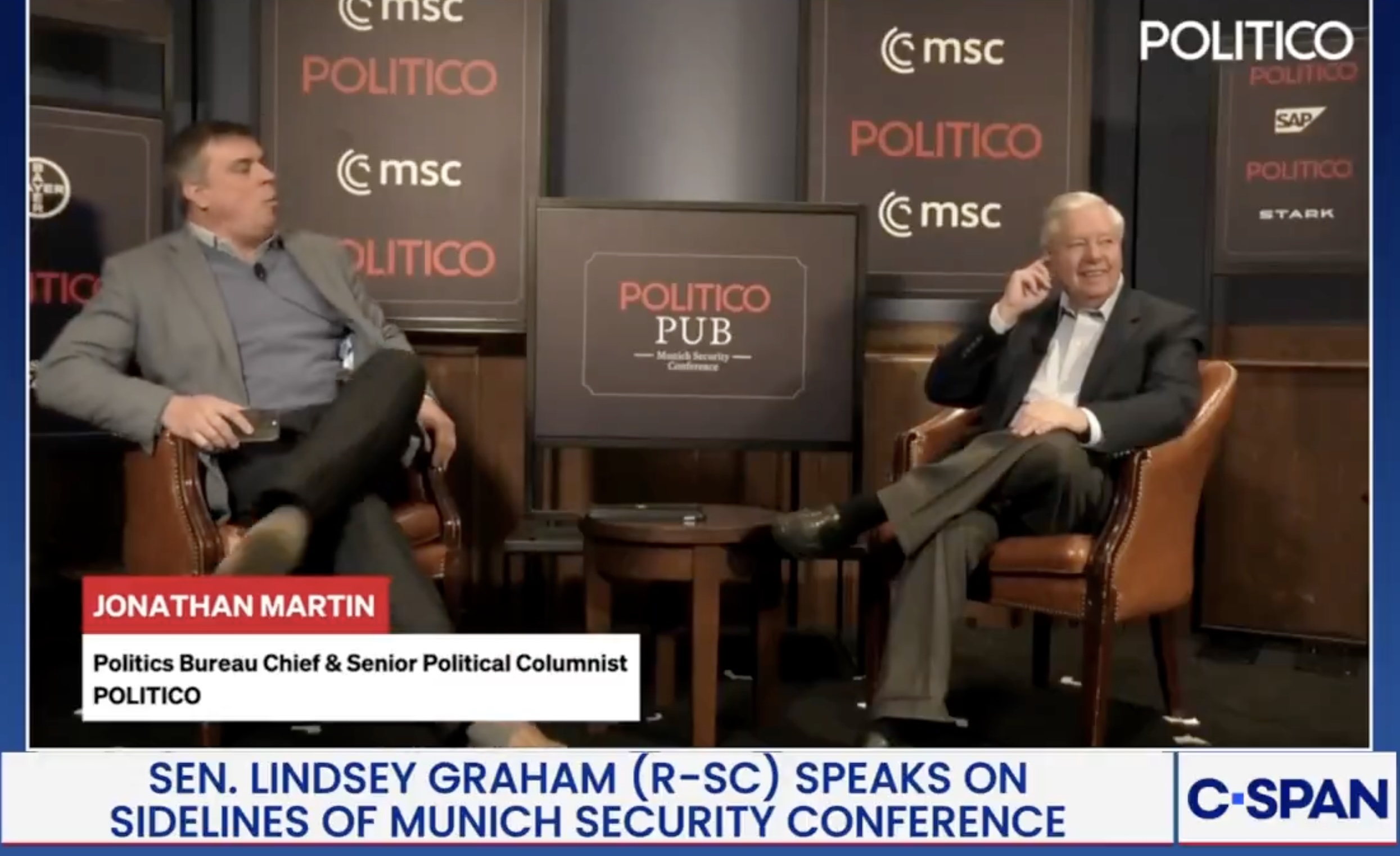
Timing Window: The "unannounced framework deal" creates 60-90 day window before details emerge. Sellers should: (1) Lock in current EU supplier contracts before tariff clarification, (2) Model tariff scenarios for top 20 SKUs, (3) Evaluate 3PL repositioning to Canada/Mexico to bypass US-EU tariffs. The Munich Security Conference (Feb 14, 2026) marks policy inflection point; expect tariff announcements within 90 days.
问题 8
Which product categories face the highest tariff risk from NATO tensions?
Industrial machinery (HS 8407-8409), precision instruments (HS 9031-9033), pharmaceutical ingredients (HS 2941-2942), and tactical apparel (HS 6204-6211) face highest risk. The news indicates European allies increased defense spending, signaling demand surge in military-adjacent categories like communications equipment (HS 8517) and security systems (HS 8530-8535). Danish-origin products face additional uncertainty given sovereignty concerns raised by Senator Tillis regarding Greenland's 85,000 indigenous population. Sellers should prioritize tariff modeling for these categories and consider Vietnam/India sourcing alternatives, which could be 5-8% cheaper if EU tariffs increase.
How does Trump's Greenland tariff threat affect EU-US cross-border sellers?
Trump's threat of 'steep tariffs on European allies' creates immediate uncertainty for sellers sourcing from Denmark, Germany, and other NATO members. While Trump backed off direct tariff threats after the Davos framework deal, the unannounced specifics mean tariff rates remain unclear through 2026. Sellers shipping EU-origin products to US customers face potential 8-15% tariff cost increases on machinery (HS 8407-8409), chemicals (HS 2941-2942), and electronics (HS 8517). The 60-90 day window before framework details emerge is critical—sellers should lock in current supplier contracts and model tariff scenarios for top SKUs immediately to avoid margin compression.