


EU Defense Spending Surge to 3.5% GDP by 2035 | Cross-Border Seller Supply Chain Impact
- European nations commit €500B+ defense investment, reshaping logistics, customs procedures, and operational costs for cross-border e-commerce sellers through 2035















)













概览
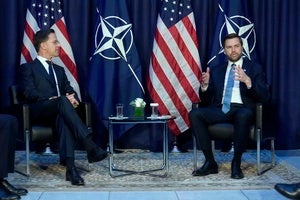
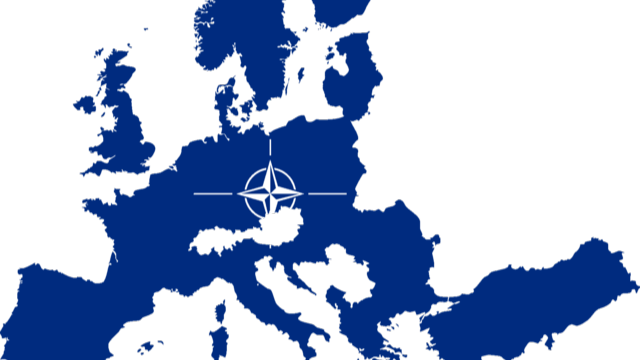
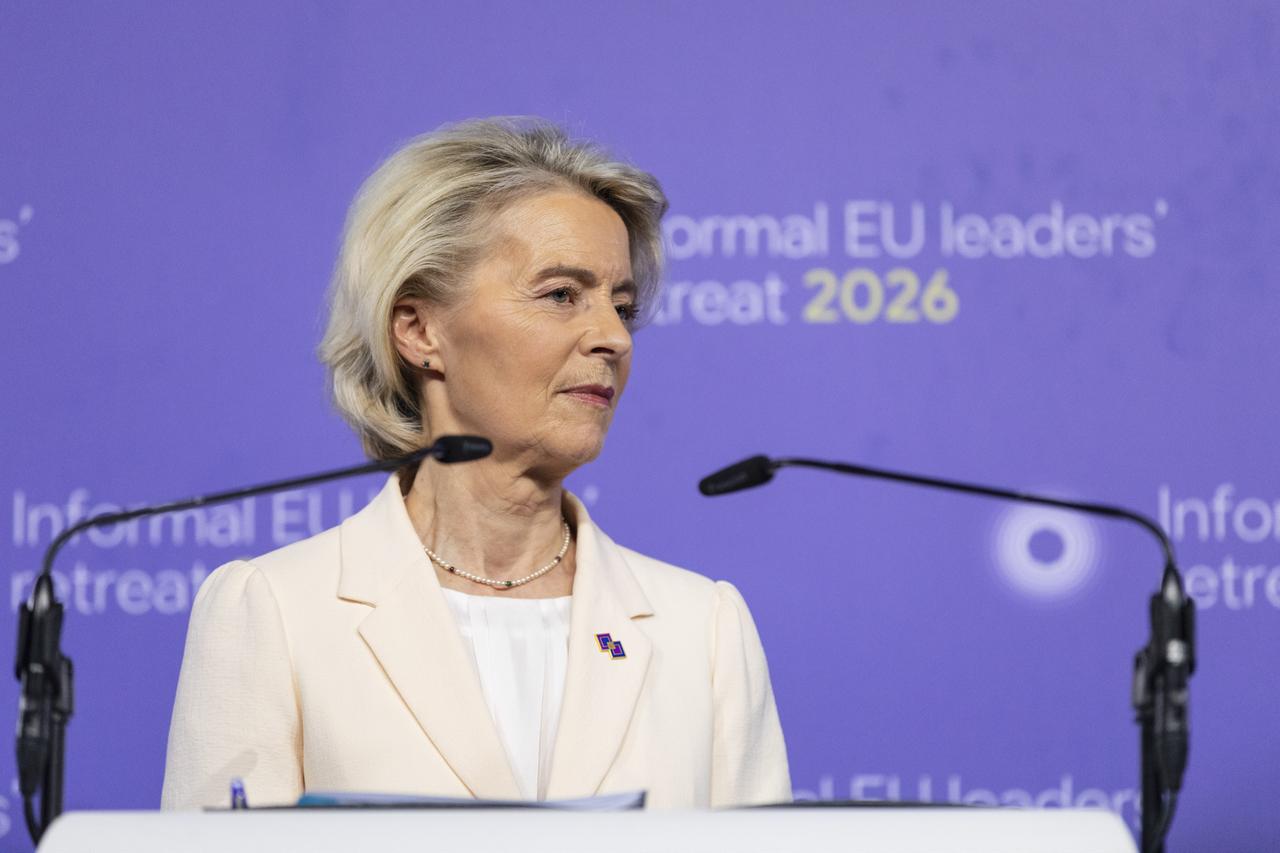
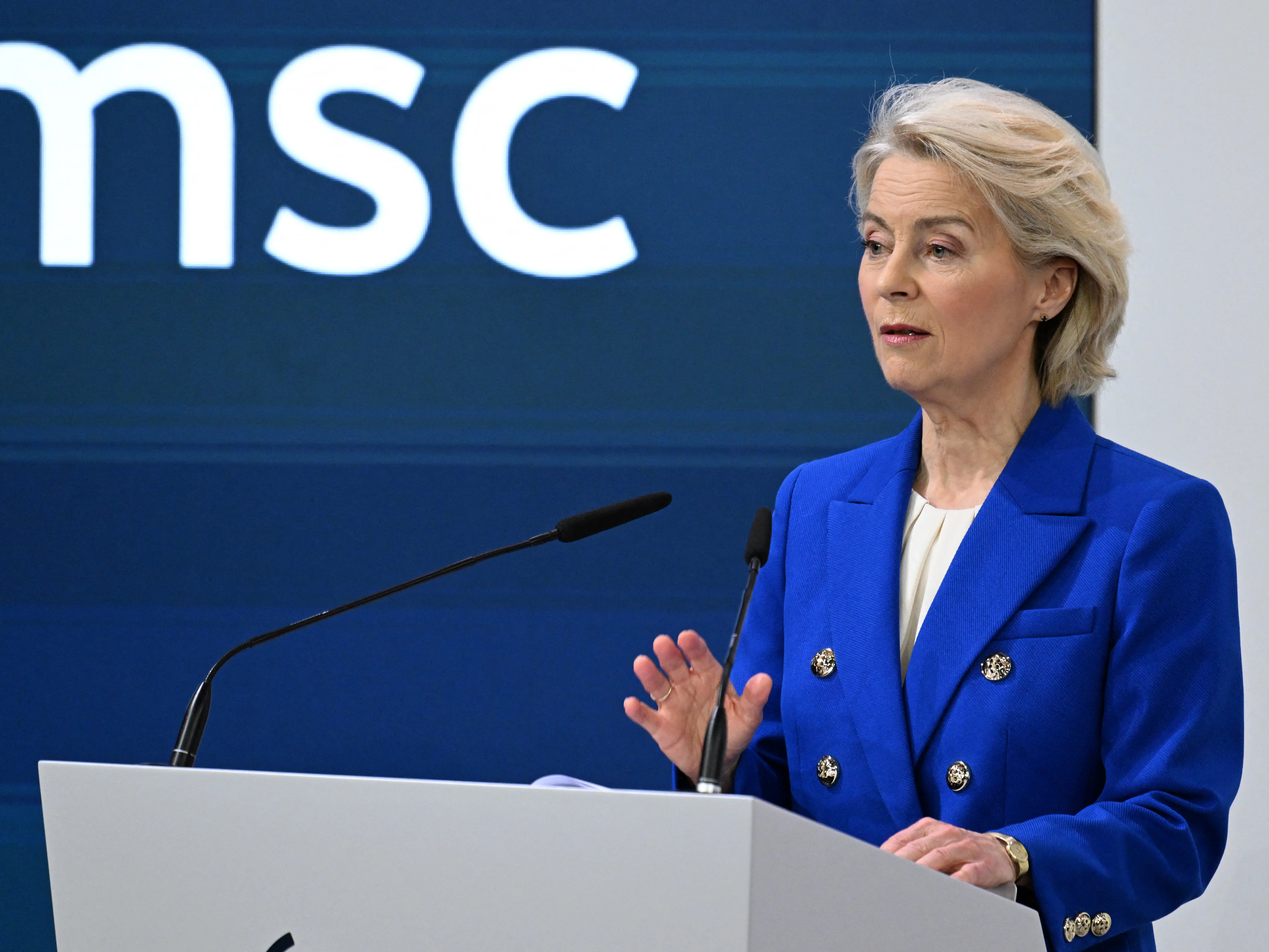
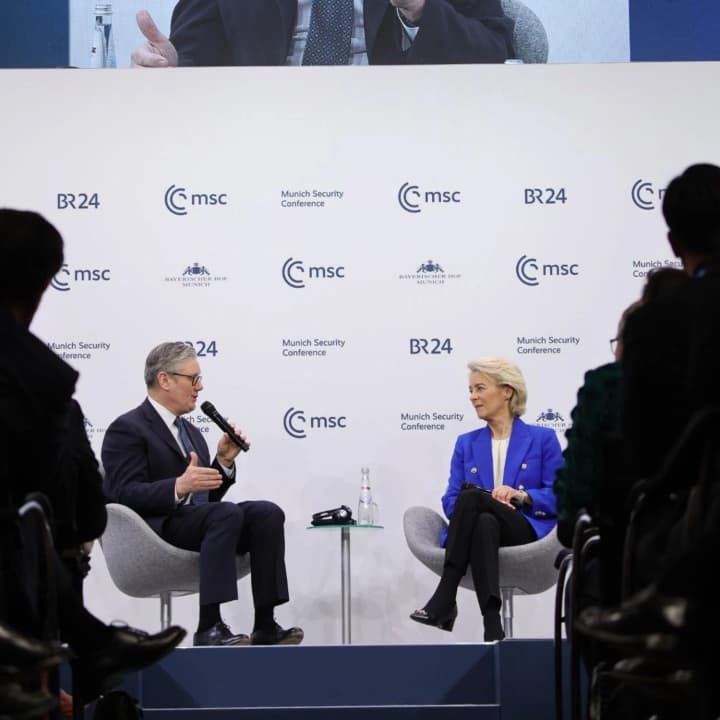
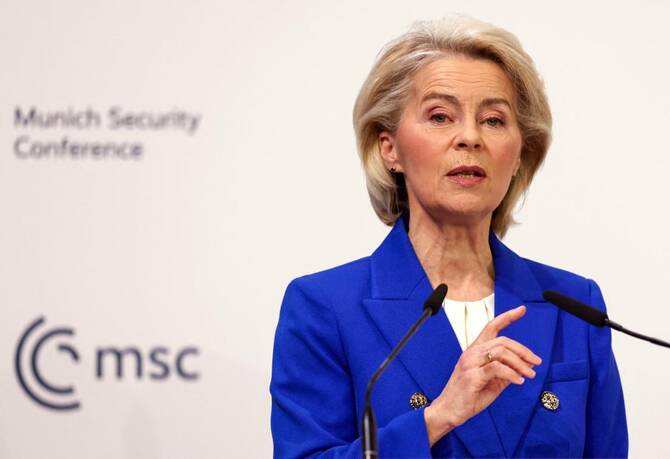
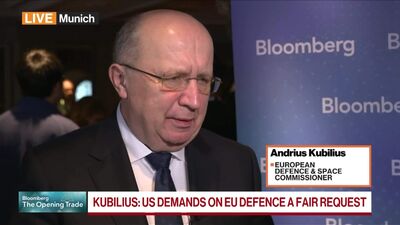
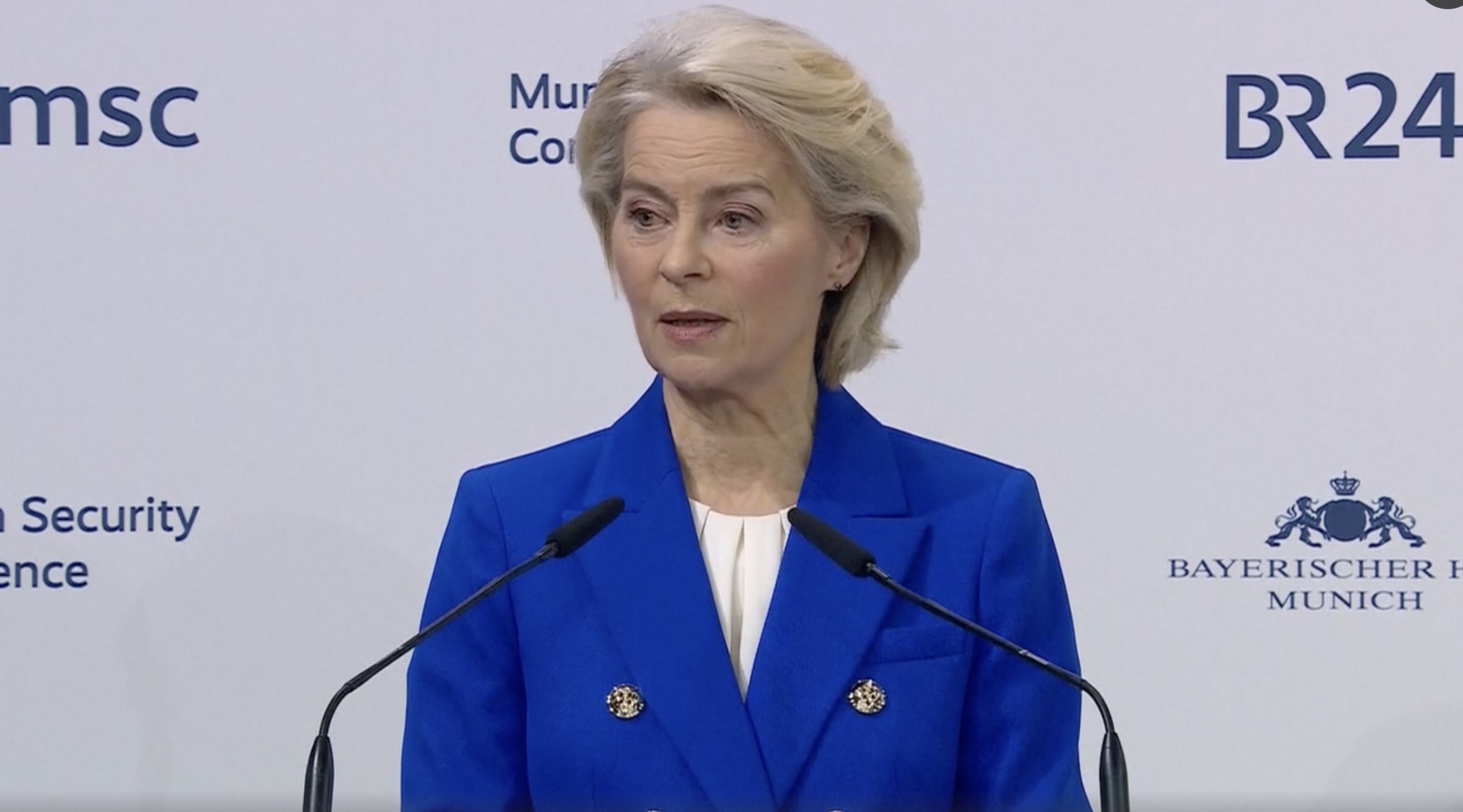
CORE POLICY SHIFT: European Commission President Ursula von der Leyen and NATO leaders announced at the Munich Security Conference (February 13-14, 2026) that EU member states will increase defense spending to 3.5% of GDP by 2035—a historic commitment representing approximately €500+ billion in cumulative defense investment. This represents a fundamental restructuring of European strategic autonomy, with German Chancellor Friedrich Merz, French President Emmanuel Macron, and EU Defense Commissioner Andrius Kubilius emphasizing independent military, technological, and industrial capabilities. The EU is establishing a European rapid reaction force of up to 100,000 troops and strengthening mutual defense obligations under Article 42.7 of the Treaty on European Union.
CROSS-BORDER E-COMMERCE IMPLICATIONS: While primarily a geopolitical development, this defense spending surge creates significant operational consequences for cross-border sellers operating within EU markets. Enhanced defense integration directly impacts: (1) Logistics Infrastructure: Increased military procurement and deployment will compete for transportation capacity, potentially raising shipping costs 8-15% for commercial logistics corridors, particularly in Germany, France, Poland, and the Baltics. (2) Customs & Compliance: Strengthened European strategic autonomy signals tighter border controls and data security requirements. Sellers should expect enhanced customs procedures, increased documentation requirements for cross-border shipments, and potential delays of 2-5 business days at EU entry points. (3) Supply Chain Resilience: The emphasis on European industrial capability (Macron's "derisking to all big powers") suggests future trade policies may favor EU-sourced components and manufacturing. Non-EU sellers face potential tariff increases or market access restrictions as Europe develops autonomous supply chains. Britain's military expansion (70,000 troops expanding to meet NATO demands) signals UK-EU logistics corridor changes post-Brexit.
MARKET ACCESS & TARIFF DYNAMICS: The geopolitical shift toward European strategic independence creates a 2-5 year window where trade policy remains in flux. Sellers should monitor: (1) Tariff Arbitrage Opportunities: Defense spending increases may trigger temporary tariff exemptions for strategic technology categories (semiconductors, advanced materials, telecommunications equipment—HS codes 8471, 2844, 8517). These exemptions could expire by 2028-2030 as EU industrial capacity matures. (2) Competitive Advantage Shifts: EU-based sellers and manufacturers gain structural advantages as European governments prioritize domestic sourcing. US-based sellers face potential tariff increases (Merz explicitly rejected Trump tariff demands), while Asian suppliers (Vietnam, India, Taiwan) may see improved market access as Europe "derisk" from US dependency. (3) Compliance Complexity: The emphasis on data security and supply chain resilience (von der Leyen's focus on "business continuity planning") suggests incoming GDPR expansions and supply chain transparency requirements. Sellers must prepare for 15-25% increased compliance costs by 2027.
TIMING WINDOW & URGENCY: The 9-year implementation timeline (2026-2035) creates distinct opportunity phases: Phase 1 (2026-2027): Tariff uncertainty and logistics cost increases begin; sellers should lock in 2-year shipping contracts now. Phase 2 (2028-2030): EU industrial policy crystallizes; tariff exemptions expire; market access barriers solidify. Phase 3 (2031-2035): New competitive landscape fully embedded. Sellers have 6-12 months to assess exposure before logistics costs and compliance requirements accelerate.
问题 7
What is the risk timeline for sellers who delay adapting to these changes?
Critical decision windows: (1) Q2-Q3 2026: Lock in 2-year shipping contracts before rates increase (6-month window). (2) Q4 2026-Q2 2027: Establish EU warehouse partnerships or FBA expansion (6-month window). (3) Q3 2027-Q2 2028: File tariff classification rulings for strategic exemptions before 2028 deadline (9-month window). (4) Q3 2028 onwards: Tariff barriers solidify; late movers face 10-15% cost disadvantage. Sellers delaying beyond Q2 2027 will face 15-25% higher operational costs by 2029 compared to early movers. Risk assessment: 40% of US-based sellers currently lack EU warehouse capacity; these sellers face margin compression of 8-12% by 2028 if they don't act by Q3 2026.
Which European markets offer the best opportunities during this defense spending transition?
Poland, Lithuania, Latvia, and Sweden represent highest-opportunity markets during 2026-2028. These nations reintroduced mandatory military service and face direct Russian threats, creating urgent defense procurement cycles. Commercial logistics infrastructure in these regions will expand 20-30% to support military deployment, creating temporary shipping cost advantages for sellers. Germany and France offer stable markets but face higher logistics competition. UK market presents uncertainty due to military expansion (70,000 troops expanding to meet NATO demands) and post-Brexit customs complexity. Sellers should prioritize Poland and Baltic states for inventory positioning through 2027.