




OPEC April 2026 Production Increase | Shipping Cost Relief for Cross-Border Sellers
- Potential 5-7% fuel surcharge reduction for FBA sellers; March 1 OPEC meeting critical decision point























概览
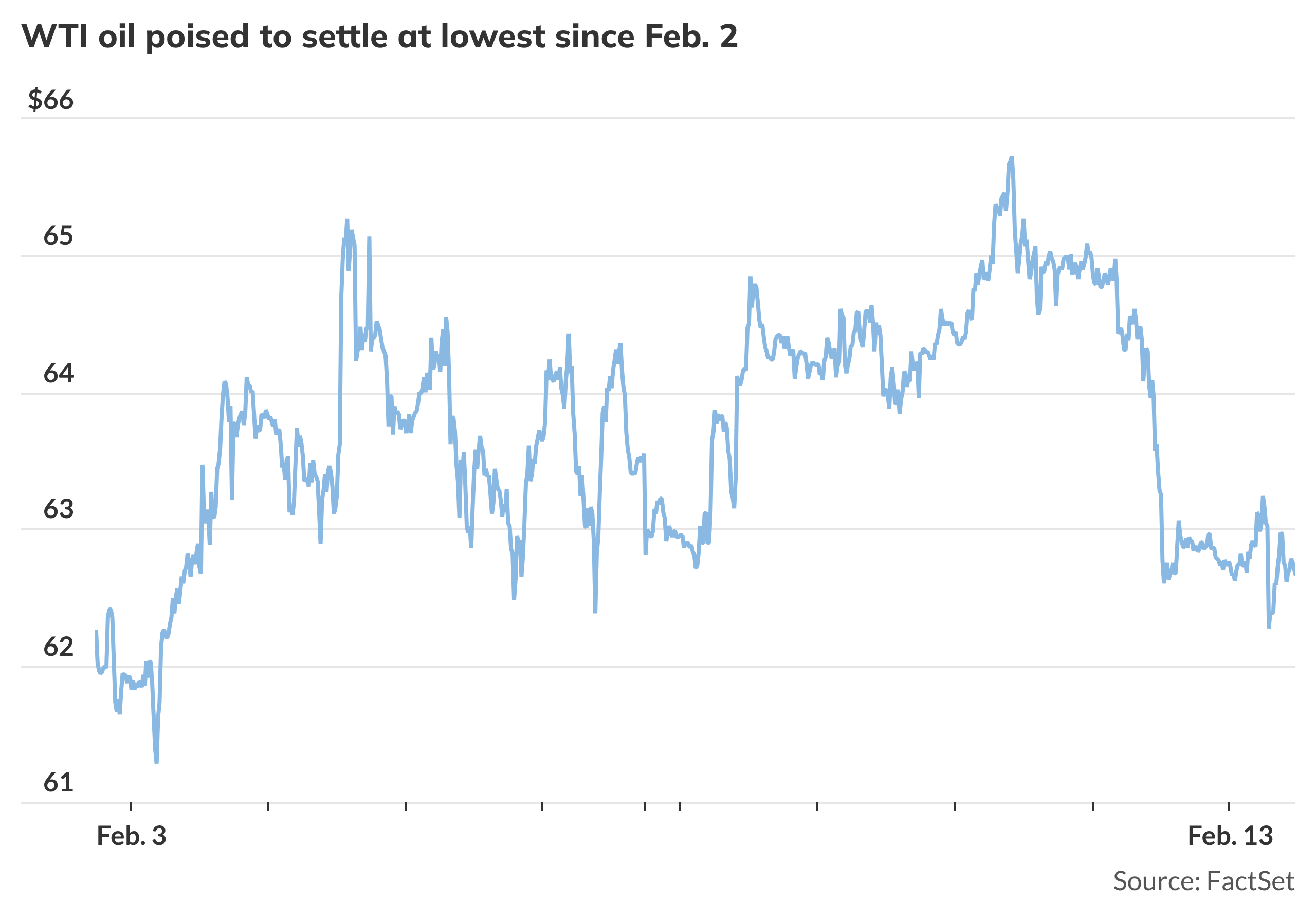
OPEC's planned April 2026 production increase represents a critical cost-management opportunity for cross-border e-commerce sellers, with potential fuel surcharge reductions of 5-7% on international logistics. According to Reuters reporting on February 13, 2026, OPEC is preparing to resume monthly oil production quota increases beginning in April 2026 after pausing increases during Q1 2026. Eight OPEC members—Saudi Arabia, Russia, UAE, Kazakhstan, Kuwait, Iraq, Algeria, and Oman—will meet on March 1 to formalize the decision. Current crude prices stand at Brent $67.75/barrel and WTI $62.89/barrel, with analysts estimating a $5-7 per barrel geopolitical premium embedded in current pricing.
For high-volume FBA sellers and 3PL-dependent operations, this development directly impacts fulfillment economics. Increased OPEC production typically moderates fuel costs within 4-8 weeks of implementation, translating to reduced fuel surcharges on international freight. Sellers shipping 1,000+ units monthly via ocean freight could see cumulative savings of $200-400/month by Q2-Q3 2026, while air freight users may realize 3-5% cost reductions on expedited shipments. The April timing aligns with peak summer demand in developed markets (US, EU, Japan), creating a favorable window for sellers to optimize inventory positioning and negotiate carrier contracts before cost reductions materialize. However, the geopolitical premium component introduces volatility risk—any escalation in U.S.-Iran tensions or disruption to Venezuela sanctions relief could offset production benefits through price spikes.
Strategic timing creates a critical decision window for sellers through March 1, 2026. The March 1 OPEC+ meeting represents the formal decision point; no final commitment has been made. Sellers should monitor crude futures prices and OPEC announcements closely, as the organization's cautious approach—pausing Q1 increases before resuming—indicates concern about oversupply risks. This suggests moderate cost reductions rather than dramatic savings. Sellers relying on air freight for time-sensitive products (electronics, fashion, perishables) face greater exposure to oil price volatility and should prioritize carrier negotiations now. Supply chain optimization becomes critical: sellers with flexible inventory can shift 20-30% of stock to 3PL providers in lower-cost regions (Mexico, Canada, India) to capitalize on reduced logistics costs. The broader context shows OPEC balancing production growth with price maintenance—a strategy historically creating 3-5% cost improvements for logistics operations rather than transformative savings.
问题 7
How will OPEC's April 2026 production increase affect my FBA shipping costs?
OPEC's production resumption could reduce fuel surcharges by 5-7% on international freight, translating to $200-400 monthly savings for sellers shipping 1,000+ units via ocean freight. Historically, OPEC production decisions influence global shipping costs within 4-8 weeks of implementation. The April timing positions sellers to benefit during peak summer selling seasons (May-August 2026) when demand peaks in US, EU, and Japan markets. However, the final decision depends on the March 1 OPEC meeting outcome, and geopolitical tensions (particularly U.S.-Iran relations) could offset benefits through price spikes. Monitor crude futures prices (currently $62.89 WTI/$67.75 Brent) and OPEC announcements for clearer cost trajectory signals.
Should I lock in shipping rates now before OPEC's April decision?
Yes, strategic timing is critical. Negotiate multi-month carrier contracts before March 1, 2026, locking in current rates while positioning for potential cost reductions post-April. Sellers with flexible inventory should consider shifting 20-30% of stock to 3PL providers in lower-cost regions (Mexico, Canada, India) to capitalize on reduced logistics costs. Air freight users face greater volatility exposure and should prioritize negotiations immediately. Ocean freight users have more flexibility since cost reductions typically materialize over 4-8 weeks. The cautious OPEC approach—pausing Q1 increases before resuming—suggests moderate savings rather than dramatic reductions, so avoid over-committing to inventory expansion based on optimistic cost projections.