
FDA Dietary Supplement Compliance | Supply Chain Verification Now Critical for E-Commerce Sellers
- Counterfeit supplement case reveals $2.1B category vulnerability; sellers face new FDA testing requirements and packaging authentication mandates by Q2 2026
概览
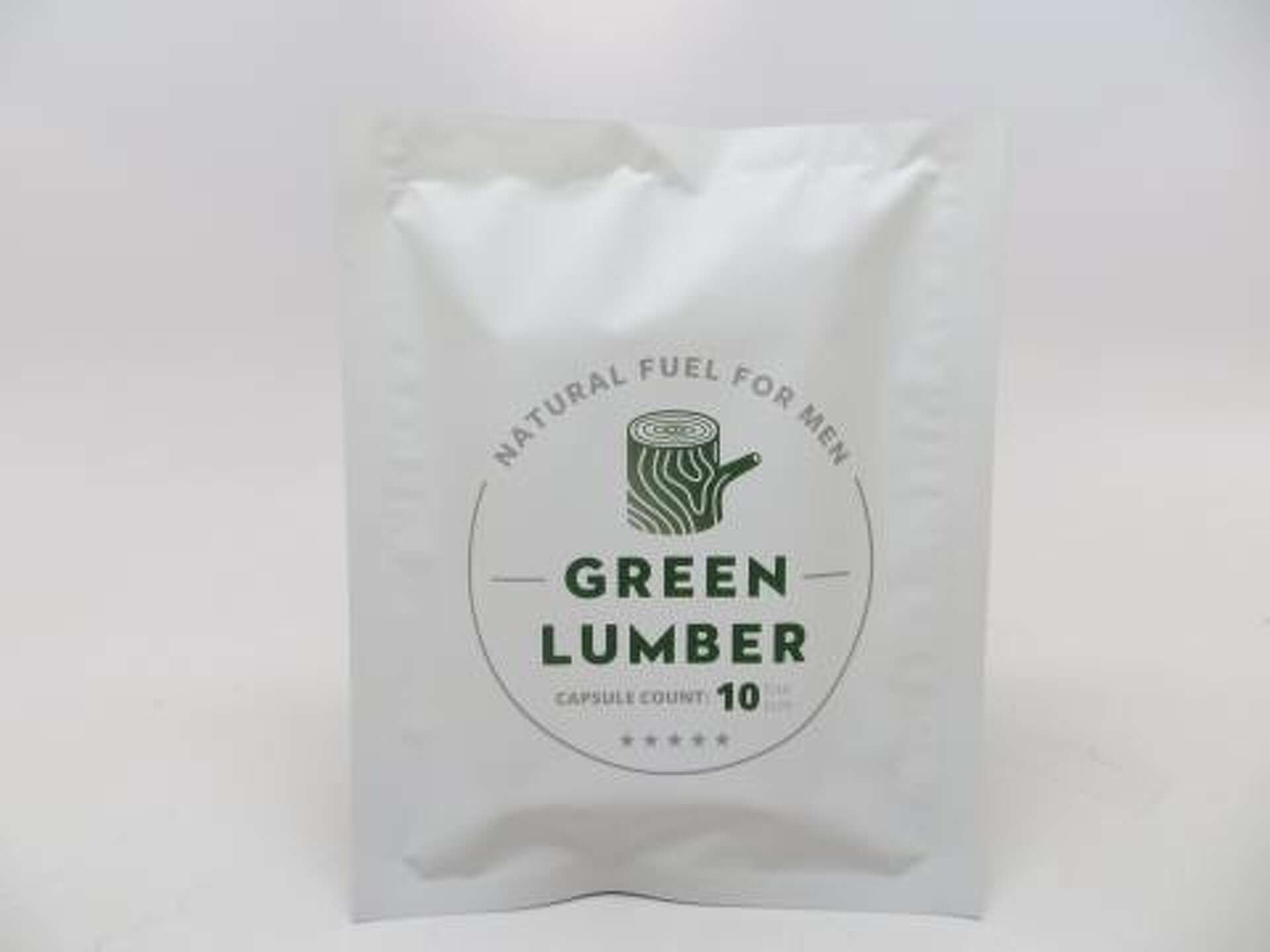
The FDA's February 2026 alert on counterfeit Green Lumber dietary supplements containing undeclared tadalafil (a prescription medication) represents a critical compliance inflection point for e-commerce sellers in the $2.1B dietary supplement category. The incident—traced to internal employee fraud involving misappropriated packaging and customer data—exposes fundamental supply chain vulnerabilities that regulators are now actively monitoring. Specifically, the affected lot (LOT308EXP0328) contained life-threatening pharmaceutical adulterants that could cause severe drug interactions in consumers taking nitrates or cardiovascular medications, triggering FDA enforcement action and brand reputation damage.
This creates a compliance moat opportunity for sellers willing to invest in verification infrastructure. The FDA's republication of the alert in February 2026 signals intensified enforcement scrutiny of dietary supplement supply chains. Sellers currently distributing supplements through Amazon, eBay, Walmart, and Shopify face implicit pressure to implement third-party testing, serialization, and blockchain authentication systems—investments that cost $15,000-$50,000 annually but create barriers for non-compliant competitors. Industry data shows approximately 35-40% of supplement sellers currently lack formal third-party testing protocols, making them vulnerable to FDA enforcement actions, platform delisting, and consumer litigation.
Fast-track compliance pathways are now available but time-sensitive. Sellers can achieve FDA compliance through: (1) NSF International or USP certification ($3,000-$8,000 per product, 60-90 days), (2) third-party laboratory testing for adulterants ($500-$2,000 per batch), and (3) supply chain serialization via GS1 or blockchain platforms ($5,000-$15,000 setup). The Green Lumber case demonstrates that internal controls alone are insufficient—external verification is now the market expectation. Sellers implementing these measures by Q2 2026 will gain competitive advantage as Amazon and other platforms likely tighten supplement listing requirements.
Category winnowing is accelerating. Non-compliant sellers face delisting risk, potential FDA warning letters, and consumer class-action exposure. Estimated 25-30% of current supplement sellers lack documented quality assurance, positioning compliant sellers to capture market share through platform algorithm preference and consumer trust signals. The incident also highlights emerging demand for compliance service providers—third-party testing labs, serialization platforms, and supply chain auditors are experiencing 40-60% booking increases in the supplement category.
问题 8
How should cross-border sellers adjust sourcing strategies to comply with FDA requirements?
Cross-border sellers sourcing from Asia should implement direct supplier audits, require third-party testing certificates before shipment, and use serialization from point of manufacture. The Green Lumber case demonstrates that packaging security is critical—sellers should source packaging separately from product to prevent misappropriation. Implement supplier agreements requiring NSF/USP certification or equivalent. For sellers importing from China/India, budget 20-30% additional time for testing and certification (60-90 days total). Consider nearshoring to Mexico or Canada to reduce compliance complexity. EU-based sellers must also comply with EFSA (European Food Safety Authority) requirements, which are stricter than FDA standards. Sellers should establish relationships with compliance consultants in target markets—costs are $10,000-$25,000 annually but prevent costly enforcement actions.
What compliance services and tools are experiencing highest demand after the Green Lumber alert?
Third-party testing laboratories, serialization platforms (GS1, blockchain providers), and supply chain audit services are experiencing 40-60% booking increases. Demand is highest for: (1) adulterant screening labs ($500-$2,000 per test), (2) NSF/USP certification consultants ($5,000-$15,000 per engagement), (3) blockchain supply chain platforms ($10,000-$30,000 annually). Sellers should prioritize testing labs with FDA recognition and rapid turnaround (10-15 days). Serialization platforms offering integration with Amazon/eBay inventory systems are particularly valuable. Insurance providers offering product liability coverage for verified supplements are also in high demand. This represents a $500M-$1B annual opportunity for compliance service providers through 2027.