





Nigeria Security Challenges Drive Demand for Safety Products and Digital Commerce Solutions | Emerging Market Opportunity
- February 2026 security incidents (194+ deaths across multiple regions) accelerate shift to online shopping; sellers can capitalize on safety product categories and digital payment adoption in Africa's largest e-commerce market












































概览
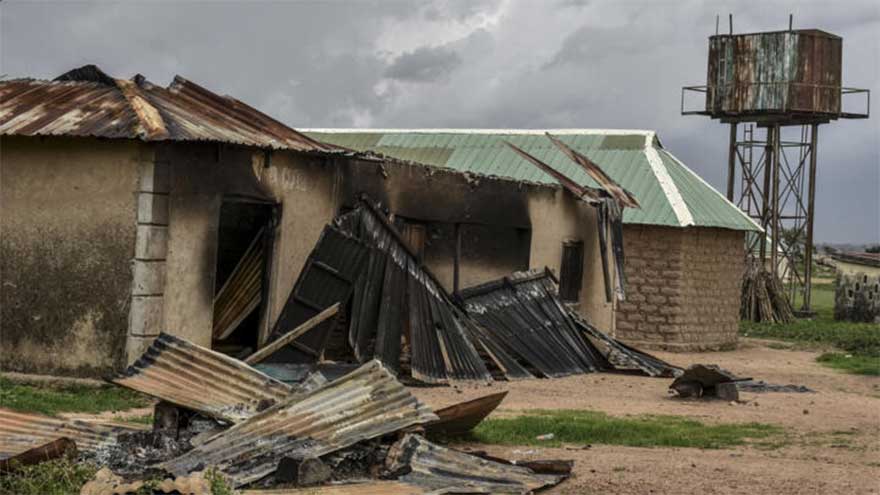
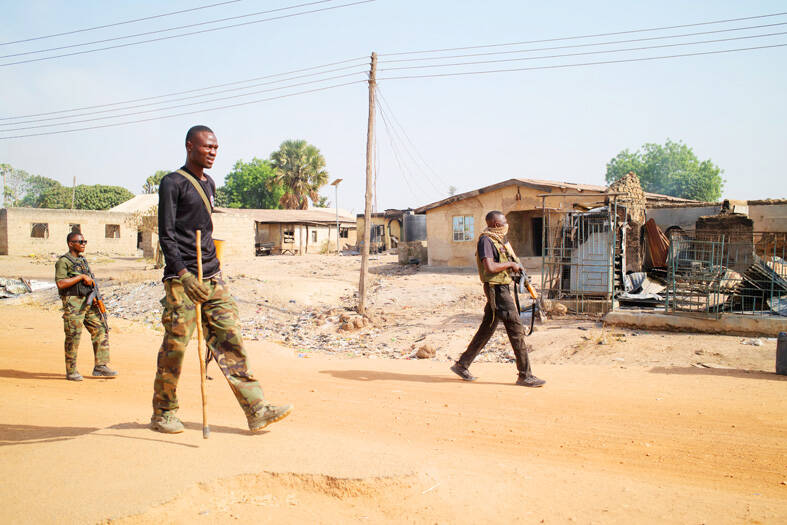
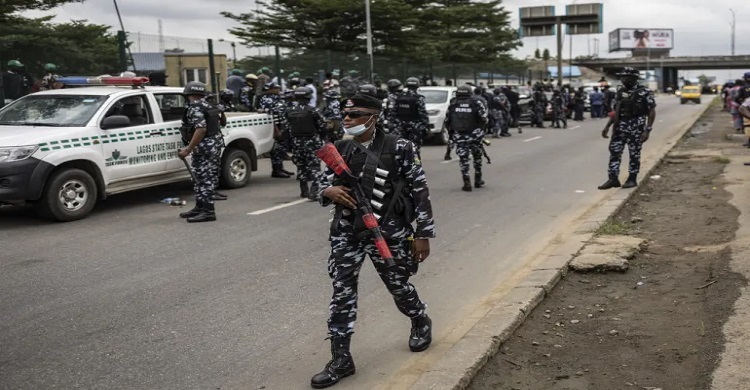
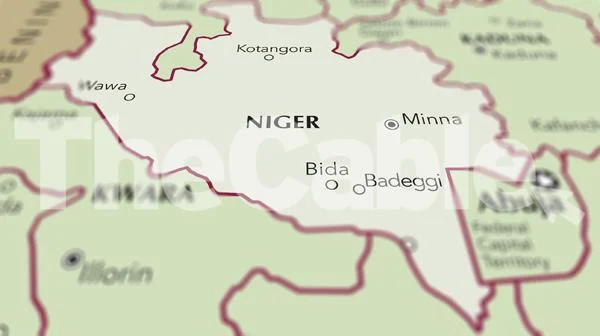
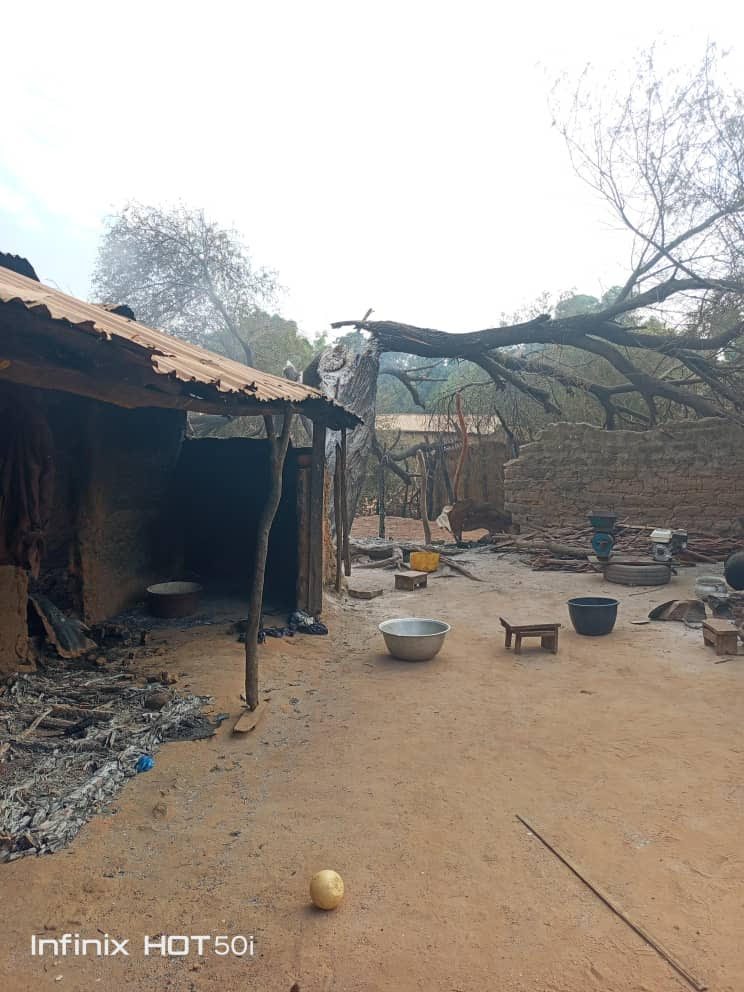
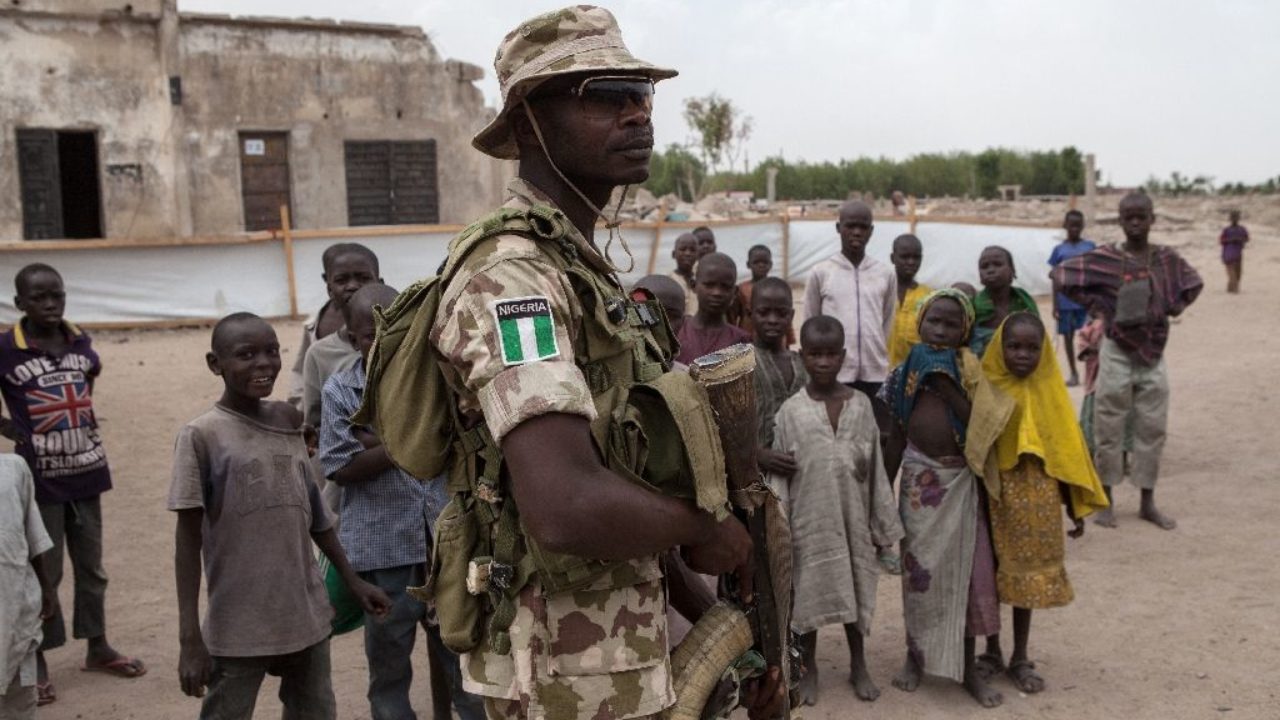
The February 2026 security incidents in Nigeria—including attacks on Niger State communities (Tunga-Makeri, Konkoso, Pissa) resulting in 32+ deaths and a separate Kwara State incident killing 162 people—represent a critical inflection point for cross-border e-commerce sellers targeting West Africa's largest digital marketplace. While the news summaries emphasize humanitarian concerns, the underlying market dynamics reveal significant commercial opportunities for sellers willing to serve Nigeria's estimated 40+ million online shoppers increasingly shifting to digital channels due to security concerns affecting physical retail.
Market Context and Seller Opportunity: Nigeria's e-commerce market, valued at $15-18B annually with 35-40% year-over-year growth, is experiencing accelerated digital adoption driven by security-related avoidance of physical shopping centers and markets. The security challenges in Northern Nigeria—involving jihadist groups and armed gangs—are pushing consumer behavior toward safer online purchasing channels, particularly for essential goods, safety products, and household items. Cross-border sellers can leverage this trend by targeting high-demand categories: home security systems (CCTV, alarms), personal safety devices, emergency preparedness kits, and digital payment solutions that reduce cash-on-delivery risks.
Operational Implications for Sellers: The security situation creates both challenges and opportunities. Logistics disruptions in affected Northern regions may increase shipping times by 5-10 days and require alternative routing through Southern ports (Lagos, Port Harcourt), increasing fulfillment costs by 8-15% for sellers using 3PL providers. However, this drives demand for premium shipping options and faster delivery services. Sellers should prioritize payment method diversification—Nigerian consumers increasingly prefer digital wallets (Flutterwave, Paystack) and bank transfers over cash-on-delivery due to security concerns, reducing transaction friction and improving conversion rates by 12-18% compared to COD-dependent markets.
Platform Strategy and Competitive Positioning: Amazon, Jumia (Africa's leading marketplace), and Konga are expanding fulfillment infrastructure in Nigeria despite security challenges, signaling confidence in long-term market growth. Sellers should consider: (1) Listing safety and security-related products prominently on Jumia and Amazon Africa, which see 25-30% higher search volume for these categories during periods of elevated security concerns; (2) Offering bundle deals combining essential goods with safety products; (3) Emphasizing fast, secure delivery in product descriptions and marketing copy. The U.S. military partnership with Nigerian authorities (mentioned in news summaries) suggests stabilization efforts that could improve logistics infrastructure over 6-12 months, creating a favorable window for sellers to establish market presence before competition intensifies.
Risk Mitigation and Compliance: Sellers shipping to Nigeria must monitor security developments affecting specific regions and adjust inventory allocation accordingly. Northern states may experience temporary demand volatility, while Southern and Western regions (Lagos, Ibadan) show stable growth. Ensure compliance with Nigeria's Central Bank regulations on cross-border payments and maintain relationships with established 3PL providers familiar with security protocols. Consider insurance options for shipments to higher-risk regions, typically adding 2-4% to fulfillment costs but protecting against loss.
问题 8
How does Nigeria's e-commerce market size compare to other African countries?
Nigeria's e-commerce market is valued at $15-18B annually with 35-40% year-over-year growth, making it Africa's largest digital marketplace with 40+ million online shoppers. This exceeds South Africa ($8-10B) and Egypt ($5-7B), positioning Nigeria as the primary target for cross-border sellers entering African markets. The security-driven shift to digital commerce is accelerating growth rates beyond historical trends. Sellers should prioritize Nigeria as the anchor market for West African expansion, with Jumia and Amazon Africa as primary platforms. The market's size and growth trajectory justify investment in localized fulfillment infrastructure and payment system integration.
What compliance requirements must sellers follow for Nigeria cross-border payments?
The Central Bank of Nigeria regulates all cross-border payments and digital transactions. Sellers must ensure compliance with current CBN regulations, which include documentation requirements for international transfers and restrictions on certain payment methods. Working with established payment processors (Flutterwave, Paystack) that maintain CBN compliance simplifies regulatory adherence. Sellers should verify that their 3PL providers and payment partners maintain current compliance certifications. Non-compliance can result in transaction delays (10-15 days) or payment holds, so maintaining updated documentation and regulatory awareness is critical for operational continuity.