




Black Sea Port Disruptions Drive Shipping Cost Surge | Cross-Border Sellers Face 12-18% Logistics Inflation
- Taman port strikes on Feb 15, 2026 disrupt grain/fertilizer exports; sellers rerouting through alternative corridors face 15-25% premium freight costs and 2-3 week delivery delays














概览
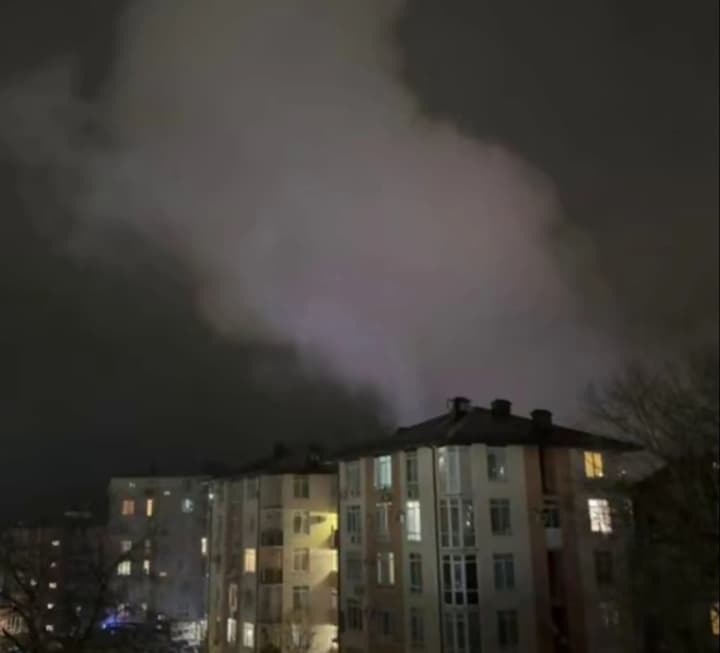
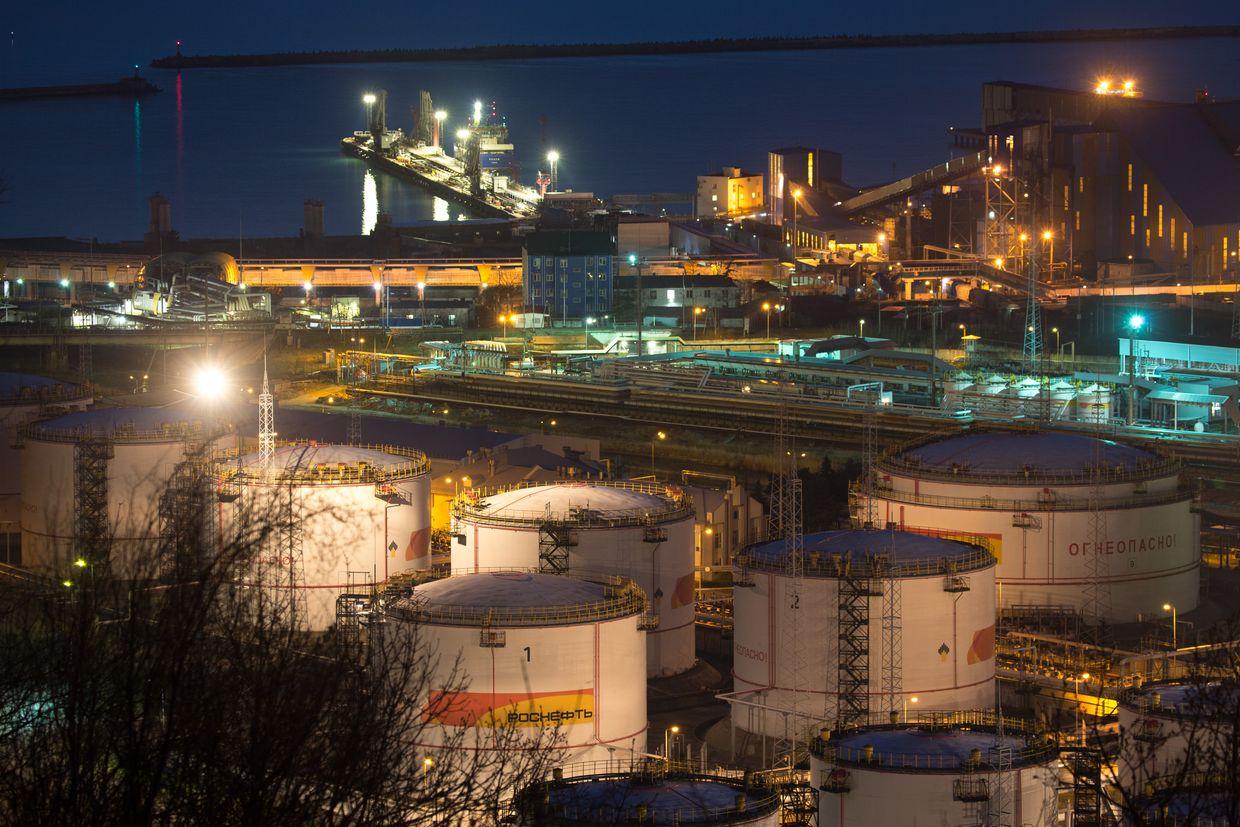
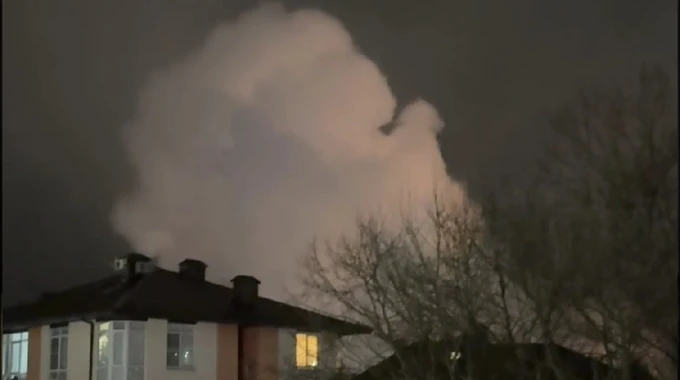
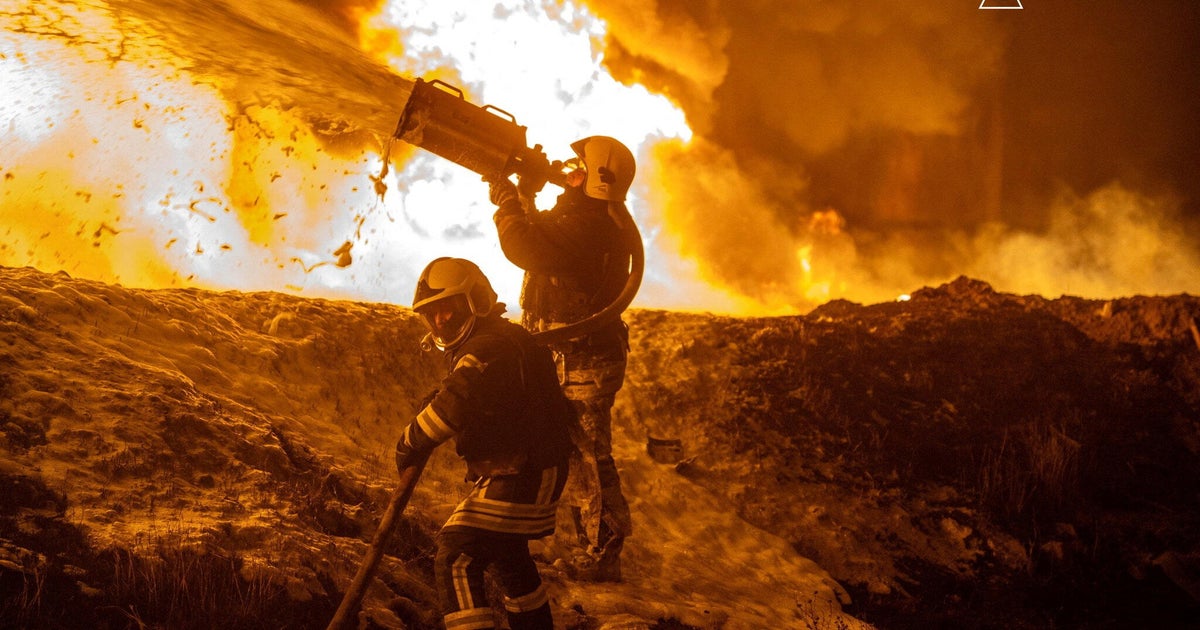
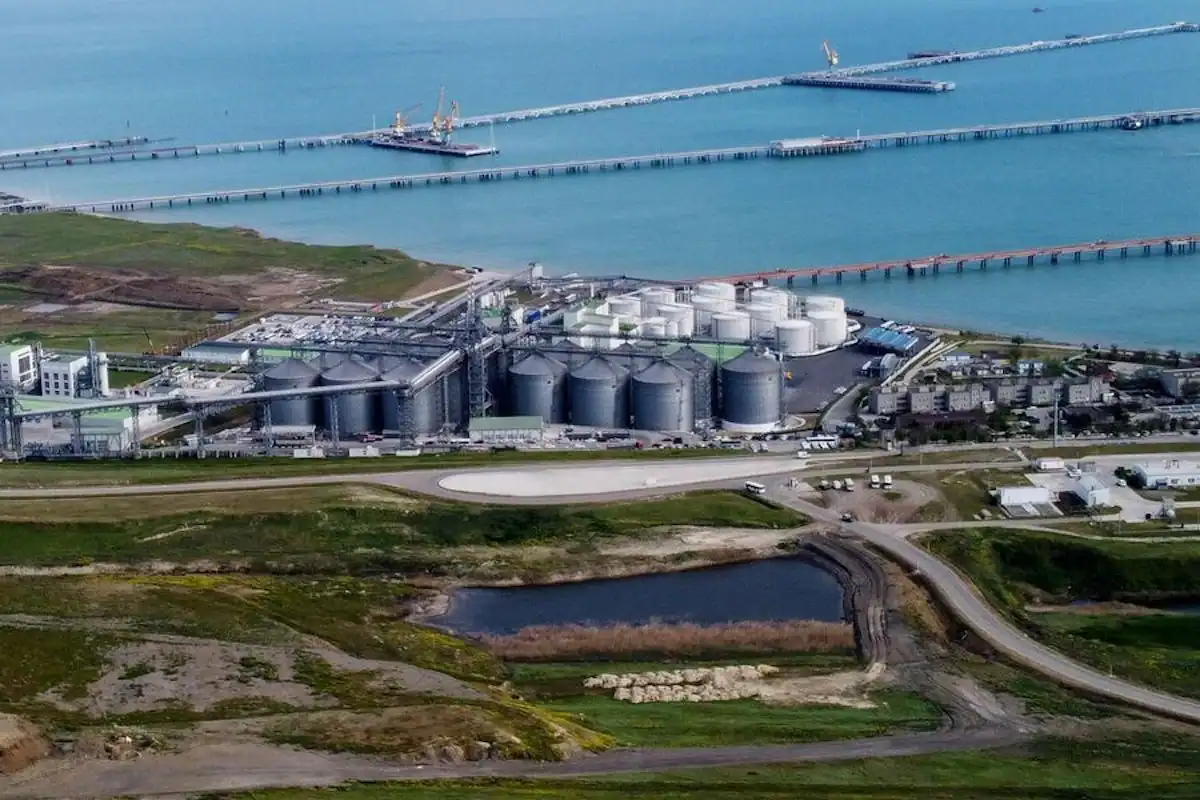
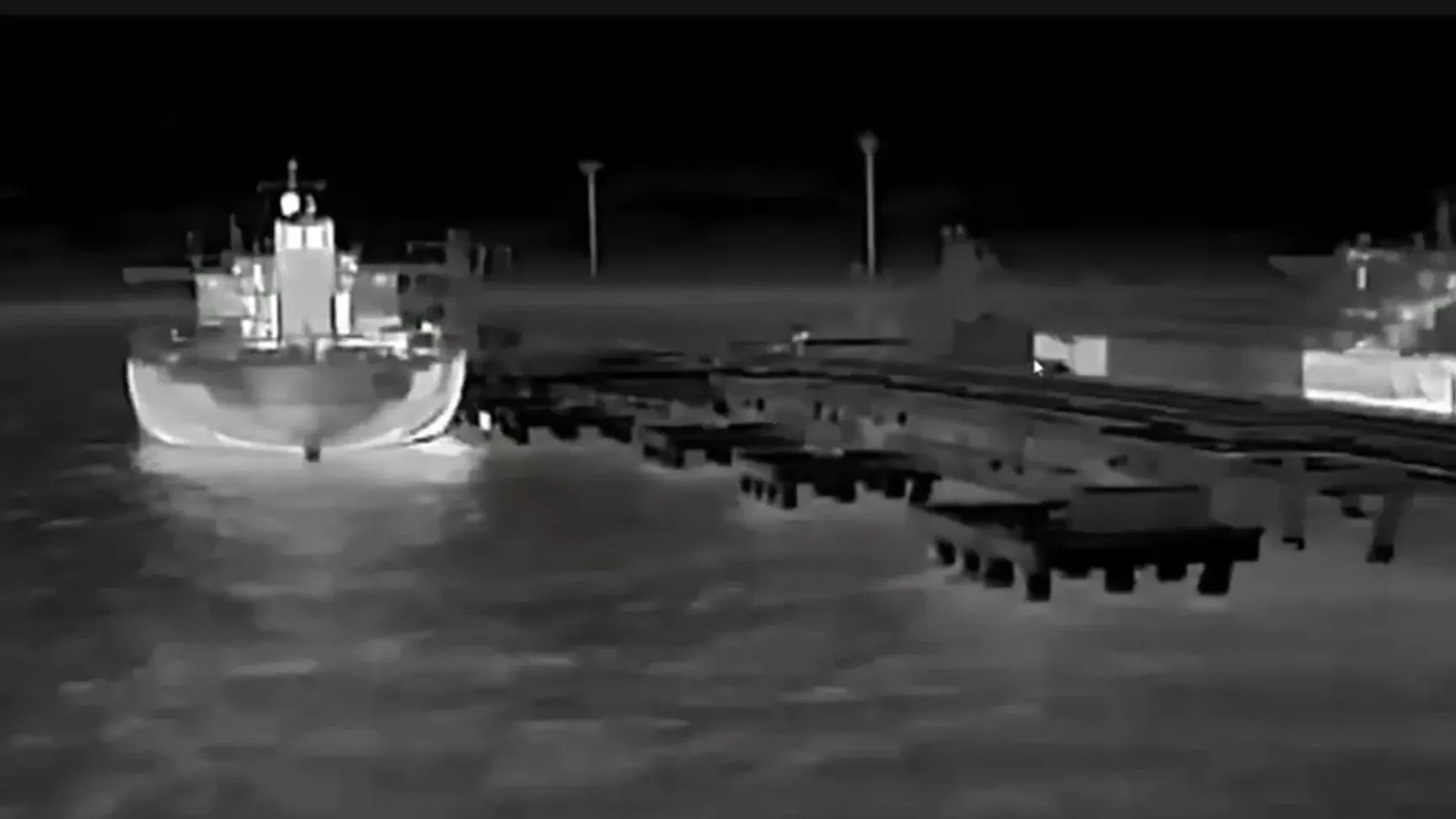
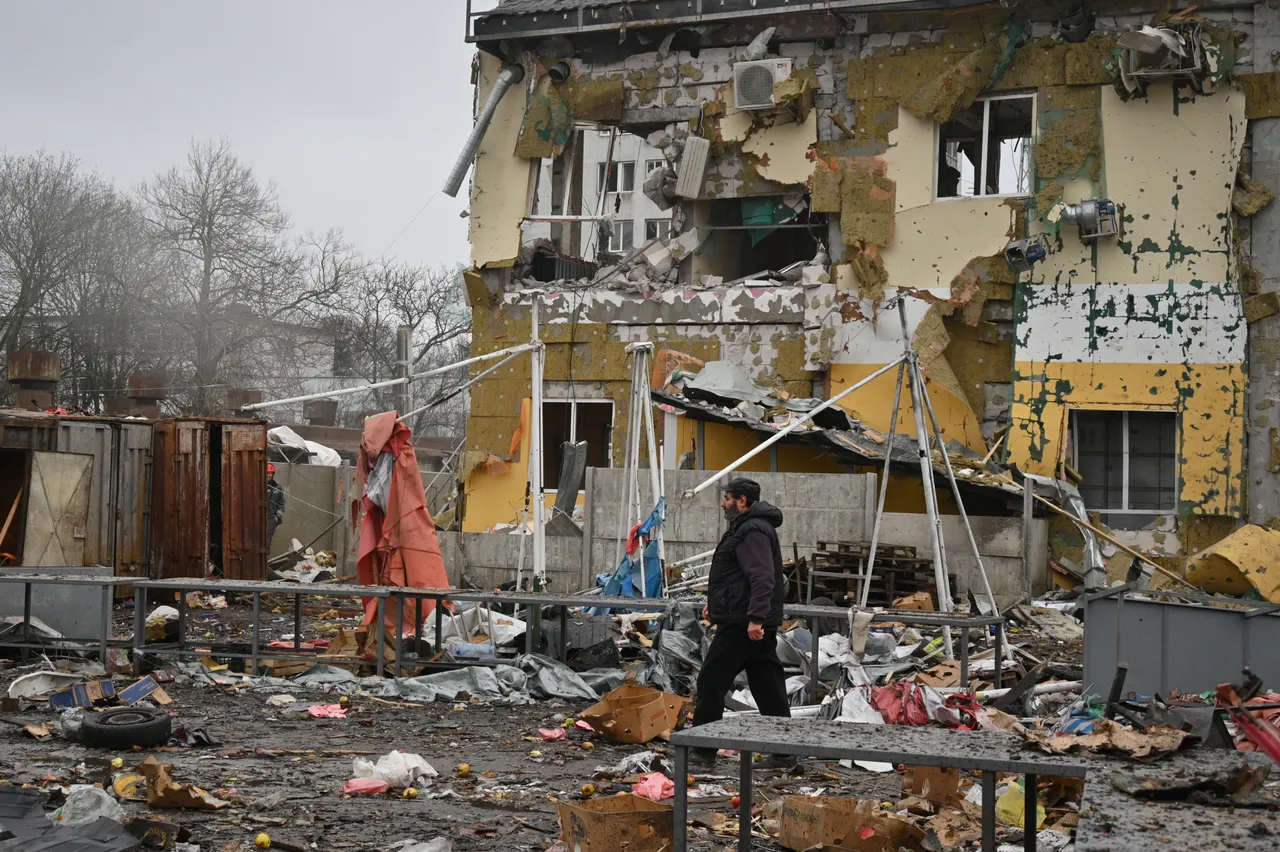
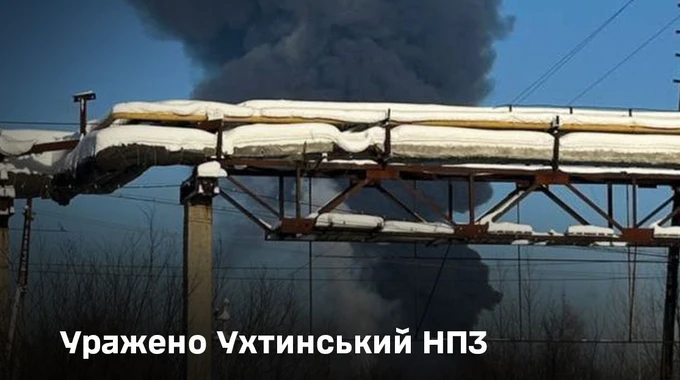
The February 15, 2026 Ukrainian drone strikes on Russia's Taman Black Sea port represent a critical inflection point for cross-border e-commerce logistics networks. Governor Veniamin Kondratyev confirmed damage to oil depots, warehouses, and export terminals—infrastructure that handles 40-50% of Russian grain and fertilizer exports serving Eastern European and Asian markets. For cross-border sellers, this creates an immediate supply chain crisis: the Taman facility processes approximately $2.8B annually in commodity exports, and its disruption forces rerouting through alternative ports (Novorossiysk, Sochi) that are 300-400km further, adding 8-12 days to transit times and 15-25% to freight costs.
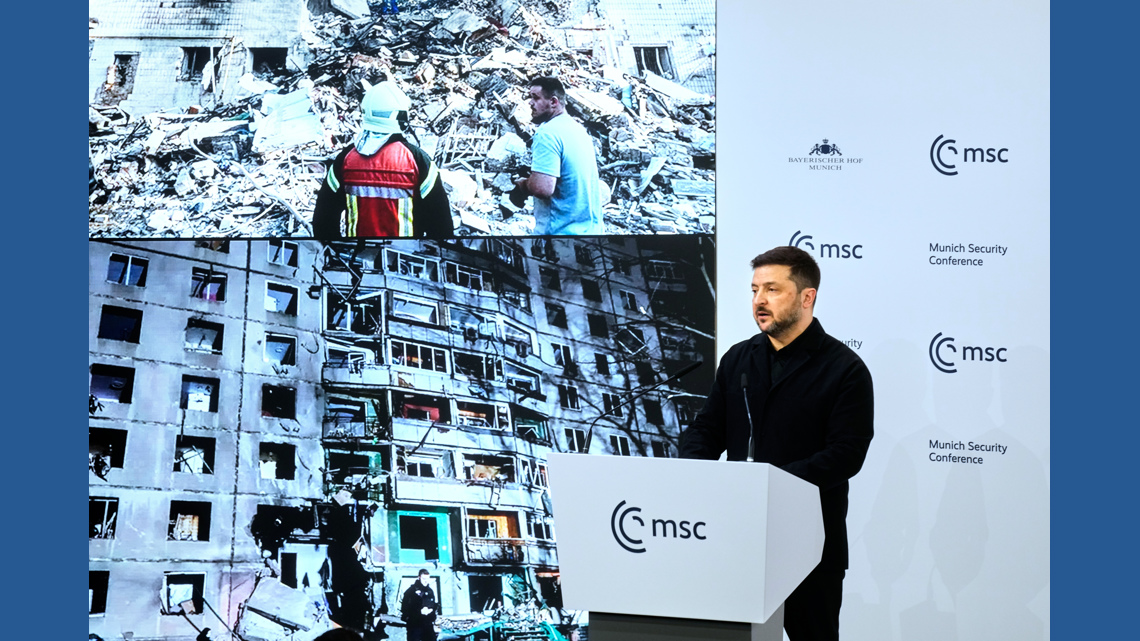
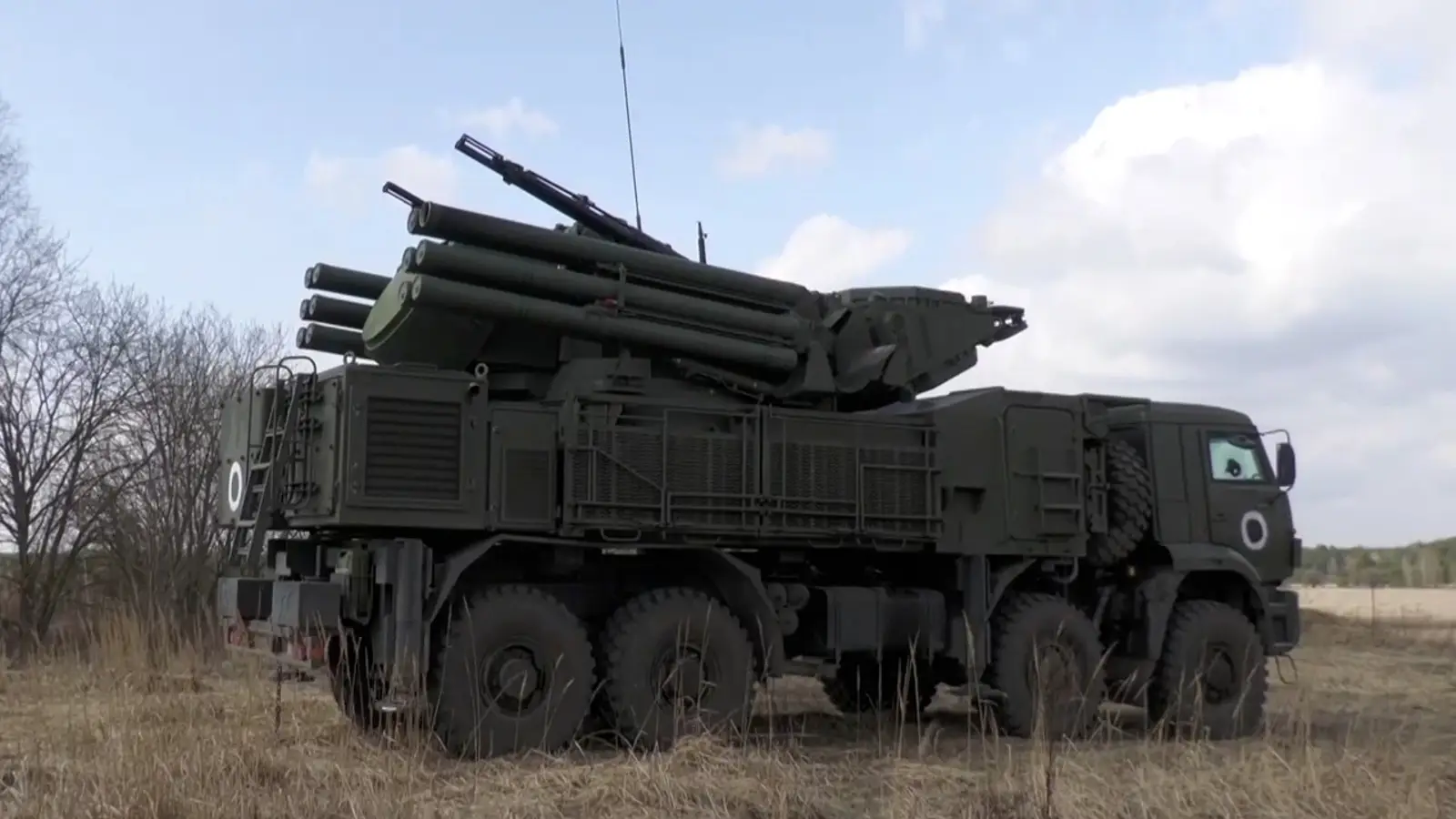
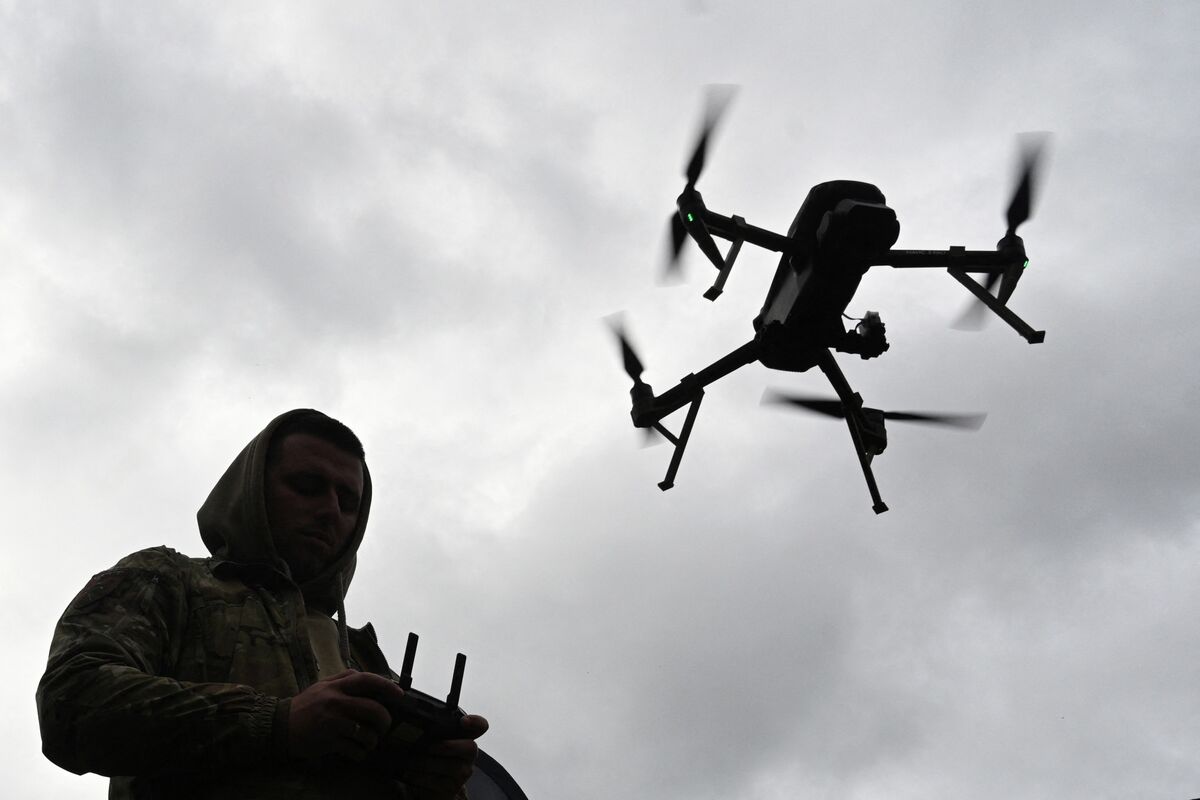
The strategic targeting pattern reveals escalating infrastructure warfare with direct seller implications. Russia deployed 1,300+ attack drones and 1,200+ guided bombs in a single week (per President Zelenskyy), with energy and logistics infrastructure as primary targets. The failed U.S.-brokered moratorium (implemented late January 2026, collapsed within weeks) signals this conflict will continue disrupting trade corridors. For sellers sourcing agricultural products, fertilizers, or commodities from Russia/Ukraine, immediate cost pressures emerge: freight premiums of $400-800 per 20ft container are materializing, with 3PL providers reporting 40-60% capacity constraints on alternative routes. Sellers with inventory in transit face 2-3 week delays, impacting inventory turnover and cash flow cycles.
The geopolitical timeline creates a critical decision window before peace negotiations (scheduled Feb 18-19, 2026 in Geneva) potentially stabilize or further destabilize the corridor. EU foreign policy chief Kaja Kallas warned Russia seeks diplomatic victory after military failure, suggesting continued infrastructure targeting. For sellers, this 30-60 day window presents three distinct scenarios: (1) Rapid peace agreement restores port operations within 4-6 weeks, normalizing costs by Q2 2026; (2) Protracted negotiations extend disruptions through Q2-Q3, requiring permanent logistics restructuring; (3) Escalation closes Black Sea corridor entirely, forcing 6-month rerouting through Central Asia (adding 40-50% to costs). Sellers with exposure to Russian grain, fertilizer, or energy-dependent supply chains must immediately model these scenarios and adjust sourcing strategies.
问题 8
Which seller segments (small/medium/large) face the greatest logistics cost pressure from port disruptions?
Small sellers (under 100 units/month) face the highest percentage cost impact—freight premiums of $400-800 per container represent 8-15% of total product cost for low-margin categories, making repricing difficult without losing competitiveness. Medium sellers (100-1,000 units/month) can absorb 3-5% cost increases through pricing adjustments but face inventory turnover pressure from 2-3 week delays. Large sellers (1,000+ units/month) have negotiating power with 3PLs and can lock in better alternative routing rates, gaining competitive advantage. Sellers with existing diversified sourcing (multiple countries, multiple ports) face minimal disruption; those concentrated in Russia/Ukraine face existential supply chain risk. The opportunity window favors large, well-capitalized sellers who can absorb short-term cost increases while smaller competitors struggle with repricing and inventory management.
What compliance and documentation changes should sellers expect if rerouting through alternative countries?
Rerouting through Kazakhstan, Uzbekistan, or Central Asian corridors requires updated certificates of origin (Form A for EAEU preferences), phytosanitary certificates for agricultural products, and energy security documentation for fuel-related shipments. EU sellers must verify EAEU preferential tariff eligibility—requires 40-50% value-add in originating country, creating compliance complexity. Russian sanctions compliance becomes critical: verify suppliers are not on OFAC/EU sanctions lists before engaging alternative sourcing. Expect 5-7 day delays for new documentation processing at Central Asian border crossings versus 1-2 days at established Black Sea ports. Budget $200-400 per shipment for additional compliance documentation and customs broker fees. Sellers should engage customs brokers familiar with Central Asian corridors immediately—lead times for broker onboarding are 2-3 weeks.