


Israeli Hostage Recovery Drives $1.6M+ Reconstruction Demand | Emerging Market for Home Goods & Wellness Products
- Former hostages launching crowdfunding campaigns for home rebuilding, creating niche e-commerce opportunities in home furnishings, mental health products, and recovery-focused merchandise across Israeli and diaspora markets











概览
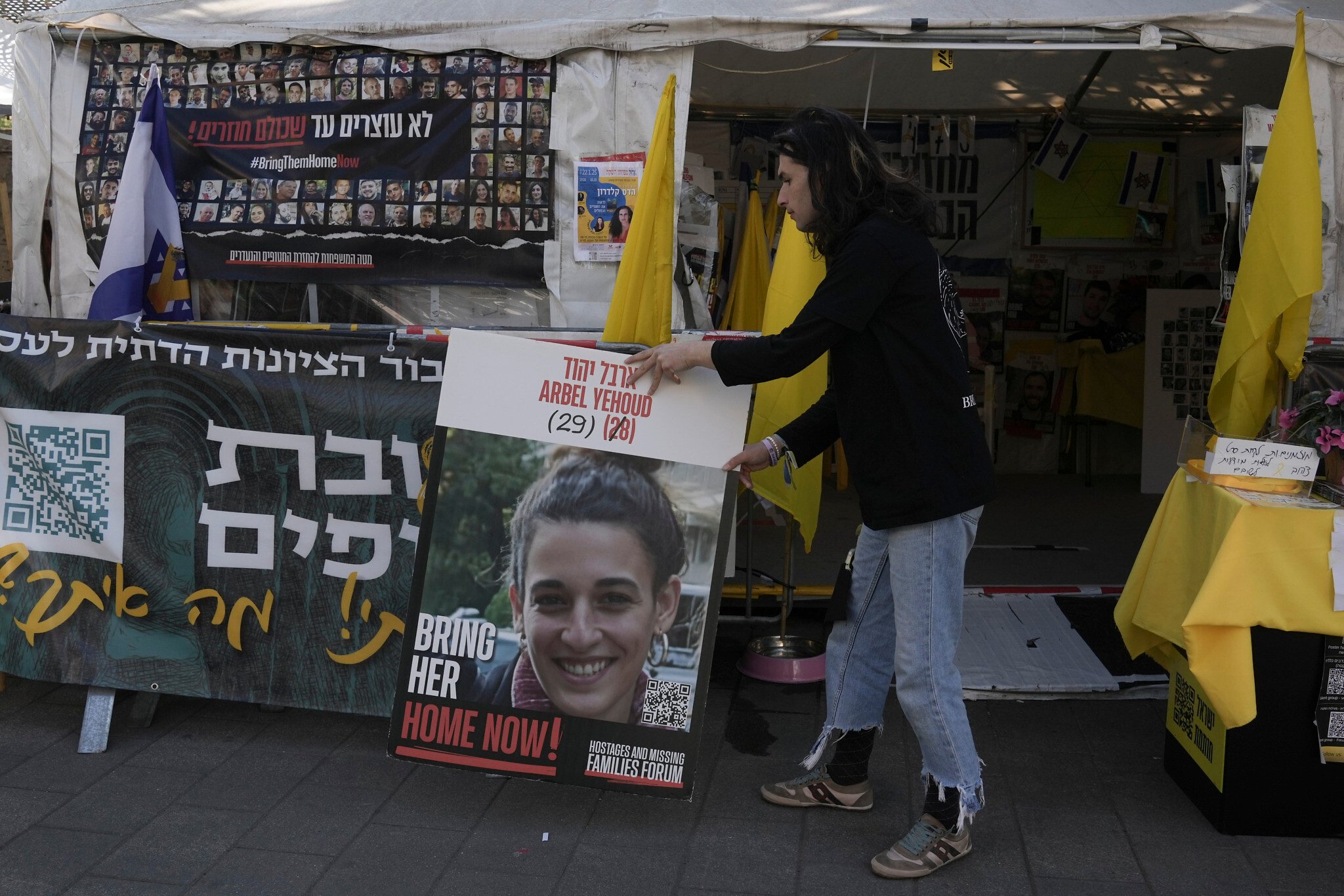
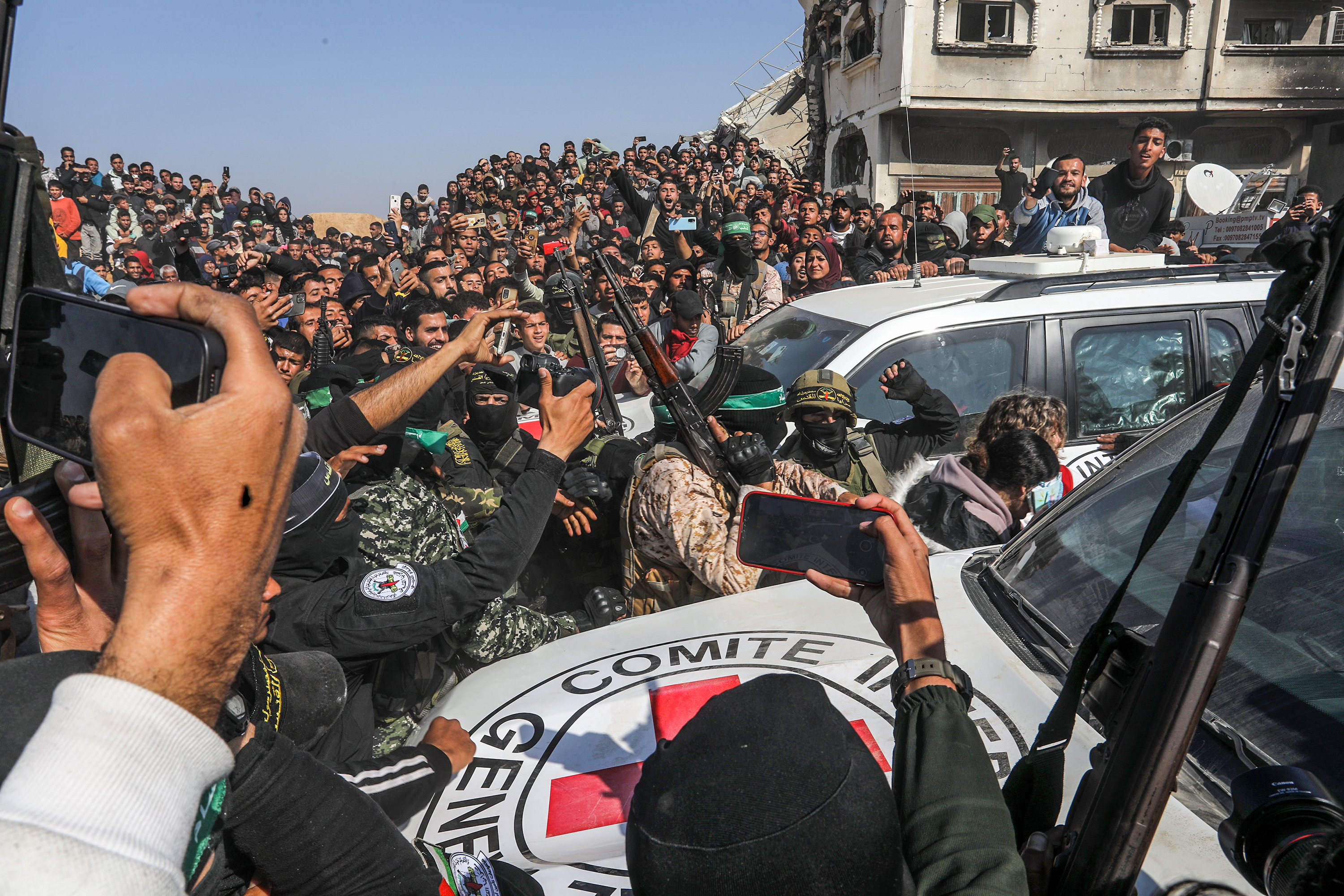
The release and recovery of Israeli hostages from Gaza captivity—including Arbel Yehoud (482 days in captivity, released January 2025) and Ariel Cunio (738 days, released October 2025)—is generating significant reconstruction and recovery-focused consumer demand with direct e-commerce implications. The couple's crowdfunding campaign seeking NIS 5 million (~$1.6 million) to rebuild their destroyed home in Kibbutz Nir Oz represents a broader market trend: displaced families and trauma survivors require specialized products across multiple categories. This creates emerging opportunities for cross-border sellers in home furnishings, mental health and wellness products, and trauma-recovery merchandise targeting Israeli consumers and diaspora communities.
Market Opportunity Analysis: The October 7, 2023 attack destroyed approximately 1,200+ homes in affected kibbutzim and communities, with reconstruction timelines extending through 2026-2027. Affected families require: (1) Home furnishings and décor (estimated $500K-$1.2M category opportunity), (2) Mental health and wellness products including meditation apps, therapy journals, and stress-relief merchandise, (3) Wedding and life-milestone products (the couple was planning their wedding when kidnapped), and (4) Specialized trauma-recovery literature and support materials. Sellers can target this market through Amazon, eBay, and Israeli platforms like Wix and local marketplaces.
Consumer Behavior Insights: Yehoud's testimony reveals that community support and visibility (she cited seeing protest posters as motivation to survive) indicates strong demand for solidarity-focused merchandise—branded items supporting hostage families, awareness ribbons, and commemorative products. The couple's aspirations for "space travel and meeting Lionel Messi" alongside fundamental goals like homeownership suggest demand for both aspirational luxury goods and practical home-building products. Sellers can capitalize on this through curated collections combining recovery-focused wellness products with premium home goods, marketed toward Israeli consumers and international supporters.
Operational Context: The Cunio family's relocation to Karmei Gat neighborhood in Kiryat Gat (mentioned in News 5) indicates ongoing internal migration within Israel, creating demand for regional logistics and localized fulfillment. Sellers should consider: (1) Partnering with Israeli 3PL providers for faster delivery to affected regions, (2) Offering bulk purchasing options for community rebuilding initiatives, (3) Creating targeted PPC campaigns on Hebrew-language platforms and Israeli social media, and (4) Developing product bundles specifically marketed toward "home rebuilding" and "recovery support" categories. The $1.6M crowdfunding target suggests willingness to spend on quality home goods, indicating premium product positioning may outperform budget alternatives in this segment.
问题 8
What product categories are Israeli hostage survivors and displaced families purchasing?
Displaced families like the Cunio-Yehoud couple are purchasing home furnishings, décor, and reconstruction materials (estimated $500K-$1.2M market opportunity). Additionally, trauma survivors show demand for mental health products including meditation apps, therapy journals, stress-relief merchandise, and wellness items. Wedding-related products are also trending, as the couple was planning their wedding when kidnapped. Sellers can target these categories through Amazon, eBay, and Israeli platforms by creating bundles specifically marketed toward 'home rebuilding' and 'recovery support' segments, with premium positioning likely to outperform budget alternatives given the $1.6M crowdfunding campaign.
How can sellers reach Israeli consumers affected by the October 7 conflict?
Sellers should implement targeted strategies including: (1) Creating Hebrew-language PPC campaigns on Google Ads and Israeli social media platforms, (2) Partnering with Israeli 3PL providers for faster delivery to affected regions like Kibbutz Nir Oz and Kiryat Gat, (3) Offering bulk purchasing options for community rebuilding initiatives, and (4) Listing on Israeli e-commerce platforms like Wix and local marketplaces alongside Amazon and eBay. The Cunio family's relocation to Karmei Gat neighborhood indicates ongoing internal migration, creating demand for regional logistics optimization and localized fulfillment strategies.