





Saudi-UAE Regional Rivalry Threatens $1T+ Gulf E-Commerce Market | Shipping Route Disruptions Impact Cross-Border Sellers
- Escalating tensions across Gulf and Horn of Africa create 15-25% shipping cost increases and port disruption risks for sellers relying on Red Sea/Gulf of Aden corridors; diplomatic intervention signals potential stabilization window through Q2 2025
















概览
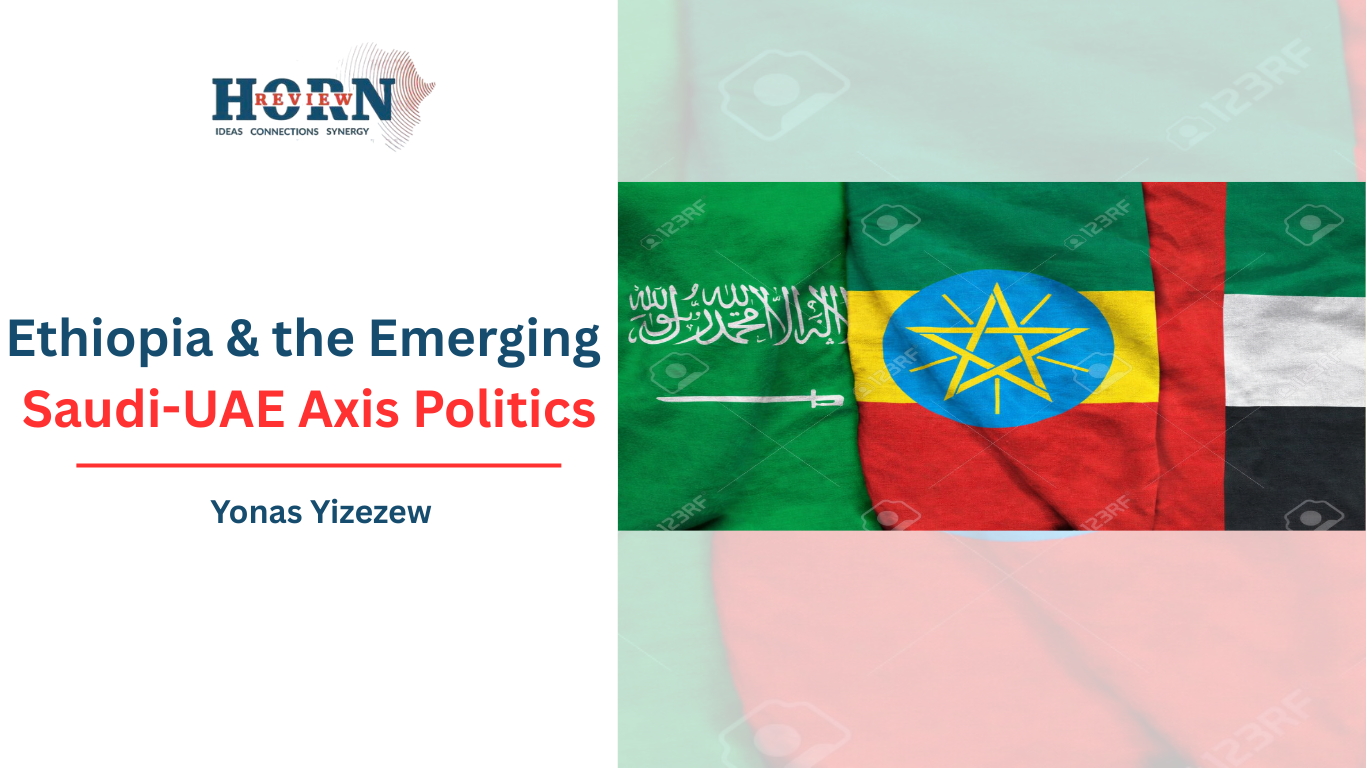
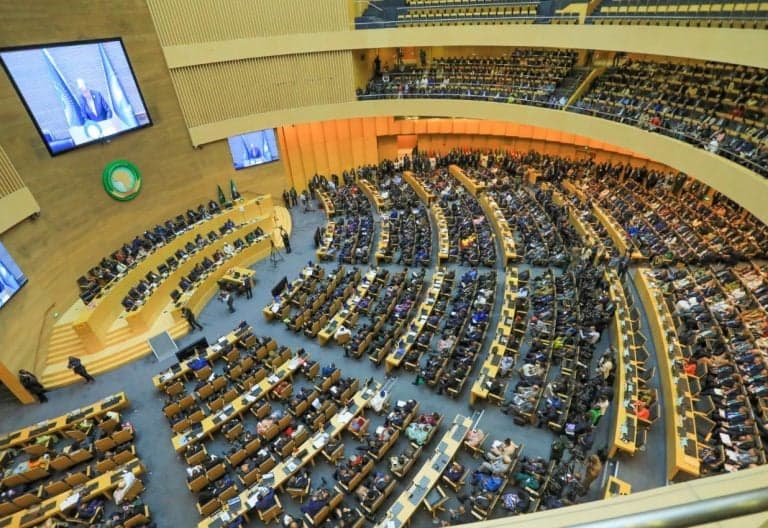
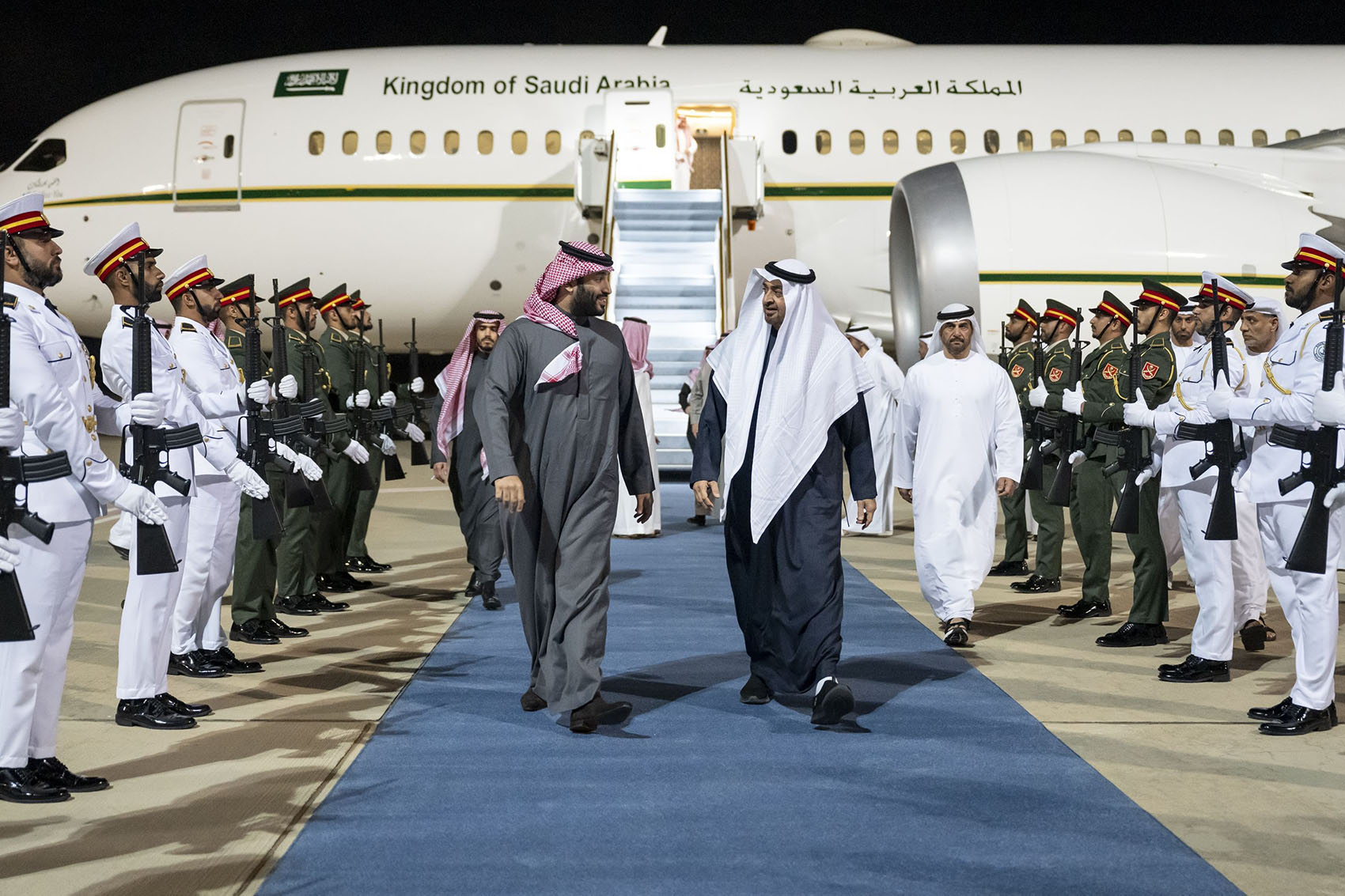
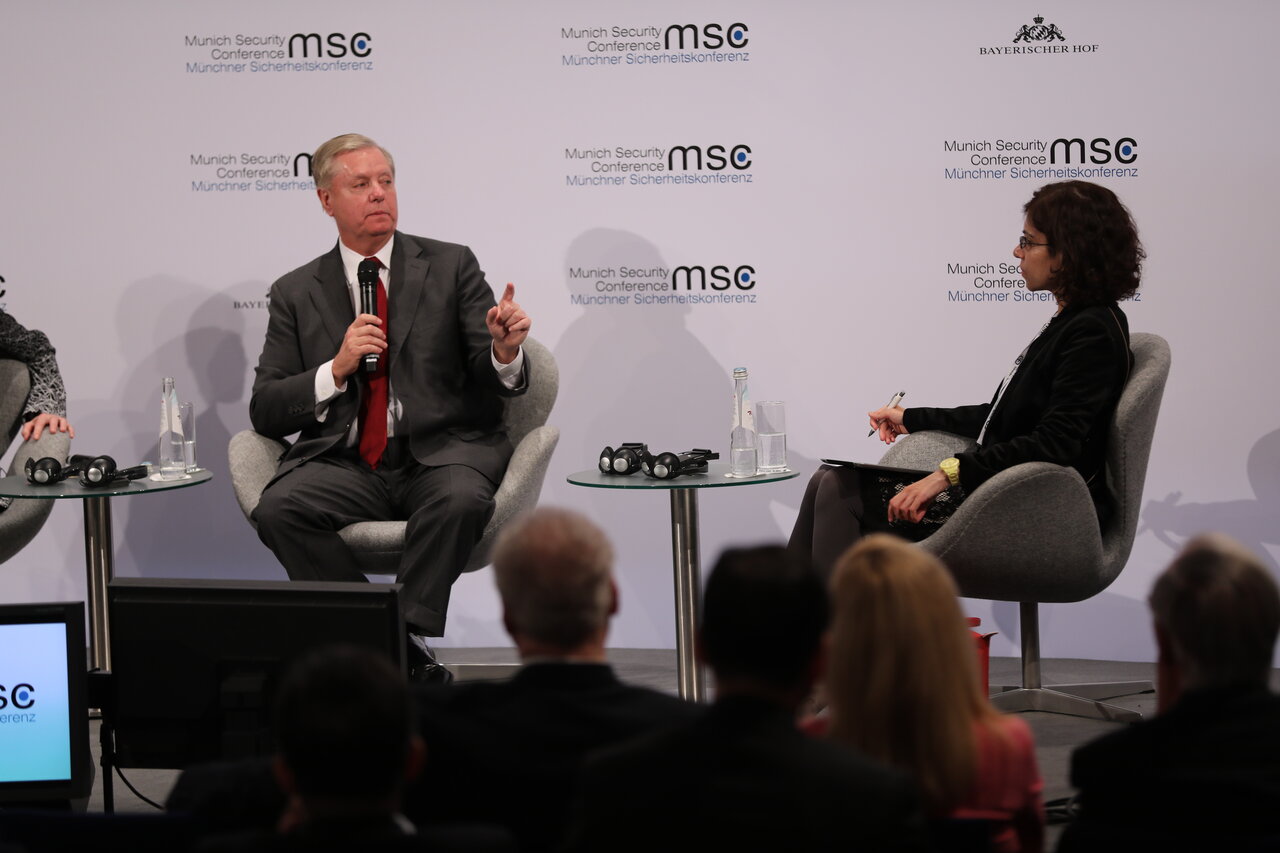
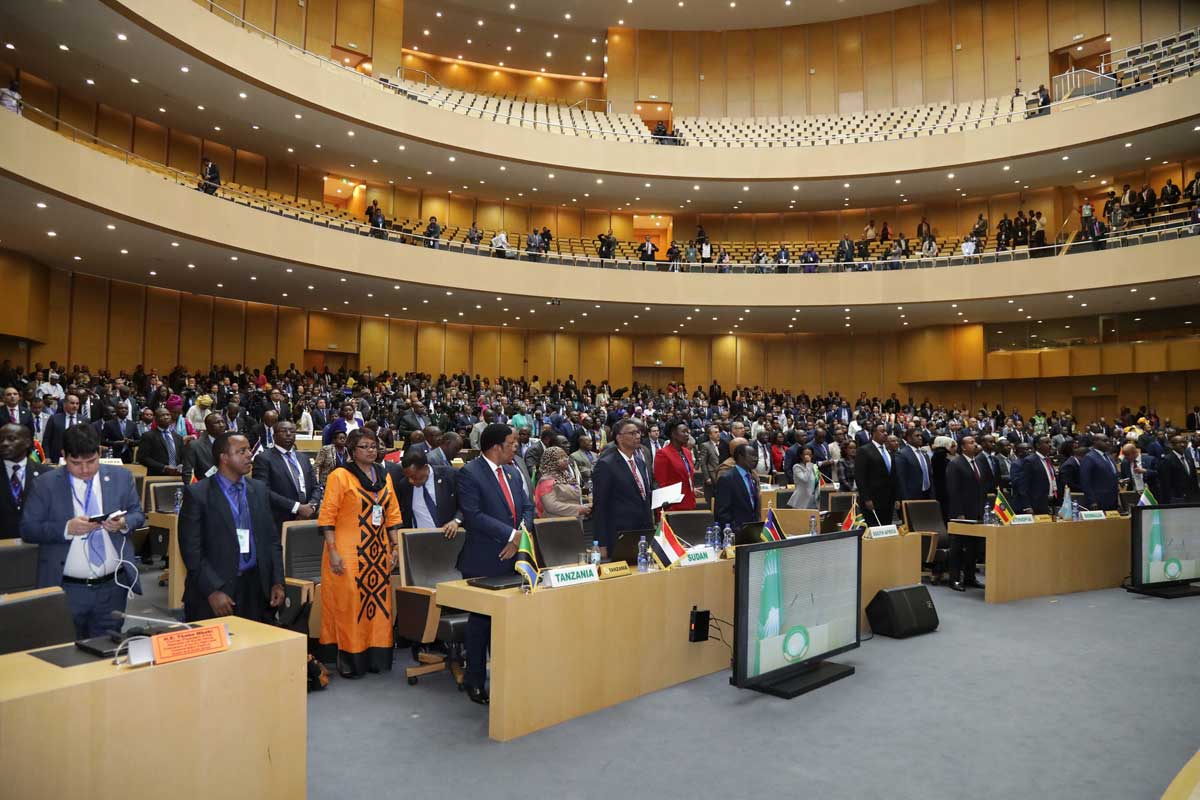
The intensifying geopolitical rivalry between Saudi Arabia and the United Arab Emirates represents a critical supply chain risk for cross-border e-commerce sellers, with direct implications for logistics costs, market access, and regional trade flows. According to the news reports, Senator Lindsey Graham's diplomatic intervention at the Munich Security Conference and the African Union summit in February 2025 underscore the severity of tensions that have expanded from Yemen into Sudan, Somalia, Ethiopia, Eritrea, and Djibouti. For e-commerce sellers, this rivalry creates a dual-impact threat: (1) Immediate Logistics Disruption: The Red Sea and Gulf of Aden shipping corridors—critical arteries for Asia-Europe-Africa trade—face heightened security risks, port congestion, and insurance cost escalation. Sellers shipping through Jebel Ali (Dubai) and Jeddah ports can expect 15-25% increases in freight costs and 5-10 day delivery delays as regional instability forces rerouting and security protocols. (2) Market Access Fragmentation: The rivalry creates competing regulatory environments. Saudi Arabia's Vision 2030 initiative and UAE's economic diversification strategies have historically created tariff arbitrage opportunities, but fragmented alliances now complicate GCC-wide trade agreements. Sellers face unpredictable customs procedures, inconsistent tariff rates (potentially 8-15% variance between markets), and regulatory uncertainty in categories like consumer electronics, fashion, and home goods.
Strategic Tariff and Market Opportunities: The diplomatic window created by US intervention suggests potential for GCC-wide tariff harmonization if Saudi-UAE relations stabilize. Sellers should monitor HS codes 6204 (women's apparel), 8517 (telecommunications equipment), and 6909 (ceramics)—categories where tariff reductions through regional cooperation could improve margins by 5-8%. The combined $1 trillion GDP of Saudi Arabia and UAE represents 40% of Middle Eastern e-commerce spending, making market access critical for sellers targeting the region.
Competitive Advantage Shifts: Small and medium-sized sellers (SMEs) face disproportionate risk due to limited logistics flexibility. Large sellers with established 3PL networks in both Saudi Arabia and UAE can leverage the rivalry to negotiate better rates with desperate logistics providers seeking volume. China-based sellers shipping through UAE ports face higher uncertainty than those using Saudi-aligned routes, creating a temporary competitive advantage for India and Vietnam-based suppliers who can pivot to Saudi-aligned logistics networks.
Timing Window: The current diplomatic efforts (February-April 2025) represent a critical 60-90 day window. If Saudi-UAE relations stabilize, sellers should expect tariff reductions and improved port efficiency by Q2 2025. Conversely, escalation could trigger port closures (similar to the 2017 Qatar blockade) and 30-40% shipping cost increases. Sellers should immediately audit their logistics dependencies and consider diversifying through alternative corridors (Suez Canal alternatives, air freight for high-margin items) before potential escalation.
问题 7
Which seller segments gain competitive advantages from the Saudi-UAE rivalry?
Large sellers with established 3PL networks in both Saudi Arabia and UAE can negotiate better rates with logistics providers seeking volume during instability. India and Vietnam-based suppliers gain temporary advantage over China-based competitors, as they can pivot to Saudi-aligned logistics networks without geopolitical complications. Small and medium-sized sellers (SMEs) face disproportionate risk due to limited logistics flexibility and higher per-unit shipping costs. Sellers with inventory in both markets can exploit tariff arbitrage opportunities: purchase in lower-tariff UAE, sell in higher-tariff Saudi Arabia markets. This advantage window closes if tariff harmonization occurs, making timing critical for Q1-Q2 2025.
How does the Horn of Africa conflict affect logistics routes for Asia-Europe-Africa trade?
The rivalry across Sudan, Somalia, Ethiopia, and Djibouti directly threatens the Red Sea shipping corridor, which handles 12% of global maritime trade and connects Asia to Europe via the Suez Canal. Port disruptions in Djibouti (critical for East Africa distribution) create 7-14 day delays and 20-30% cost increases. Sellers relying on this corridor for African market access face supply chain fragmentation. Alternative routes through the Cape of Good Hope add 10-14 days and $3,000-5,000 per container in additional costs. Sellers should diversify logistics partnerships: establish relationships with 3PL providers aligned with both Saudi and UAE networks to maintain flexibility as alliances shift.