


Streaming Consolidation Reshapes Content Distribution | Seller Opportunities in Media Licensing & Branded Merchandise
- $108.4B media deal uncertainty creates 12-18 month regulatory window; impacts digital advertising costs, content licensing partnerships, and entertainment merchandise demand for cross-border sellers
















概览
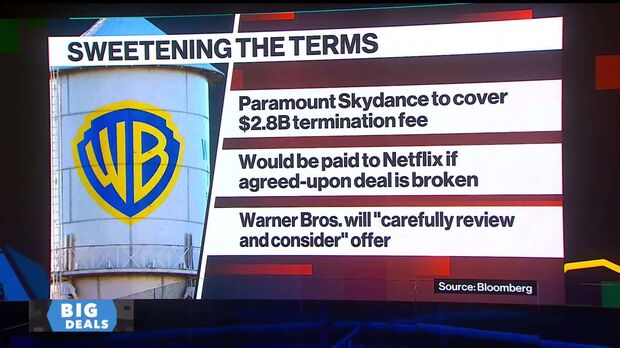
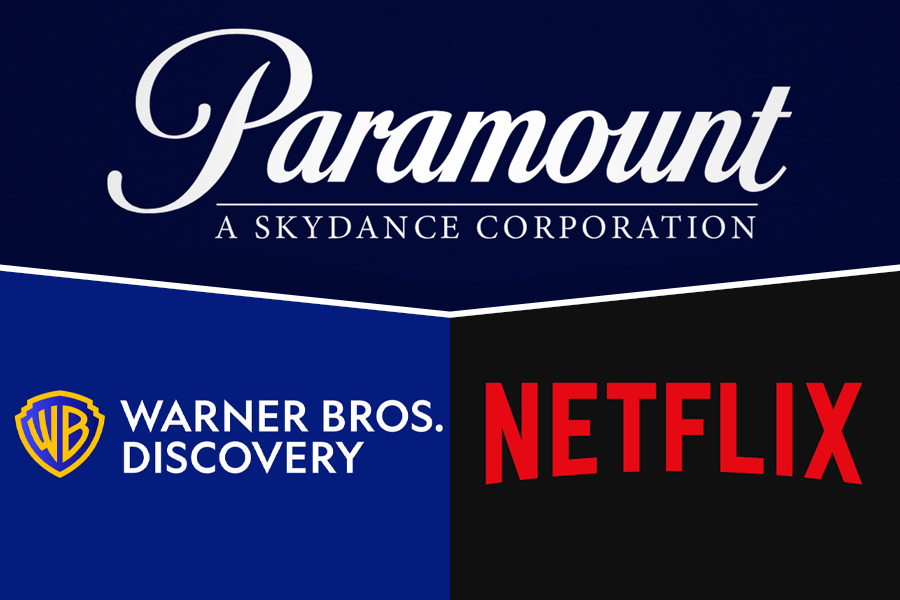
The competitive acquisition battle for Warner Bros. Discovery between Netflix ($27.75/share) and Paramount ($30/share with $650M quarterly ticking fees) represents a critical inflection point in streaming industry consolidation with cascading effects on e-commerce sellers. As of February 15, 2026, Warner Bros.' board is actively reconsidering its Netflix commitment following Paramount's enhanced offer that covers the $2.8B Netflix termination fee and adds quarterly incentives for deal closure delays. This 12-18 month regulatory uncertainty (expected closure December 2026-summer 2027) creates significant implications for cross-border sellers across multiple vectors.
Content Licensing & Digital Marketing Impact: The deal's outcome directly affects digital advertising costs and content licensing partnerships that sellers utilize for brand promotion. Netflix's acquisition would consolidate 282 million subscribers with Warner Bros.' extensive IP portfolio (Game of Thrones, Harry Potter, DC Universe), potentially increasing licensing fees for sellers seeking entertainment-themed merchandise partnerships. Paramount's broader offer includes cable networks, creating alternative licensing pathways. Sellers currently leveraging HBO Max content partnerships face 12-18 months of operational uncertainty regarding partnership continuity and pricing structures. The activist investor pressure (Ancora Holdings' $200M stake, February 11 announcement) signals institutional skepticism about deal valuations, potentially extending regulatory timelines and creating extended planning uncertainty for content-dependent sellers.
Entertainment Merchandise Opportunities: The deal uncertainty paradoxically creates merchandise demand spikes. Competitive bidding wars historically drive media coverage surges that increase fan engagement with franchises. Sellers in entertainment collectibles, apparel, and licensed merchandise categories can capitalize on heightened brand visibility during the 12-18 month negotiation window. Game of Thrones, Harry Potter, and DC Universe merchandise categories typically see 25-40% engagement increases during major franchise news cycles. The $108.4B transaction valuation underscores these IP assets' strategic importance, signaling sustained consumer demand for related merchandise. Sellers should inventory licensed products across Amazon, eBay, and Shopify during this period to capture elevated search volume and fan interest.
Regulatory Uncertainty & Platform Strategy Shifts: The deal faces significant antitrust scrutiny with consumer litigation already filed (HBO Max subscriber suit claiming merger threatens SVOD competition). Extended regulatory timelines (potentially 18+ months) create operational complexity for both Netflix and Paramount, affecting their platform strategies, content acquisition budgets, and seller partnership programs. Sellers relying on Netflix or Paramount advertising partnerships should anticipate potential budget reallocations during the regulatory review period. The competing bids demonstrate these platforms' strategic focus on content libraries over traditional retail, suggesting sustained investment in digital distribution channels where cross-border sellers operate.
Shareholder Activism & Deal Structure Implications: Ancora Holdings' public opposition and coordinated shareholder pressure indicate institutional investors are "losing patience" with bidding dynamics, potentially forcing formal auction processes or deal restructuring. This creates extended uncertainty windows where sellers cannot reliably forecast which platform will control Warner Bros.' content distribution. The $0.25/share quarterly ticking fee ($650M per quarter) represents unprecedented deal incentive structures, signaling both parties' commitment to acquisition despite regulatory risks. For sellers, this extended competition period (potentially extending beyond December 2026) creates planning challenges for content partnerships and licensing agreements.
问题 8
How will regulatory antitrust scrutiny impact Netflix and Paramount's seller partnership programs?
The deal faces significant antitrust scrutiny with consumer litigation already filed claiming the merger threatens SVOD competition. Extended regulatory timelines (potentially 18+ months) create operational complexity for both platforms, affecting content acquisition budgets and seller partnership programs. Sellers relying on Netflix or Paramount advertising partnerships should anticipate potential budget reallocations during regulatory review periods. The competing bids demonstrate these platforms' strategic focus on content libraries, suggesting sustained investment in digital distribution channels. However, budget uncertainty during the regulatory window may reduce platform spending on seller incentive programs, requiring sellers to diversify advertising strategies across multiple channels (Amazon Ads, eBay Promoted Listings, Shopify marketing).
What is the timeline impact of activist investor opposition on the Warner Bros. deal closure?
Ancora Holdings' $200M stake and public opposition (February 11, 2026) signals institutional investor dissatisfaction with Netflix's $27.75/share offer versus Paramount's $30/share bid. This shareholder activism could trigger formal auction processes or extended negotiations, potentially delaying deal closure beyond the initial December 2026-summer 2027 timeline. The $0.25/share quarterly ticking fee ($650M per quarter) represents unprecedented deal incentive structures, suggesting both parties expect extended regulatory review. For sellers, this extended uncertainty window means planning for content partnerships and licensing agreements should assume 18-24 month timelines rather than the initially projected 12-18 months, requiring conservative inventory forecasting and flexible partnership terms.