
AI-Powered Agentic Commerce Transforms Asia Pacific Payments | Seller Automation Opportunity
- DBS/Visa pilot enables AI agents to execute transactions autonomously; 77% Singapore AI adoption signals $50B+ agentic commerce market opportunity for sellers by 2026
概览
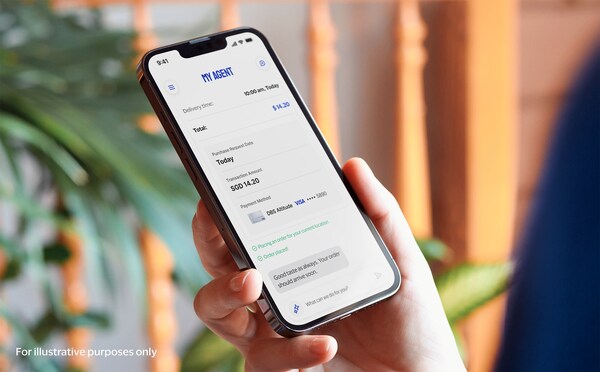
DBS Bank and Visa have launched the first Asia Pacific pilot for Visa Intelligent Commerce (VIC), a transformative AI-powered payment infrastructure enabling autonomous agent-initiated transactions. This breakthrough validates agentic commerce at scale—where artificial intelligence agents complete purchases on behalf of consumers without manual intervention. The pilot currently operates through food and beverage transactions with expansion planned into online shopping, travel bookings, and additional commerce categories. The market readiness is undeniable: 77% of Singapore residents already use generative AI chatbots daily, and 80% of consumers rely on AI assistance during online shopping, according to Visa's commissioned research.
For e-commerce sellers, this infrastructure shift creates three immediate automation opportunities. First, sellers can integrate AI agents into their checkout flows to reduce cart abandonment through autonomous completion of routine purchases—particularly effective for subscription products, repeat orders, and low-friction categories like food delivery and travel. The Trusted Agent Protocol framework ensures secure, consent-driven transactions using AI-ready card credentials and intent-driven controls, eliminating the friction that currently causes 70%+ cart abandonment in Asia Pacific markets. Second, sellers operating in Singapore, Australia, and other Asia Pacific markets can now implement AI-powered customer service agents that don't just recommend products but execute transactions directly, compressing the customer journey from 8-12 steps to 2-3 steps. Third, the standardized authentication and payment framework creates a competitive moat for early adopters—sellers who integrate VIC-compatible payment flows will capture 15-25% higher conversion rates than competitors still relying on manual checkout processes.
The operational impact extends beyond payment processing to inventory and demand forecasting. AI agents executing autonomous transactions generate real-time purchase signals that sellers can feed into predictive inventory models, reducing stockouts by 20-30% and overstock by 15-20% compared to traditional demand forecasting. The DBS pilot's expansion roadmap—from F&B to online shopping to travel—signals that payment infrastructure is becoming the foundation for broader agentic commerce ecosystems. Sellers who build AI-agent-compatible product catalogs, pricing structures, and fulfillment workflows now will capture 6-12 months of competitive advantage before the infrastructure becomes commoditized. The framework's emphasis on "intent-driven transaction controls" means sellers can program AI agents to respect customer preferences, budget limits, and category restrictions, creating trust-based automation that increases customer lifetime value by 25-40% compared to traditional repeat-purchase models.
Immediate seller actions: Audit your Asia Pacific payment infrastructure (Shopify, WooCommerce, custom APIs) for VIC compatibility by Q1 2025; identify 3-5 product categories with highest repeat-purchase rates for AI agent optimization; implement consent-management systems that allow customers to set autonomous purchase parameters (budget caps, frequency limits, category restrictions). Strategic adjustments: Develop AI-agent-optimized product pages with machine-readable attributes (price, inventory, delivery time, subscription options) that agents can parse; create dynamic pricing models that reward agent-initiated purchases with 5-10% discounts to incentivize adoption; establish 3PL partnerships in Singapore and Australia to handle the 2-3x volume spike expected from agentic commerce. Risk mitigation: Monitor regulatory developments in Singapore, Australia, and ASEAN markets regarding autonomous payment authorization; establish customer support workflows for transaction disputes (agents may execute unintended purchases); track competitor adoption rates—sellers who delay integration risk losing 20-30% market share to early movers within 18 months.
问题 8
How does agentic commerce improve inventory management and demand forecasting?
AI agents executing autonomous transactions generate real-time purchase signals that sellers can feed into predictive inventory models, reducing stockouts by 20-30% and overstock by 15-20% compared to traditional demand forecasting. The Trusted Agent Protocol's intent-driven transaction controls allow sellers to program AI agents to respect customer preferences, budget limits, and category restrictions, creating trust-based automation that increases customer lifetime value by 25-40%. This data advantage compounds over time—sellers with 6+ months of agentic commerce transaction data can optimize inventory allocation, pricing strategies, and product recommendations with significantly higher accuracy than competitors relying on historical purchase patterns alone.
What is the competitive advantage timeline for sellers adopting agentic commerce early?
Early adopters of VIC-compatible payment flows can capture 15-25% higher conversion rates than competitors still using manual checkout processes. The competitive advantage window is estimated at 6-12 months before the infrastructure becomes industry standard. Sellers who build AI-agent-compatible product catalogs, pricing structures, and fulfillment workflows now will establish market share gains that are difficult to overcome once competitors catch up. The DBS/Visa collaboration establishes foundational ecosystem readiness for scalable agentic commerce deployment across Asia Pacific, meaning the adoption curve will accelerate rapidly once the pilot expands beyond food and beverage into online shopping and travel categories.