


Geopolitical Escalation & Supply Chain Risk | Asia-Pacific Sellers Face Sanctions Exposure
- North Korea deploys 14,000 troops to Russia with 6,000+ casualties; housing initiative signals deepening NK-Russia alliance with implications for Asia-Pacific trade, sanctions enforcement, and cross-border logistics networks affecting sellers sourcing from or shipping through affected regions


























概览
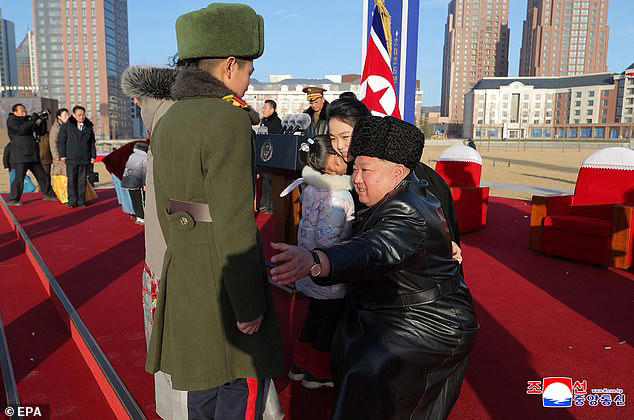
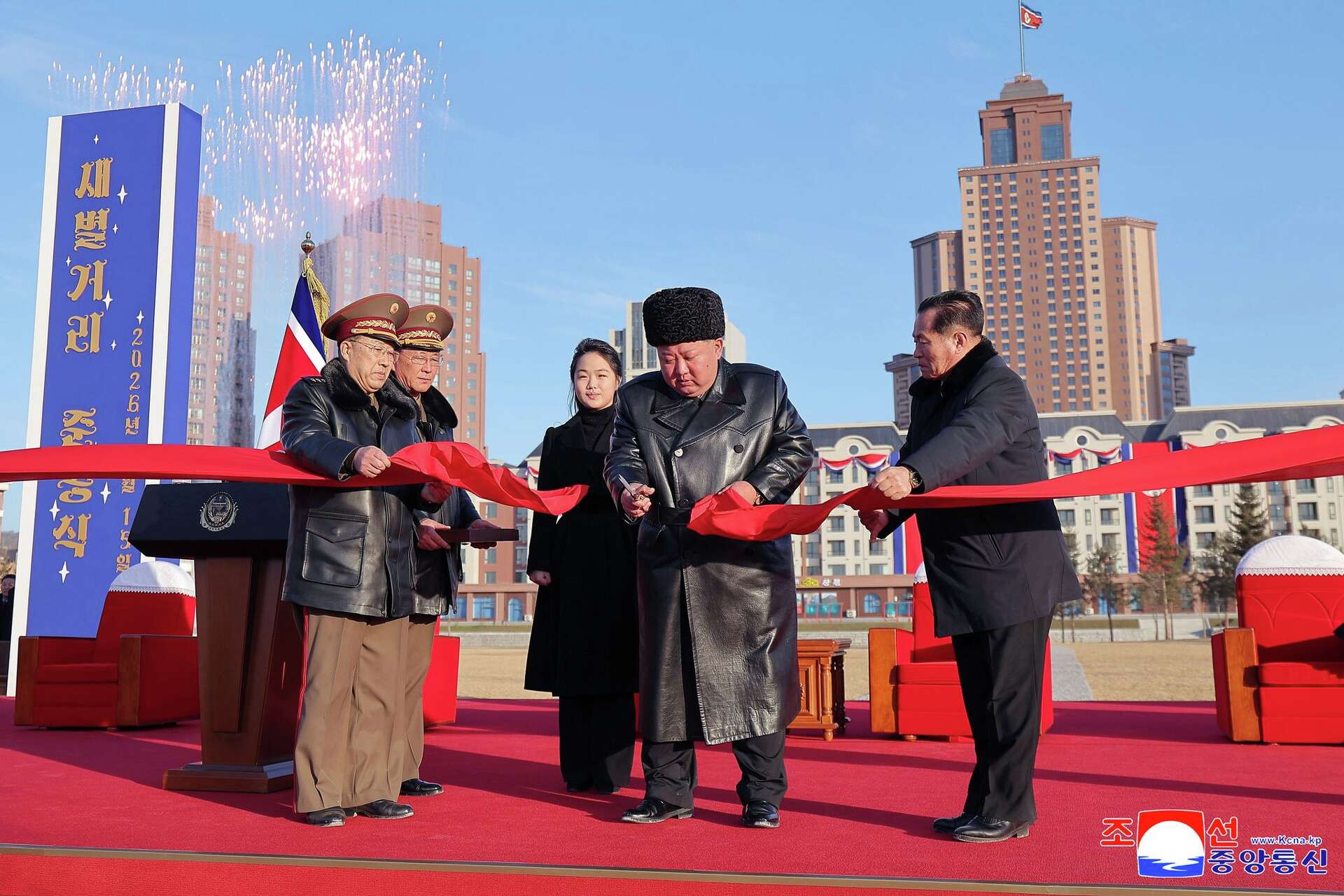
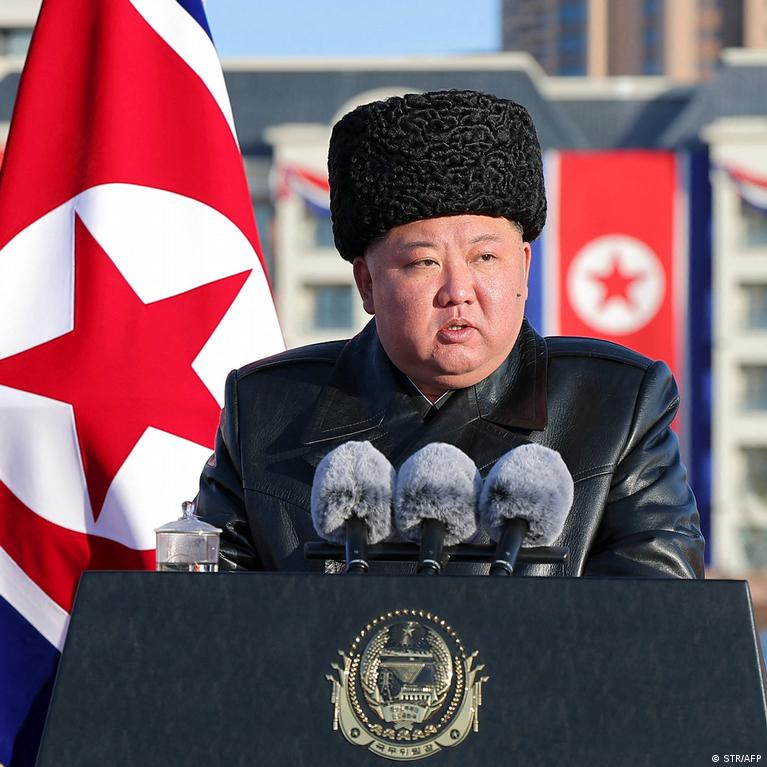
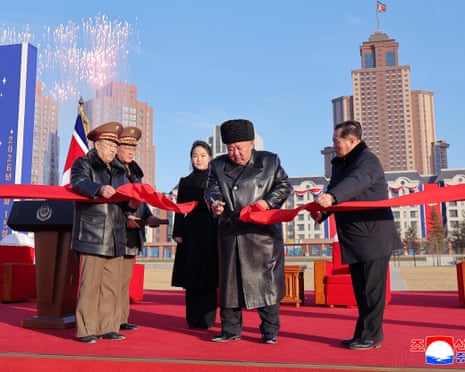
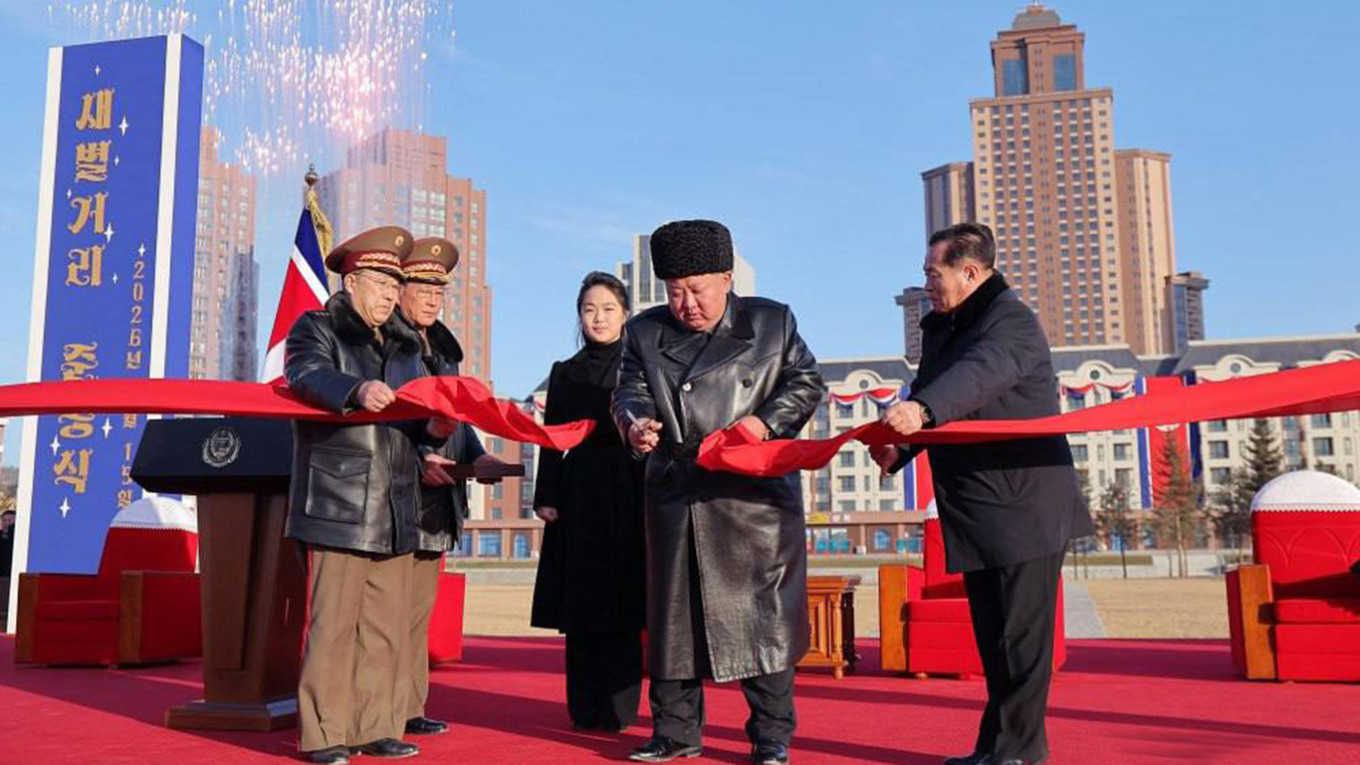
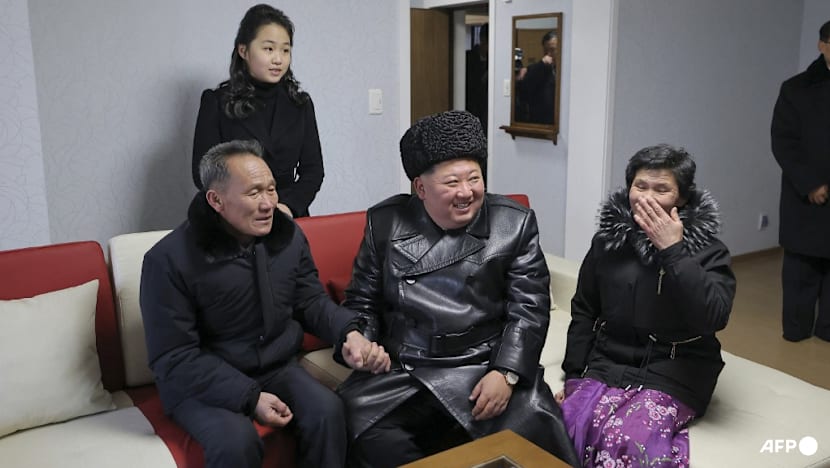
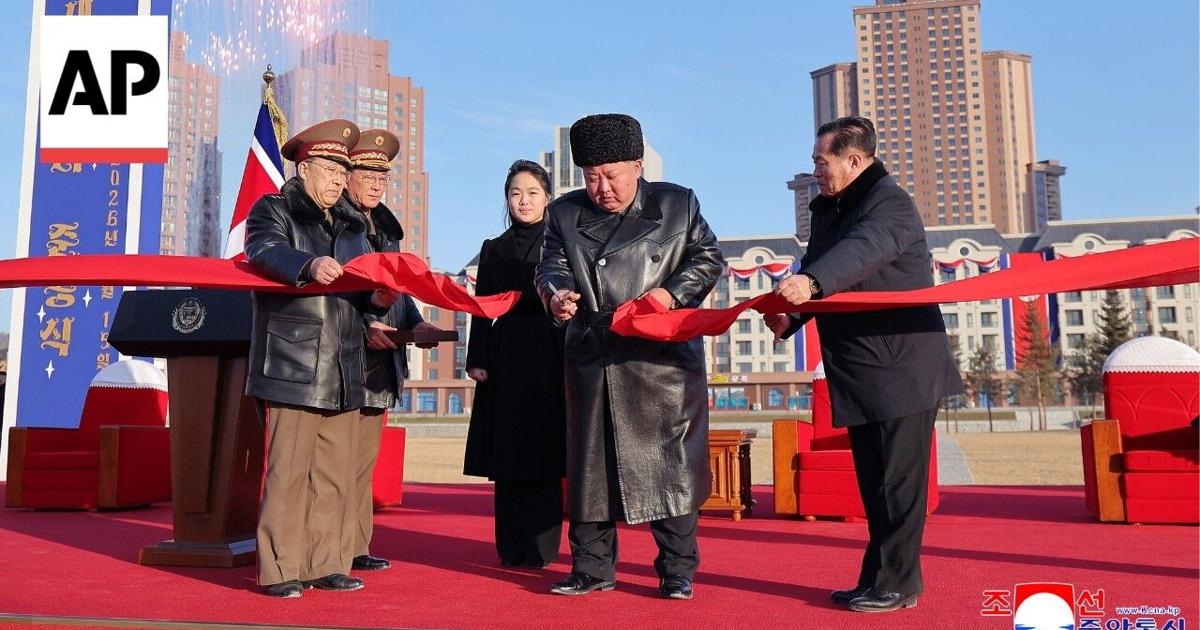
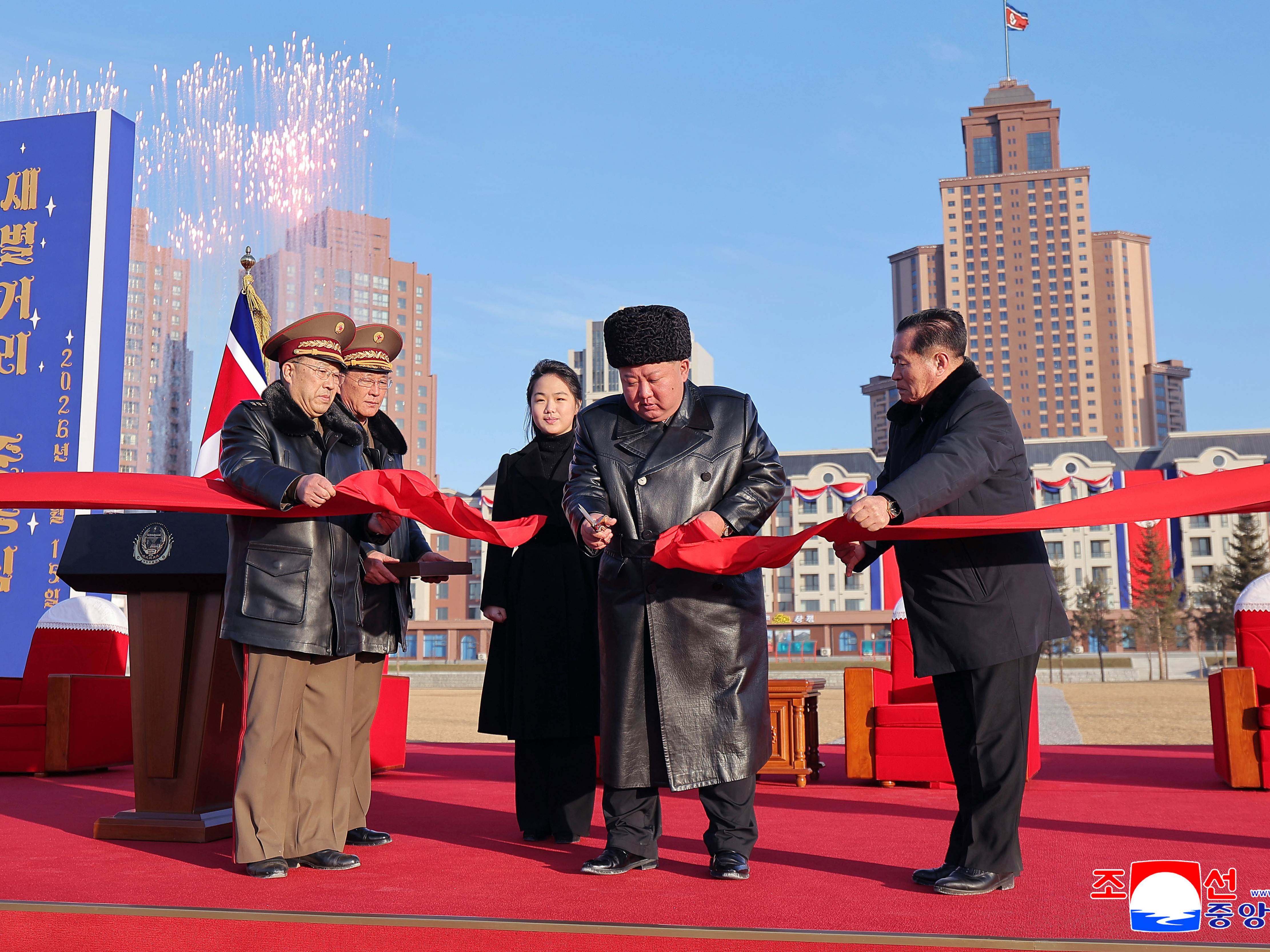
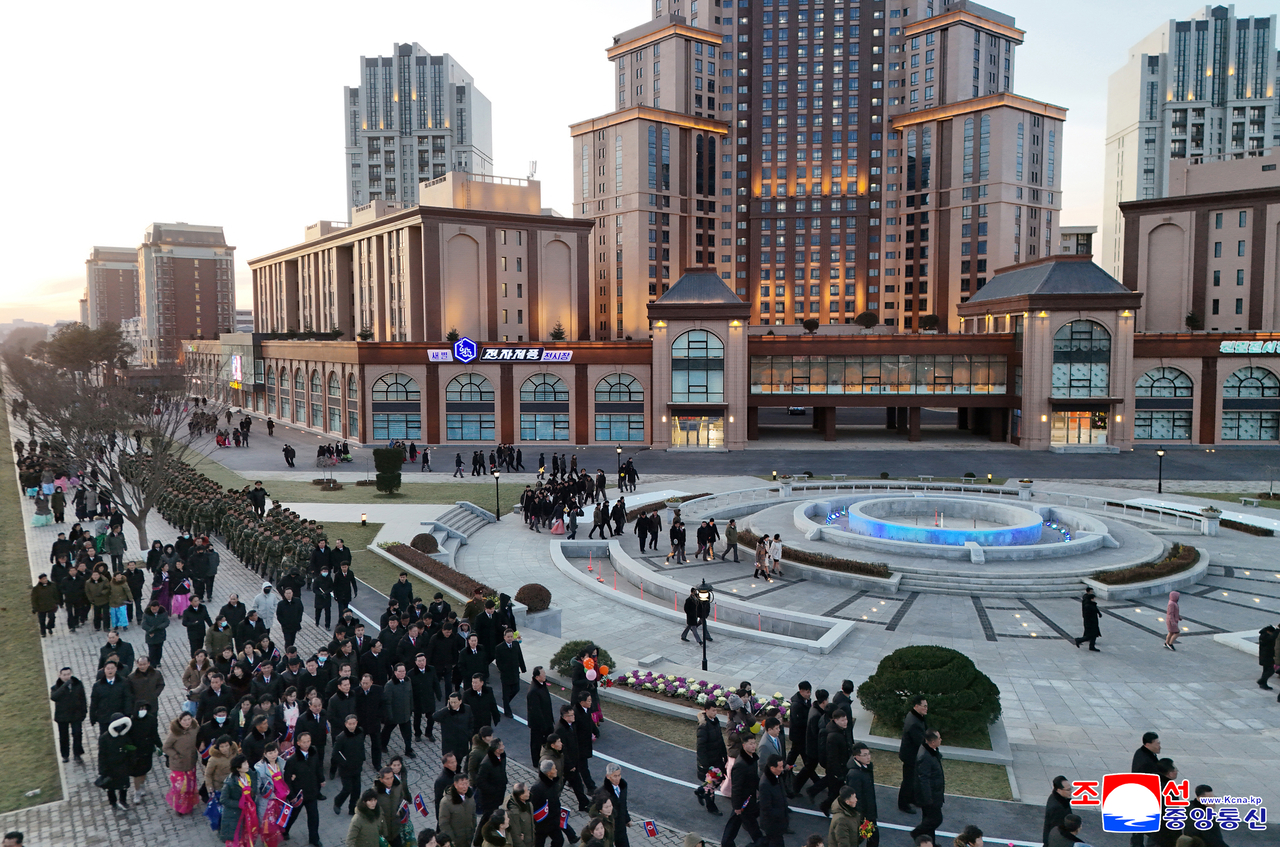
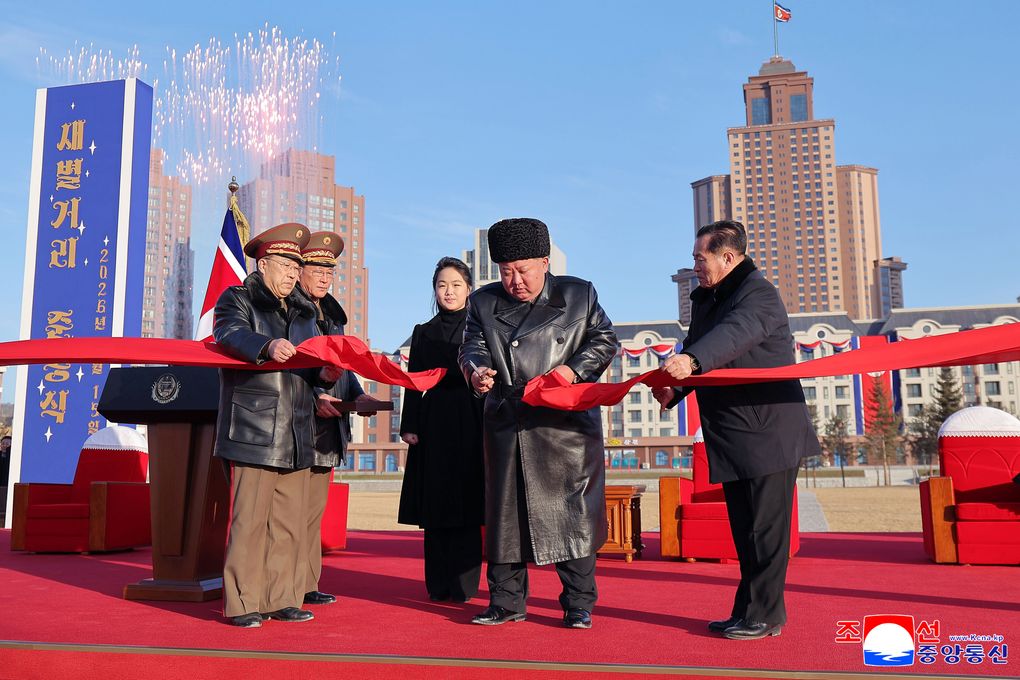
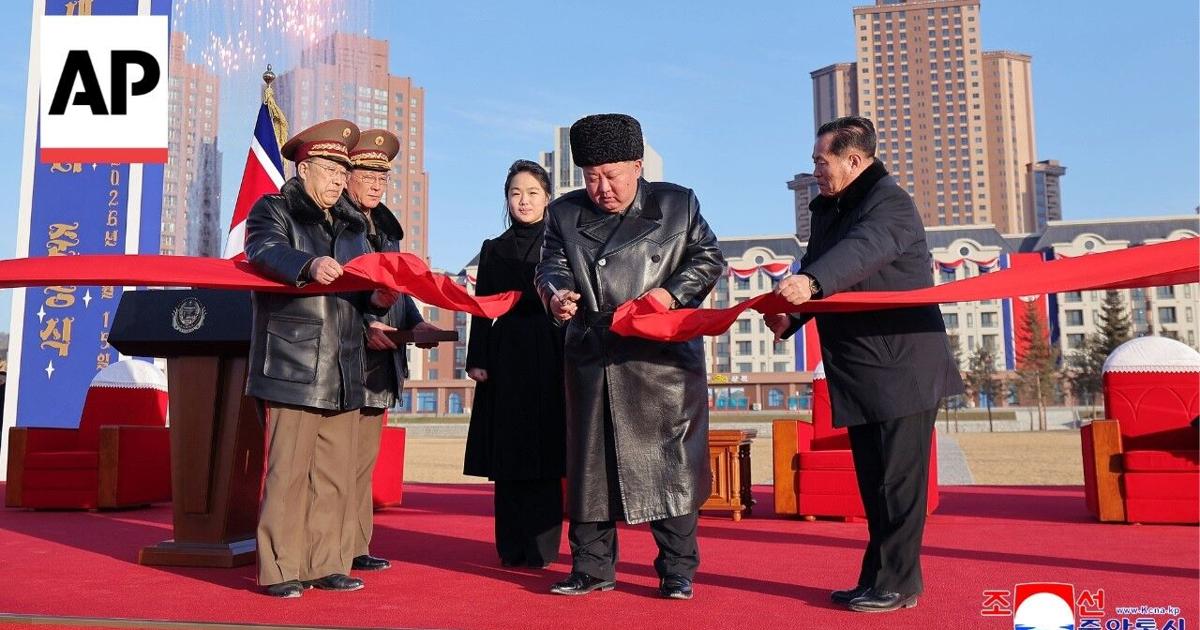
North Korea's February 16, 2026 inauguration of Saeppyol Street housing district represents a critical geopolitical inflection point with cascading implications for cross-border e-commerce sellers. The housing project, dedicated to families of North Korean soldiers killed in Ukraine (6,000+ casualties from 14,000 deployed troops), signals Kim Jong-un's commitment to sustained military engagement with Russia—a development that directly impacts supply chain stability, sanctions enforcement, and market access for sellers operating in Asia-Pacific regions.
Supply Chain & Sanctions Risk Escalation: The deepening North Korea-Russia military-economic partnership creates three immediate seller concerns. First, expanded sanctions enforcement: As North Korea receives "financial aid, military technology, food, and energy supplies" from Russia in exchange for troop deployment, Western governments will likely tighten secondary sanctions targeting entities facilitating this trade. Sellers sourcing electronics, industrial components, or dual-use goods from China, Russia, or Southeast Asia face heightened customs scrutiny and potential compliance violations. Second, logistics route disruption: The housing initiative precedes North Korea's major Workers' Party congress (late February 2026) where Kim is expected to announce five-year foreign policy objectives. Intelligence analysts characterize this as a "calculated political move" to justify continued military deployment, suggesting North Korea will deepen Russia alignment—potentially affecting shipping corridors through the Korean Peninsula and impacting sellers using Asia-Pacific logistics hubs. Third, market volatility in affected regions: South Korea's National Intelligence Service reports North Korean forces are gaining "modern combat experience and Russian technical support," indicating potential weapons system upgrades. This escalation increases geopolitical tension on the Korean Peninsula, creating uncertainty for sellers with inventory, fulfillment centers, or supplier networks in South Korea, which hosts major e-commerce logistics infrastructure.
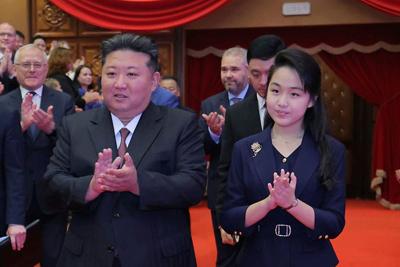
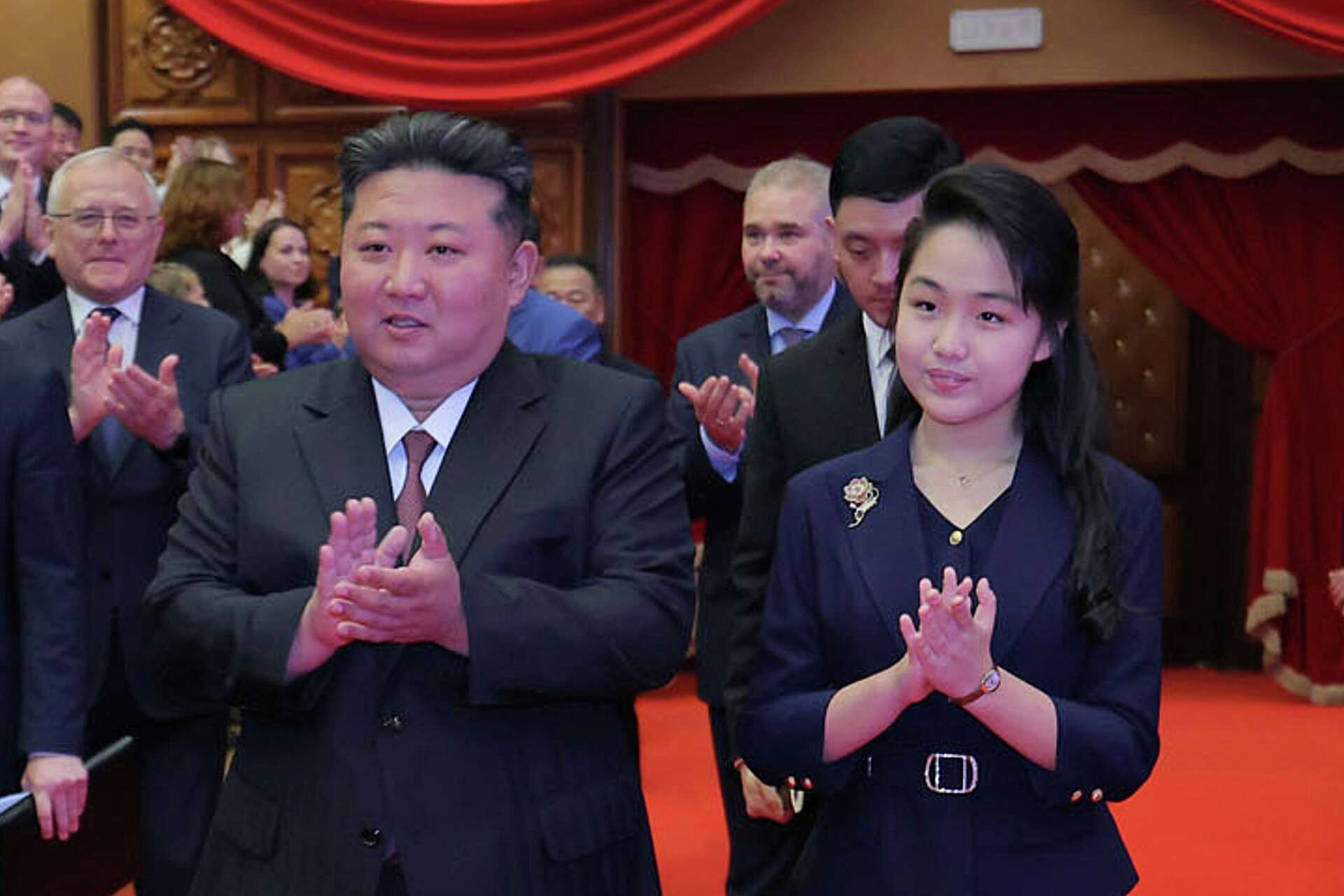
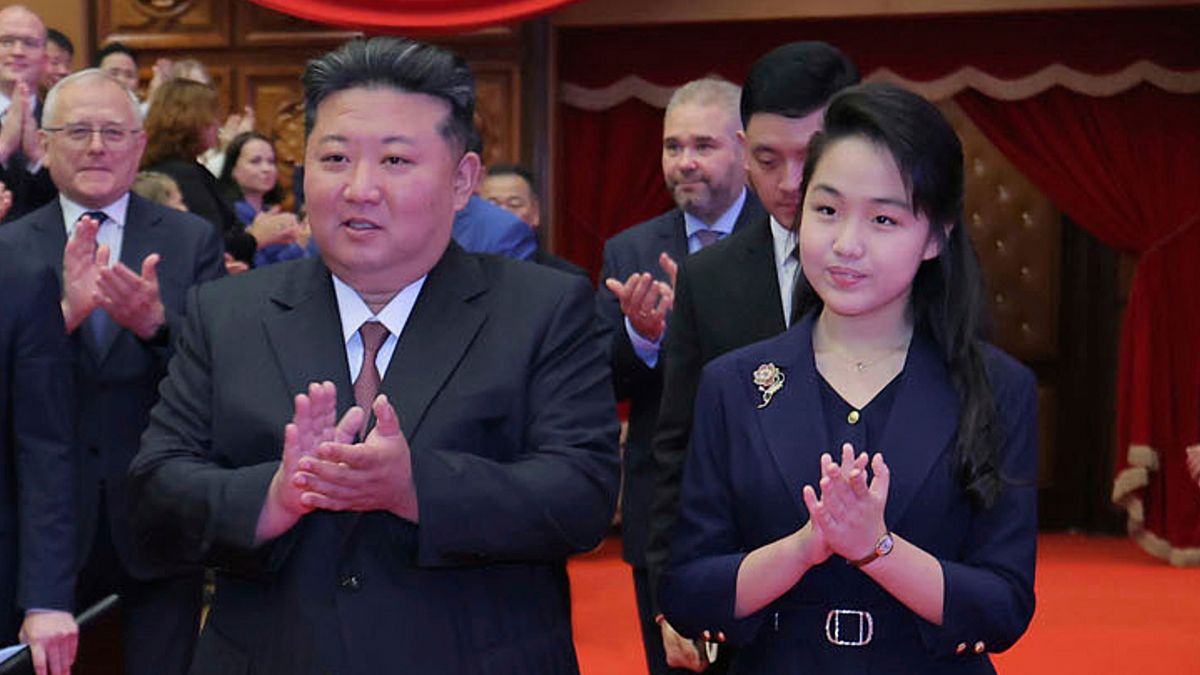
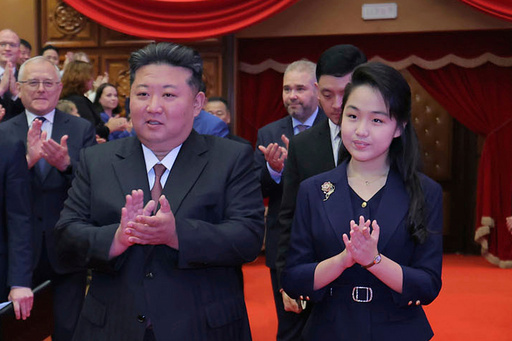
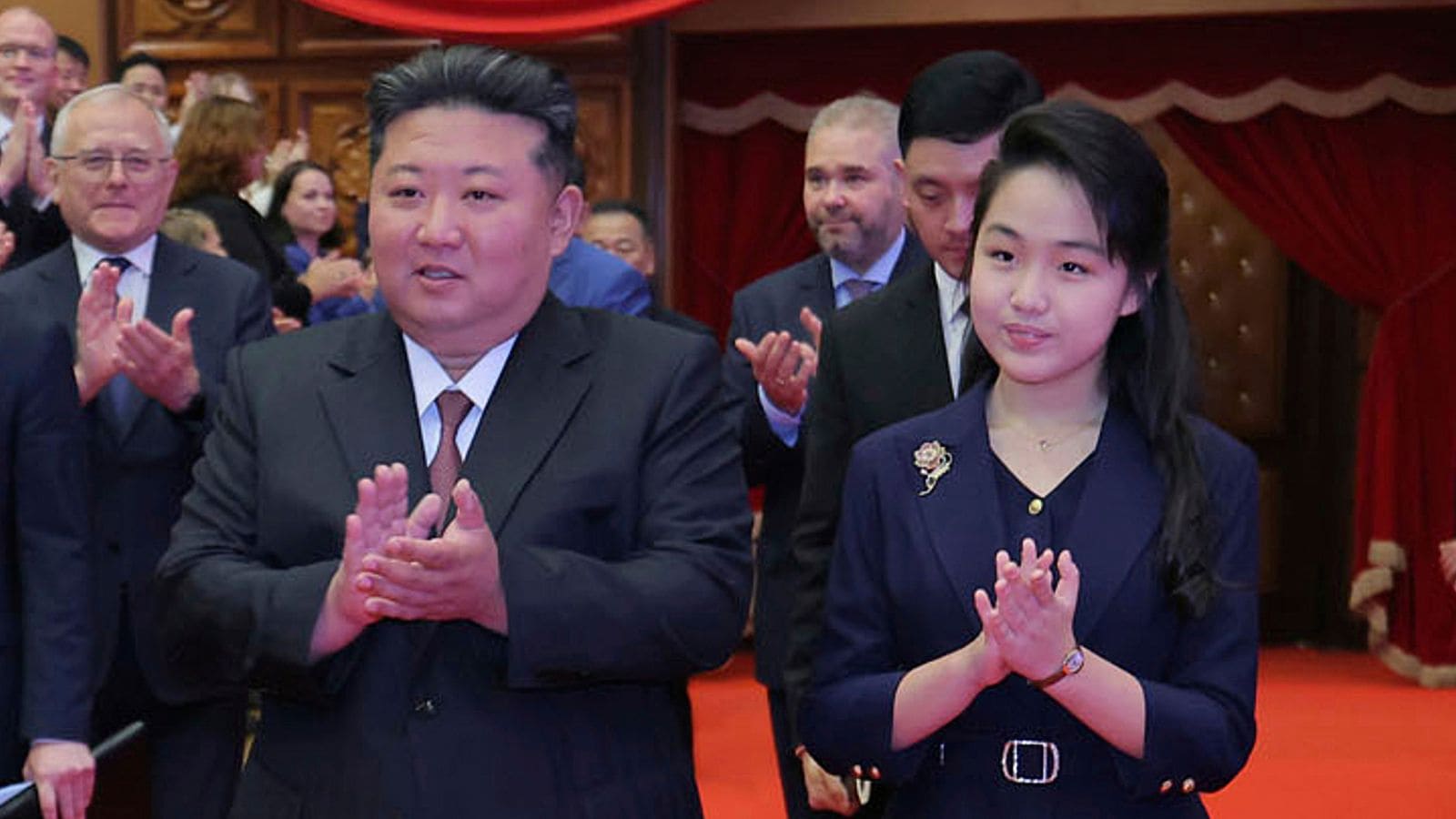
Consumer Behavior & Market Implications: The housing initiative demonstrates authoritarian regimes' use of public ceremonies to manage domestic narratives around military casualties. This pattern historically precedes policy announcements affecting trade, currency controls, and market access. Sellers should monitor the February 2026 Workers' Party congress announcements for potential policy shifts affecting North Korea-Russia trade corridors, which indirectly influence global supply chains through Chinese intermediaries. Additionally, the elevation of Kim Ju-ae (Kim's designated successor) at state ceremonies signals potential succession planning, which historically creates policy uncertainty and temporary market disruptions in Asia-Pacific regions. The housing project's scale (dedicated residential district for bereaved families) indicates North Korea's expectation of sustained casualties, suggesting long-term military commitment rather than temporary deployment—a factor affecting regional stability assessments and seller risk calculations.
Immediate Seller Actions: Monitor U.S. Treasury OFAC, EU, and UN sanctions updates for secondary sanctions targeting North Korea-Russia trade facilitators. Review supplier contracts for sanctions compliance clauses and consider diversifying sourcing away from entities with Russian or North Korean connections. For sellers with South Korean logistics operations, assess geopolitical risk insurance and contingency routing plans. Track Workers' Party congress announcements (expected late February 2026) for policy changes affecting Asia-Pacific trade corridors. Implement enhanced due diligence on suppliers claiming "Russia-free" or "North Korea-free" sourcing, as sanctions evasion through intermediaries is common. Consider temporary inventory rebalancing away from Asia-Pacific fulfillment centers if geopolitical tension escalates post-congress announcements.
问题 8
How does Kim Ju-ae's succession visibility affect seller risk?
South Korean intelligence formally designated Kim Ju-ae as Kim Jong-un's successor based on her participation in high-profile state events, including the housing initiative ceremony. Succession transitions in authoritarian regimes historically create 6-12 month periods of policy uncertainty and temporary market disruptions. Sellers should monitor Ju-ae's elevation to official party titles at the February 2026 congress, which would signal accelerated succession planning. This could trigger policy shifts affecting trade, currency controls, and market access in Asia-Pacific regions. While long-term implications remain uncertain, sellers should increase geopolitical risk monitoring and maintain flexible supply chain strategies during potential transition periods.
What role does propaganda and domestic messaging play in predicting North Korea's future trade policies?
North Korea's housing initiative and memorial complex unveiling reveal a pattern of using public ceremonies to reinforce state narratives around military sacrifice and national duty. This propaganda-focused approach indicates Kim prioritizes domestic cohesion and legitimacy over economic engagement with the West. Sellers should interpret this as a signal that North Korea will likely maintain isolationist trade policies and deepen Russia alignment rather than pursue market liberalization. The succession of Kim Ju-ae—elevated through state propaganda appearances—suggests continuity of this inward-focused, Russia-aligned strategy. For sellers, this means North Korea remains a closed market with minimal e-commerce opportunity, while neighboring markets (South Korea, Japan) become increasingly important for capturing security-conscious consumers responding to regional tensions.