




Rookie Performance Dynamics in High-Stakes Professional Sports Environments
- Emerging Talent Reshapes Team Strategies and Organizational Resilience















概览
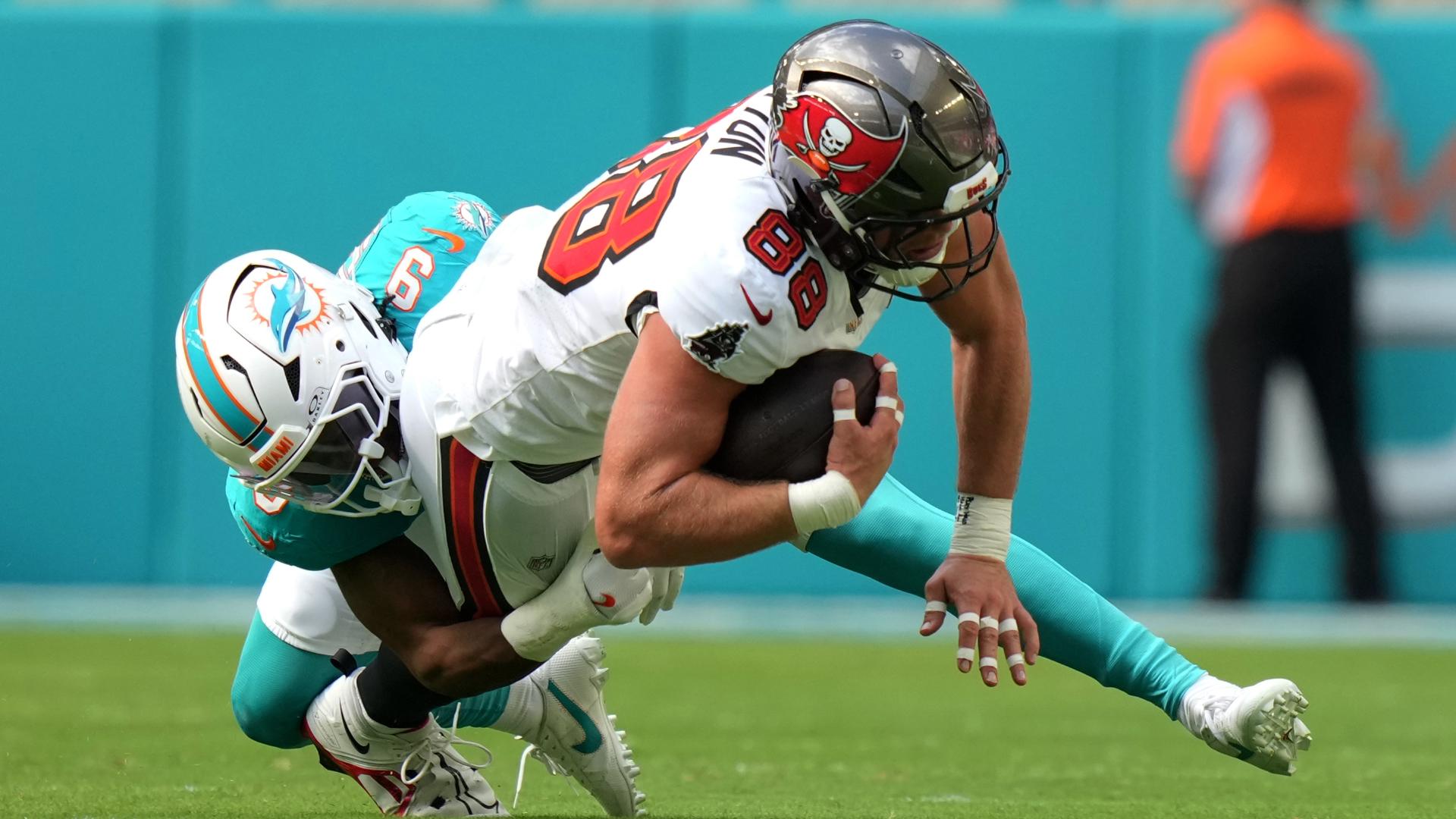
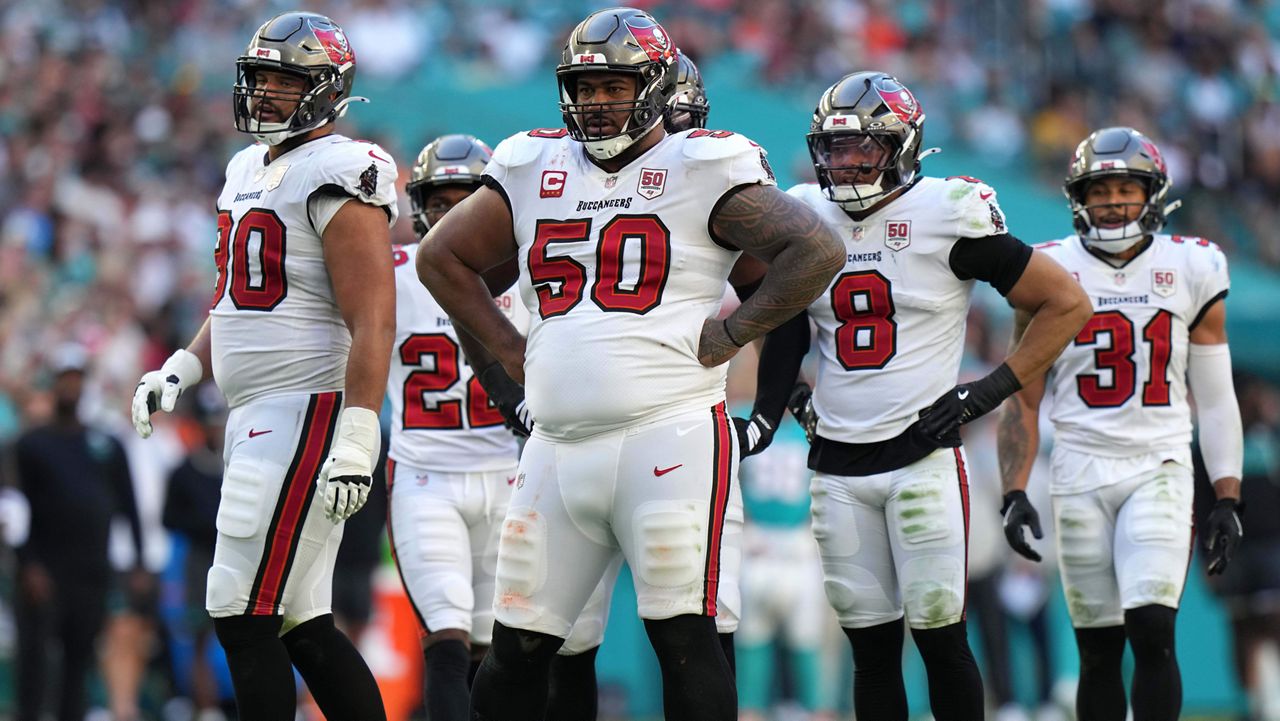
In the complex ecosystem of professional sports, rookie performance emerges as a critical determinant of organizational adaptability and future potential. The recent Miami Dolphins versus Tampa Bay Buccaneers matchup provides a compelling microcosm of how emerging talent can dramatically reshape competitive landscapes.
Quarterback Quinn Ewers exemplifies this transformative potential, delivering a standout performance that transcends mere statistical achievement. By completing 14 of 22 pass attempts for 172 yards and two touchdowns without a single interception, Ewers demonstrated not just technical skill, but strategic maturity rarely seen in early-career athletes. His performance highlights a broader trend: organizational resilience increasingly depends on nurturing young talent capable of performing under high-pressure scenarios.
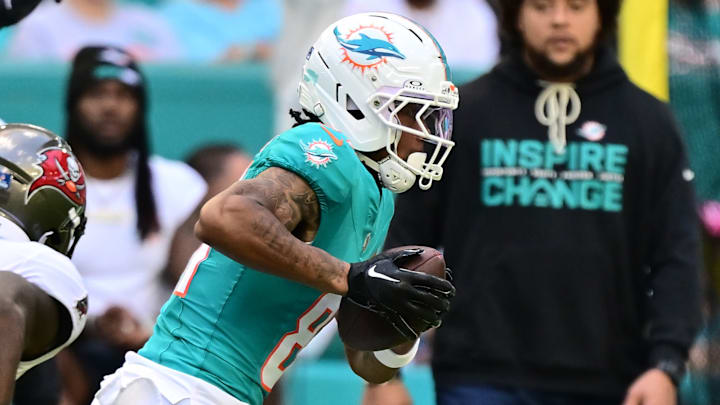
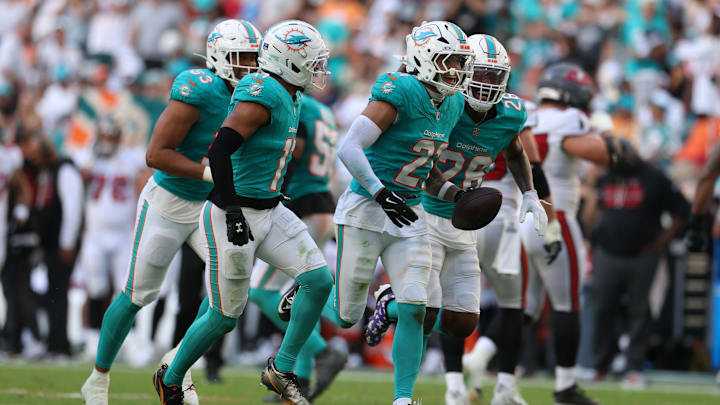
The game's narrative extends beyond individual brilliance. Rookie wide receiver Theo Wease Jr.'s 63-yard touchdown reception and defensive rookie Jason Marshall Jr.'s first professional interception underscore a systematic approach to talent development. These moments reveal that modern sports organizations are evolving from traditional hierarchical models to more dynamic, talent-centric ecosystems where potential trumps experience.
Contextually, the Dolphins' performance—maintaining competitive spirit despite playoff elimination—signals a profound organizational philosophy. With a -89 point differential in third quarters and head coach Mike McDaniel's future uncertain, the team's commitment to developing young talent becomes a strategic imperative. This approach transforms potential setbacks into opportunities for institutional learning and regeneration.
The broader implication transcends sports: successful organizations must create environments that simultaneously challenge and support emerging talent, recognizing that innovation often emerges from unexpected sources. By investing in developmental strategies that prioritize potential over immediate performance, teams and businesses can build sustainable competitive advantages.
问题 3
Why are third-quarter performances critical in sports?
Third-quarter performances often reveal a team's psychological resilience and strategic adaptability. The Dolphins' -89 point differential in third quarters suggests potential challenges in maintaining momentum and tactical consistency, which can be addressed through targeted talent development and strategic coaching interventions.
What makes a successful rookie development approach?
Successful rookie development requires creating environments that simultaneously challenge and support young talent. This involves providing strategic opportunities, maintaining competitive spirit, and viewing potential setbacks as learning experiences. The Dolphins' approach of maintaining team morale despite playoff elimination exemplifies this philosophy.