


Central Europe Trade Corridor Shift | US-Hungary Nuclear Pact Opens $2B+ Market Opportunities for Sellers
- Trump administration prioritizes Hungary, Slovakia as strategic allies; nuclear cooperation signals 10-20 year energy partnership with tariff/trade policy implications for cross-border sellers in EU logistics hubs














)
























概览
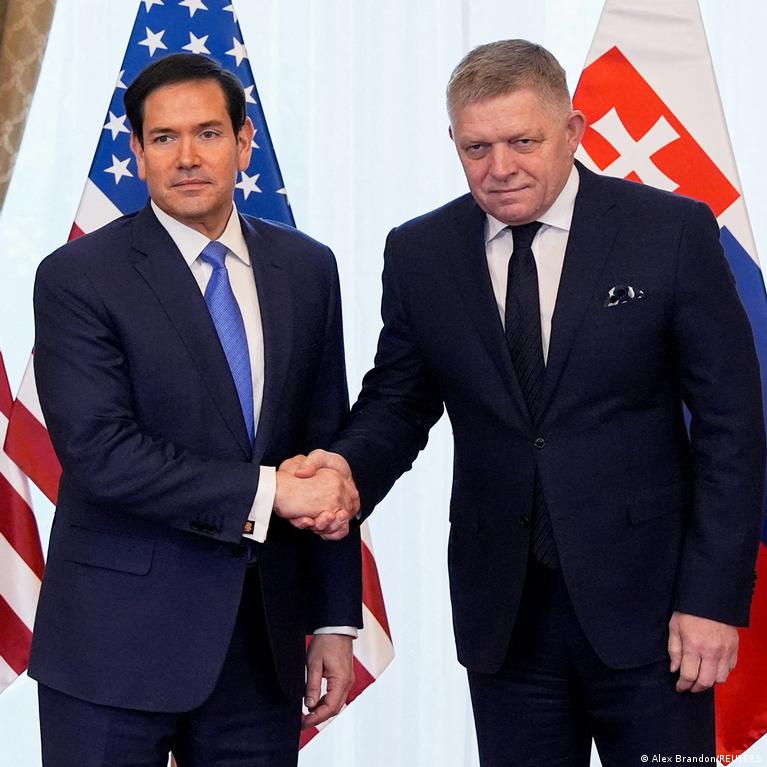
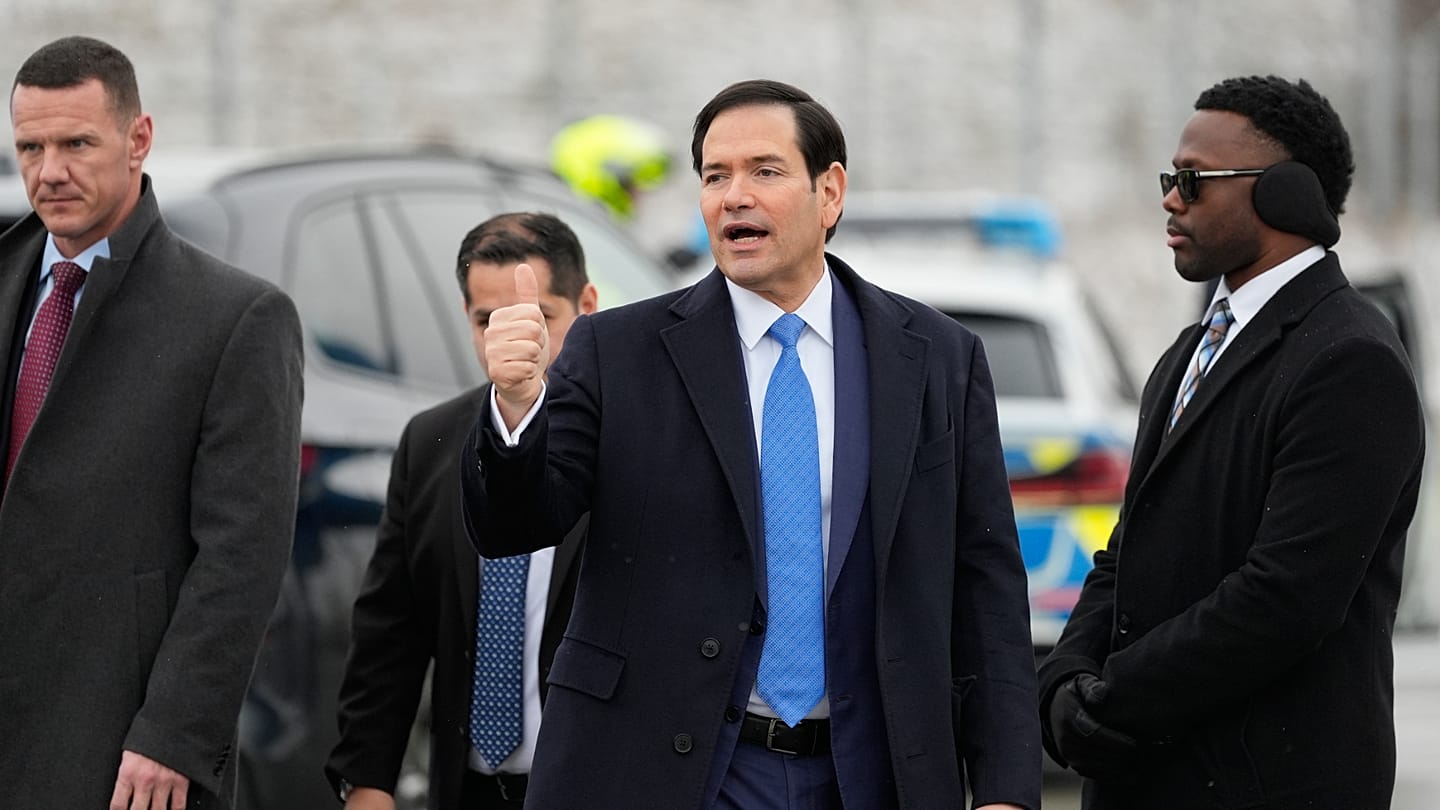
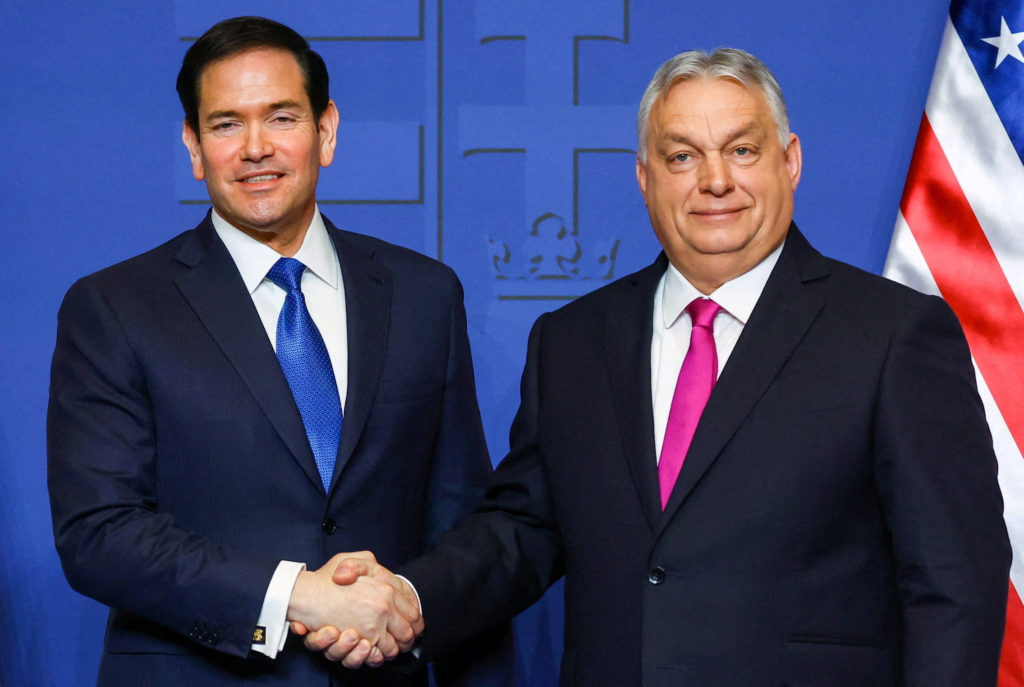
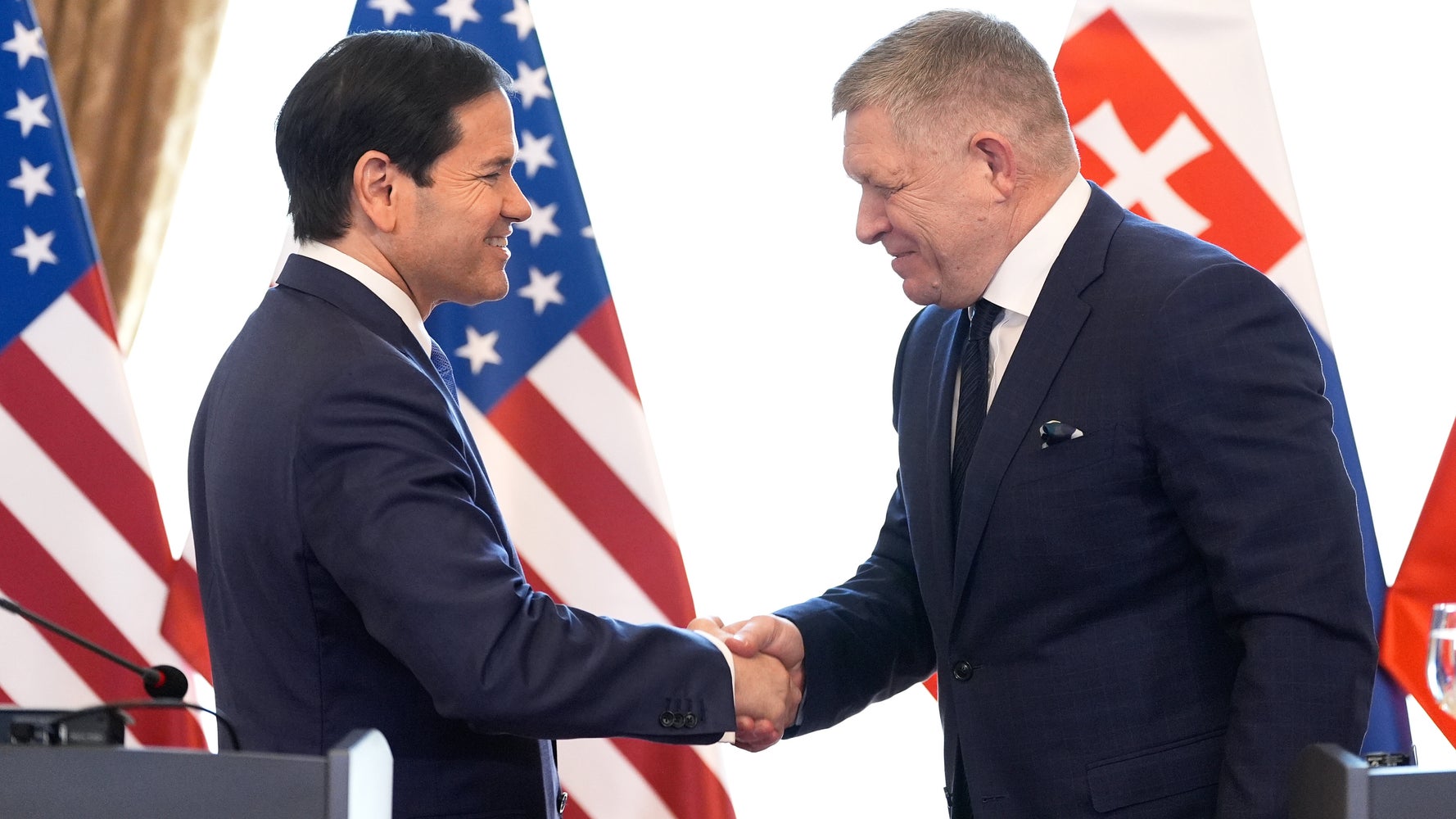
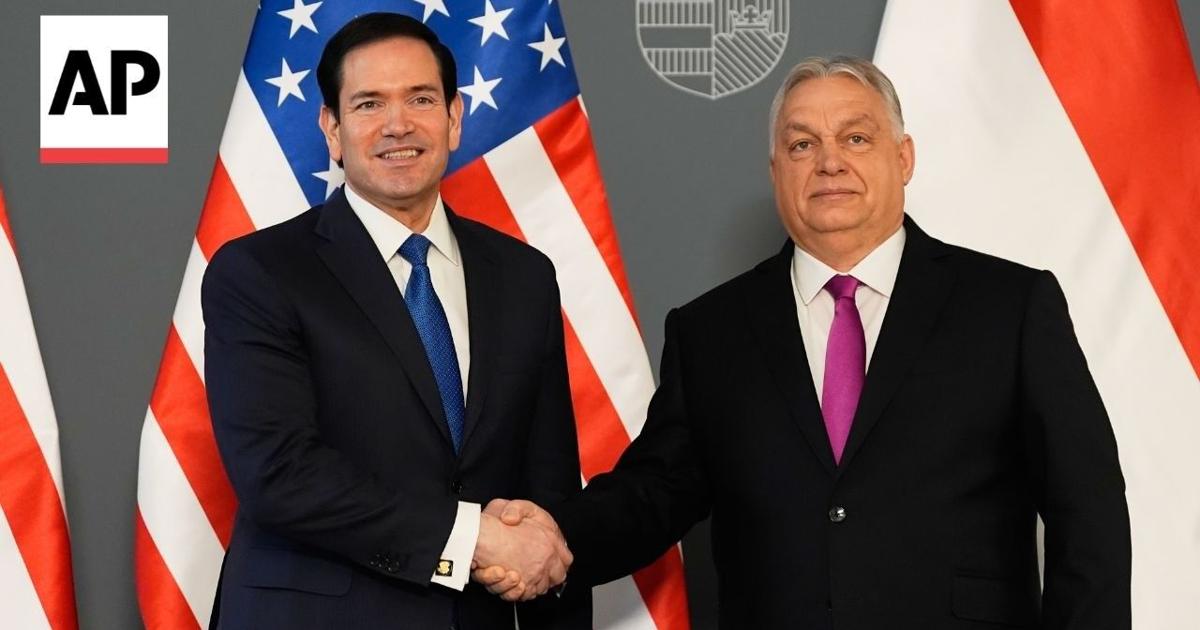
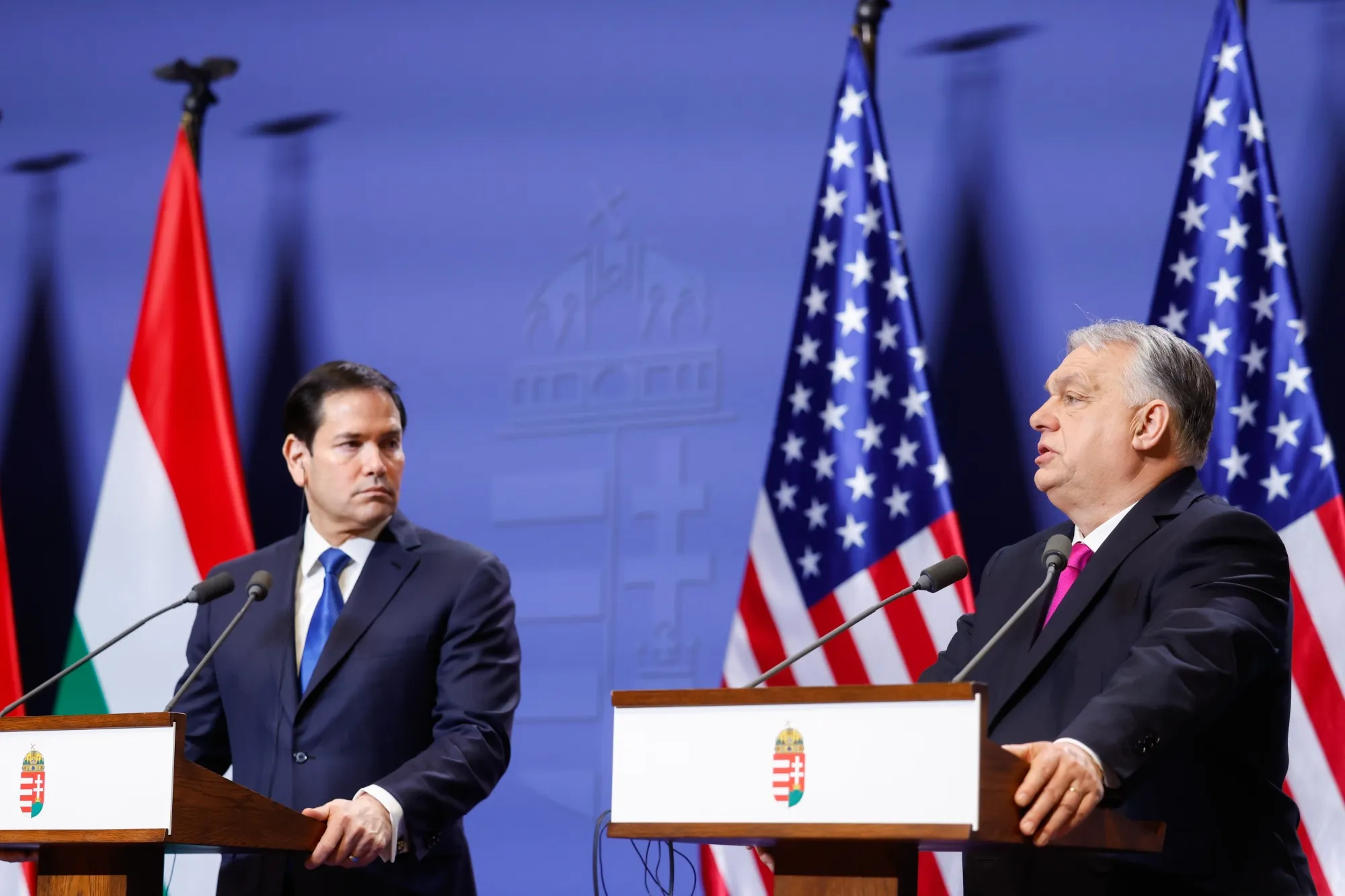
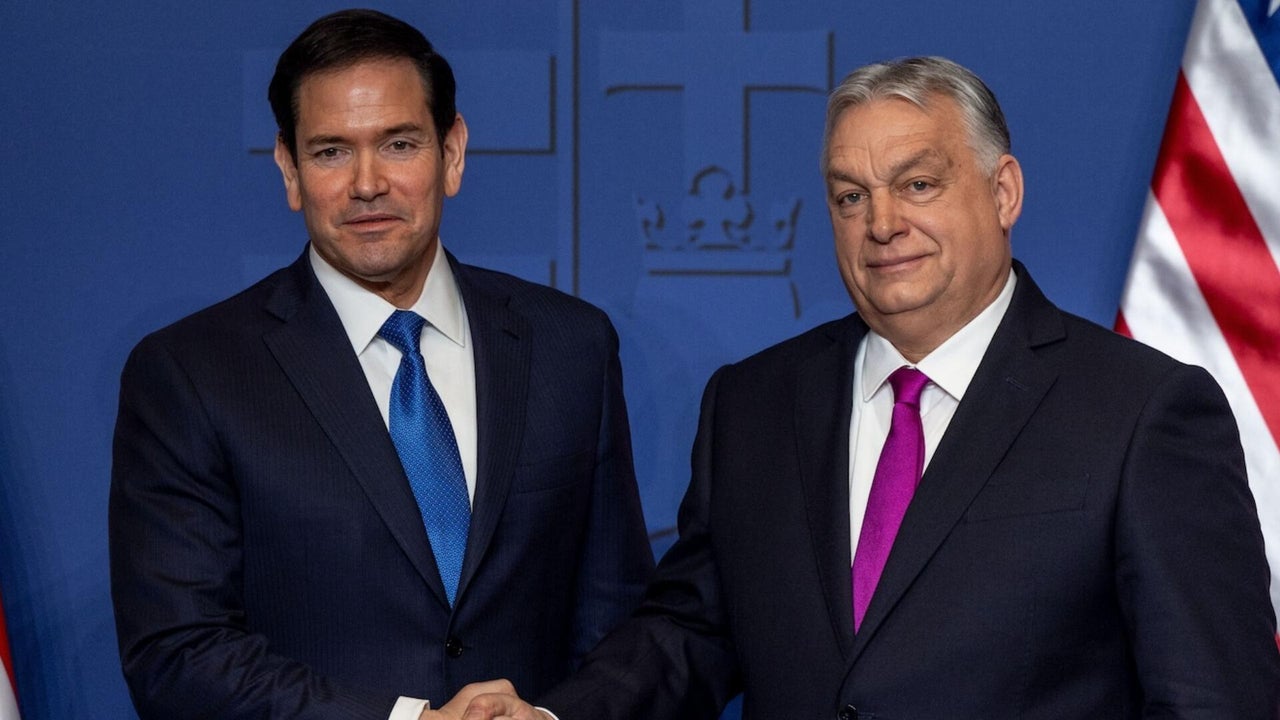
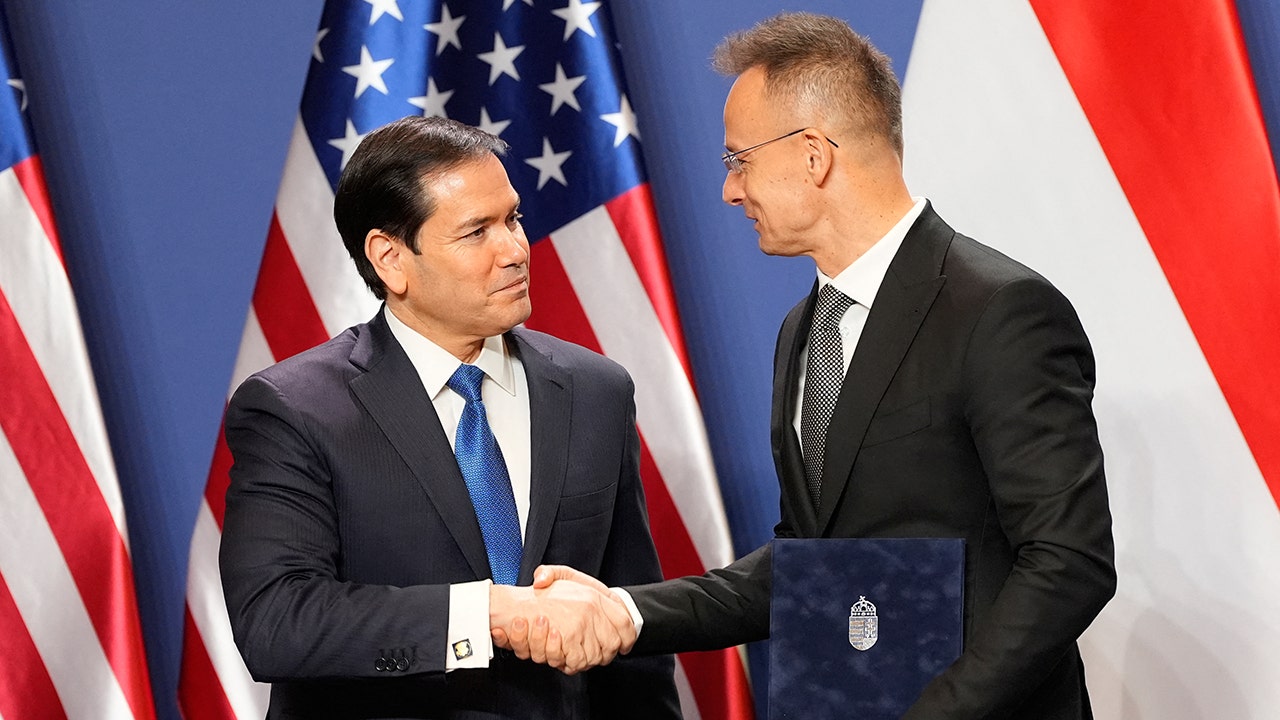
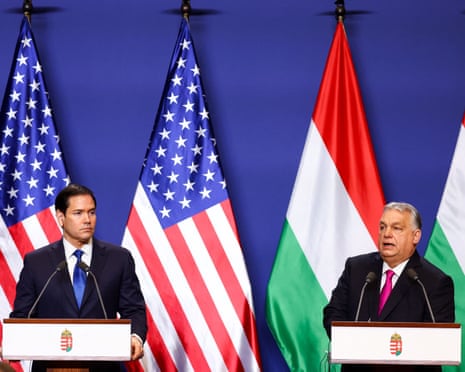
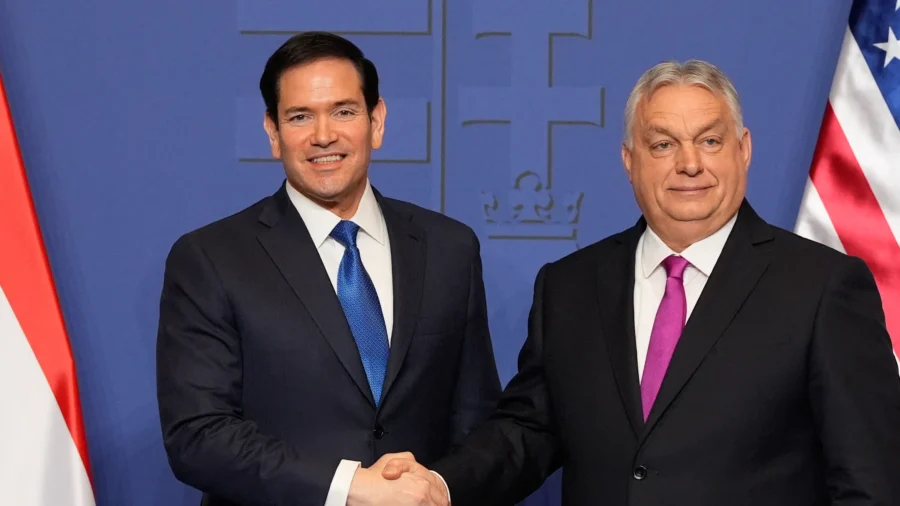
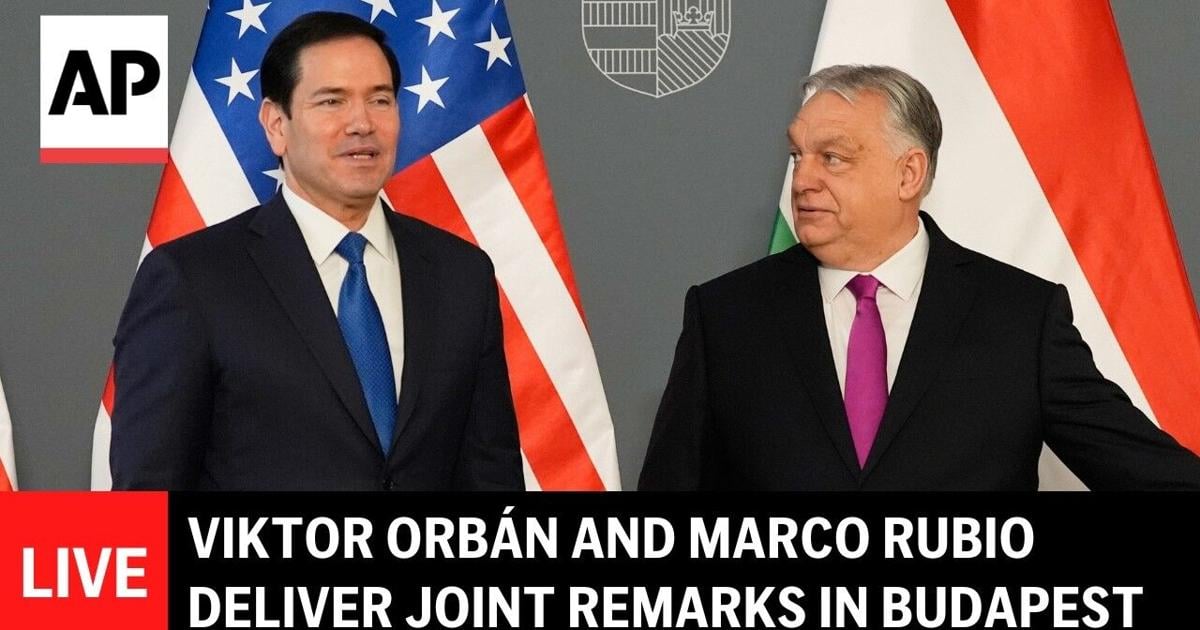
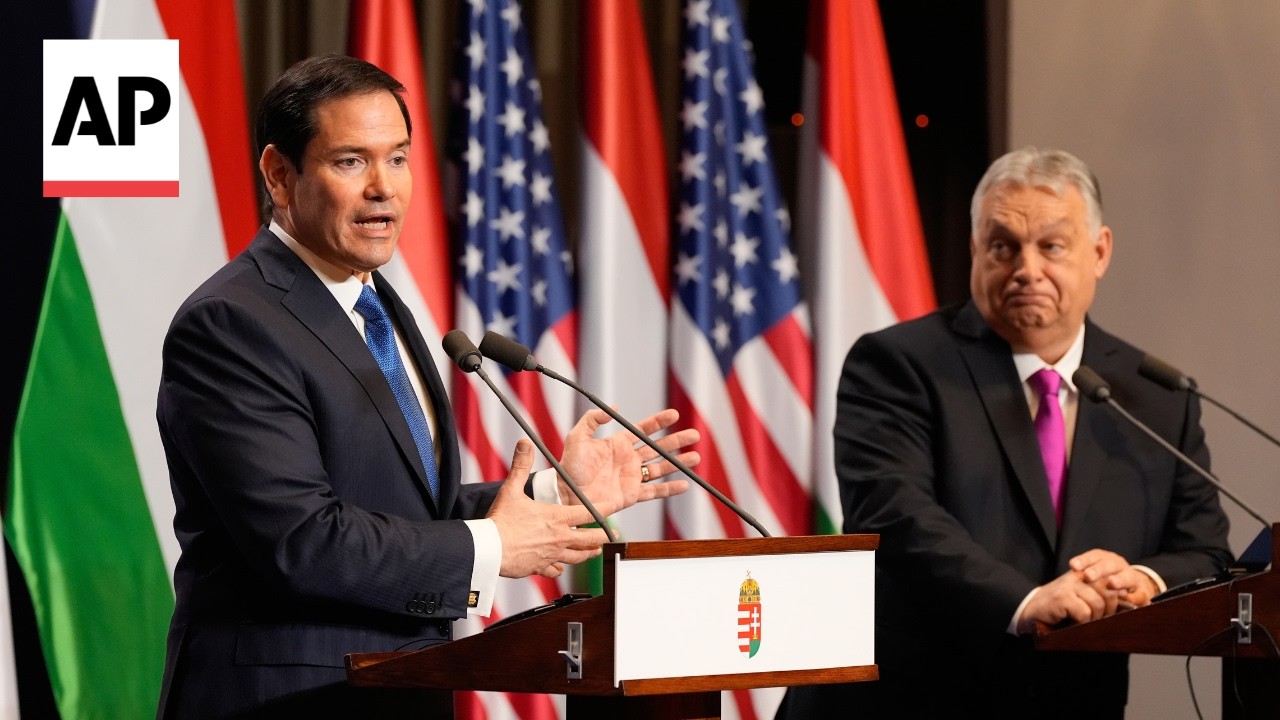
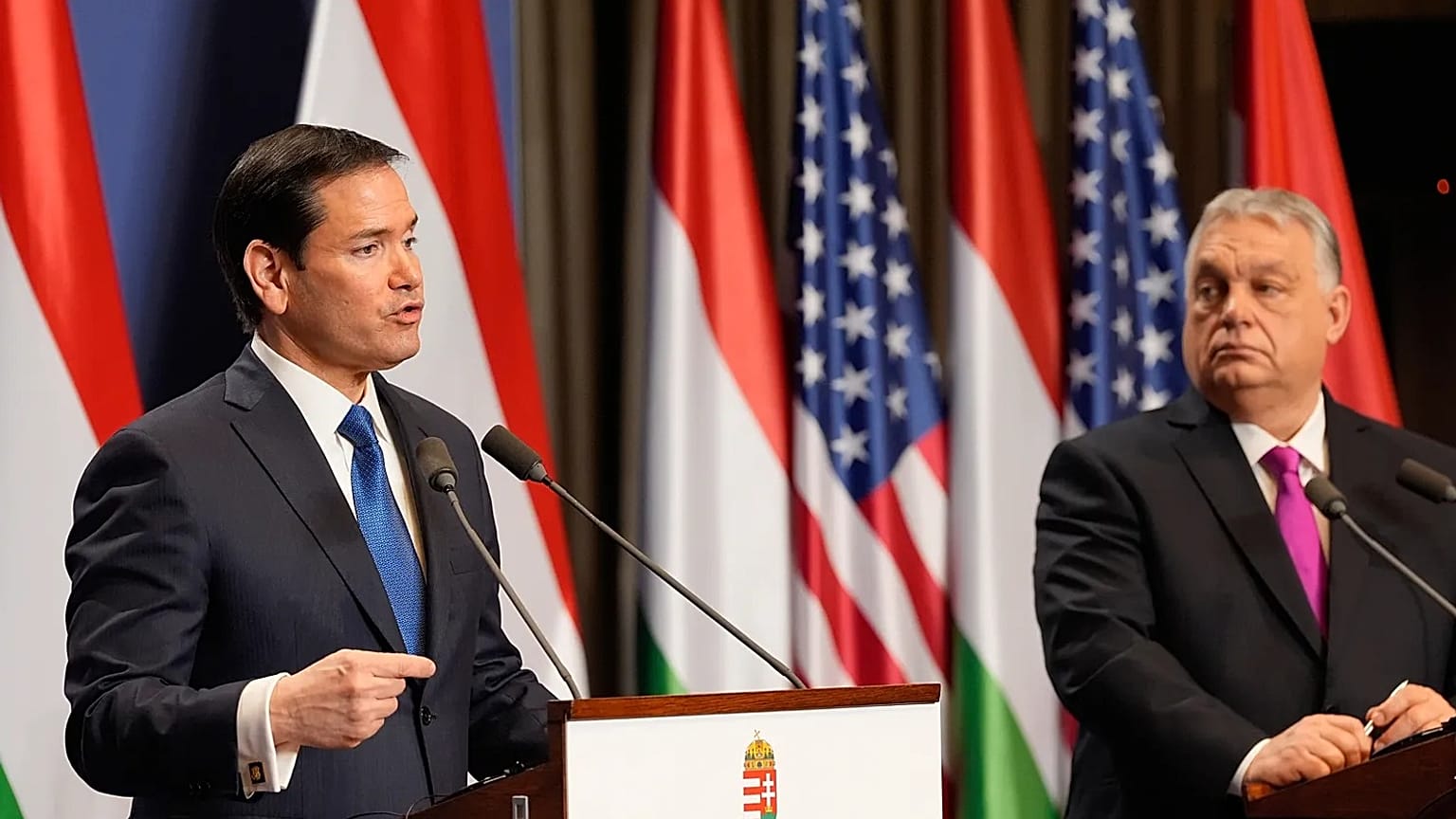
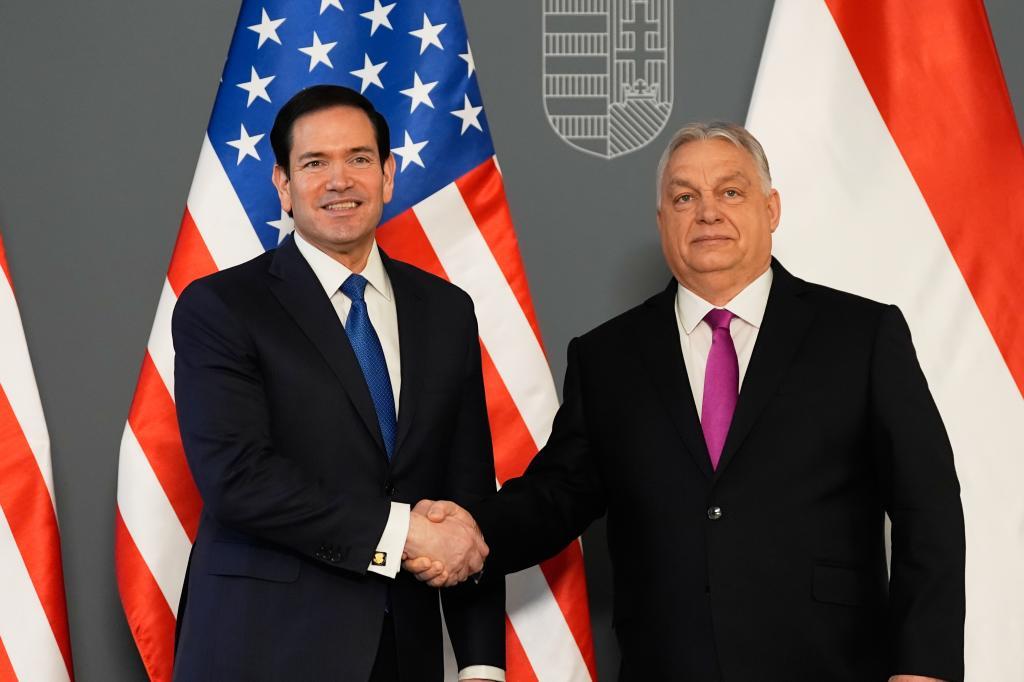
The Trump administration's strategic pivot toward Central Europe, evidenced by Secretary of State Marco Rubio's February 2025 diplomatic tour and the US-Hungary civilian nuclear cooperation agreement, represents a significant geopolitical realignment with direct implications for cross-border e-commerce sellers. The visit to Slovakia (first by a US Secretary of State in seven years) and Hungary, combined with Trump's explicit endorsement of Prime Minister Orbán ahead of April 2025 elections, signals a fundamental shift in US foreign policy away from traditional Western European partnerships toward Euroskeptic, nationalist-aligned governments in Central Europe.
Tariff Arbitrage and Market Access Opportunities: The strengthened US-Central European bilateral relationship creates immediate opportunities for sellers to exploit emerging trade policy divergence. Hungary and Slovakia, both EU members maintaining Russian energy ties and skeptical of EU integration, are positioned to negotiate independent trade agreements with the US. This creates potential tariff reduction windows for specific product categories (machinery, electronics, automotive components) flowing through Central European logistics hubs. Sellers should monitor for bilateral trade agreements that could reduce tariff rates by 5-15% on goods transiting through Poland, Hungary, and Slovakia—countries that serve as critical EU supply chain nodes. The nuclear cooperation agreement, spanning 10-20 years, signals long-term US commitment to Central European infrastructure development, potentially creating favorable conditions for industrial equipment, technology transfer, and specialized manufacturing exports.
Competitive Dynamics and Sourcing Shifts: The geopolitical realignment creates competitive advantages for sellers with existing Central European distribution networks. Poland, Hungary, and Slovakia collectively represent a €450B+ e-commerce market with 65% of EU cross-border logistics flowing through these countries. Sellers currently sourcing from Western Europe or routing through traditional German/Dutch hubs should evaluate cost advantages of establishing 3PL operations in Budapest or Warsaw. The Trump administration's transactional approach to trade suggests potential exemptions from future US tariffs for Central European-based sellers, similar to the Russian energy sanctions exemptions already granted to Hungary. This creates a 6-12 month window before competitors recognize the advantage.
Regulatory Fragmentation and Compliance Opportunities: The news indicates potential policy divergence within the EU, with Central European leaders pursuing independent strategies from Brussels. This fragmentation creates both risks and opportunities: sellers may face different VAT compliance requirements, data localization rules, and platform regulations across EU member states. However, this also creates arbitrage opportunities for sellers willing to navigate multiple regulatory frameworks. The emphasis on strengthening US-Central European ties specifically suggests future bilateral data transfer agreements that could ease GDPR compliance for US-based sellers operating in Hungary and Slovakia, potentially reducing compliance costs by 20-30% compared to Western European operations.
Timing Window and Strategic Positioning: The April 2025 Hungarian elections and March 2026 CPAC conference in Budapest represent critical decision points for policy implementation. Sellers should expect concrete trade policy announcements within 90-180 days following Orbán's reelection, creating a narrow window to position inventory and logistics infrastructure before tariff changes take effect. The nuclear cooperation agreement's parliamentary ratification process (typically 12-18 months) provides visibility into US-Central European alignment trajectory, allowing sellers to make informed sourcing decisions.
问题 7
What product categories benefit most from Central European tariff arbitrage opportunities?
Industrial machinery (HS 8401-8450), electronics and semiconductors (HS 8471-8517), automotive components (HS 8704-8708), and technology equipment represent the highest-value categories for tariff arbitrage. The nuclear cooperation agreement specifically signals US interest in industrial technology transfer, suggesting potential tariff reductions on specialized equipment. Sellers in these categories should prioritize Central European sourcing and logistics positioning. Consumer electronics, home appliances, and industrial tools flowing through Poland-Hungary-Slovakia corridors could see 5-15% tariff cost reductions within 12-18 months. Avoid categories facing US-EU trade tensions (agricultural products, steel, aluminum) where Central European positioning offers no advantage.
How does Trump's support for Orbán translate to trade advantages for sellers?
Trump's explicit endorsement of Orbán and the administration's granting of Russian energy sanctions exemptions to Hungary demonstrate deepening bilateral alignment. This creates potential for preferential trade treatment similar to historical US-ally relationships. Sellers with Central European operations may benefit from expedited customs clearance, reduced compliance scrutiny, and potential tariff exemptions on specific product categories. The Trump administration's transactional approach suggests bilateral agreements favoring countries aligned with US foreign policy. Sellers should position Hungary-based operations as strategic assets, as the country may receive favorable treatment in future US trade negotiations distinct from broader EU arrangements.