

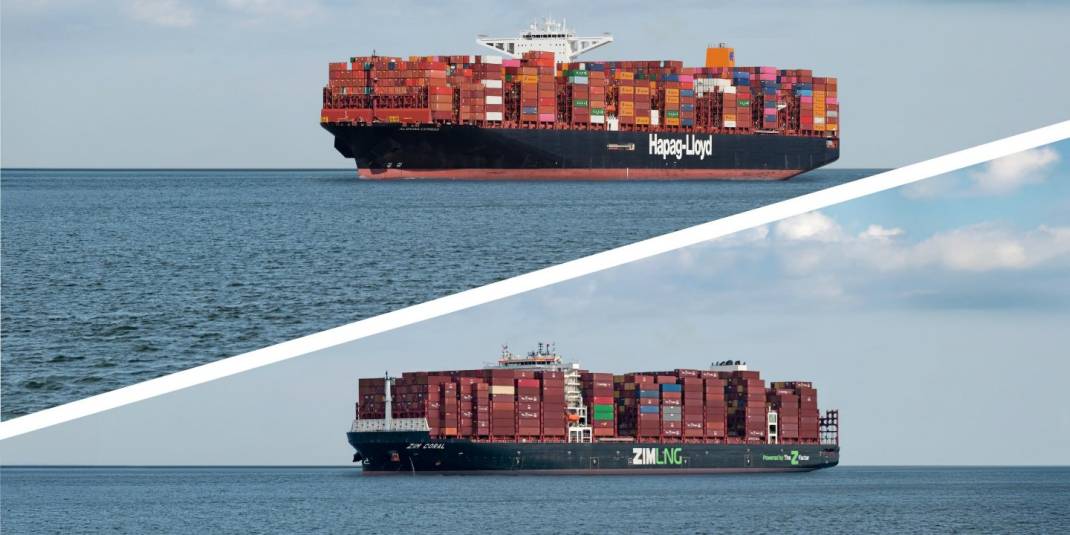


Hapag-Lloyd Zim Acquisition $4.2B | Ocean Freight Rate Impact
- Shipping consolidation reduces carrier competition, affecting 15-25% of e-commerce logistics costs; sellers must diversify carriers and lock rates before 12-18 month integration























概览
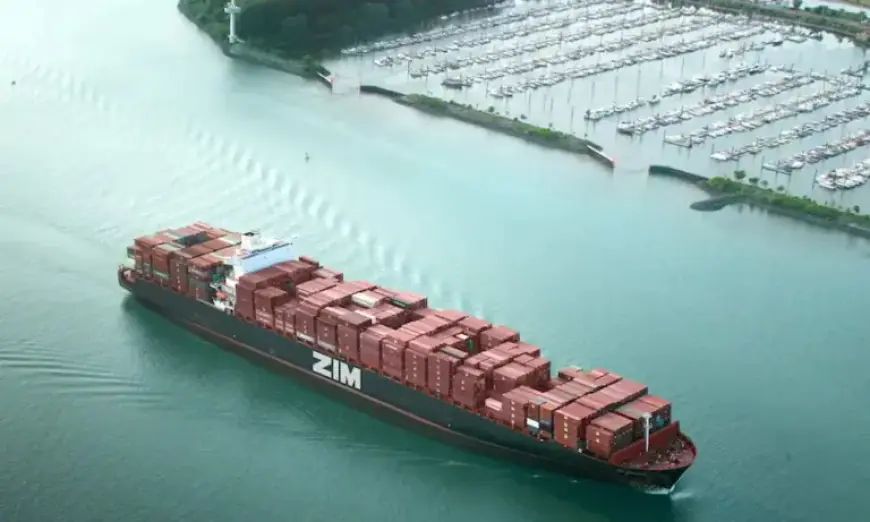
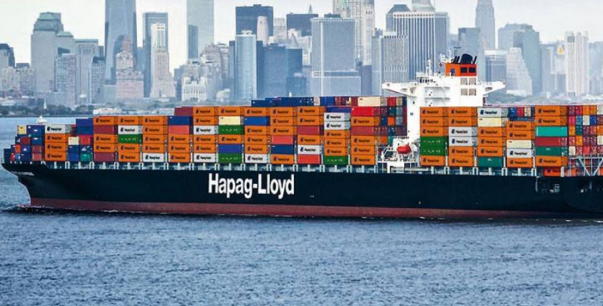
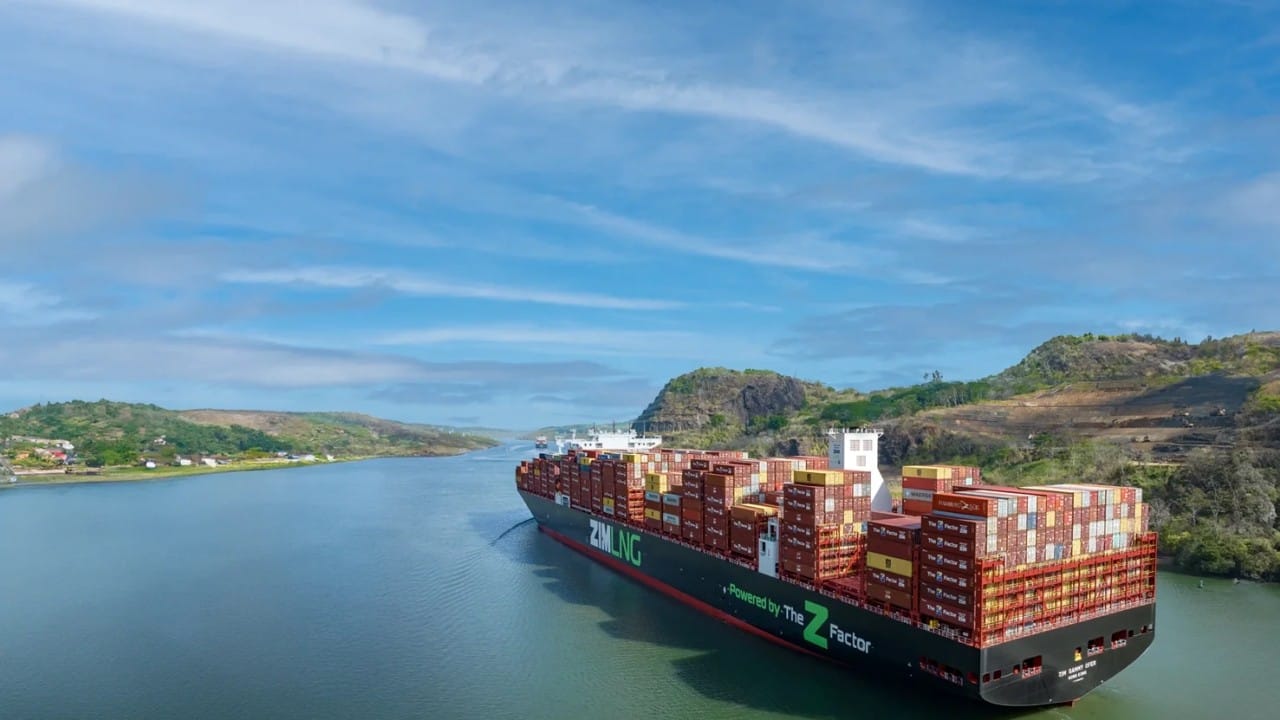
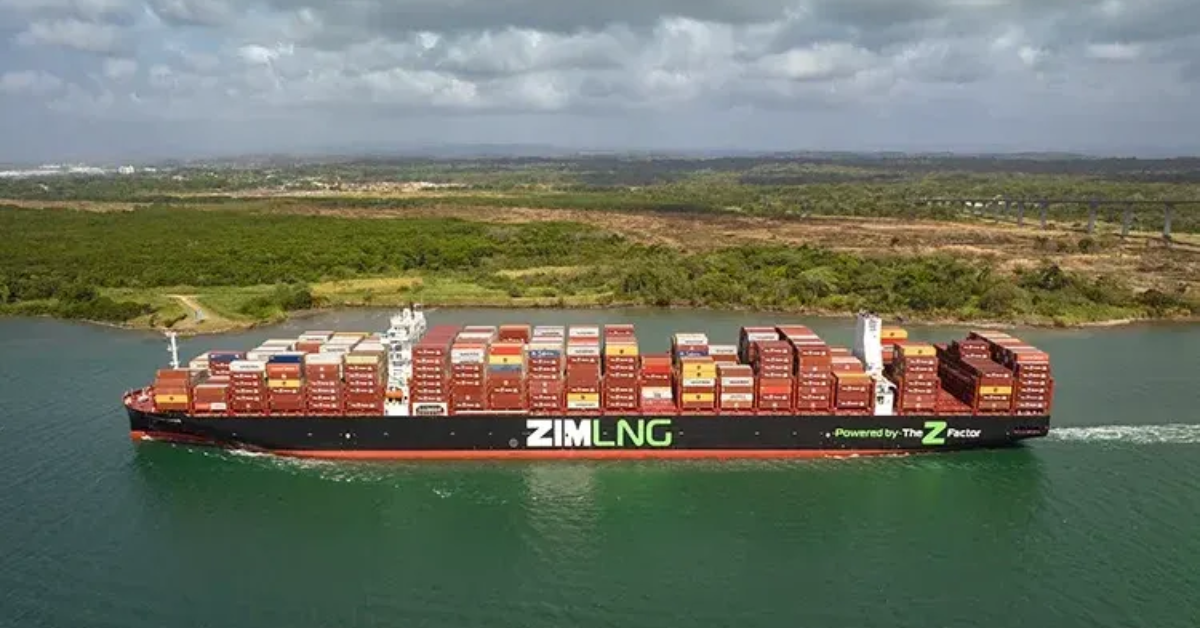
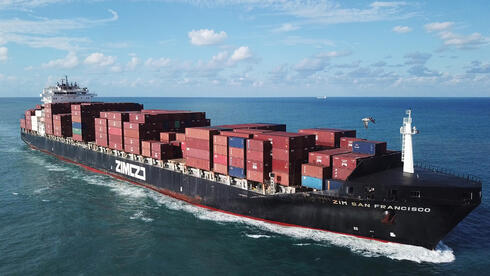
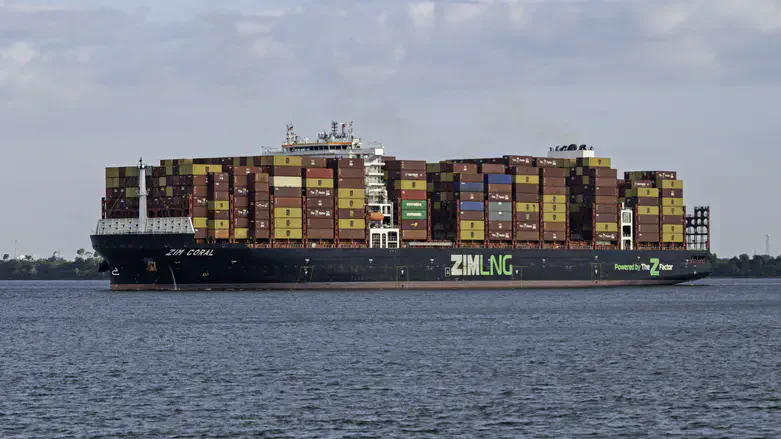
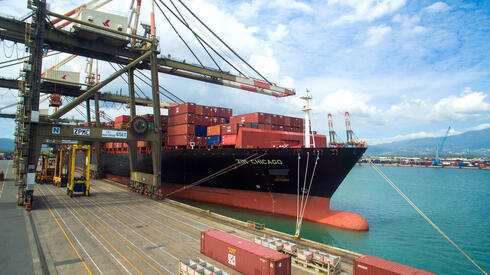
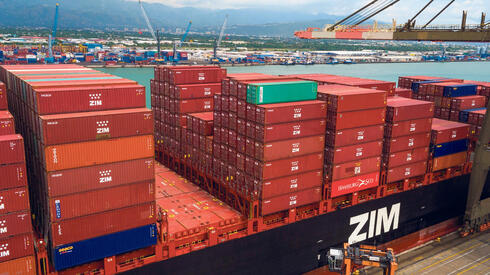
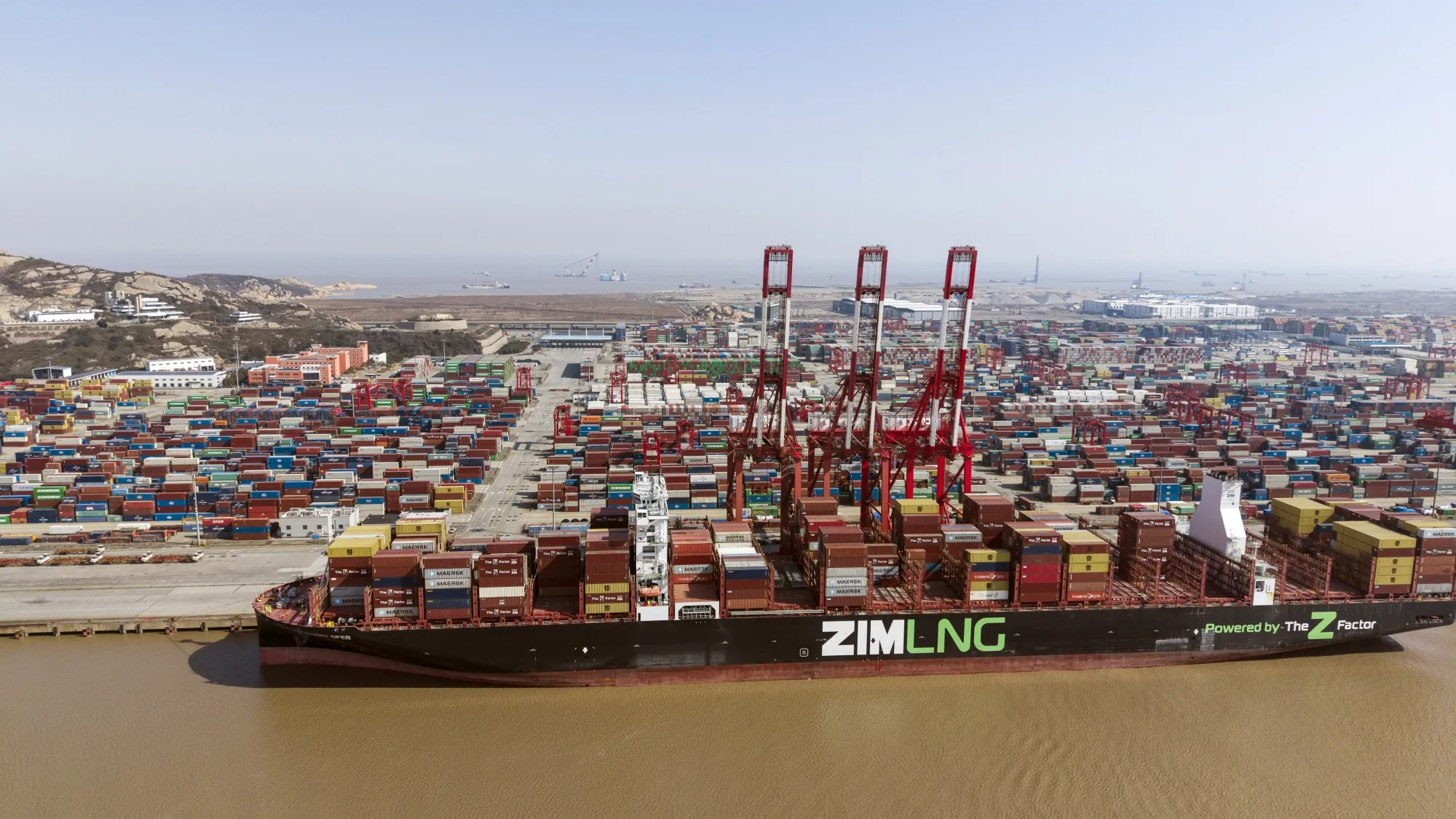
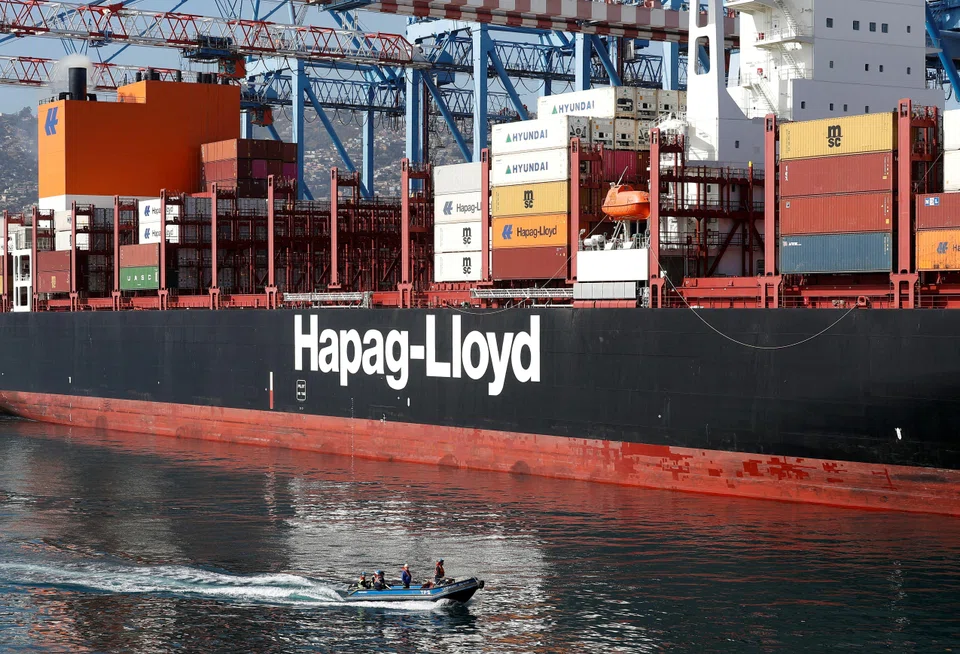
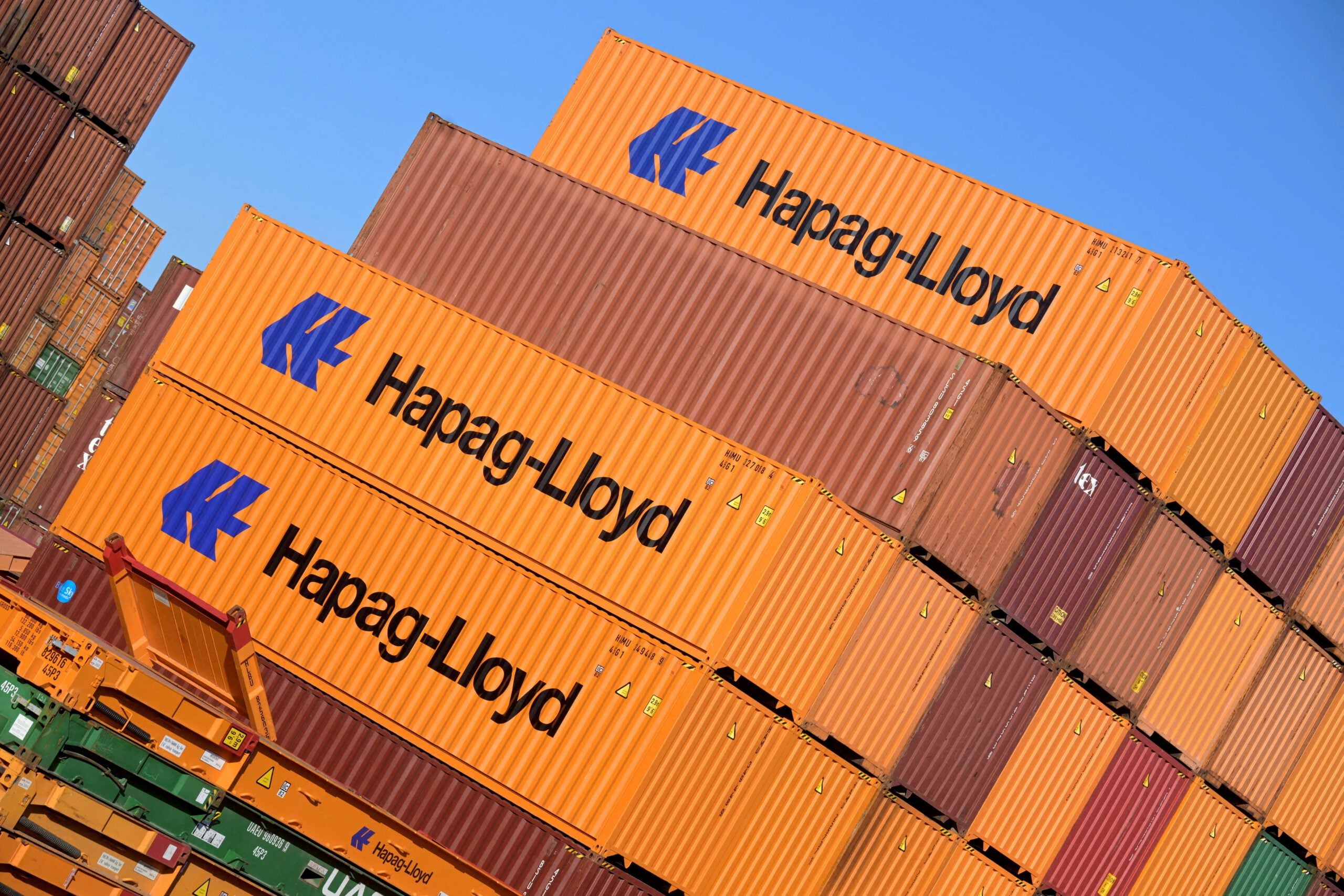
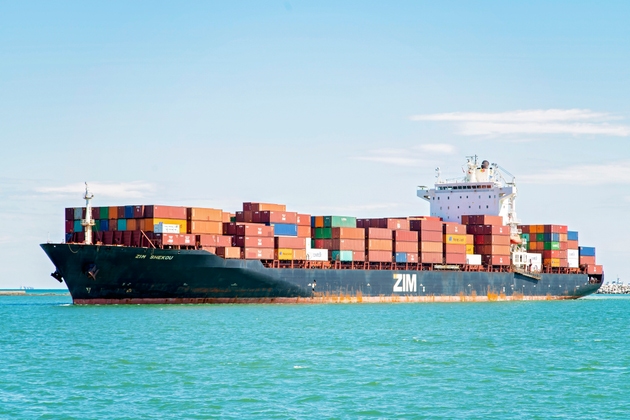
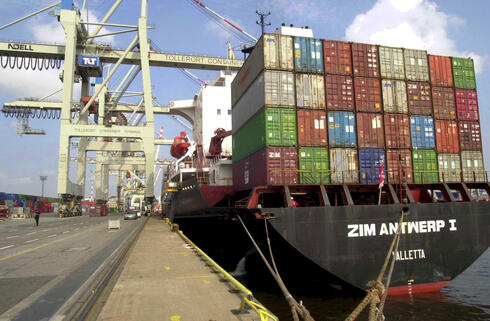
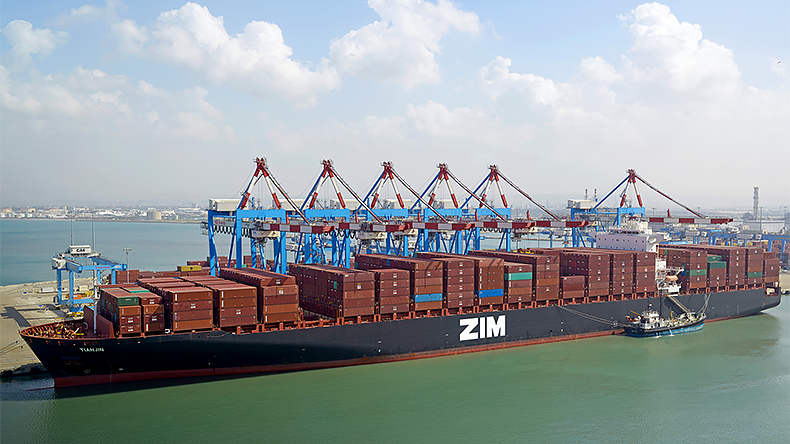
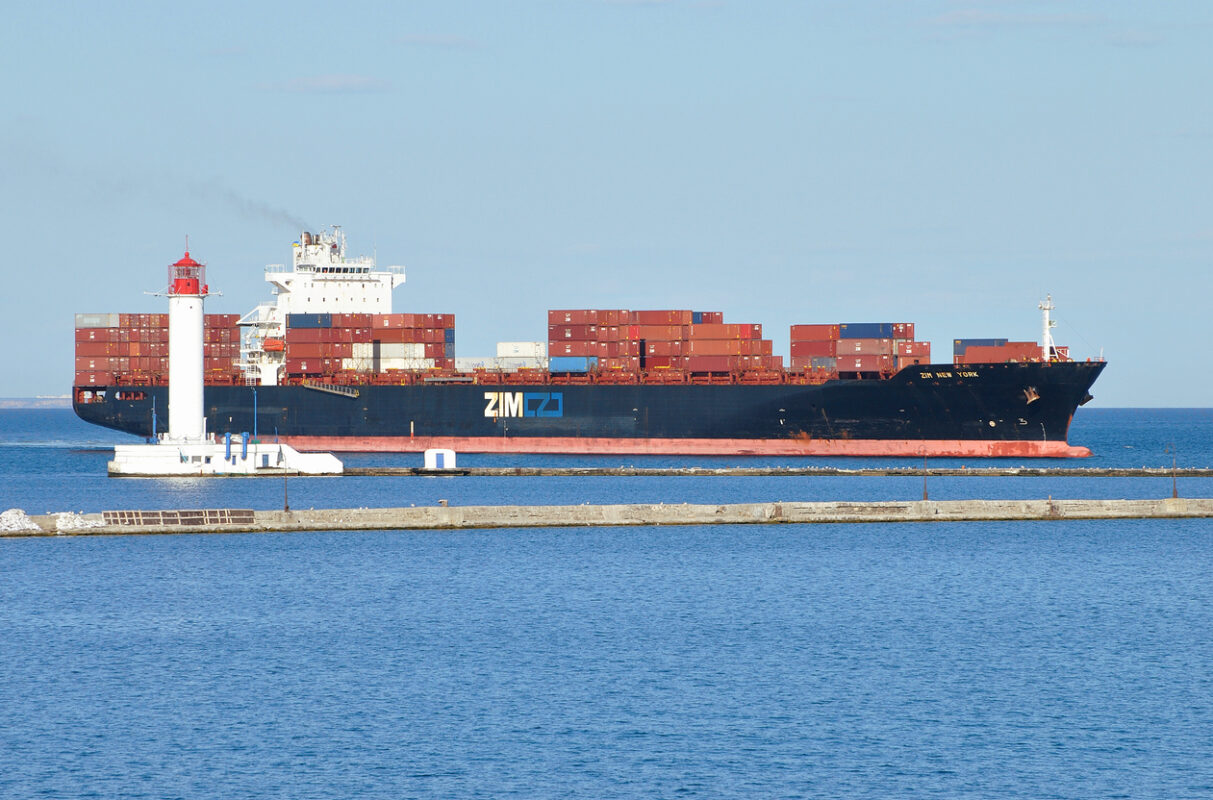
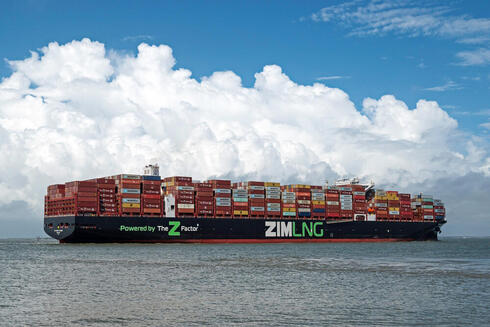
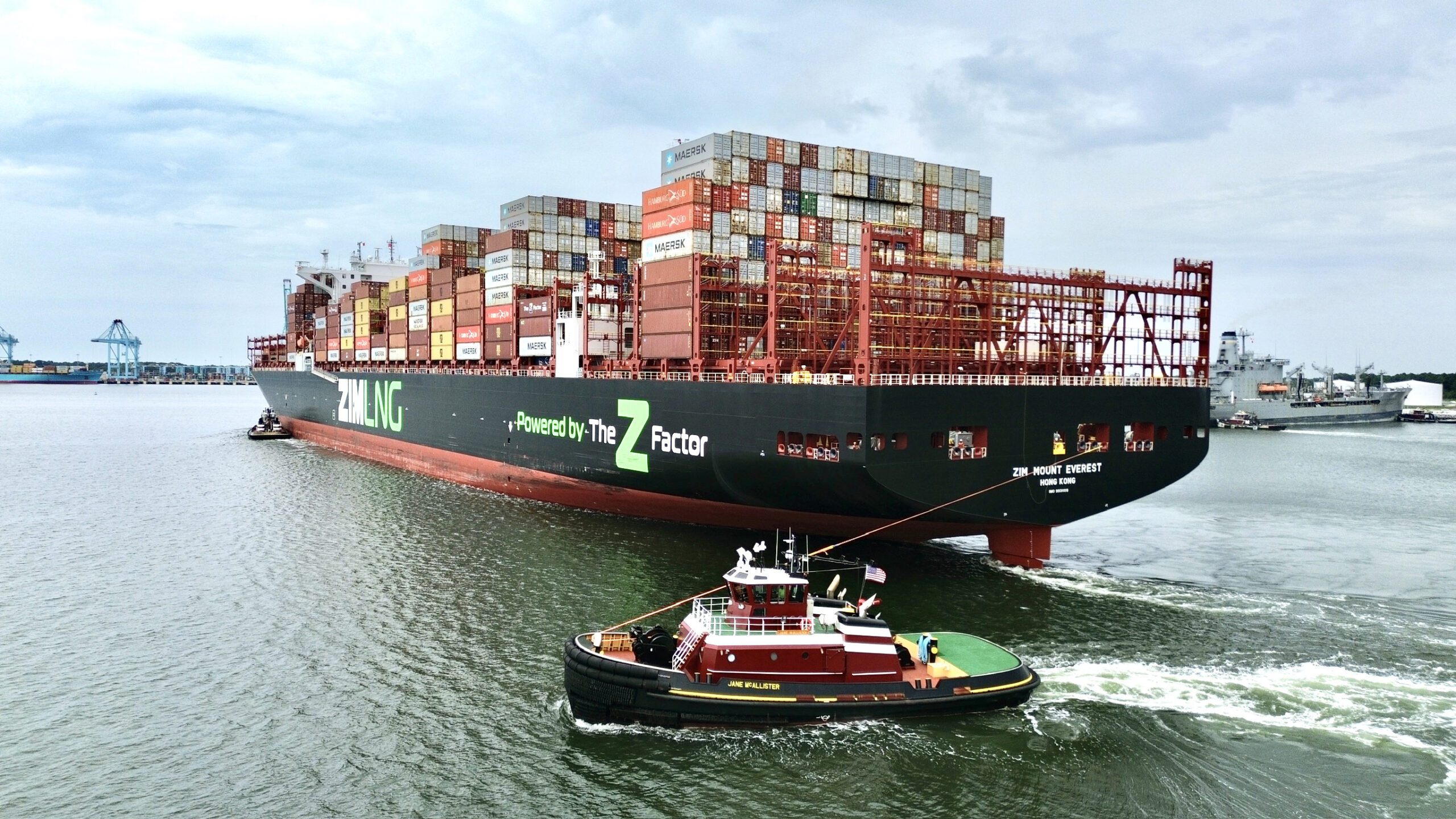
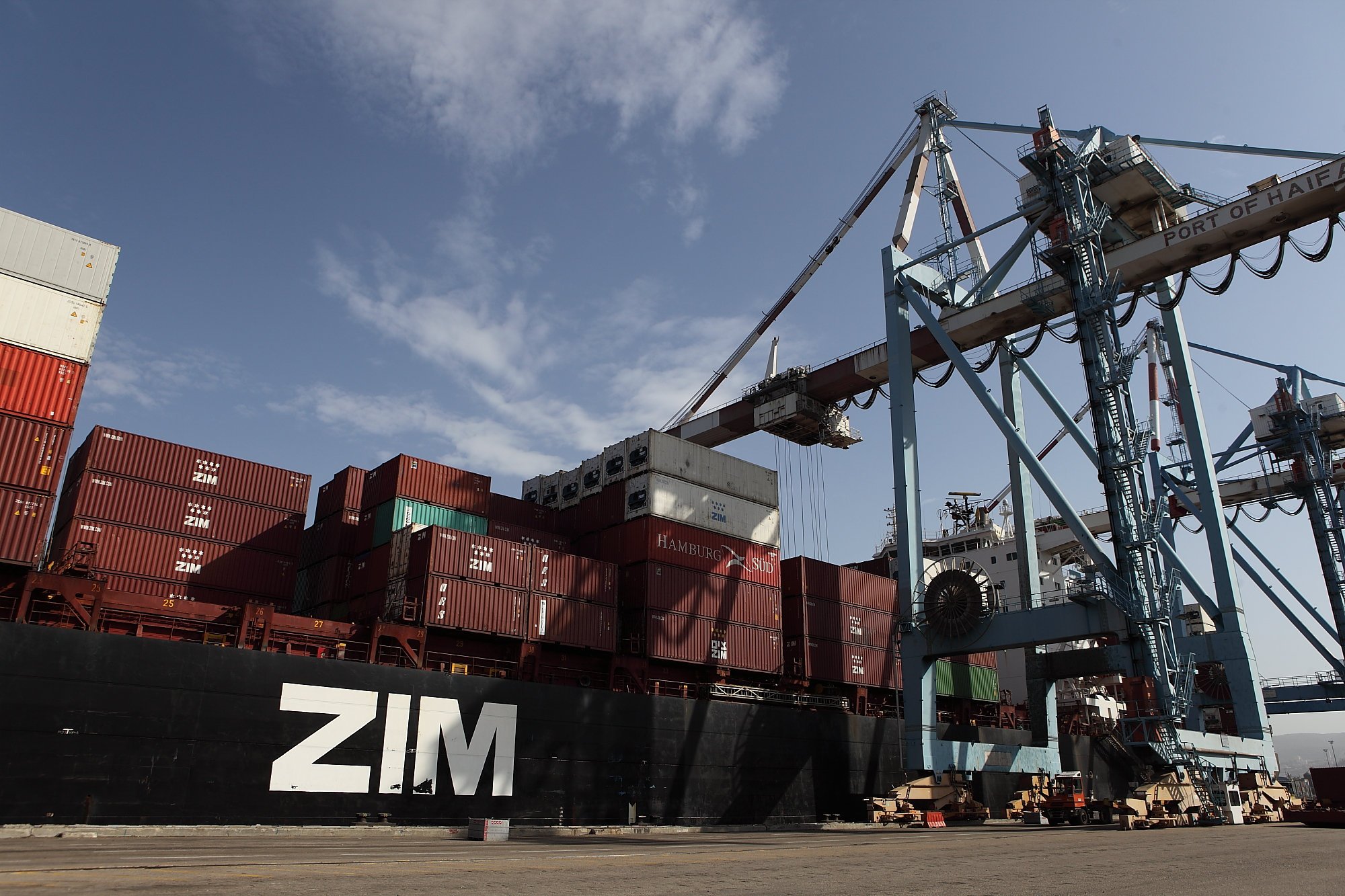
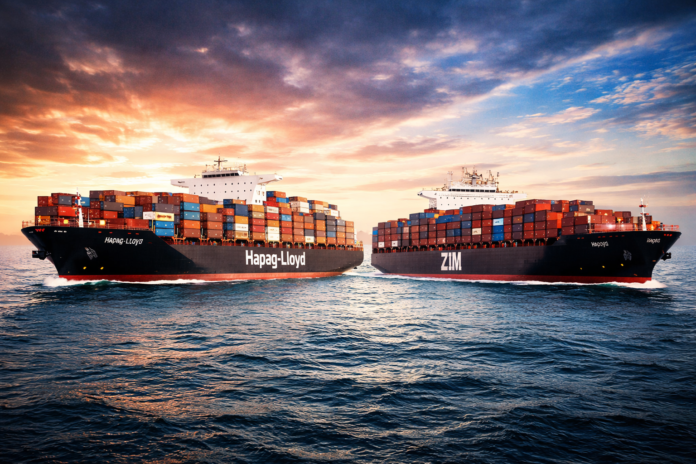
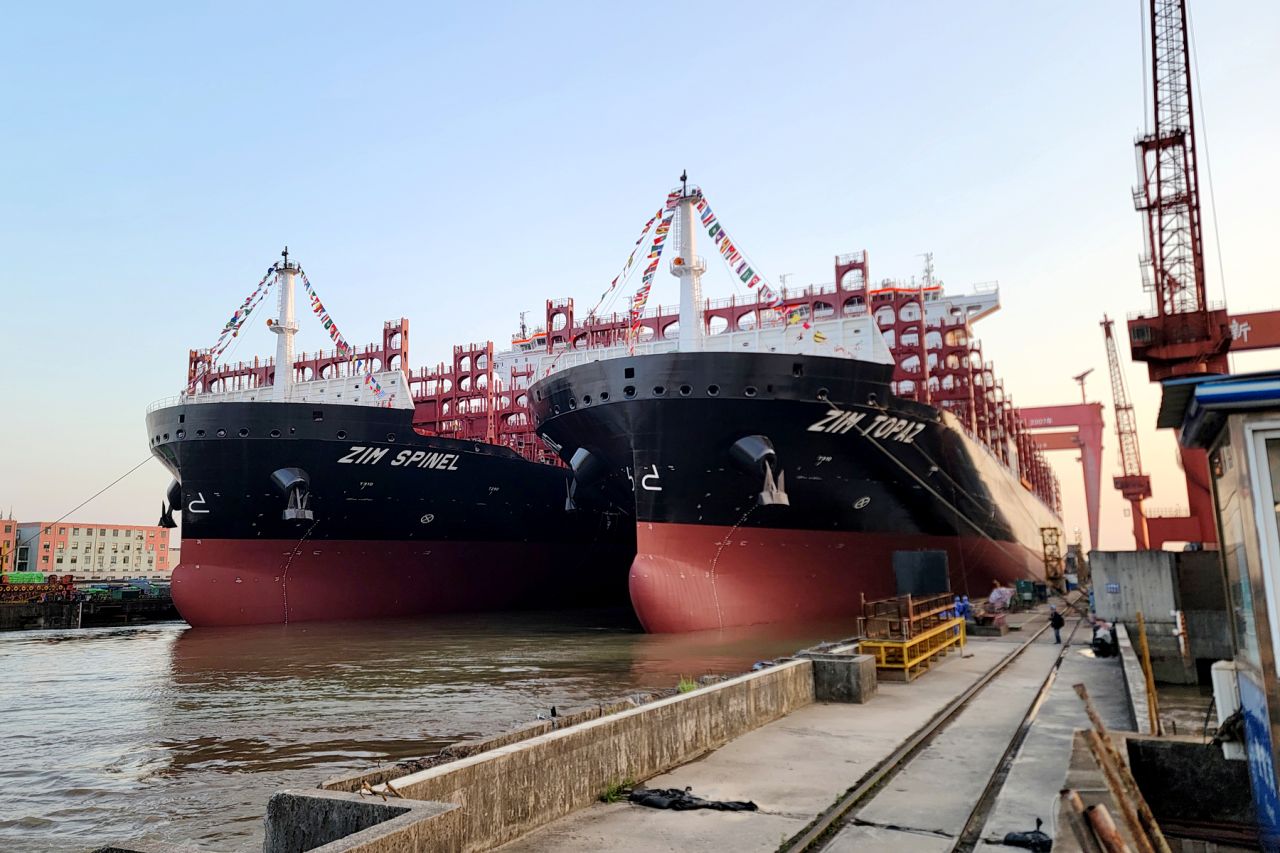
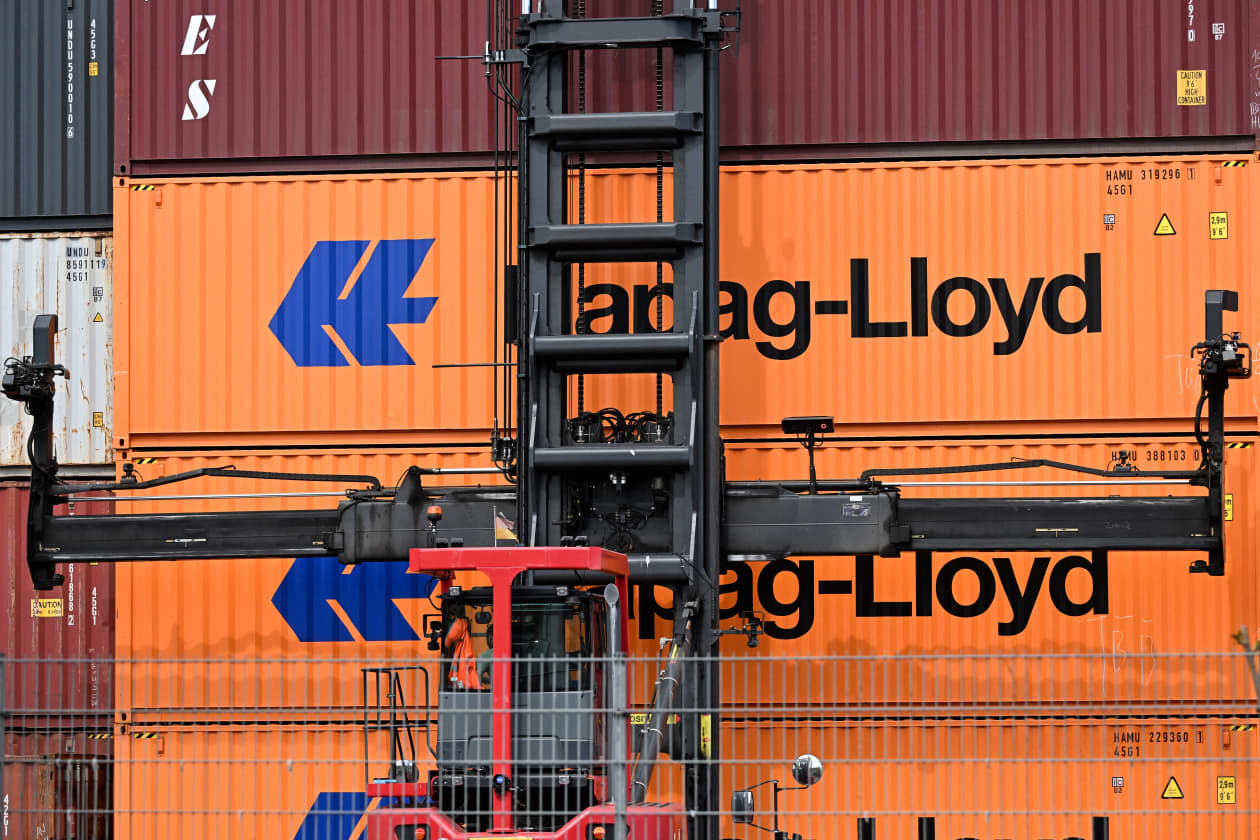
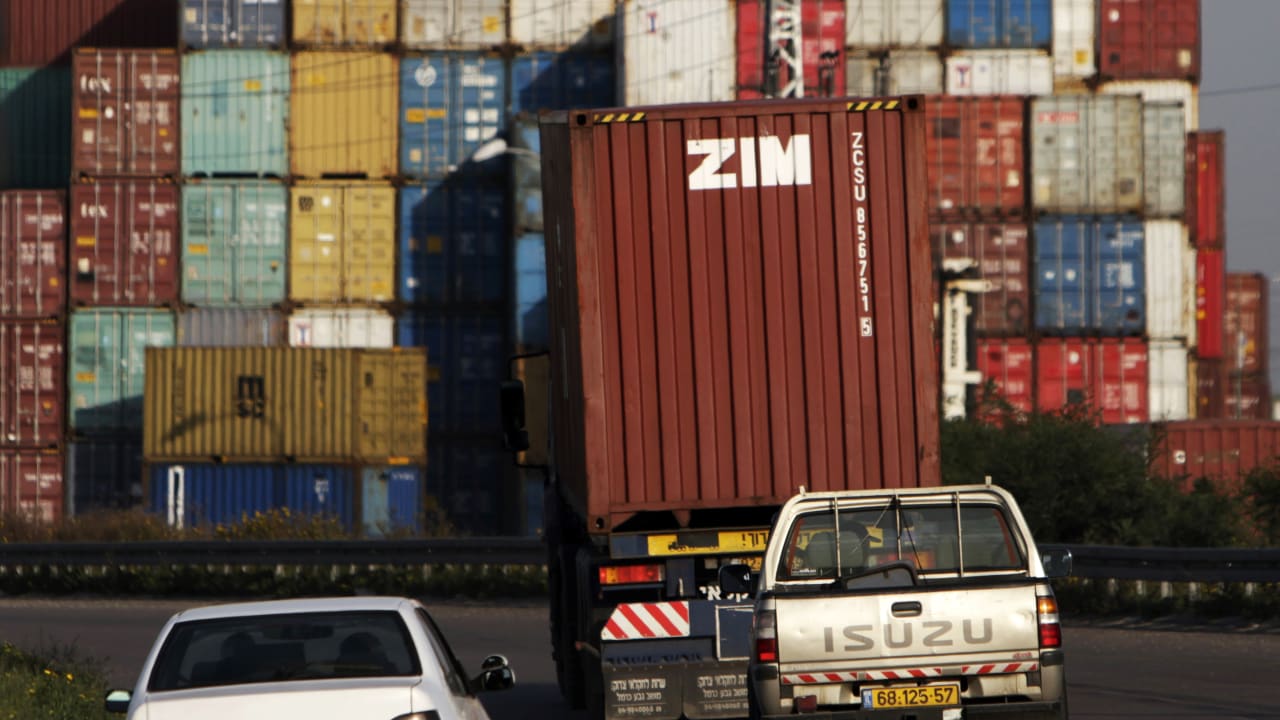
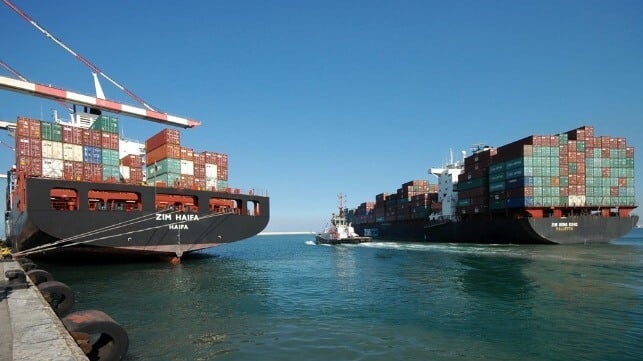
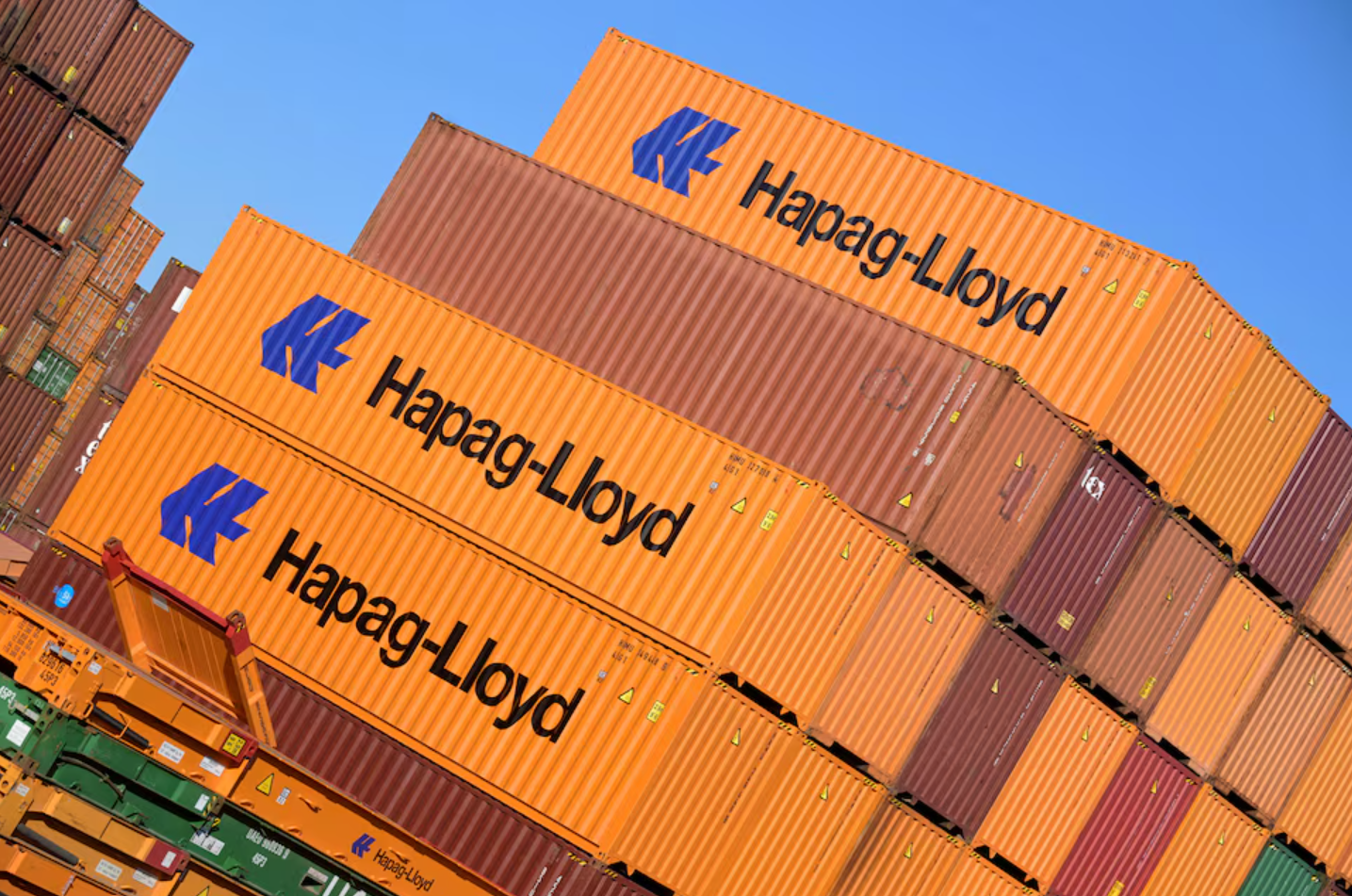
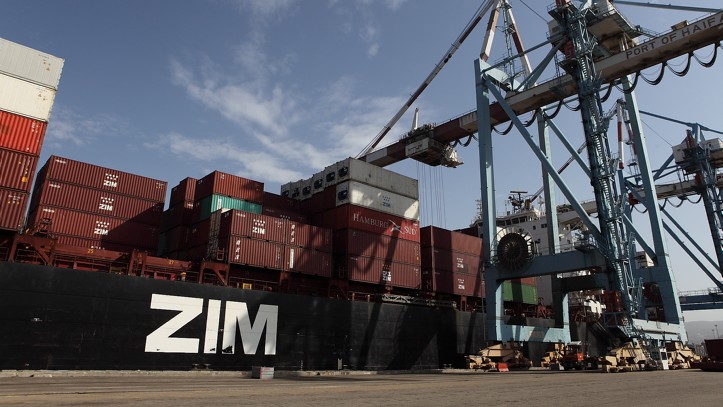
Hapag-Lloyd's $4.2 billion acquisition of Zim Integrated Shipping Services, announced February 15-16, 2026, represents a critical consolidation event reshaping global container shipping for cross-border e-commerce sellers. The deal combines the world's fifth-largest carrier (Hapag-Lloyd) with a major Israeli shipping line operating 99 chartered vessels across Asia-Europe, Asia-North America, and transatlantic routes—corridors handling an estimated 35-40% of international e-commerce shipments. The transaction structure involves Hapag-Lloyd acquiring Zim's international operations while Israeli private equity fund FIMI Opportunity Funds controls 16 Israeli-flagged domestic vessels, navigating Israel's "golden share" regulatory restrictions. The $4.2 billion valuation represents a 55% premium over Zim's $2.7 billion market capitalization and exceeds December 2025 valuations of $3 billion, signaling confidence in operational synergies.
For cross-border e-commerce sellers, this consolidation directly impacts ocean freight economics. Container shipping represents 15-25% of total logistics costs for overseas shipments, making carrier consolidation a material margin driver. The merger reduces competitive pressure on major trade lanes, historically leading to 3-8% rate increases post-integration as carriers optimize capacity allocation and eliminate redundant sailings. Sellers currently using Zim services face service continuity risks during the 12-18 month integration period, with potential rate adjustments and capacity reallocation affecting Asia-Europe and Asia-North America routes. Hapag-Lloyd's expanded network may improve service frequency and reduce transit times through route optimization, but pricing power concentration typically offsets these operational benefits. The deal's completion requires Israeli regulatory approval, with integration expected through Q3-Q4 2027, creating a critical window for sellers to lock in current rates and diversify carrier relationships.
Immediate logistics implications demand strategic action. Sellers relying on Zim for Mediterranean, Middle Eastern, and Asian routes should immediately audit carrier dependencies and negotiate multi-year contracts with alternative providers (Maersk, MSC, CMA CGM, COSCO) before rate increases materialize. Inventory positioning becomes critical: sellers should accelerate shipments on Zim services through Q2 2026 to avoid post-integration rate hikes, while simultaneously building 60-90 day safety stock in key fulfillment centers (US East Coast, EU ports, Asia-Pacific hubs) to buffer against service disruptions. The consolidation signals broader industry restructuring—Hapag-Lloyd's acquisition of Zim follows similar moves by Maersk and MSC, indicating sustained pricing power concentration. Sellers should evaluate alternative fulfillment models: air freight for high-margin categories (electronics, luxury goods) where speed justifies 3-4x cost premiums, regional sourcing to reduce shipping distances, and 3PL partnerships offering carrier diversification. The 12-18 month integration timeline provides a tactical window to optimize logistics networks before consolidated rates take effect.
问题 8
How does the Hapag-Lloyd-Zim deal compare to other shipping industry consolidations?
The $4.2 billion acquisition represents the largest shipping M&A since Maersk's 2017 acquisition of Seatrade ($4.3 billion). Hapag-Lloyd's acquisition of Zim follows similar consolidation patterns: MSC acquired Seatrade's Mediterranean operations, CMA CGM expanded through multiple acquisitions, and COSCO consolidated Chinese carriers. These deals consistently result in 3-8% rate increases on affected routes within 12-18 months post-integration. The Hapag-Lloyd-Zim deal is notable for its regulatory complexity (Israel's golden share provisions) and geopolitical considerations (Hapag-Lloyd's Saudi and Qatari shareholders), which may extend integration timelines. Sellers should expect similar rate pressure across major carriers as consolidation continues through 2026-2027.
What is the total landed cost impact of shipping consolidation for e-commerce sellers?
Container shipping represents 15-25% of total logistics costs for overseas shipments. A 5% rate increase from consolidation translates to 0.75-1.25% margin compression on final product pricing. For a seller shipping 10,000 units monthly at $500 average selling price, a 5% rate increase costs $37,500-62,500 monthly ($450K-750K annually). The impact varies by category: electronics (high volume, thin margins) face 2-3% margin compression, while luxury goods (lower volume, higher margins) absorb increases more easily. Sellers should model rate scenarios (3%, 5%, 8% increases) and adjust pricing, sourcing, or fulfillment strategies accordingly. The 12-18 month integration timeline provides a window to implement cost mitigation before consolidated rates take effect.