



Diabetes Care Revolution | 200M Patient Market Unlocks Healthcare Product Opportunities for Cross-Border Sellers
- Three breakthrough technologies (artificial pancreas implant, transdermal gel, pH-responsive polymer) target $25-300/vial insulin market affecting 200M+ patients globally, creating emerging opportunities in healthcare accessories, monitoring devices, and complementary wellness products for e-commerce sellers



概览
Three major diabetes treatment breakthroughs announced by Israeli researchers (Technion), international research teams, and Zhejiang University scientists represent a fundamental shift in how 200 million insulin-dependent patients manage their condition globally. The innovations include: (1) an autonomous artificial pancreas implant with "crystalline shield" immune protection technology developed through collaboration with Harvard, MIT, Johns Hopkins, and UMass; (2) a polymer-based transdermal gel delivering insulin through skin without needles, published in Nature; and (3) a pH-responsive polymer (OP) from Zhejiang University that normalizes blood glucose in animal models within one hour with 12-hour stability. Current insulin market dynamics show patients spend $25-$300 per vial in the US, requiring up to six vials monthly—representing substantial recurring healthcare spending that will shift as these technologies advance through clinical trials.
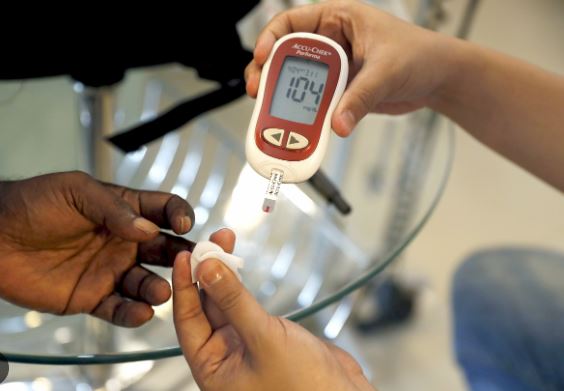
For cross-border e-commerce sellers, this represents a significant emerging market opportunity rather than operational disruption. The diabetes care market is transitioning from injection-dependent to alternative delivery methods, creating demand for complementary products across multiple categories. Sellers can capitalize on this shift through: (1) Healthcare accessories category expansion - glucose monitoring devices, carrying cases, temperature-controlled storage solutions, and application aids for transdermal gels; (2) Wellness product positioning - dietary supplements, blood sugar management tools, and lifestyle products targeting the 200M patient demographic; (3) Medical device accessories - protective cases, charging solutions, and maintenance kits for future implantable devices; (4) Educational content monetization - guides, videos, and resources for patients transitioning to new delivery methods.
The regulatory pathway extends 3-5 years minimum before commercialization, with FDA requiring extensive preclinical safety studies, Investigational New Drug filings, and human clinical trials. This timeline creates a first-mover advantage window for sellers to establish brand presence in emerging diabetes care categories before major pharmaceutical companies dominate the market. The polymer technology's adaptability to other protein-based medications (including semaglutide for weight loss) signals a broader healthcare delivery revolution affecting multiple chronic condition markets. Sellers should monitor clinical trial announcements, FDA regulatory filings, and patient advocacy group discussions to identify emerging product categories and consumer demand signals. The convergence of three independent breakthrough technologies suggests accelerated market adoption once human trials succeed, potentially creating 2-3 year surge in demand for complementary healthcare products across Amazon Health & Household, Walmart Health, and specialty health marketplaces.
问题 8
Which seller categories will see the most demand from diabetes care innovation?
Healthcare accessories and wellness products targeting diabetes management will see highest demand growth. Amazon Health & Household, glucose monitoring devices, and blood sugar management supplements represent the fastest-growing categories. The polymer technology's adaptability to other protein-based medications (including semaglutide for weight loss) signals broader healthcare delivery revolution affecting multiple chronic condition markets. Sellers should prioritize establishing presence in these categories now, as clinical trial success could trigger 2-3 year surge in complementary product demand across Amazon, Walmart Health, and specialty health marketplaces.
What regulatory considerations should sellers understand for diabetes care products?
Sellers must distinguish between FDA-regulated medical devices and over-the-counter wellness products. Glucose monitors, carrying cases, and storage solutions fall under different regulatory categories than the pharmaceutical innovations themselves. Healthcare product sellers on Amazon must comply with Health & Household category requirements, including proper product claims, certifications, and documentation. Sellers should monitor FDA clinical trial announcements and regulatory filings to identify emerging product categories and understand which complementary products will be approved for sale alongside new diabetes technologies.