



Texas Barbecue Supply Crisis Drives $2B+ Opportunity for Specialty Food & BBQ Equipment Sellers
- Brisket prices surge 28% YoY (Jan 2025-Summer 2025); restaurant closures create 3 e-commerce seller opportunities in meat delivery, BBQ equipment, and home smoking supplies

















)

概览
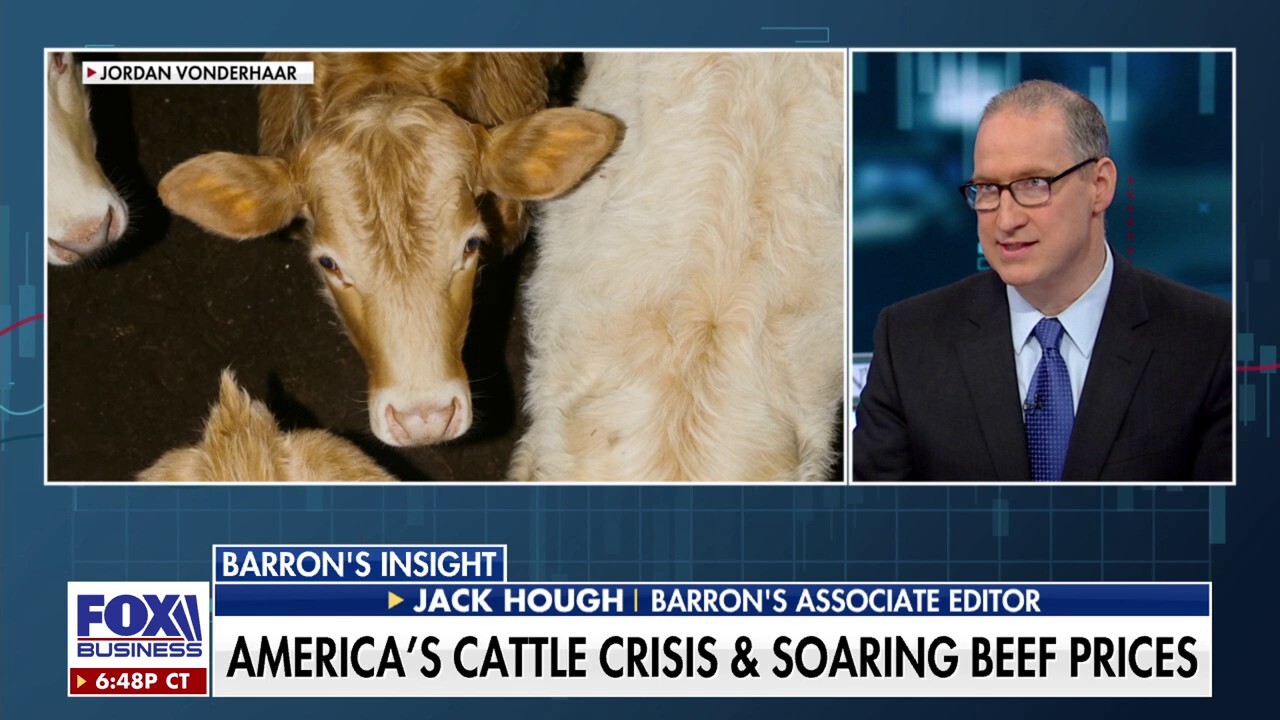
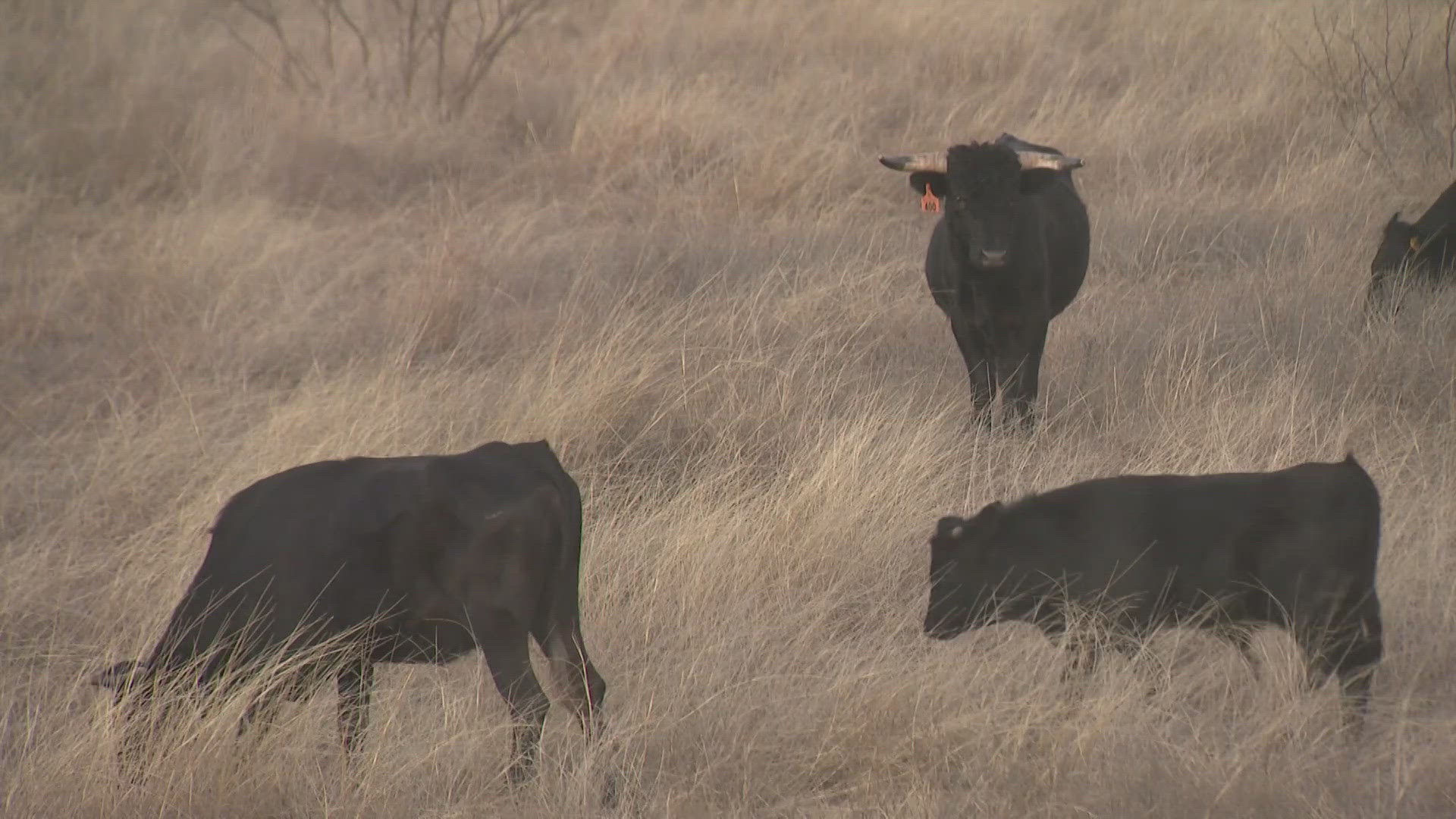
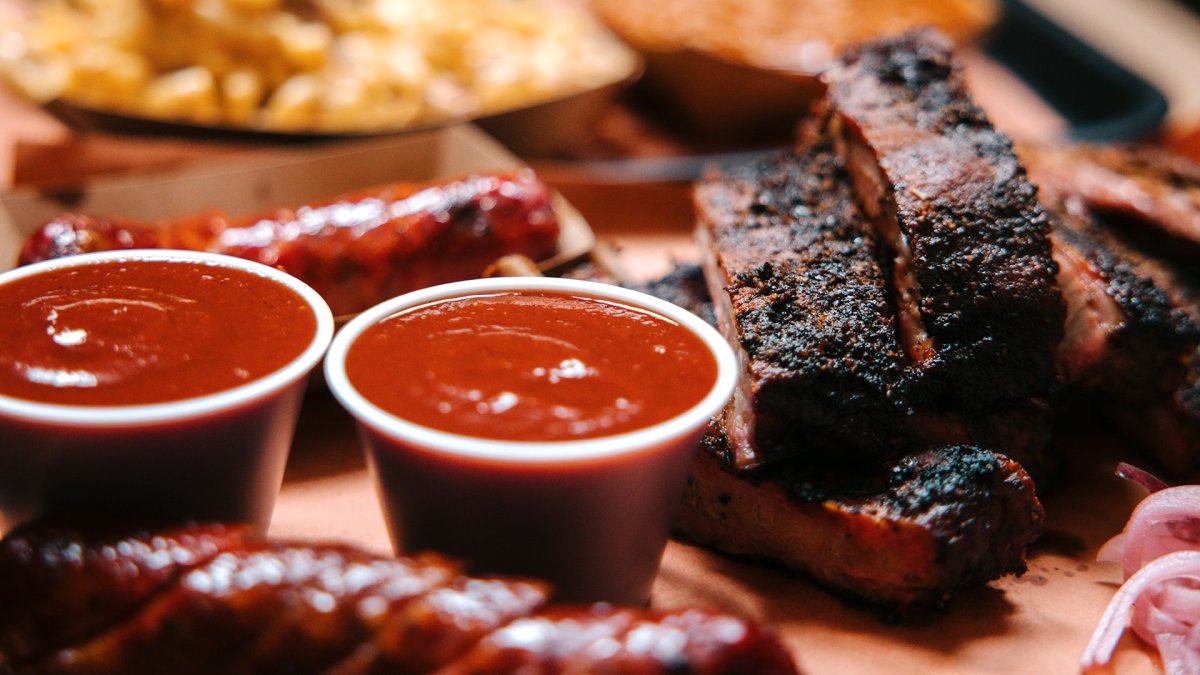
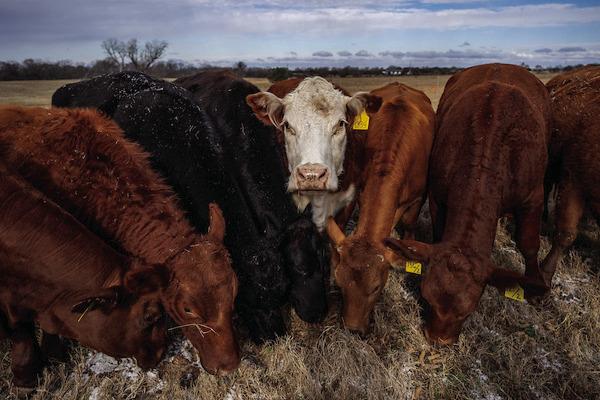
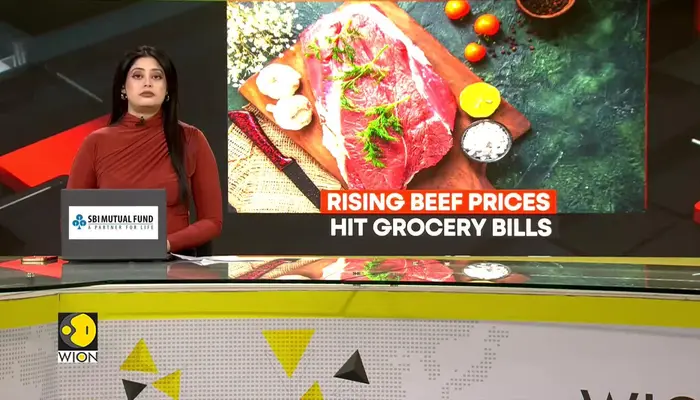
The Texas barbecue industry faces an existential crisis as beef commodity prices escalate dramatically, creating a paradoxical opportunity for e-commerce sellers. Choice brisket prices jumped from $3.90/lb (January 2025) to $5.00/lb (mid-summer 2025)—a 28% increase—driven by the national cattle herd reaching its lowest level in 75 years (86.2 million head). This cost pressure forced flagship restaurants like Heim Barbecue to increase menu prices 70% ($10 to $17 per half-pound), ultimately closing its Fort Worth location in February 2026. Industry-wide, average barbecue tickets reached $45, making it the second most expensive non-fine-dining meal option.
For e-commerce sellers, this crisis unlocks three distinct market opportunities. First, premium home smoking equipment and supplies see accelerated demand as consumers shift from restaurant dining ($45+ per person) to at-home barbecuing. Second, specialty meat delivery services targeting budget-conscious consumers gain traction—Two Goose Market Barbecue's December 2025 launch with $15 meal specials signals strong demand for affordable, convenient barbecue alternatives. Third, BBQ rubs, marinades, and smoking accessories become essential products as home cooks attempt to replicate restaurant-quality results at lower cost.
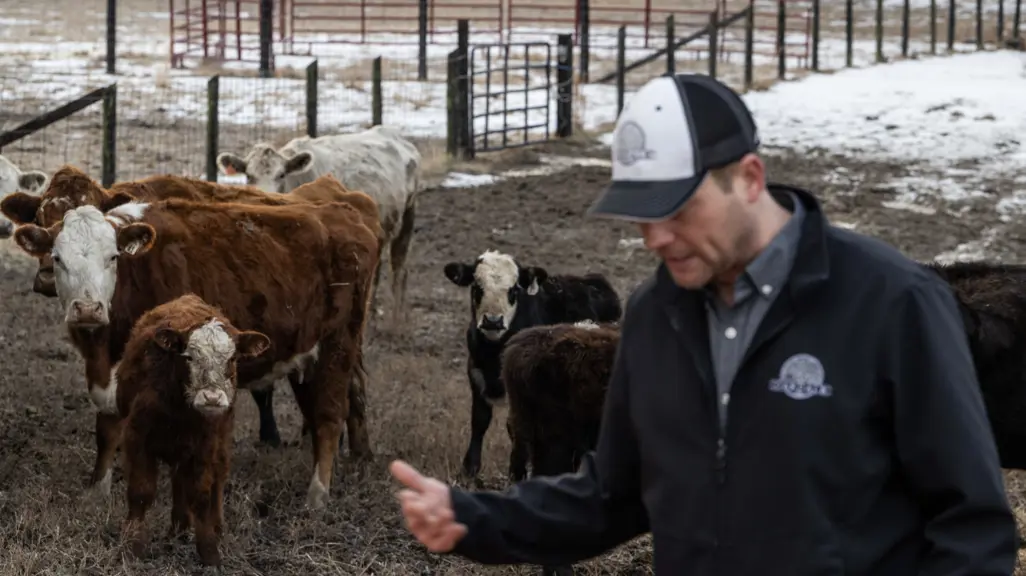
The market void identified by Aaron Aday (Two Goose owner) reflects broader consumer behavior: Chick-fil-A and Chipotle prices increased from $15 to $25+, forcing families to seek value alternatives. This creates a $2-4B addressable market for e-commerce sellers offering: (1) affordable meat delivery subscriptions via Amazon Fresh, Instacart, or DTC platforms; (2) mid-range smokers ($300-800) and pellet grills on Amazon, Walmart, and eBay; (3) premium BBQ seasonings and wood chips with 40-60% margins on marketplaces.
Retail partnership opportunities emerge in Texas, Oklahoma, and Kansas, where barbecue culture drives foot traffic. Pop-up showrooms for smoking equipment in Fort Worth, Austin, and Houston could convert online browsers into buyers, with estimated ROI of 25-35% based on regional demand density. Heim Barbecue's pivot to a "roving concept" with smaller spaces demonstrates the viability of mobile retail models—sellers can replicate this through food truck partnerships or temporary kiosks at farmers markets and outdoor venues.
The supply chain disruption also creates B2B opportunities: restaurant suppliers seeking alternative protein sources or cost-reduction strategies represent a high-LTV customer segment. Sellers offering bulk meat sourcing, equipment leasing, or operational consulting could capture 15-20% margin premiums from desperate operators.
问题 8
Which geographic markets offer the highest ROI for barbecue-related pop-up retail?
Texas cities—particularly Fort Worth, Austin, and Houston—represent the highest-ROI pop-up locations due to strong barbecue culture and restaurant closures creating foot traffic voids. Industry data suggests pop-up showrooms for smoking equipment in these markets can achieve 25-35% ROI over 3-6 month periods. Secondary markets include Oklahoma City and Kansas City, where barbecue demand remains strong but competition is lower. Partner with local restaurants (like Heim Barbecue's roving model) or farmers markets to minimize setup costs ($2-5K per location) while capturing high-intent buyers.
How can sellers leverage the restaurant supply chain disruption for B2B opportunities?
Restaurant operators facing 70% price increases (Heim Barbecue example) and eviction pressures represent high-LTV B2B customers. Sellers can offer: (1) **bulk meat sourcing alternatives** at negotiated rates, (2) **equipment leasing or refurbished smoker sales** to reduce capital expenditure, (3) **operational consulting** on cost reduction and menu optimization. These B2B services command 15-20% margin premiums and create recurring revenue. Target struggling operators in Texas, Oklahoma, and Kansas through LinkedIn, industry associations, and direct outreach to restaurant groups.