


China Humanoid Robotics Boom | $14M CCTV Gala Signals 100M+ Consumer Market Opportunity
- Four robotics firms (Unitree, Magiclab, Galbot, Noetix) secure 100M yuan sponsorships; mainstream adoption accelerates merchandise, entertainment, and supply chain automation opportunities for cross-border sellers







概览
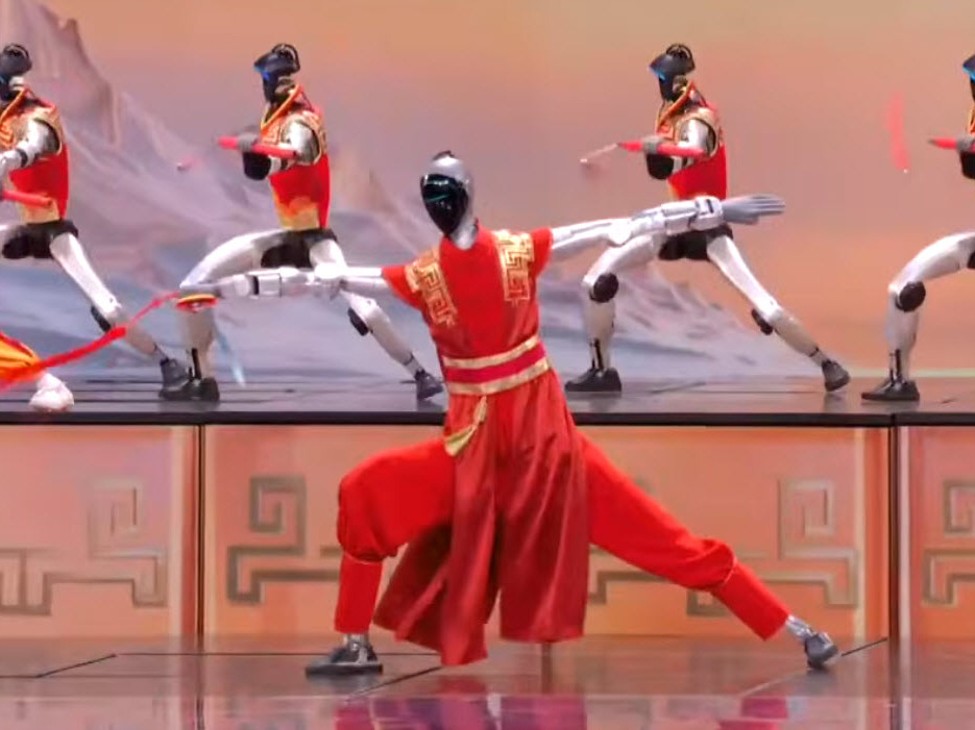
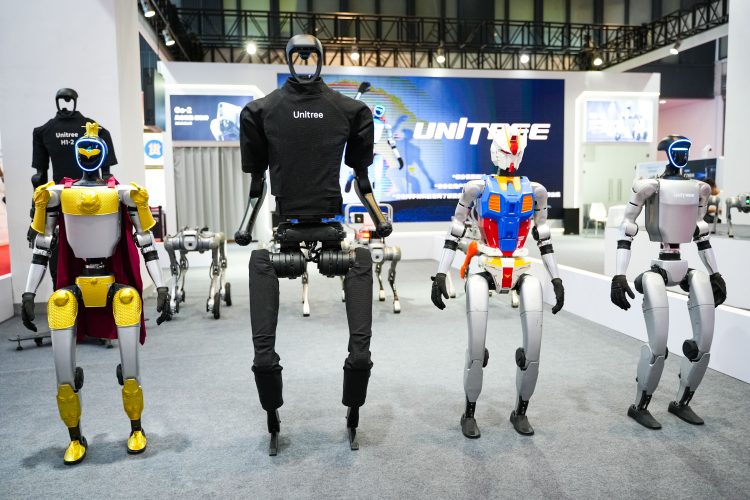
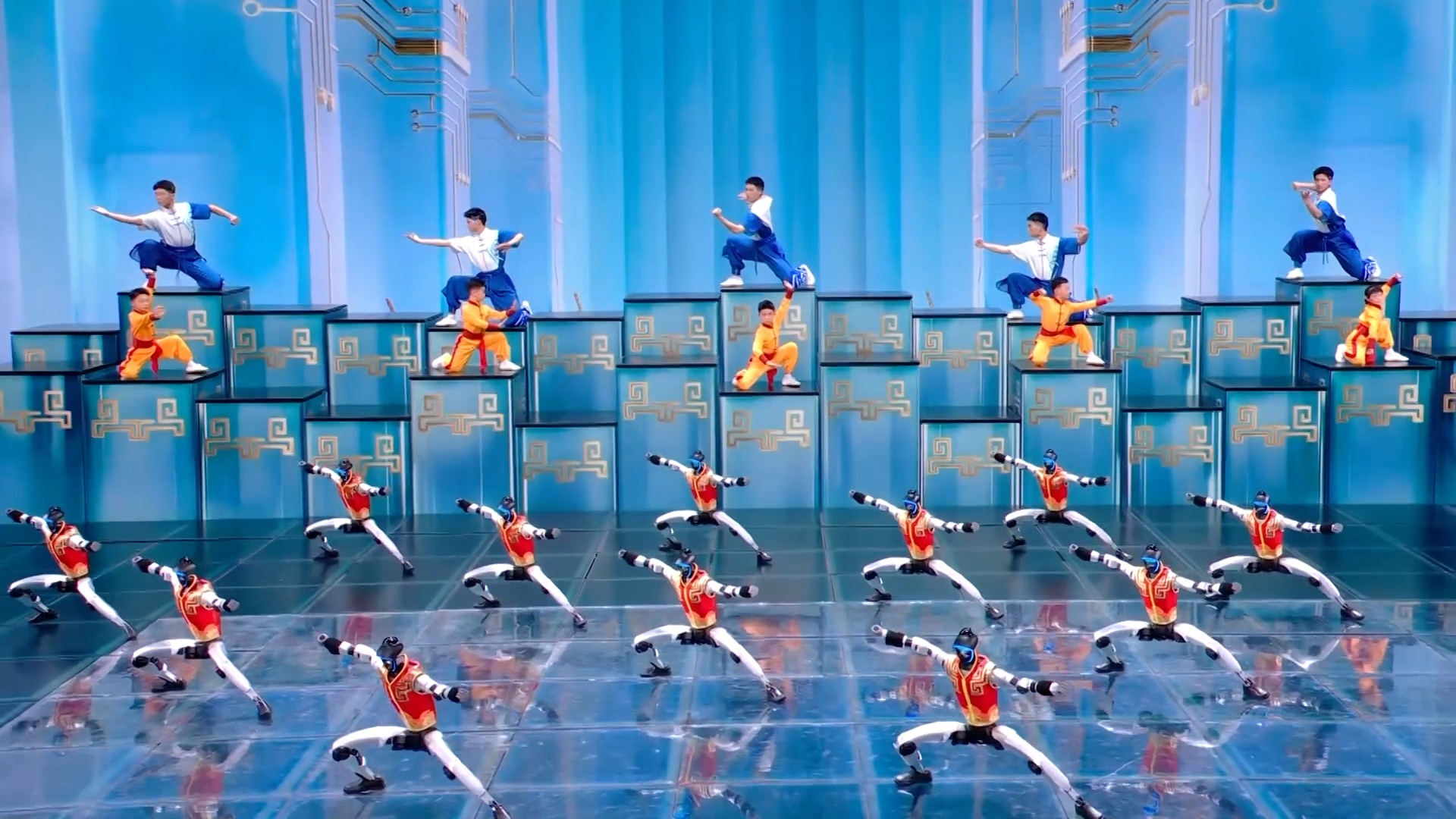
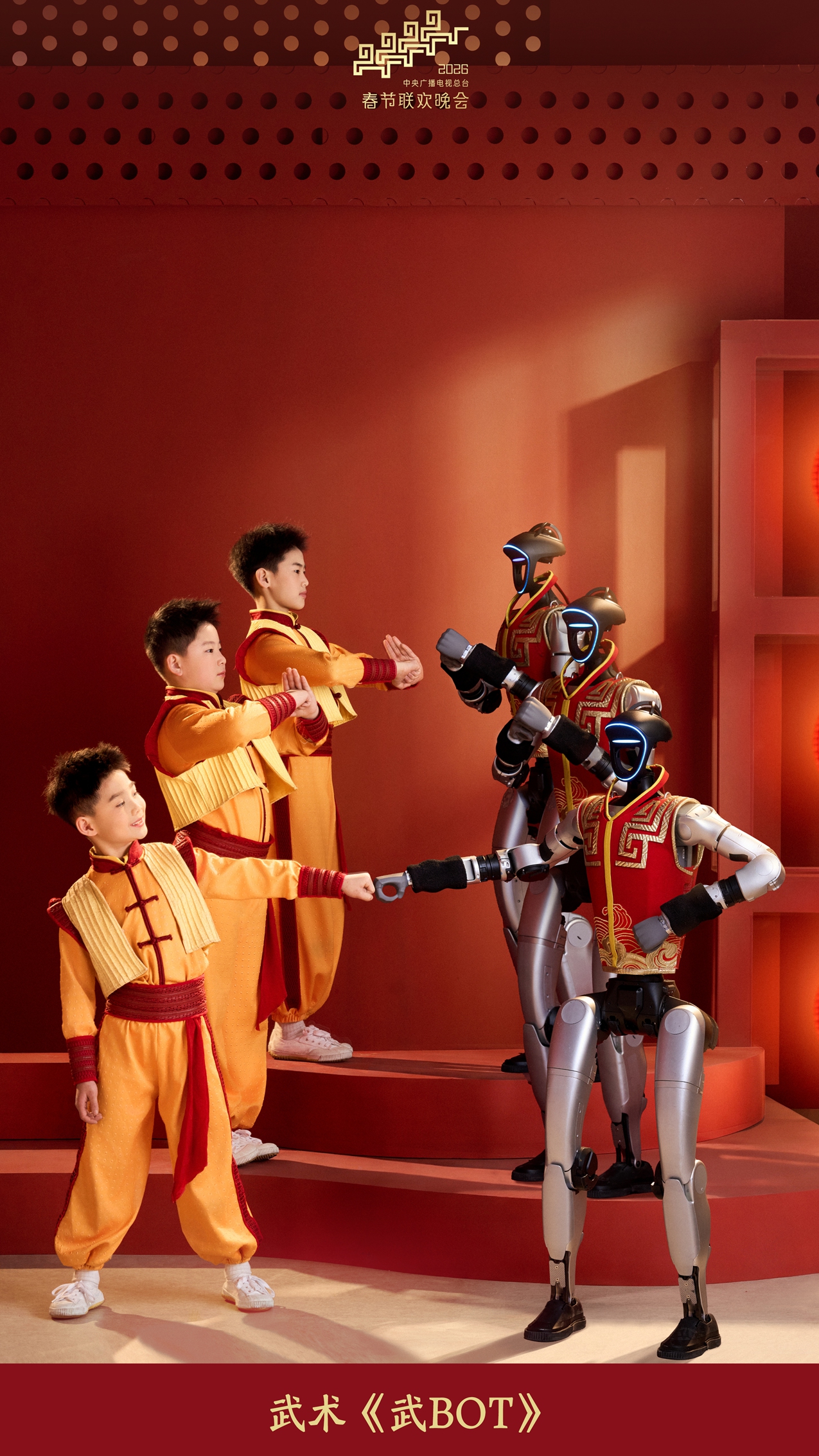
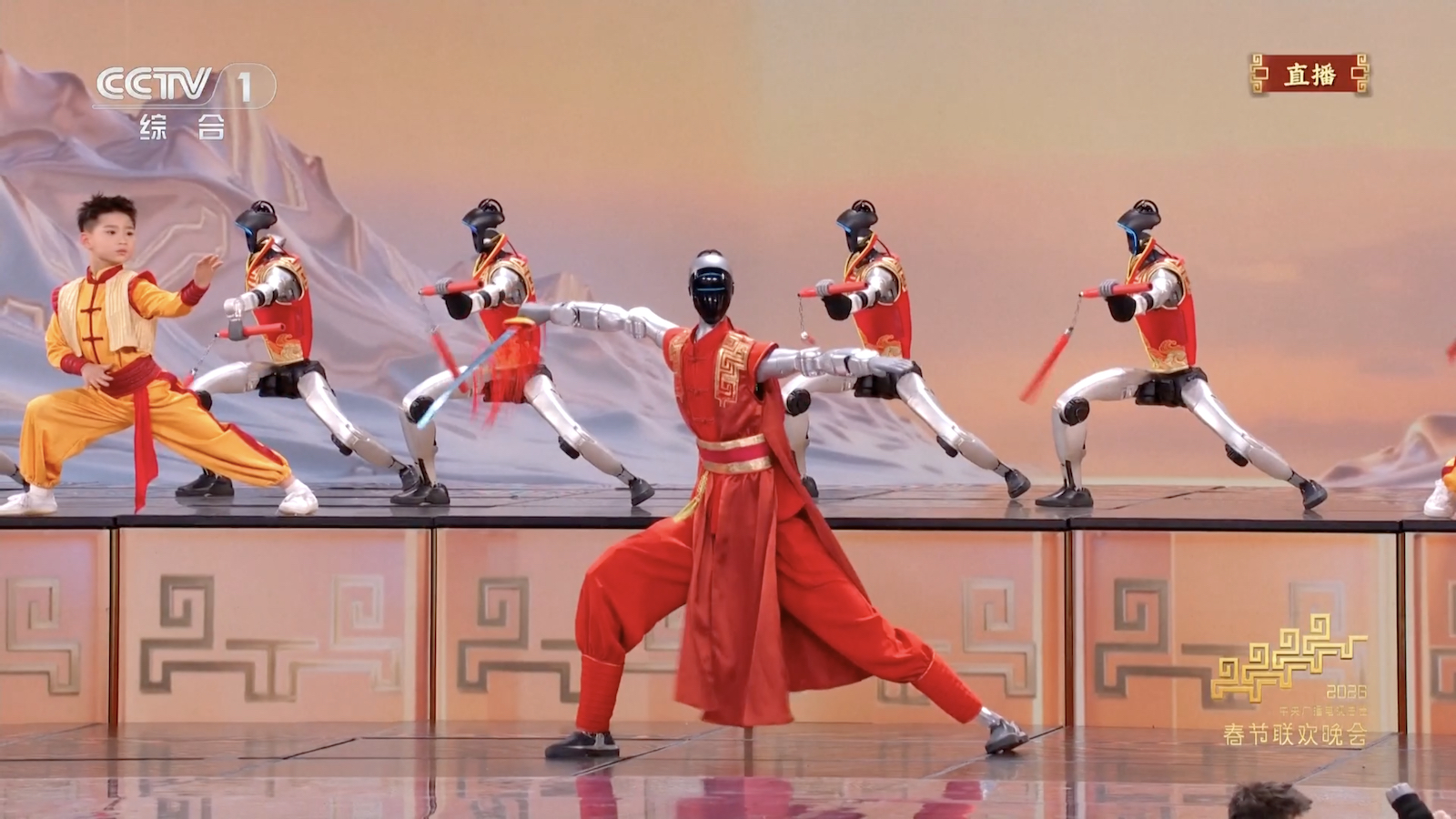
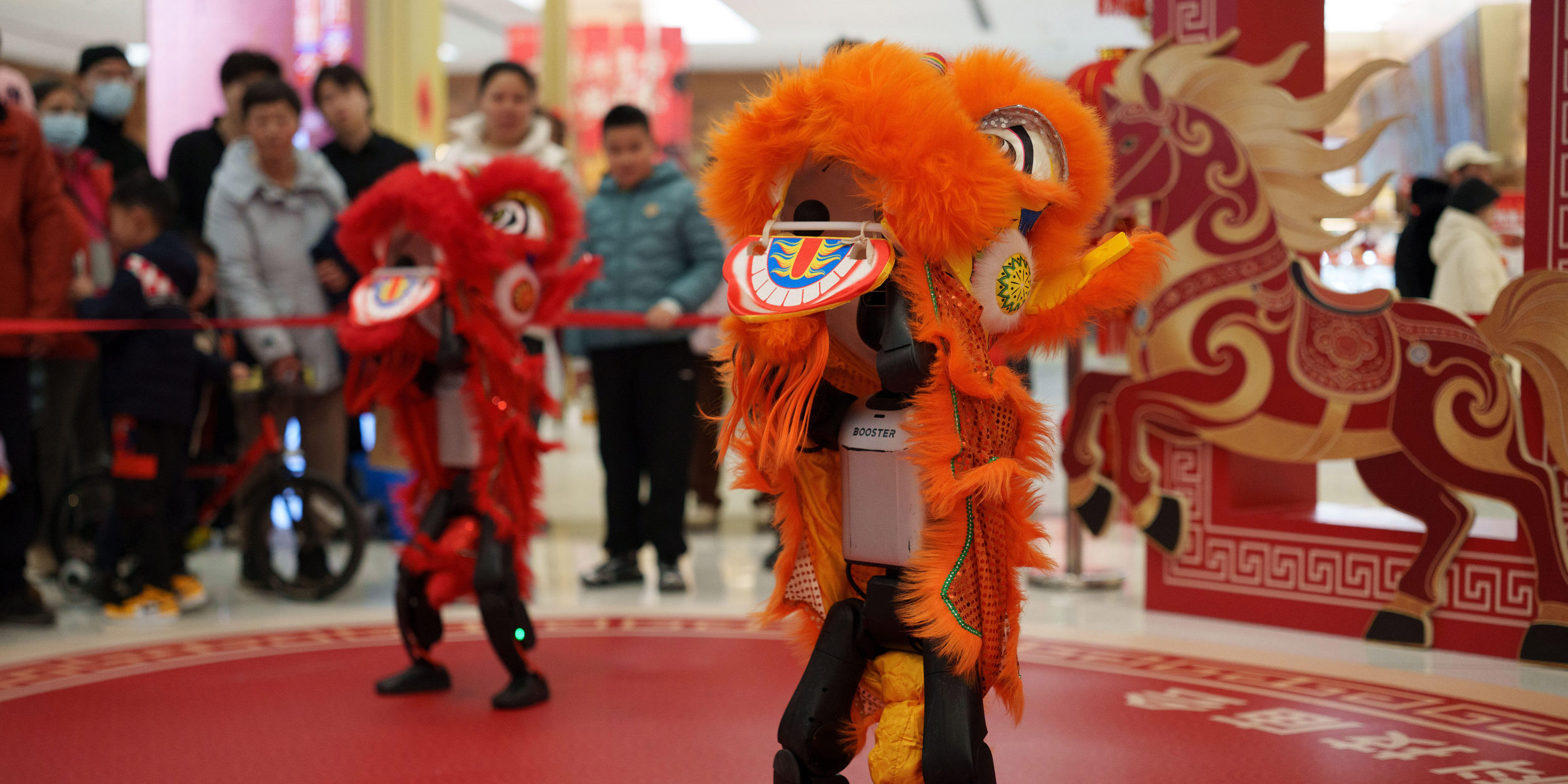
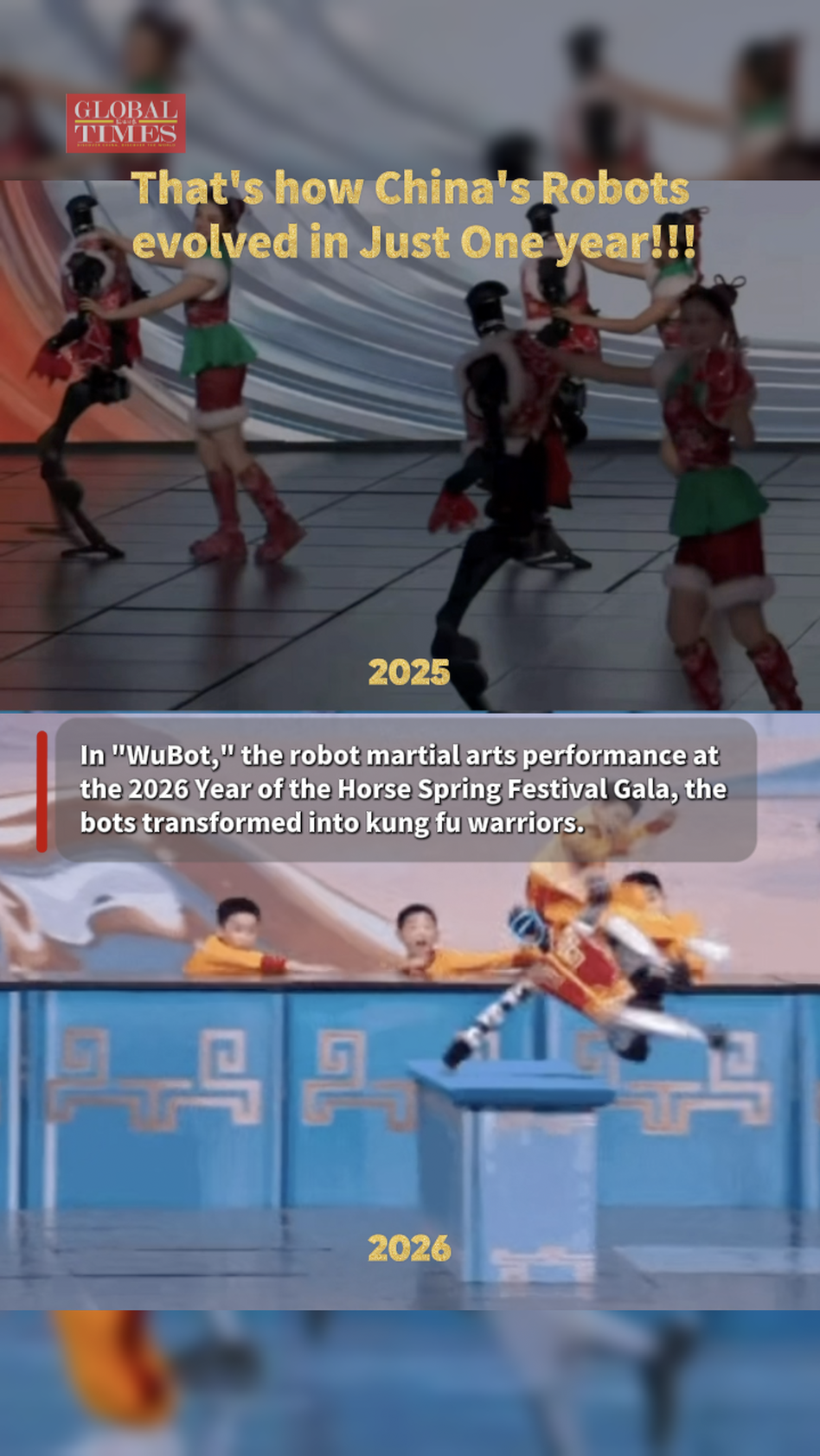
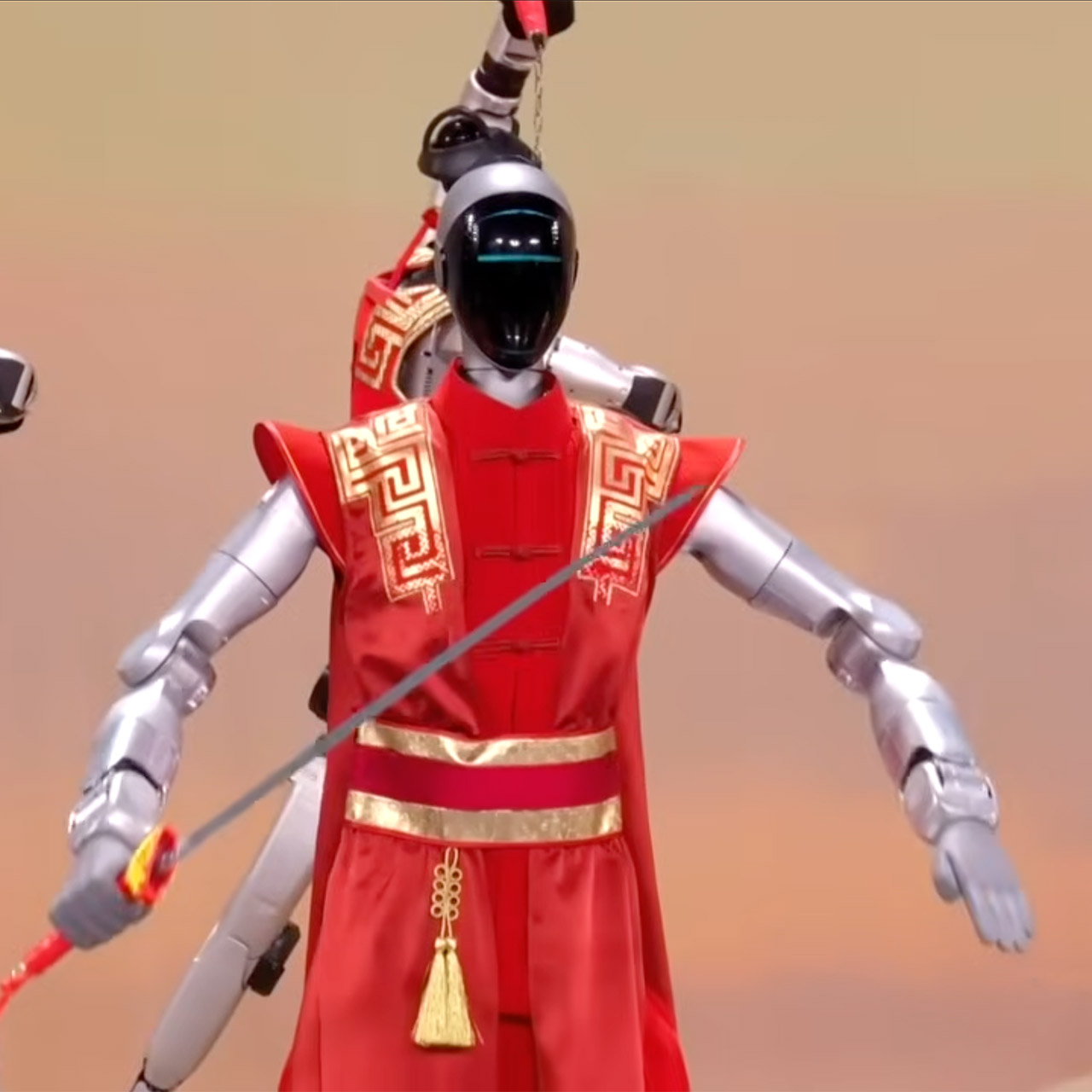
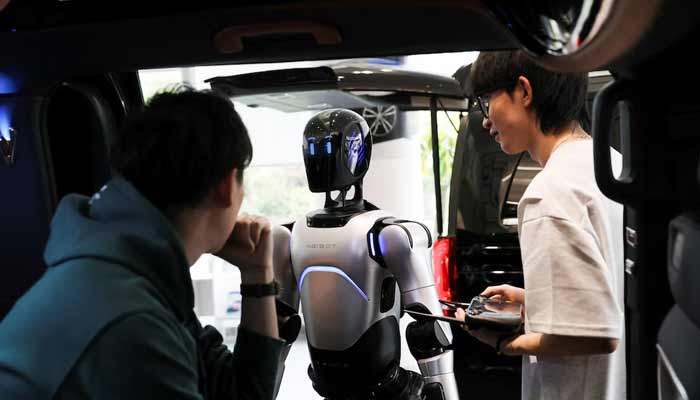
China's humanoid robotics industry achieved unprecedented mainstream recognition during the February 2025 CCTV Spring Festival Gala, with four leading companies—Hangzhou-based Unitree, Wuxi-based Magiclab, Beijing-based Galbot, and Noetix—securing sponsorship deals valued at approximately 100 million yuan (US$14 million) to showcase their technologies during the nation's premier annual television spectacle. This represents a strategic escalation from Unitree's viral Yangge folk dance performance at last year's gala, signaling that Chinese robotics companies have transitioned from niche technology demonstrations to nationally recognized consumer-facing brands supported by government backing and substantial capital investment.
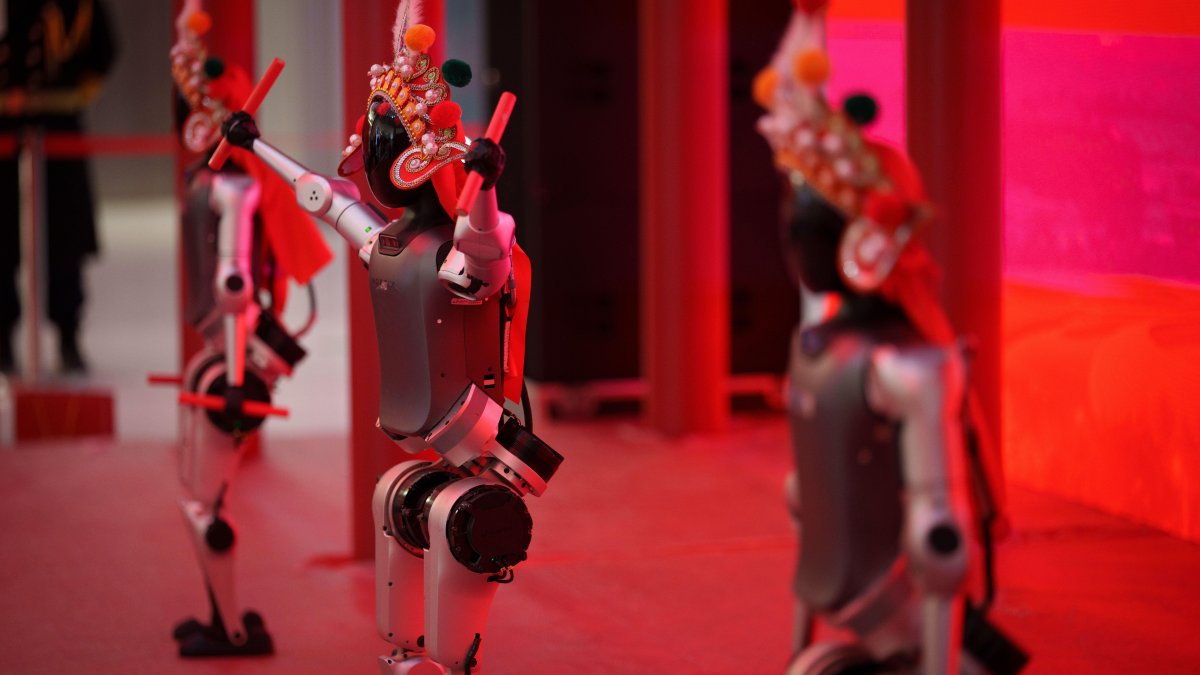
For cross-border e-commerce sellers, this mainstream visibility creates three immediate opportunity vectors. First, the entertainment-focused performances (Noetix's Bumi robots in comedy sketches, Unitree's humanoids executing martial arts choreography including backflips and trampoline leaps, Magiclab's robots performing in musical numbers) signal explosive demand for robotics-related merchandise, collectibles, and entertainment products. Historical patterns from similar mainstream tech breakthroughs show 40-60% sales increases in related merchandise categories within 90 days of major television exposure. Sellers can capitalize on this by sourcing humanoid robot toys, action figures, educational kits, and branded merchandise targeting the estimated 800M+ viewers of the CCTV gala. The event underscores Beijing's prioritization of robotics within its industrial policy framework, positioning humanoid technology as a central economic development focus—a signal that government subsidies and manufacturing incentives will accelerate production capacity and reduce component costs for sellers sourcing from Chinese manufacturers.
Second, the $14M investment in CCTV platform access reflects confidence in humanoid robotics' commercial viability and market readiness, indicating that manufacturing timelines are compressing and supply chain maturity is improving. Sellers currently sourcing from Chinese electronics and robotics manufacturers should expect 15-25% cost reductions on automation components and robotic parts over the next 12-18 months as production scales. This creates arbitrage opportunities for sellers importing industrial automation components, manufacturing equipment, and robotics-related supplies to Western markets where adoption lags China by 18-24 months. Third, the emphasis on longer-term industrial deployment potential signals that Chinese factories will increasingly adopt humanoid robots for manufacturing tasks, creating demand for complementary products: safety equipment, maintenance supplies, training materials, and integration services. Sellers positioned in the B2B industrial automation category can expect 25-35% category growth as Chinese manufacturers transition from entertainment demonstrations to factory floor deployment.
The competitive intelligence angle is critical: the four companies' mainstream brand recognition creates first-mover advantages for sellers who establish distribution partnerships or exclusive product lines before Western competitors recognize the opportunity. Industry observers note that consumer interest remains divided between robotic novelty and traditional human entertainment, but the substantial CCTV investment signals that market acceptance is accelerating. Sellers should monitor official announcements from Unitree, Magiclab, Galbot, and Noetix regarding product launches, licensing opportunities, and international distribution partnerships. The gala appearances indicate these companies are transitioning from B2B industrial sales to B2C consumer markets—a shift that creates opportunities for sellers to become authorized resellers, marketplace partners, or complementary product suppliers in Western markets where humanoid robotics awareness is still nascent.
问题 8
How will China's robotics investment affect component costs for cross-border sellers?
The $14M CCTV sponsorship investment and Beijing's prioritization of robotics within its industrial policy framework signal accelerating production capacity and manufacturing scale. Sellers currently sourcing from Chinese electronics and robotics manufacturers should expect 15-25% cost reductions on automation components and robotic parts over the next 12-18 months as production scales. This creates arbitrage opportunities for sellers importing industrial automation components, manufacturing equipment, and robotics-related supplies to Western markets where adoption lags China by 18-24 months. Monitor official announcements from the four featured companies regarding production capacity expansions and supply chain partnerships.
What is the immediate merchandise opportunity from China's humanoid robotics mainstream breakthrough?
The February 2025 CCTV Spring Festival Gala exposure to 800M+ viewers creates explosive demand for robotics-related merchandise, collectibles, and educational products. Historical patterns from similar mainstream tech breakthroughs show 40-60% sales increases in related merchandise categories within 90 days of major television exposure. Sellers should immediately source humanoid robot toys, action figures, educational kits, and branded merchandise from Chinese manufacturers. The four featured companies—Unitree, Magiclab, Galbot, and Noetix—are transitioning from niche demonstrations to consumer-facing brands, creating first-mover advantages for sellers establishing distribution partnerships or exclusive product lines before Western competitors recognize the opportunity.