



Russia Sanctions Collapse Reshapes Global Energy Trade | Seller Sourcing Opportunities in India & Alternative Markets
- Russian oil exports plummet 26% (3.8M to 2.8M bpd Feb 2025); India halts purchases; creates $50B+ supply chain reallocation for energy-dependent sellers and logistics providers


)




)




概览
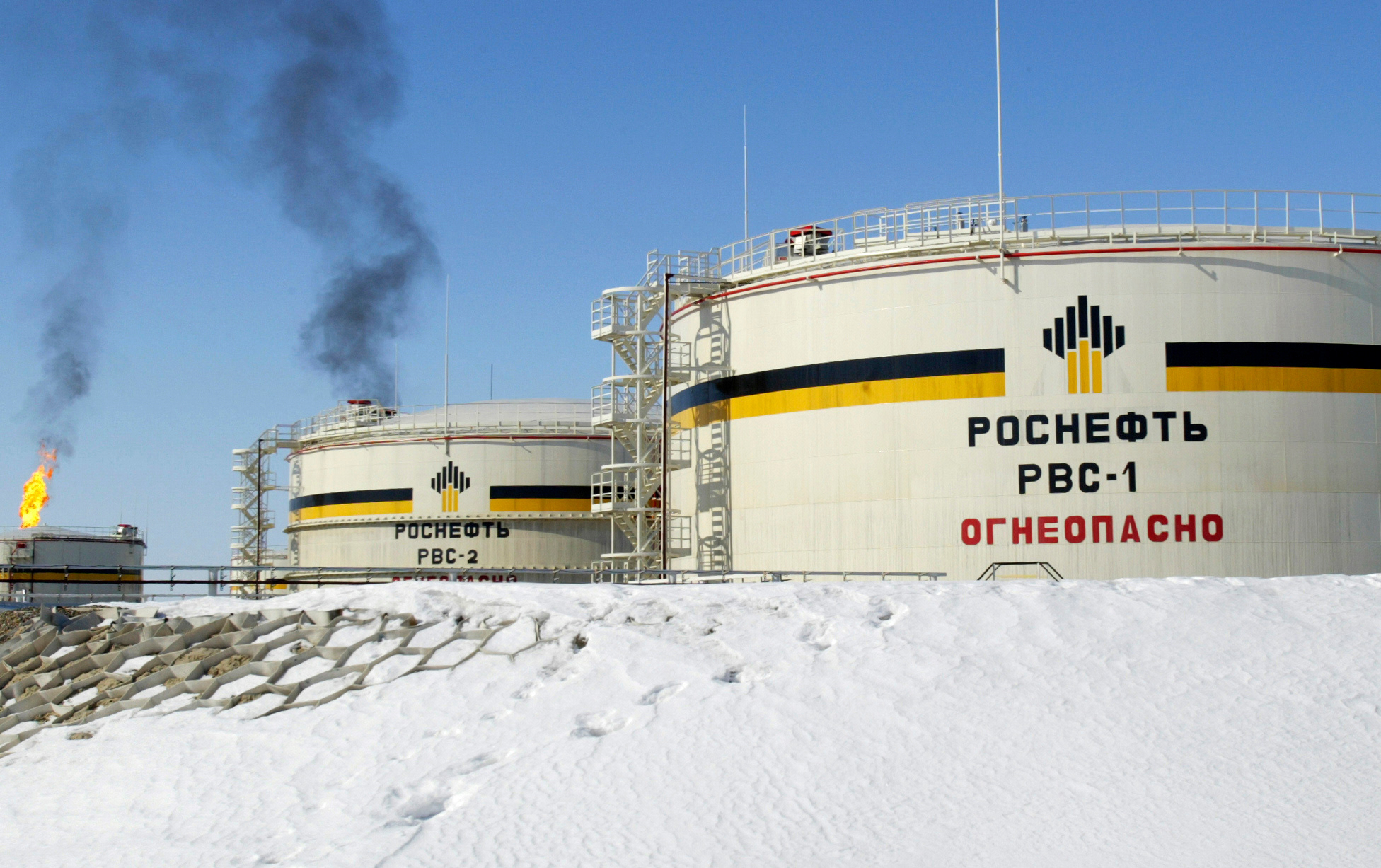
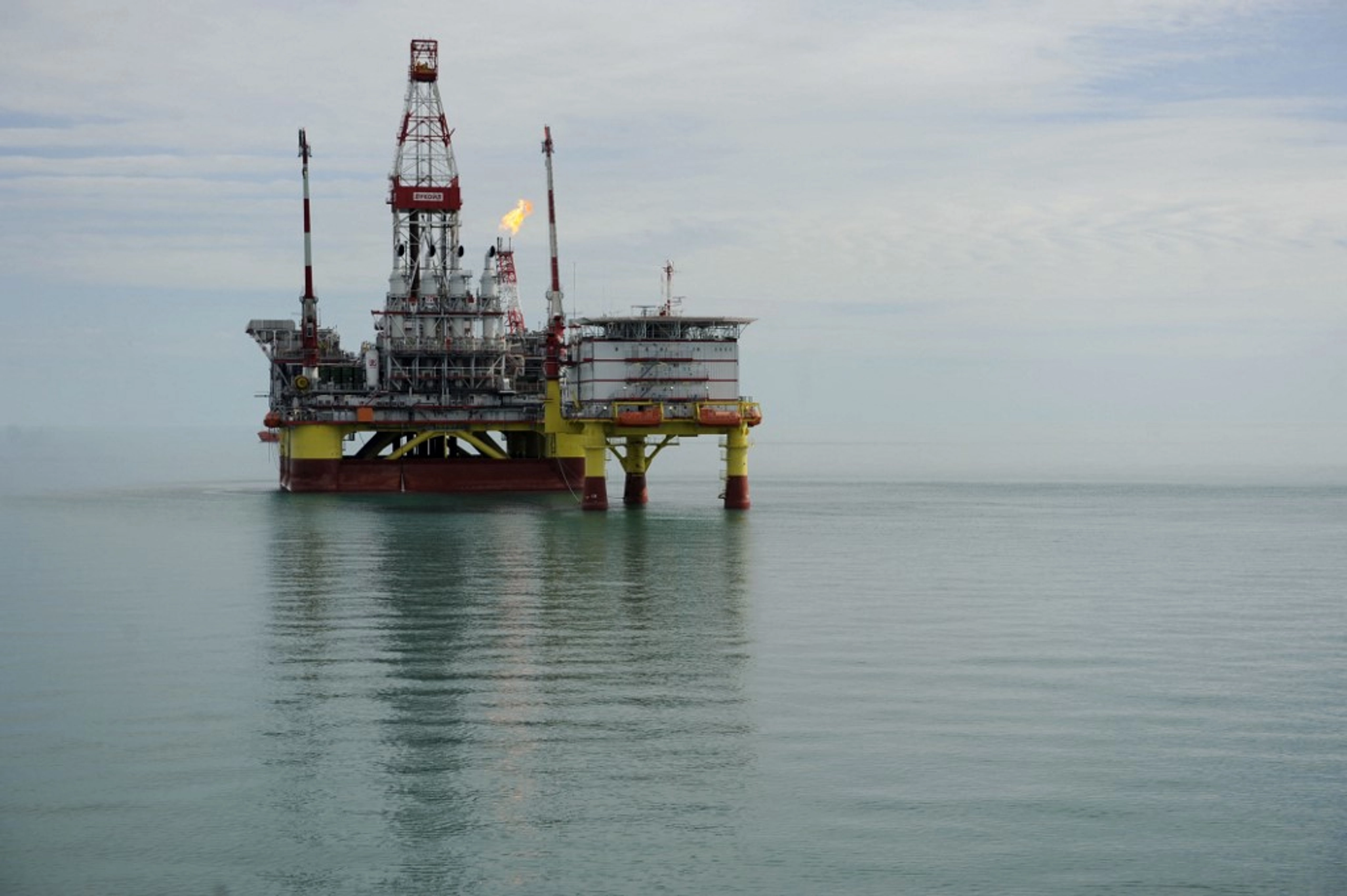
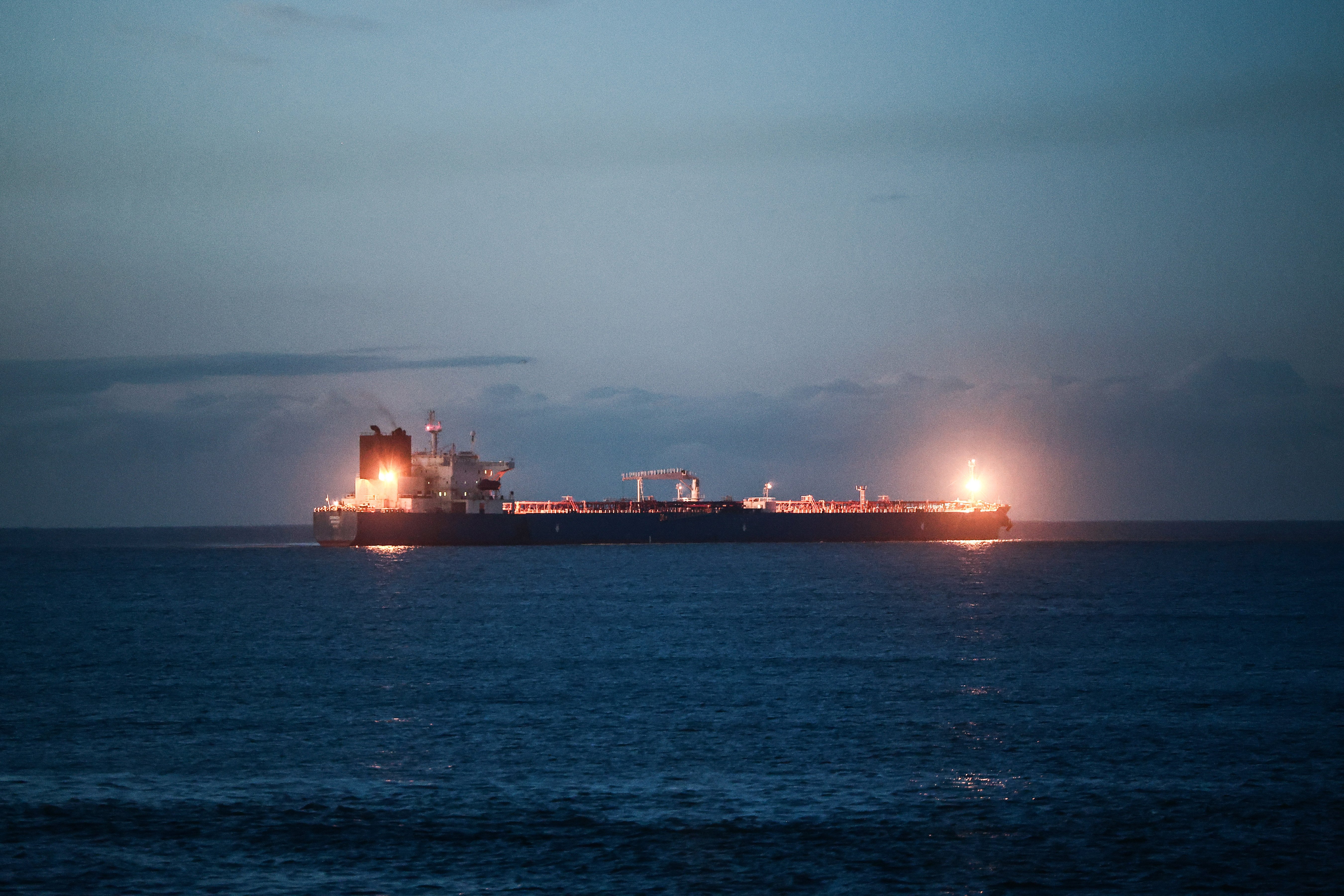
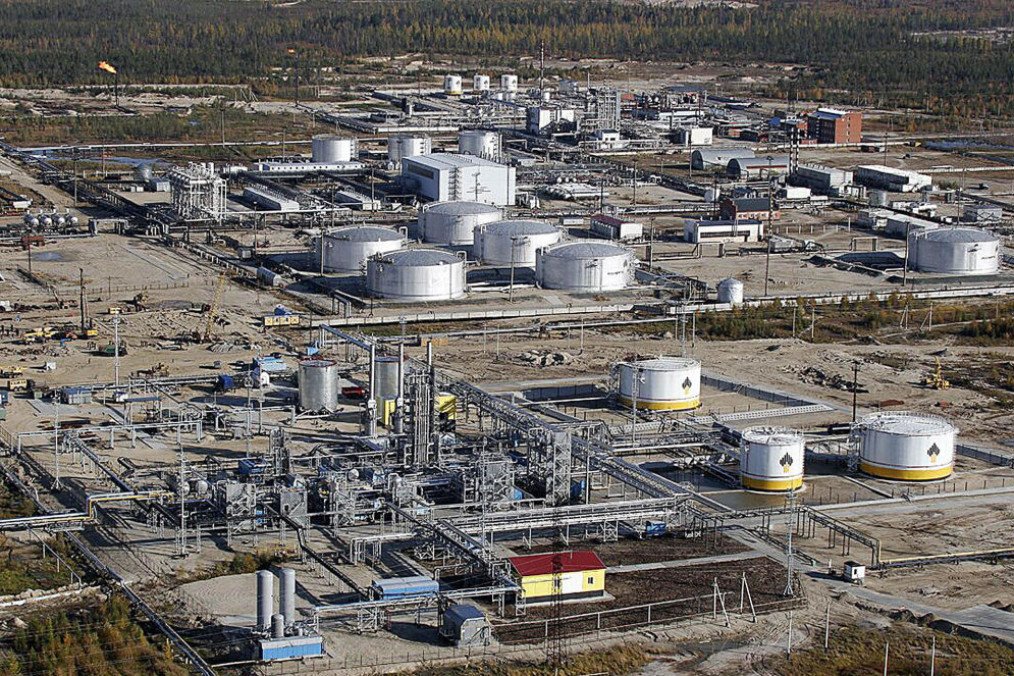
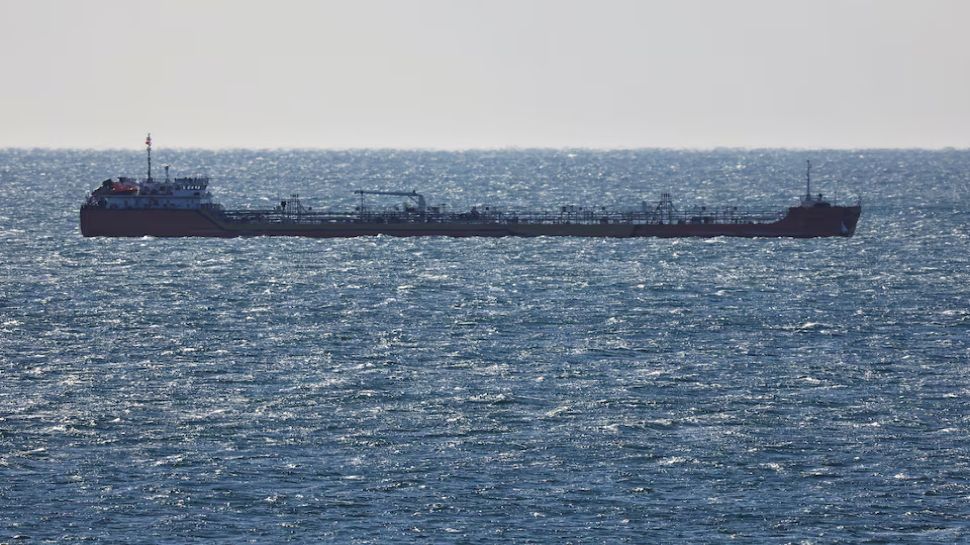
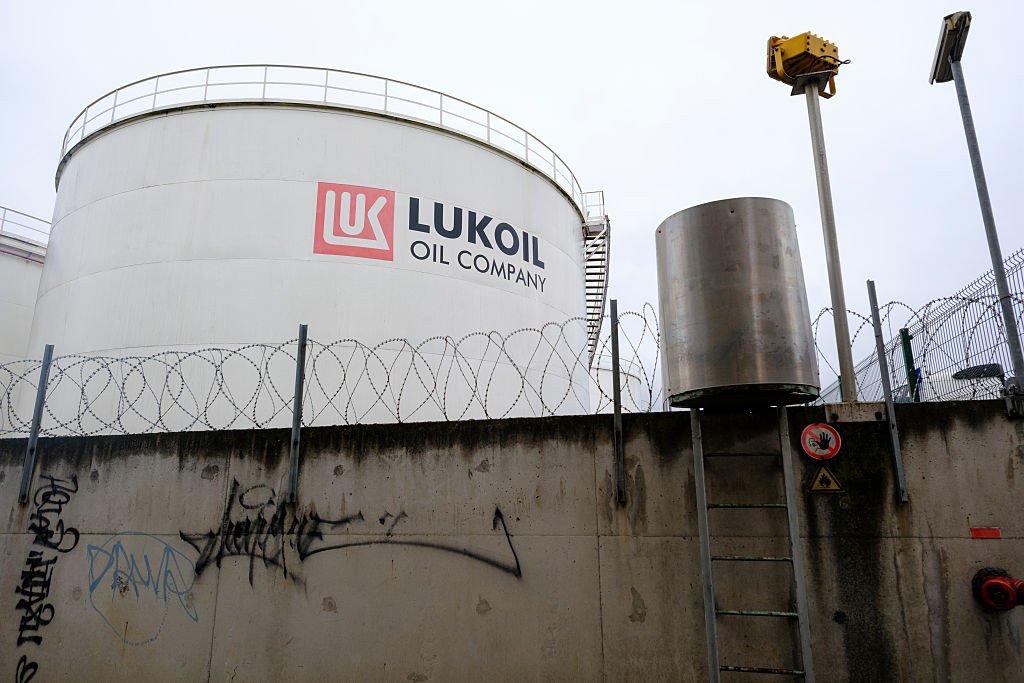
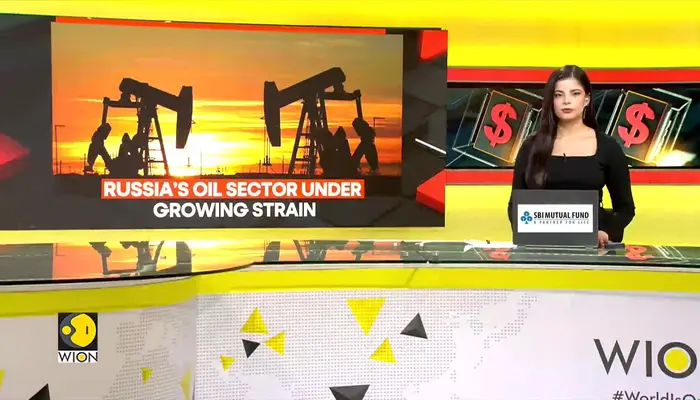
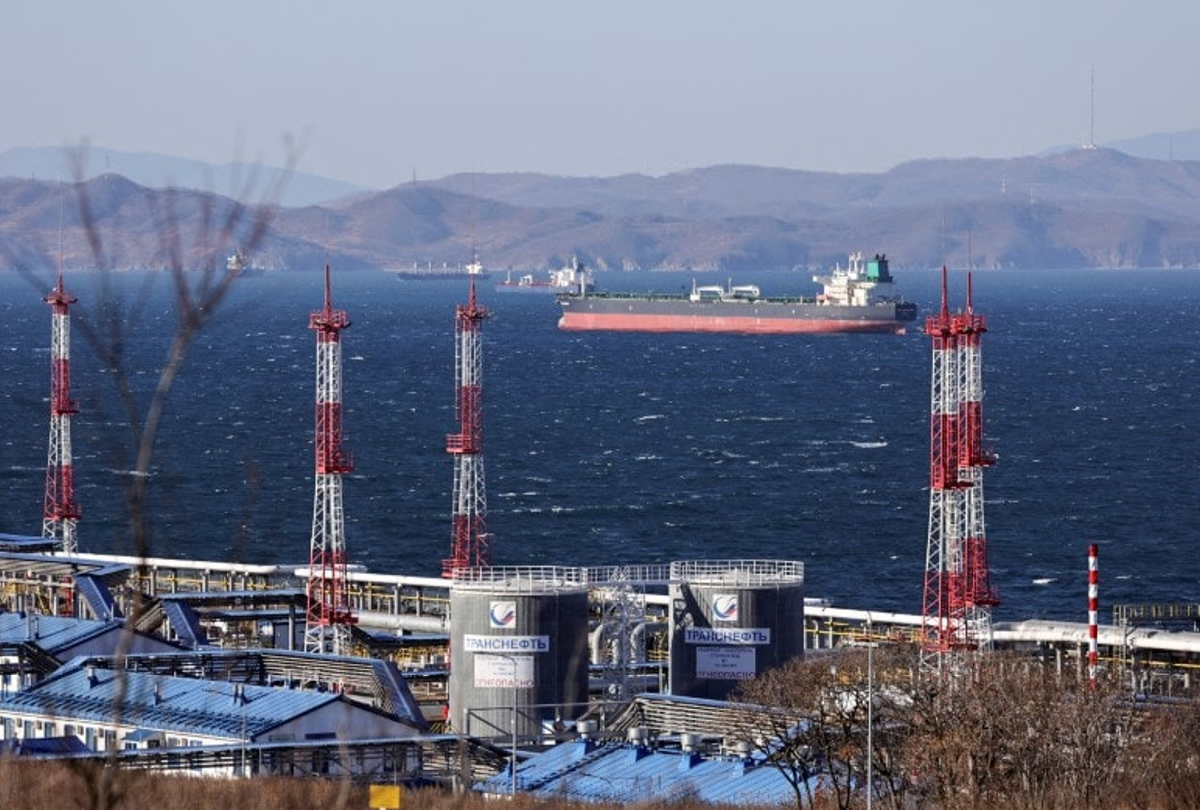
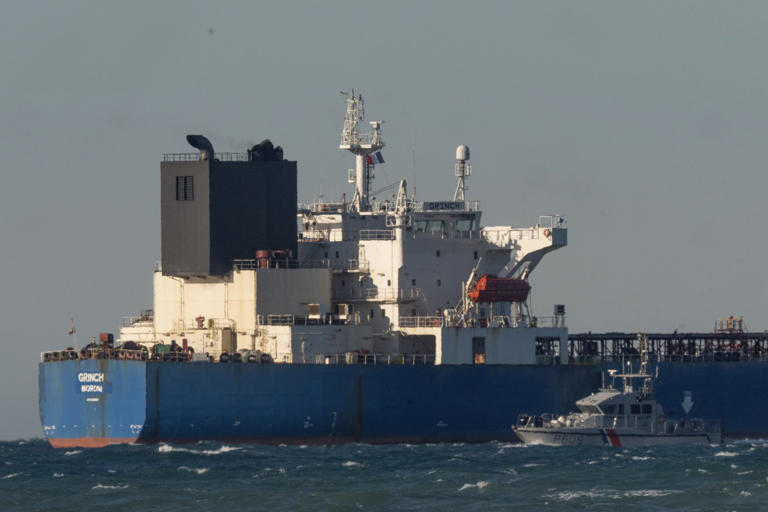
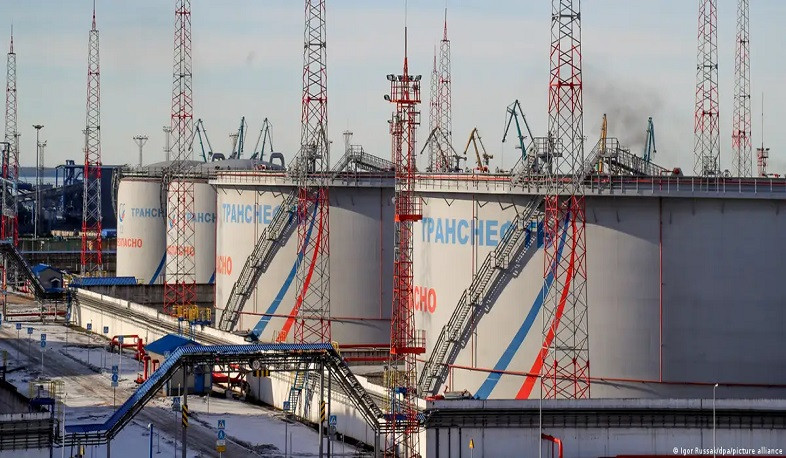
The Geopolitical Shift Creating Cross-Border Seller Opportunities: Russia's economic collapse and unprecedented oil sanctions (February 2025) represent a critical inflection point for cross-border e-commerce sellers, particularly those sourcing from or shipping through energy-dependent logistics corridors. According to Reuters reporting, Russian seaborne crude exports have contracted 26% from 3.8 million barrels per day (December 2024) to 2.8 million bpd (February 2025), driven by Trump administration sanctions and EU restrictions. More significantly, India—Russia's largest crude buyer representing 50% of Moscow's seaborne exports—is slashing purchases from 1.7 million bpd to 1.1 million bpd under a new US trade deal, with major refiners (Indian Oil, Bharat Petroleum, Reliance Industries) halting Russian crude entirely. This creates a cascading effect: reduced energy availability in Russia and India directly impacts logistics costs, manufacturing capacity, and supply chain routing for sellers.
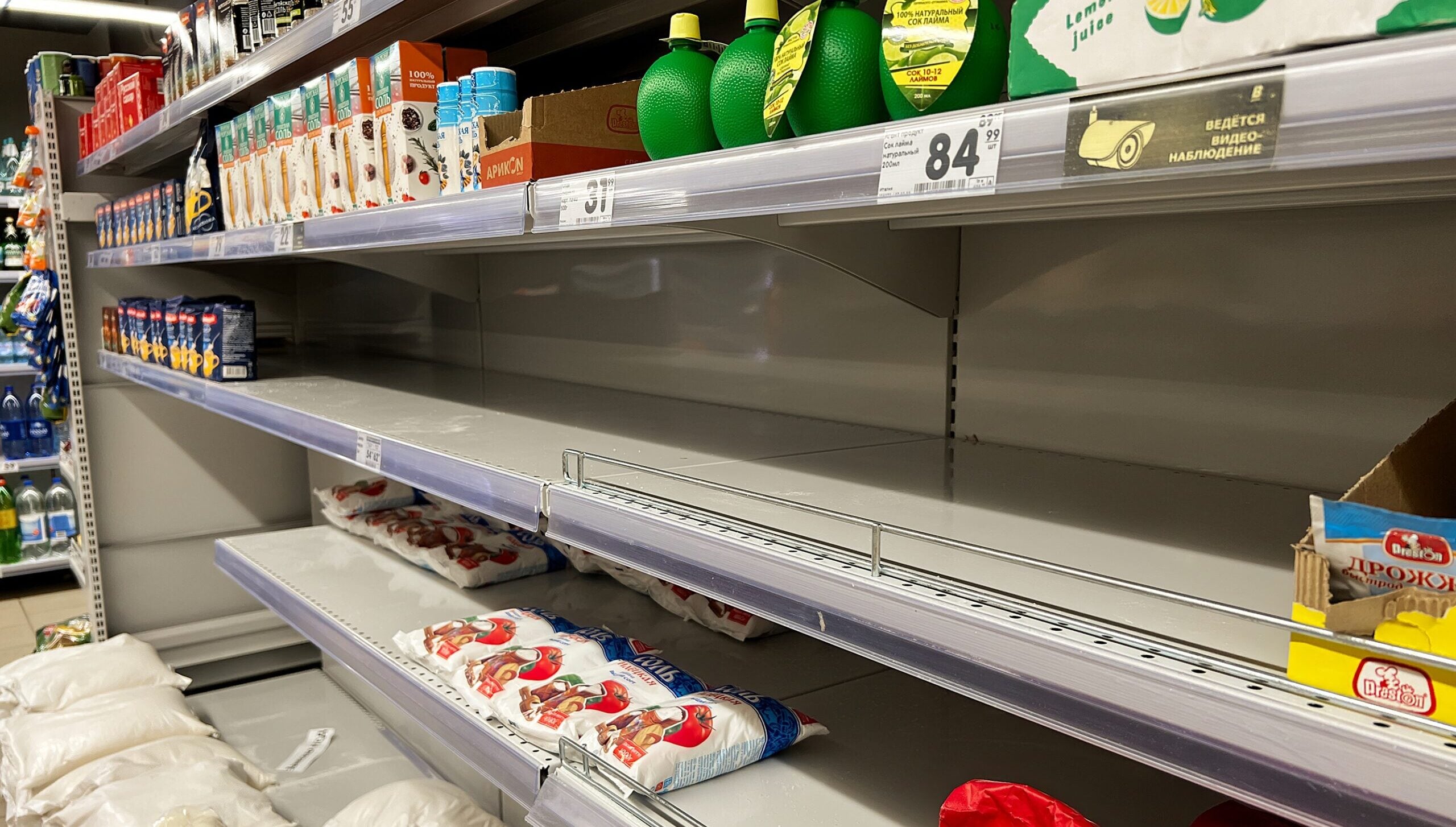
Immediate Supply Chain Implications for Sellers: The collapse of Russian-Indian energy trade creates three distinct seller opportunities. First, India-based sellers and manufacturers face lower energy costs as crude imports decline, reducing production expenses by 8-15% for energy-intensive categories (textiles, chemicals, electronics manufacturing). Sellers sourcing from Indian suppliers in apparel, home goods, and industrial products should expect 10-20% cost reductions by Q2 2025. Second, logistics providers serving Asia-Pacific routes are experiencing capacity reallocation—with 150+ million barrels of Russian oil stranded on ships, maritime logistics is shifting away from Russia-India corridors toward Southeast Asia (Vietnam, Thailand, Indonesia). Sellers using 3PL providers should negotiate lower shipping rates to these alternative hubs, potentially saving $200-400 per 40-foot container. Third, energy-dependent manufacturing categories (electronics, machinery, chemicals) sourced from Russia face supply disruptions; sellers should immediately diversify sourcing to Poland, Czech Republic, and Hungary (EU alternatives) to avoid 30-60 day delays.
Strategic Tariff and Trade Deal Implications: The US-India trade deal triggering India's crude purchase cuts signals broader tariff negotiations affecting cross-border sellers. India's reduced energy costs may trigger competitive pricing pressure in categories where Indian suppliers dominate (apparel, home textiles, leather goods, pharmaceuticals). Sellers in these categories should expect 5-12% margin compression as Indian competitors undercut prices. Conversely, sellers sourcing from energy-intensive manufacturing regions (Russia, Belarus) face 15-25% cost increases due to energy scarcity and should immediately pivot to Vietnam, Indonesia, or Mexico. The European Commission's proposed prohibition on businesses supporting Russia's seaborne exports (announced February 2025) creates compliance risk for sellers using Russian logistics providers or shipping through Russian ports—any involvement risks OFAC sanctions penalties ($250K-$2M per violation). Sellers must audit their 3PL contracts and shipping routes by March 15, 2025 to ensure zero Russian port exposure.
问题 7
How do Russia's oil sanctions affect my e-commerce supply chain and shipping costs?
Russia's 26% crude export decline (3.8M to 2.8M bpd) directly increases energy costs for manufacturing and logistics. If you source from Russia or use Russian ports, expect 15-25% cost increases and potential OFAC sanctions exposure ($250K-$2M penalties). Immediately audit your 3PL contracts and shipping routes by March 15, 2025. Sellers using Russian logistics face 30-60 day delays as maritime capacity shifts. Diversify sourcing to Poland, Czech Republic, or Hungary (EU alternatives) to avoid disruptions. Energy-intensive categories (electronics, chemicals, textiles) are most vulnerable.
How should I adjust my manufacturing sourcing strategy given Russia's economic collapse?
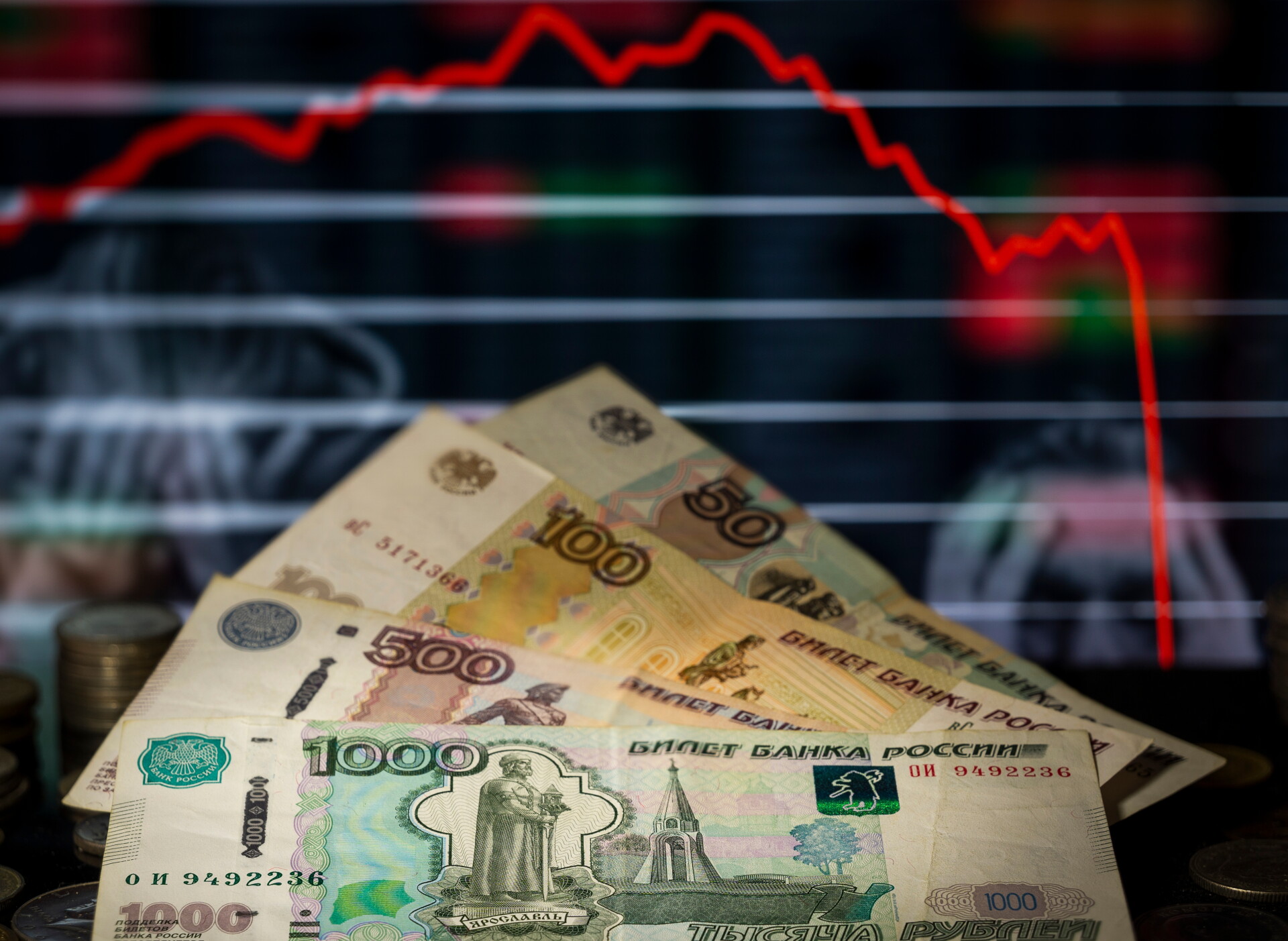
Russia's economy entering 'death zone' (per Economist reporting) with oil revenues halved year-over-year signals manufacturing capacity constraints. Immediately diversify away from Russian suppliers in machinery, chemicals, and industrial products. Pivot to Poland, Czech Republic, Hungary (EU), or Vietnam/Indonesia (Asia-Pacific). Vietnam offers 15-20% cost advantages over Russia for electronics and machinery. Negotiate long-term contracts (12-24 months) with alternative suppliers by April 2025 before capacity tightens. Expect 30-60 day transition delays; build inventory buffers now.