


Holographic 3D Printing 100-1000x Faster | AI-Powered Manufacturing Automation for E-Commerce Sellers
- Tsinghua's DISH technology produces objects in 0.6 seconds vs. hours; enables rapid prototyping, custom manufacturing, and on-demand production for electronics, jewelry, and components sellers



概览
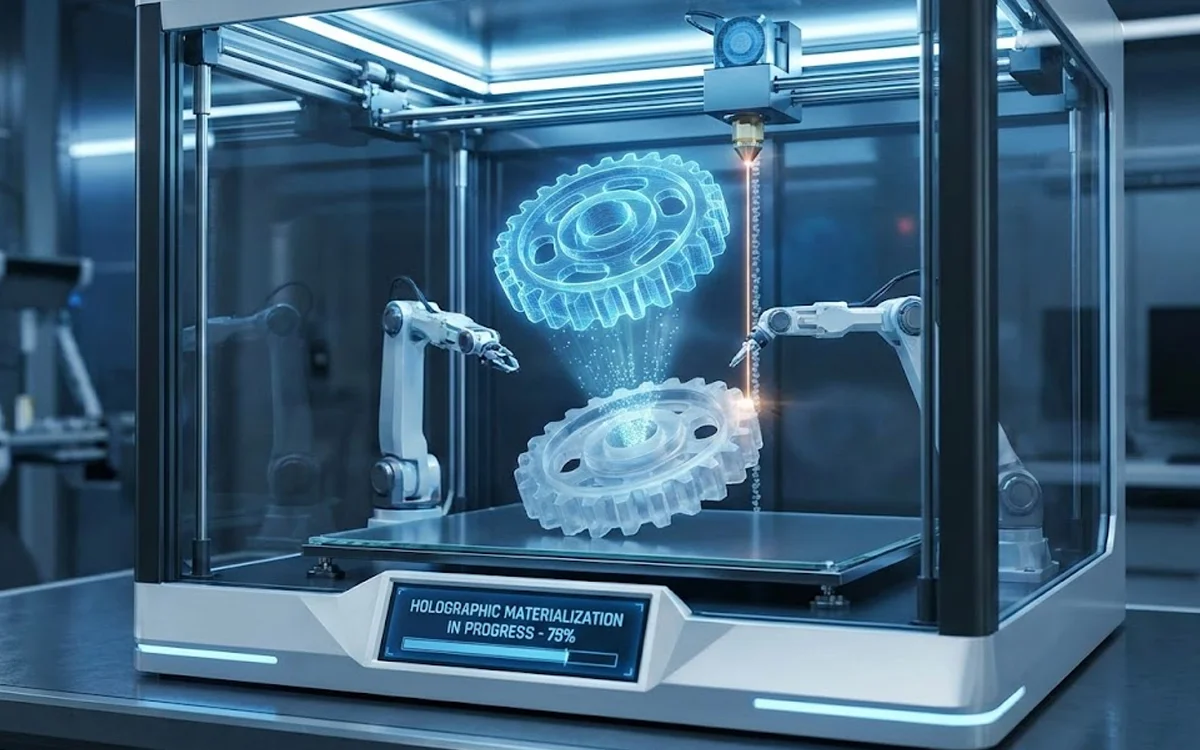
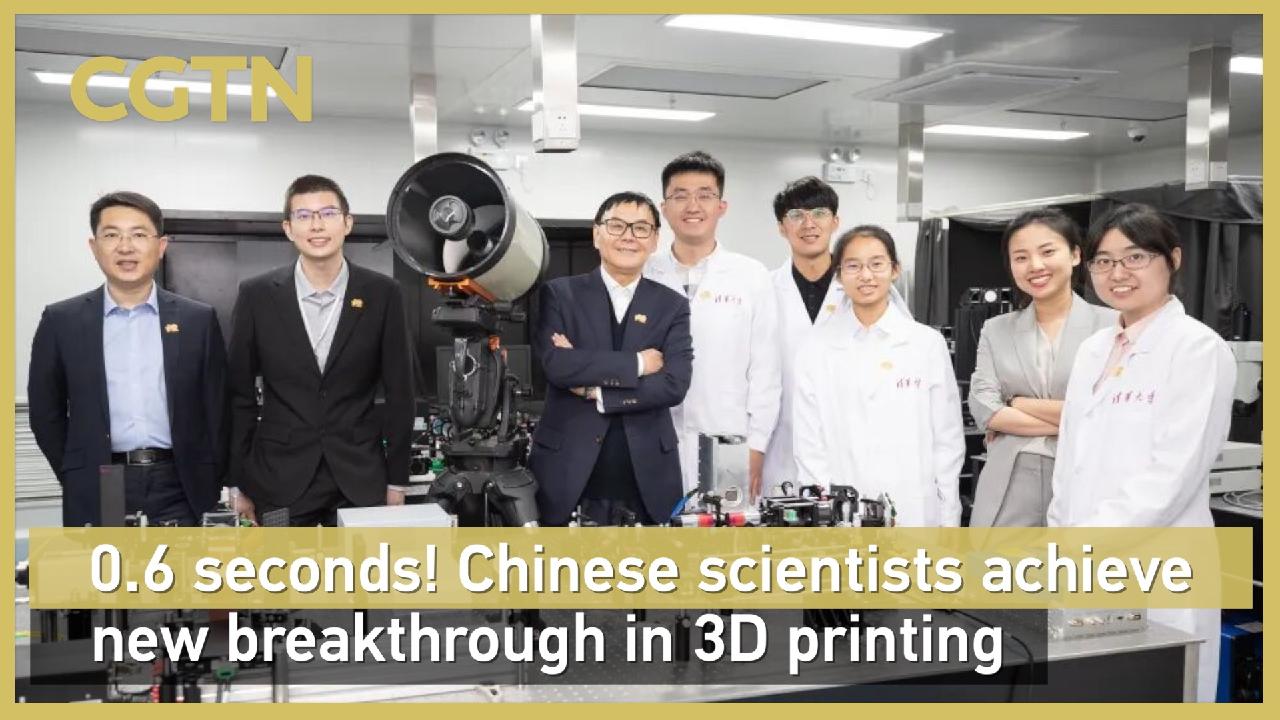
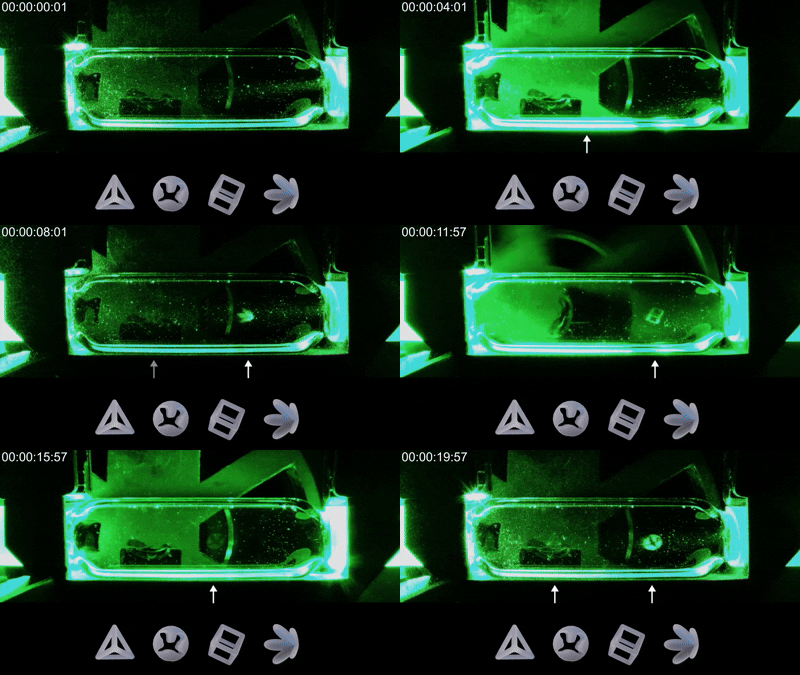
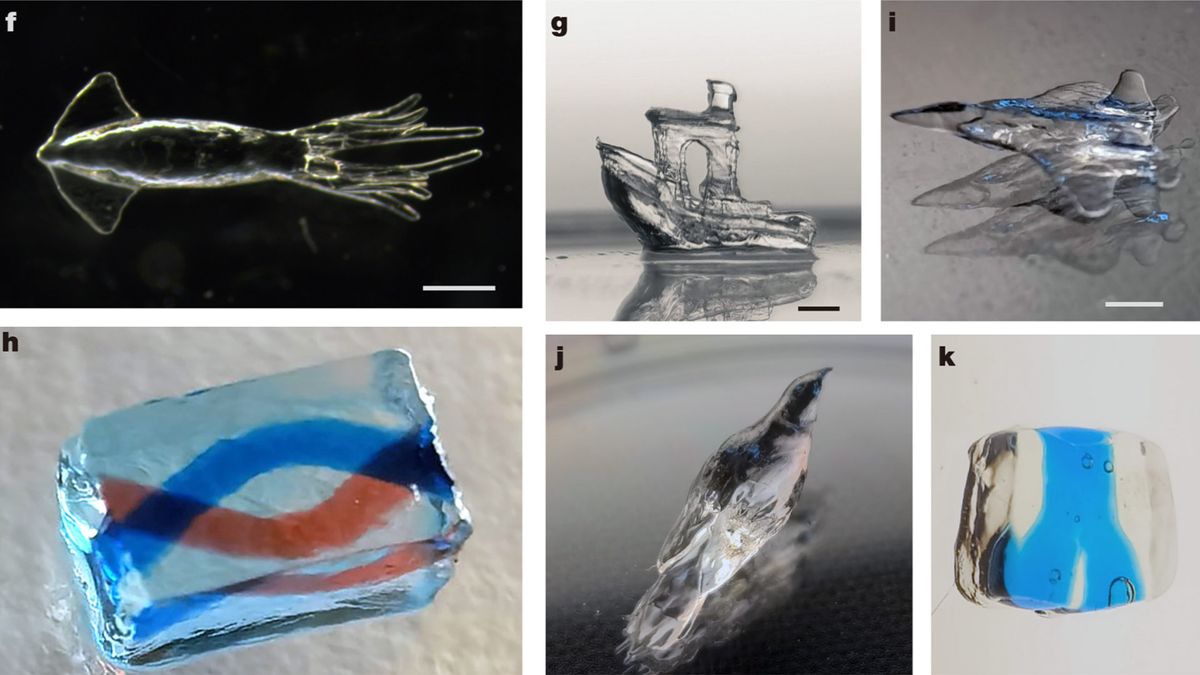
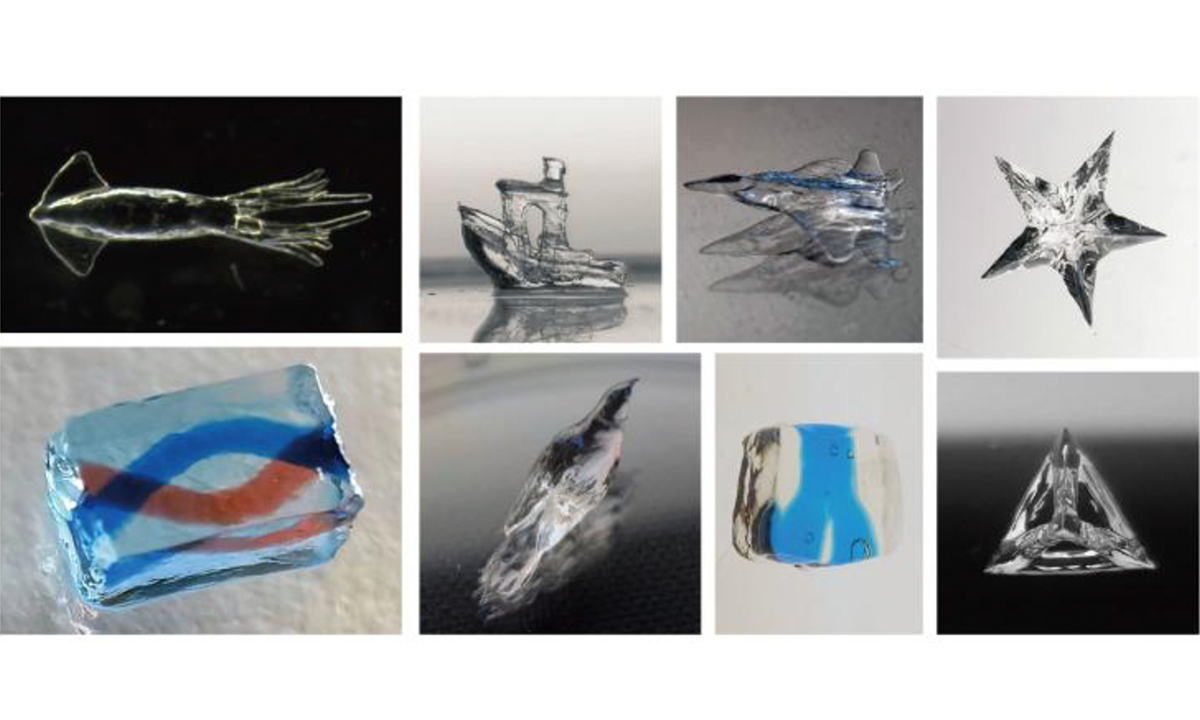
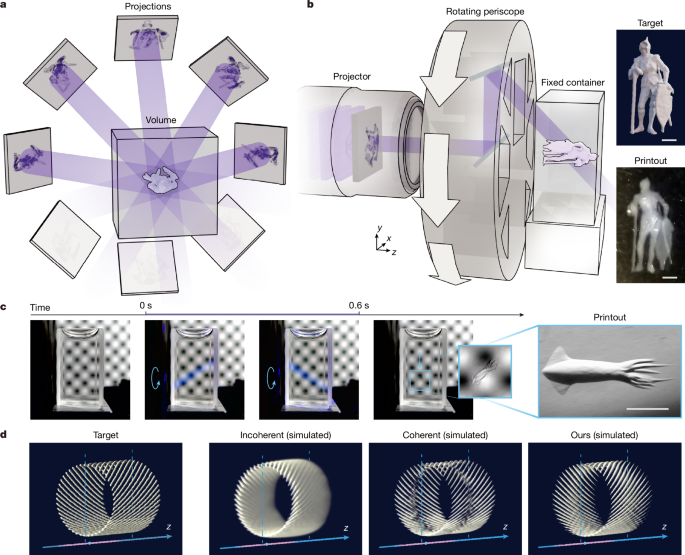
AUTOMATION BREAKTHROUGH FOR MANUFACTURING SELLERS: Tsinghua University's Digital Incoherent Synthesis of Holographic light fields (DISH) technology, published in Nature (February 2026), achieves 100-1000x faster 3D printing—producing millimeter-scale objects in 0.6 seconds versus hours with traditional layer-by-layer methods. The system uses a rotating periscope (10 rotations/second) and digital micromirror device (17,000 Hz) to project holographic light fields directly into resin, solidifying entire object volumes instantaneously. Resolution reaches 19 micrometers across 1-centimeter depth with 12-micrometer structural details—approximately one-fifth of a human hair's width. This breakthrough directly addresses the speed-precision tradeoff that has constrained additive manufacturing adoption for decades.
IMMEDIATE AI-POWERED OPPORTUNITIES FOR E-COMMERCE SELLERS: For cross-border sellers in electronics accessories, jewelry, custom components, and specialized manufacturing, this technology enables three critical automation wins: (1) Rapid Prototyping Automation: Reduce product development cycles from weeks to days by automating design-to-prototype iteration using DISH's sub-second production. Sellers can now test 10-20 design variations daily versus 2-3 weekly with conventional 3D printing, compressing time-to-market by 60-70%. (2) On-Demand Manufacturing Automation: Enable true made-to-order business models where custom orders print in minutes rather than days, eliminating inventory carrying costs (typically 20-30% of COGS for small-batch sellers) and reducing working capital requirements by 40-50%. (3) Supply Chain Optimization: DISH's compatibility with low-viscosity materials (4.7 cP versus 6,000-10,000 cP for traditional CAL) enables integration with fluidic channels for continuous production, automating batch processing and reducing labor costs by 35-45% per unit.
DATA-DRIVEN INSIGHTS & COMPETITIVE INTELLIGENCE: The technology's 333 cubic millimeters per second production speed and support for various acrylate materials indicate strong scalability potential across multiple product categories. Early adoption by Chinese manufacturers (where Tsinghua is located) creates a 12-24 month competitive window for sellers establishing manufacturing partnerships before technology commoditizes. Sellers can use AI-powered supply chain analytics to identify which product categories benefit most: micro-robotics components, flexible electronics, photonics modules, camera components, and microelectromechanical systems show highest ROI potential. The technology's precision (12-micrometer features) opens previously impossible product categories—curved, interlinked components that traditional manufacturing cannot produce economically.
AI PRODUCT GAPS & STRATEGIC OPPORTUNITIES: Current market lacks AI tools that: (1) automatically optimize 3D designs for DISH's holographic printing parameters, (2) predict manufacturing cost reductions by category based on production speed improvements, (3) match seller product portfolios to DISH-compatible manufacturing partners in China, or (4) forecast demand spikes for custom components by analyzing competitor adoption patterns. Sellers implementing these AI capabilities first gain 6-12 month competitive advantage. The technology's maturation timeline remains unclear, but early adoption signals suggest Chinese manufacturers will commercialize DISH systems within 18-24 months, creating a narrow window for sellers to establish preferred supplier relationships and secure production capacity before demand surge.
COST-BENEFIT ANALYSIS FOR SELLER SEGMENTS: Small-batch electronics accessory sellers (100-500 units/month) can reduce per-unit production costs by 25-35% through faster manufacturing and eliminated inventory carrying costs. Custom jewelry sellers can reduce design-to-delivery timelines from 14-21 days to 2-3 days, enabling premium pricing for rush orders (+15-25% margin). Specialized components sellers can expand addressable market by 40-60% by offering previously impossible geometries. However, current limitation to millimeter-scale objects (approximately 1 centimeter maximum) restricts immediate applications to small components, micro-parts, and precision accessories—not bulk products. Sellers should monitor commercialization progress for scaling capabilities that enable larger object production, which could revolutionize entire manufacturing categories within 3-5 years.
问题 7
How can sellers establish manufacturing partnerships for DISH technology?
Early adoption by Chinese manufacturers is likely within 18-24 months, creating a narrow competitive window. Sellers should monitor commercialization progress through Tsinghua University announcements, Chinese manufacturing trade publications, and direct outreach to precision manufacturing partners in Shenzhen, Shanghai, and Suzhou. Establishing preferred supplier relationships now secures production capacity before demand surge. Sellers can use AI-powered supply chain analytics to identify which manufacturing partners are investing in DISH systems and match their product portfolios accordingly. Early movers gain 6-12 month competitive advantage before technology commoditizes and becomes widely available.
What are the cost savings from switching to holographic 3D printing?
Cost reductions vary by seller segment: small-batch electronics sellers (100-500 units/month) save 25-35% per unit through faster manufacturing and eliminated inventory carrying costs (typically 20-30% of COGS). On-demand sellers reduce working capital requirements by 40-50% by eliminating inventory. Labor costs decrease 35-45% per unit due to continuous production integration via low-viscosity material compatibility (4.7 cP versus 6,000-10,000 cP for traditional methods). Custom jewelry sellers can charge 15-25% premium for rush orders (2-3 day turnaround). However, current limitation to millimeter-scale objects restricts immediate applications; sellers should monitor scaling capabilities for larger object production within 3-5 years.