
India's $200-300B E-Commerce Export Opportunity | MSME Growth & Market Access
- India targets 30% e-commerce share in exports by 2030; 63M MSMEs gain global market access through policy reforms addressing customs, logistics, and compliance barriers
概览
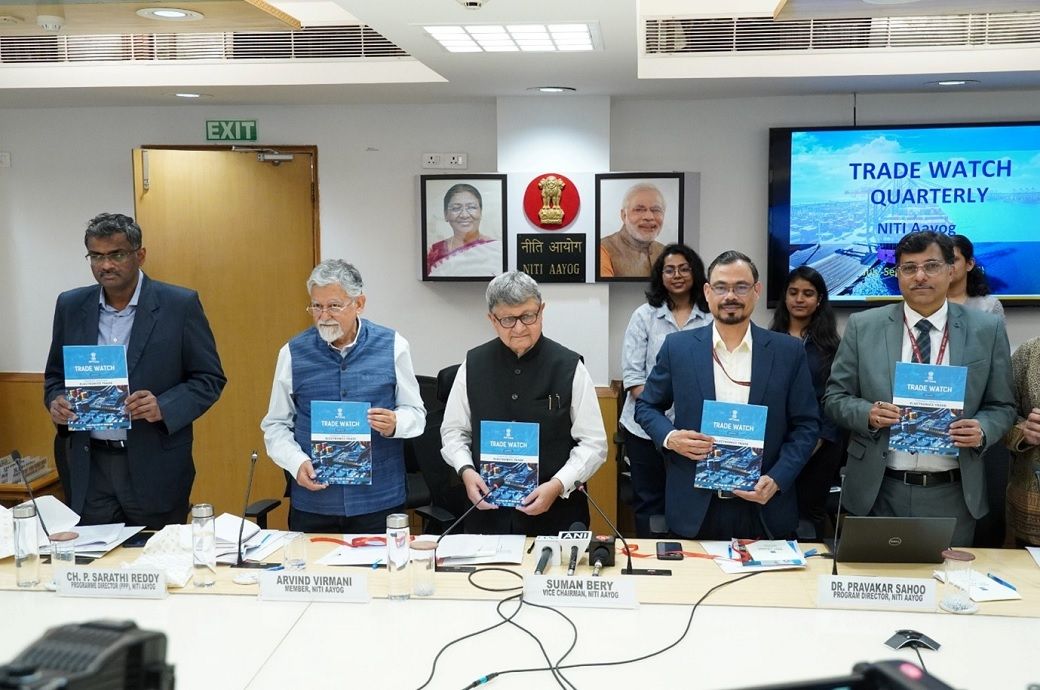
India's e-commerce sector is positioned to become a principal economic driver, with NITI Aayog projecting cross-border e-commerce exports to scale to $200-300 billion by 2030, supporting the nation's Viksit Bharat vision targeting $1 trillion in total merchandise exports. This expansion could elevate e-commerce's share in India's total exports to 30 percent and contribute 2.9-4.3 percent to GDP, establishing digital commerce as a key economic pillar. The policy window creates immediate opportunities for sellers sourcing from India and competing in global markets.
The MSME opportunity is substantial: India's 63 million micro, small, and medium enterprises currently contribute 29 percent of GDP and 43 percent of exports, with e-commerce platforms already enabling hundreds of thousands of small producers to access global markets digitally. Electronics are identified as the primary category driving this expansion, signaling strong demand for Indian-manufactured electronics, components, and consumer devices in cross-border channels. However, critical infrastructure gaps limit growth: the ecosystem faces a complex regulatory framework, absence of dedicated customs codes for e-commerce exports, inefficient reverse logistics systems, unclear duty treatment of returns, and lack of coordinated ecosystem support. These barriers increase compliance costs and reduce competitiveness for Indian sellers competing against established Chinese and Vietnamese suppliers.
Q2 FY26 trade data reveals strategic sourcing shifts: India showed strong export growth to Hong Kong, China, and the United States, while imports from the UAE surged 48 percent year-over-year, indicating shifting supply chain dynamics. This signals India is becoming a preferred sourcing destination for specific categories, particularly electronics and value-added manufacturing. NITI Aayog's recommendations—proactive trade facilitation, government procurement support, strategic free trade agreements, and anchor investments—indicate policy momentum toward removing barriers. The critical compliance gaps (customs codes, reverse logistics, duty treatment) represent both challenges and opportunities: sellers who navigate these systems early gain competitive advantages before standardization occurs.
For cross-border sellers, the timing window is critical. India's policy focus on higher domestic value addition and improved logistics infrastructure suggests government support for infrastructure investments through 2025-2026. Sellers should prioritize: (1) identifying Indian suppliers in electronics and high-value categories before tariff optimization and FTA benefits fully materialize, (2) understanding emerging customs codes and duty treatment frameworks as they're formalized, and (3) positioning for reverse logistics solutions as the ecosystem develops. The 48% surge in UAE imports indicates supply chain consolidation opportunities—sellers can leverage India-UAE-Global corridors for cost optimization. Electronics category sellers face the highest opportunity: strong export growth to US/Hong Kong markets combined with MSME participation creates competitive pressure on Chinese suppliers, potentially opening margin expansion opportunities for sellers offering Indian-sourced alternatives.
问题 8
Which product categories offer the highest export growth opportunities from India?
Electronics are explicitly identified by NITI Aayog as the central category driving India's e-commerce export expansion. Q2 FY26 data shows strong export growth to Hong Kong, China, and the United States, indicating established demand corridors for Indian electronics. The 63 million MSME base provides diverse sourcing options across electronics components, consumer devices, and value-added manufacturing. Sellers should prioritize electronics, followed by categories with high domestic value addition. The UAE import surge (48% year-over-year) suggests India-UAE-Global supply chain consolidation, creating opportunities for sellers to optimize sourcing through India-UAE hubs.
What is India's e-commerce export target by 2030 and how does it affect sellers?
India's NITI Aayog projects cross-border e-commerce exports will reach $200-300 billion by 2030, with e-commerce comprising 30% of total exports and contributing 2.9-4.3% to GDP. This represents a 5-7x growth opportunity from current levels, creating massive demand for sourcing from Indian suppliers. For sellers, this signals government commitment to removing barriers—expect customs code standardization, improved logistics infrastructure, and trade facilitation measures through 2025-2026. Sellers sourcing electronics and value-added products from India should lock in supplier relationships now before competition intensifies and pricing normalizes.