



India AI Summit 2026 Chaos Signals Infrastructure Gaps for E-Commerce Sellers
- Operational failures at 100+ country event reveal India's event management and digital payment infrastructure weaknesses, creating both risks and opportunities for cross-border sellers targeting Indian market expansion







)



)


)



)






概览
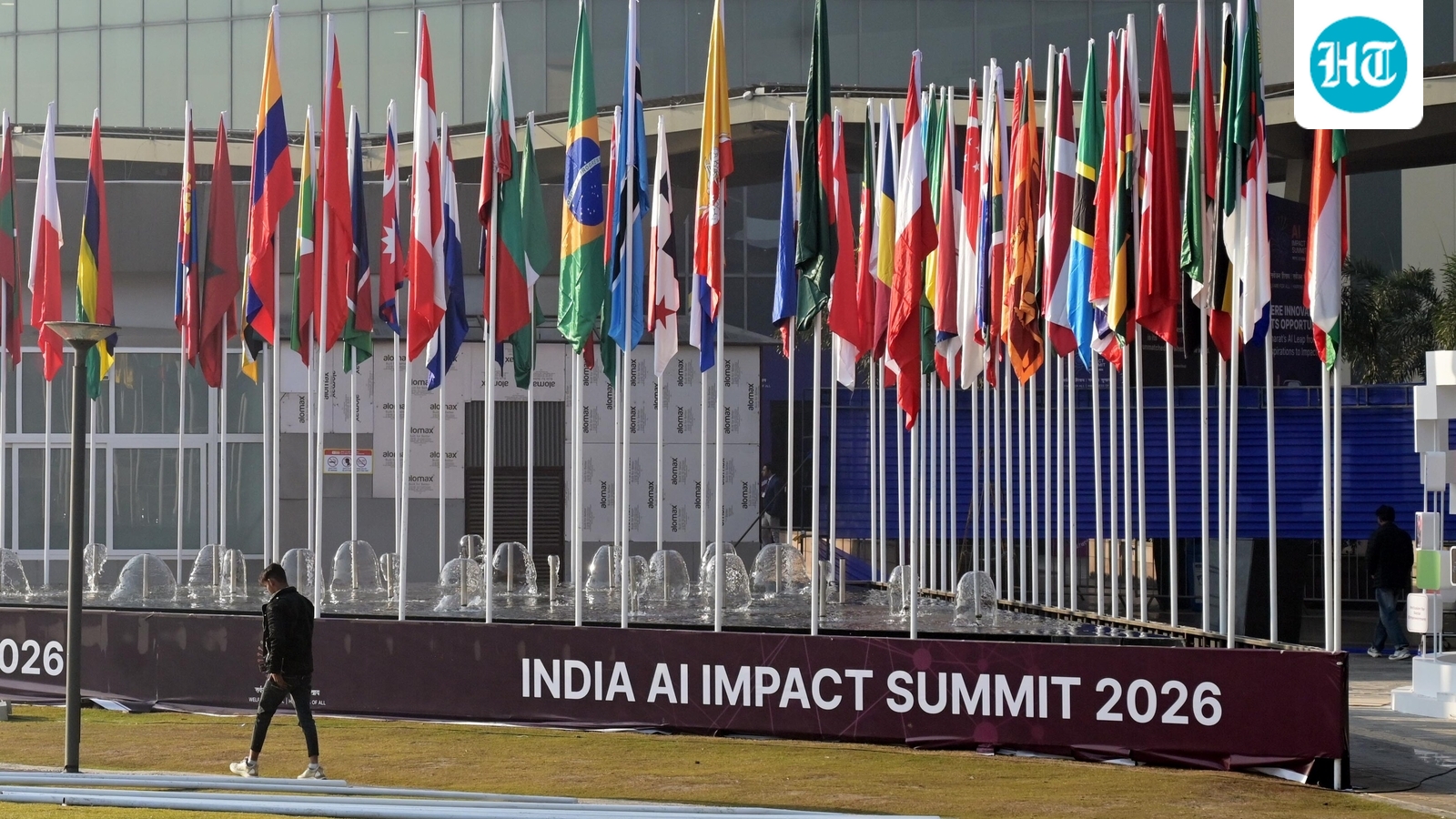
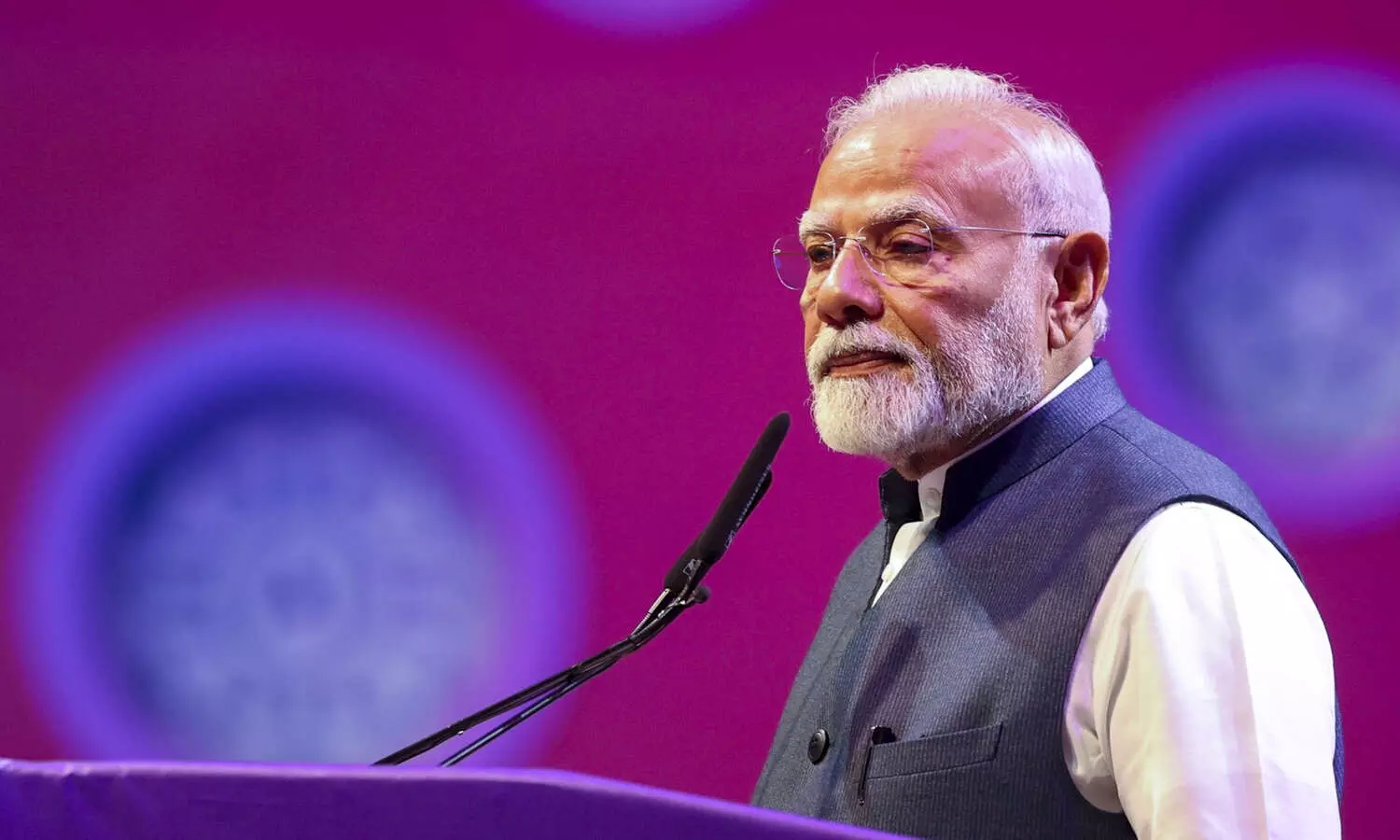
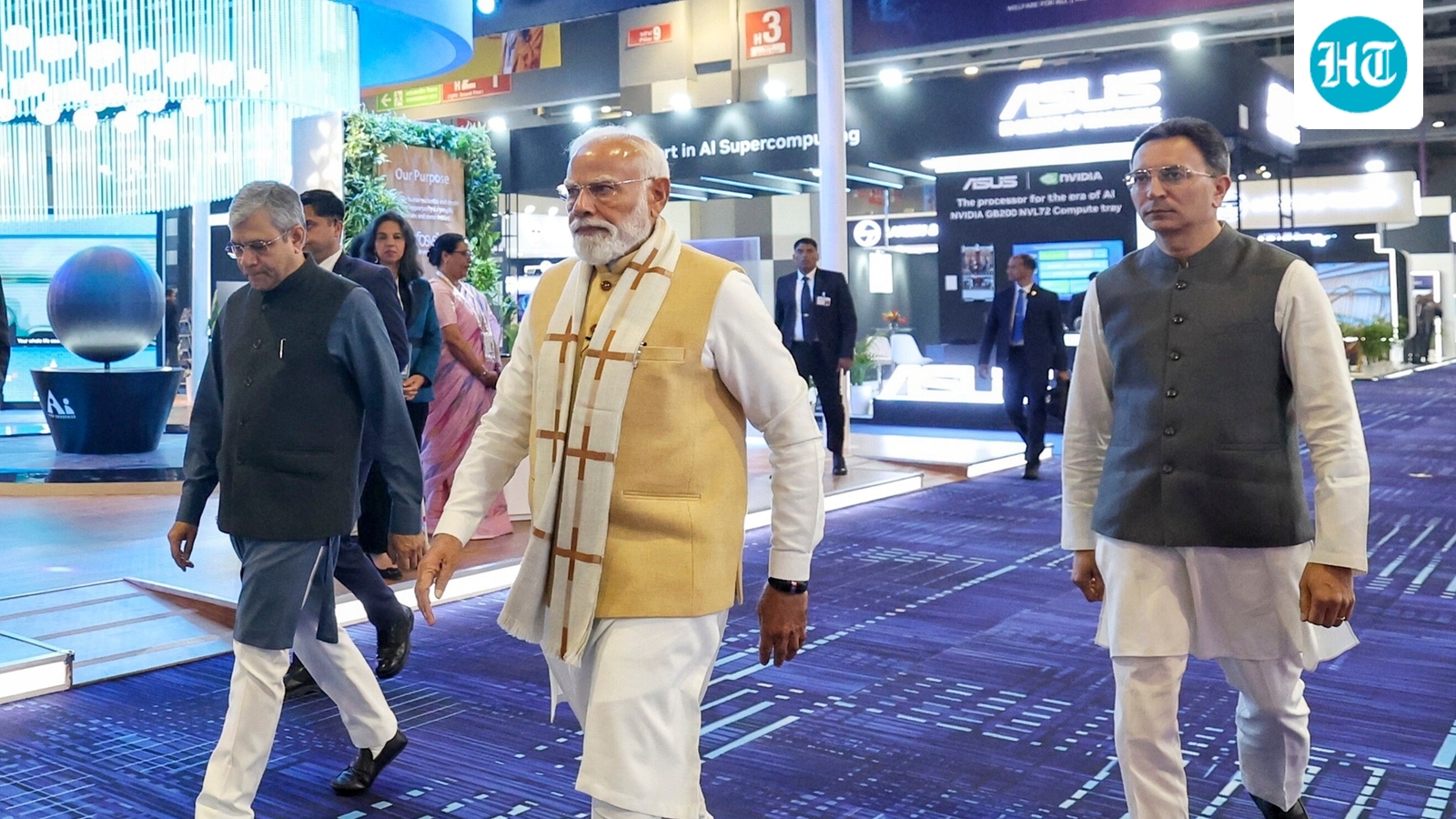
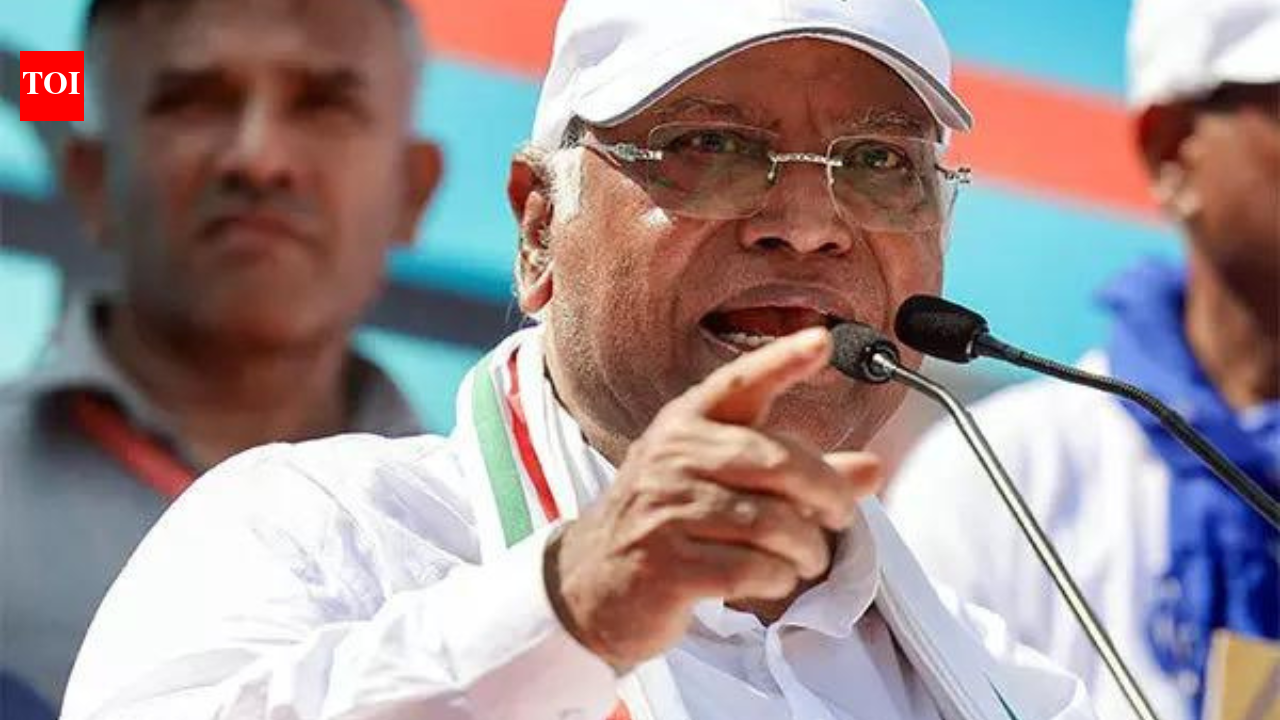
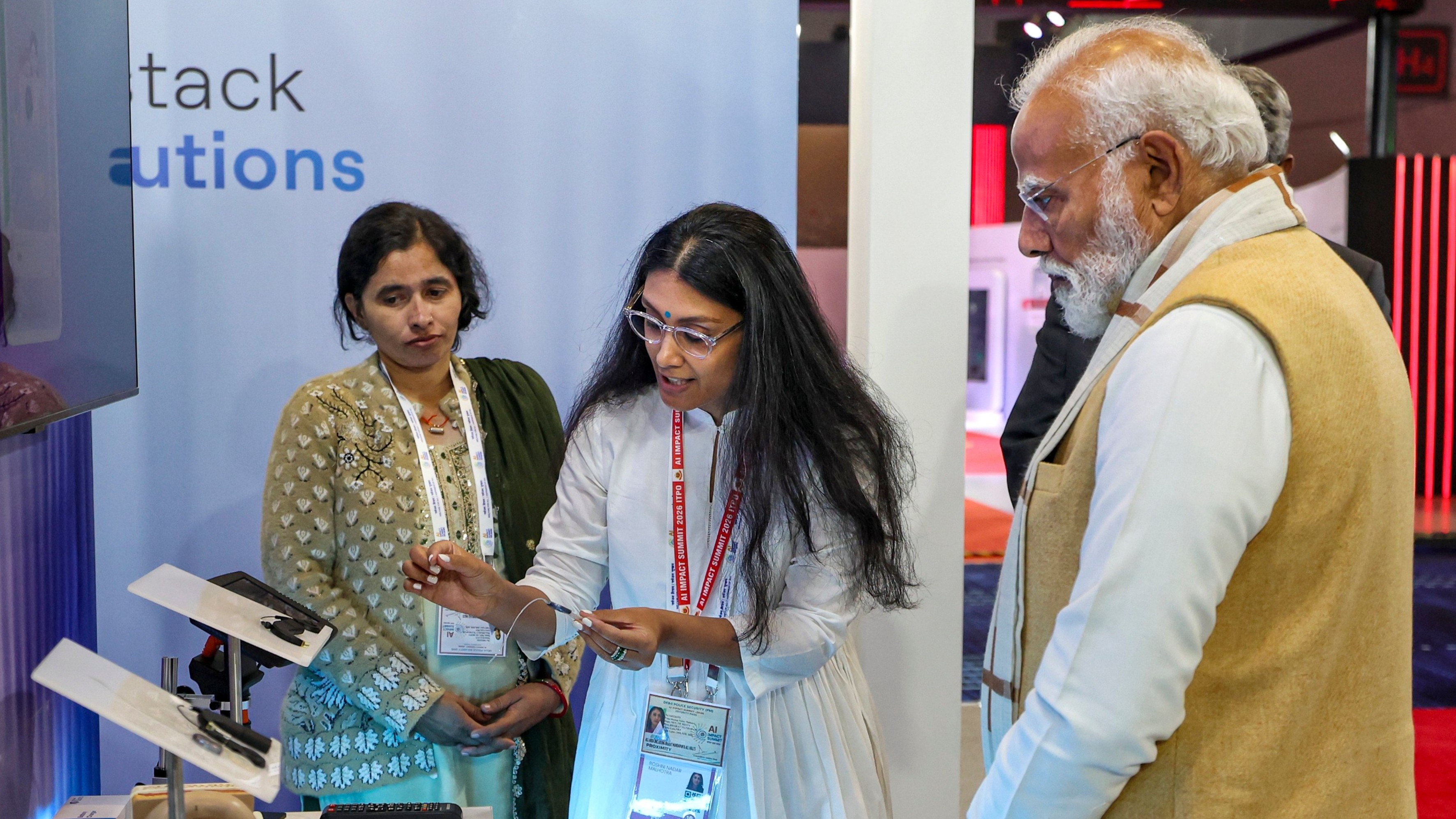
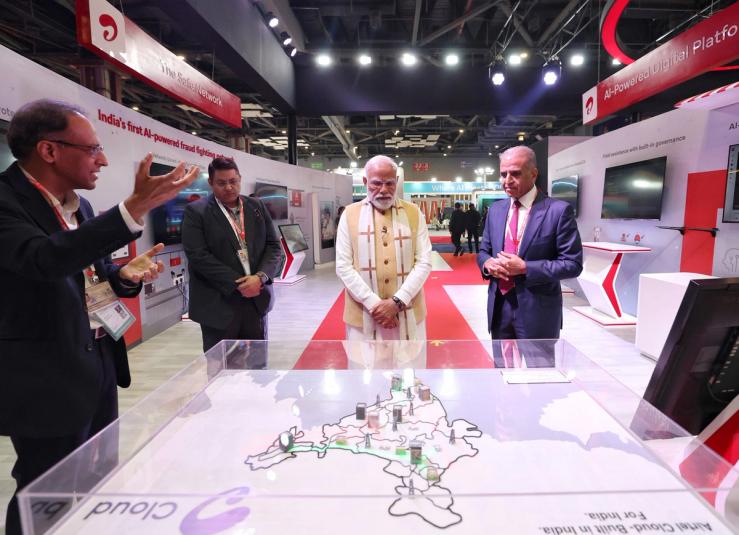
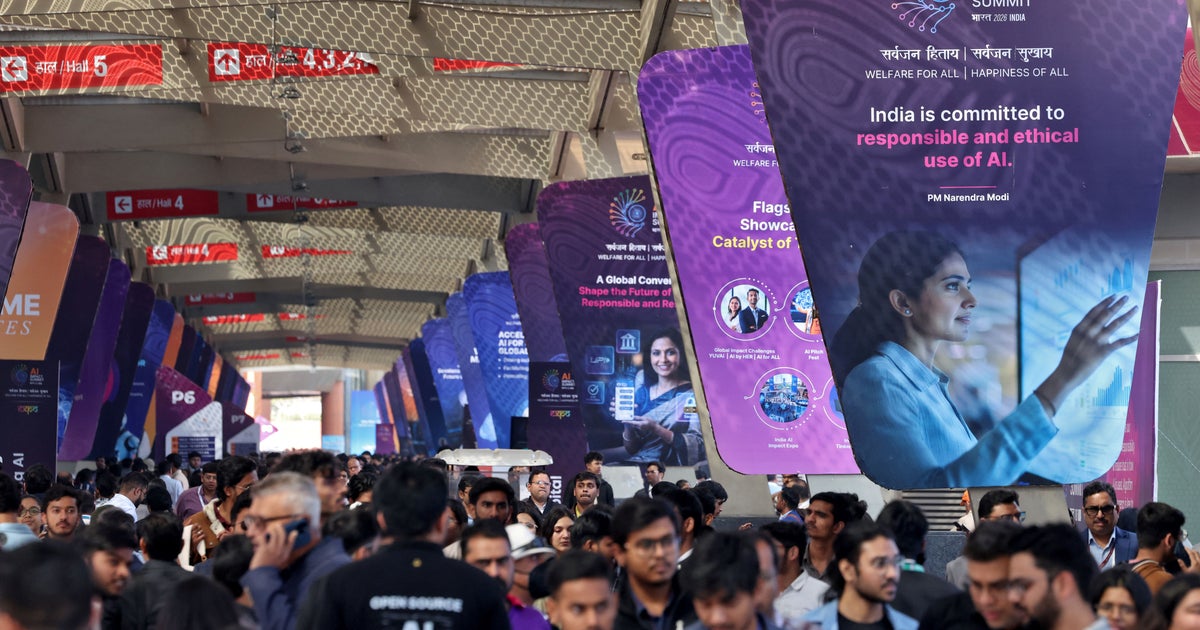
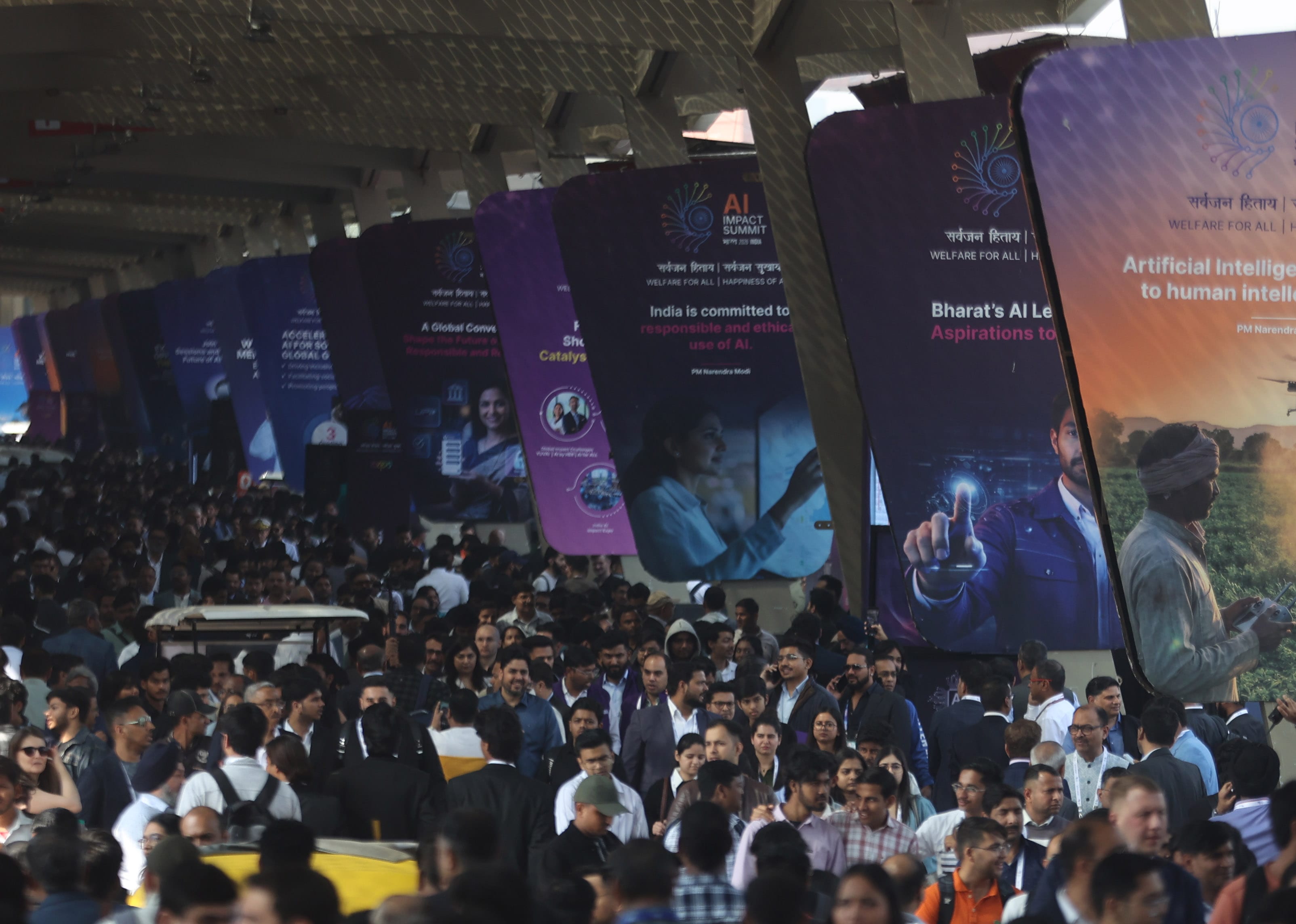
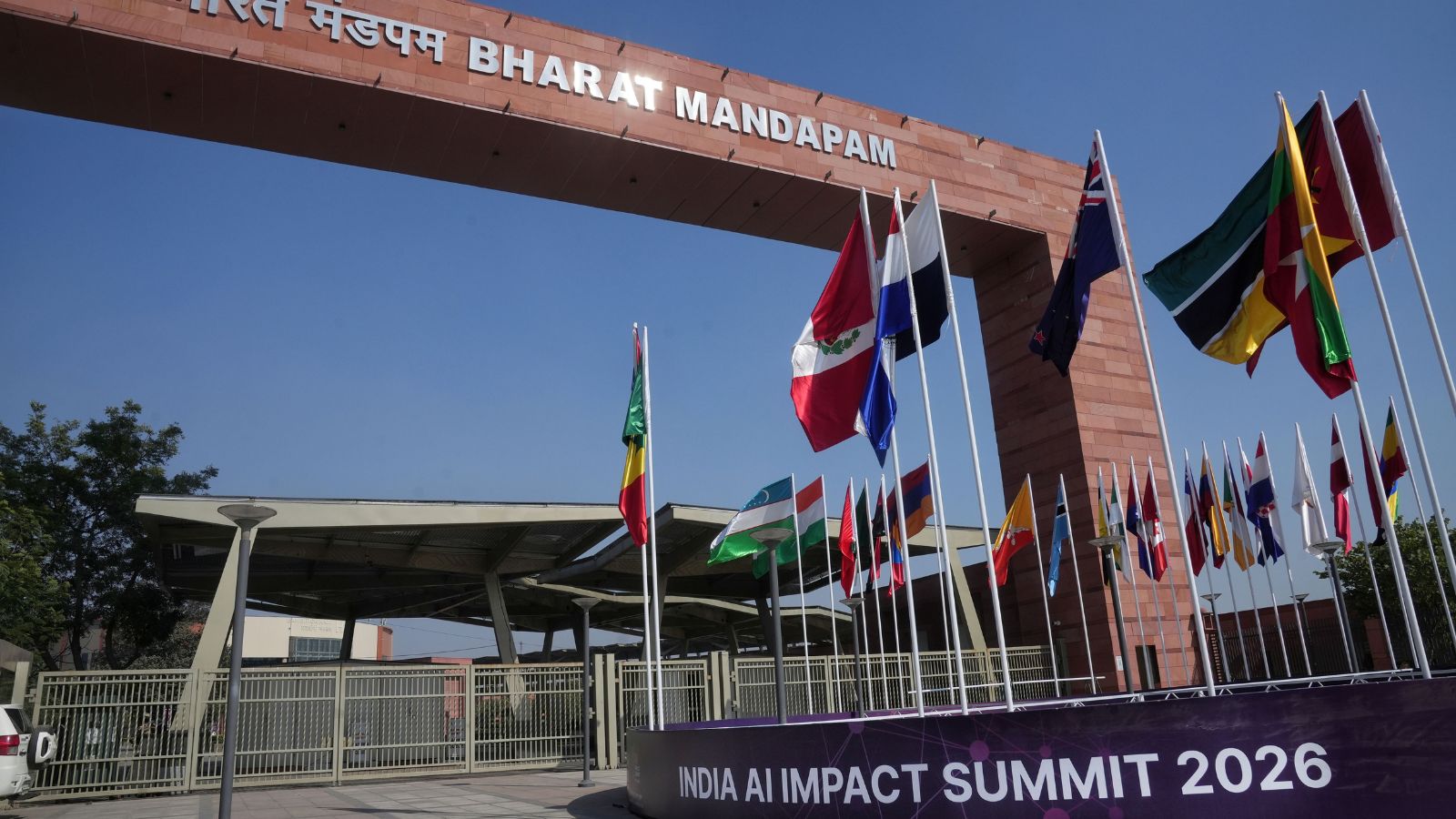
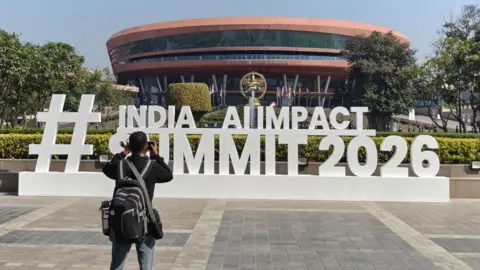
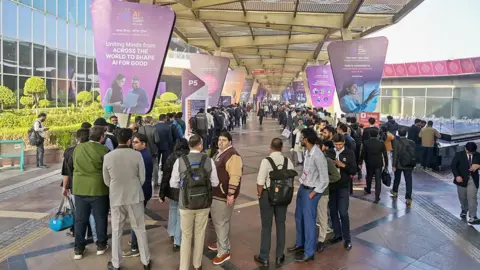
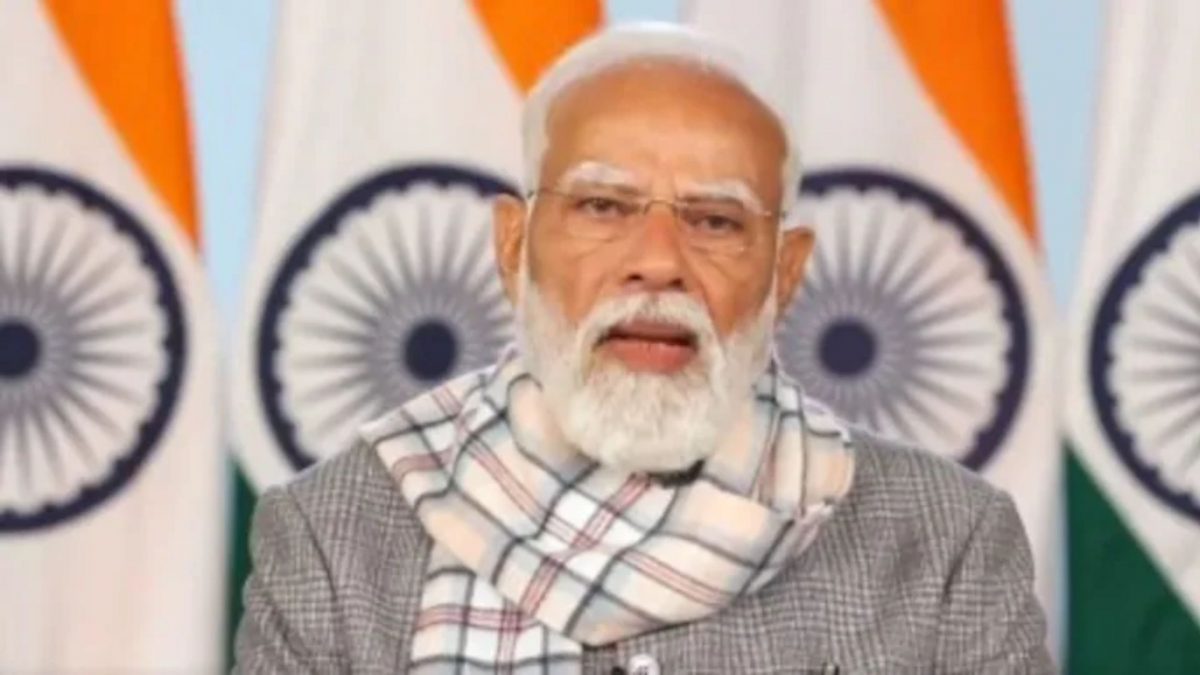
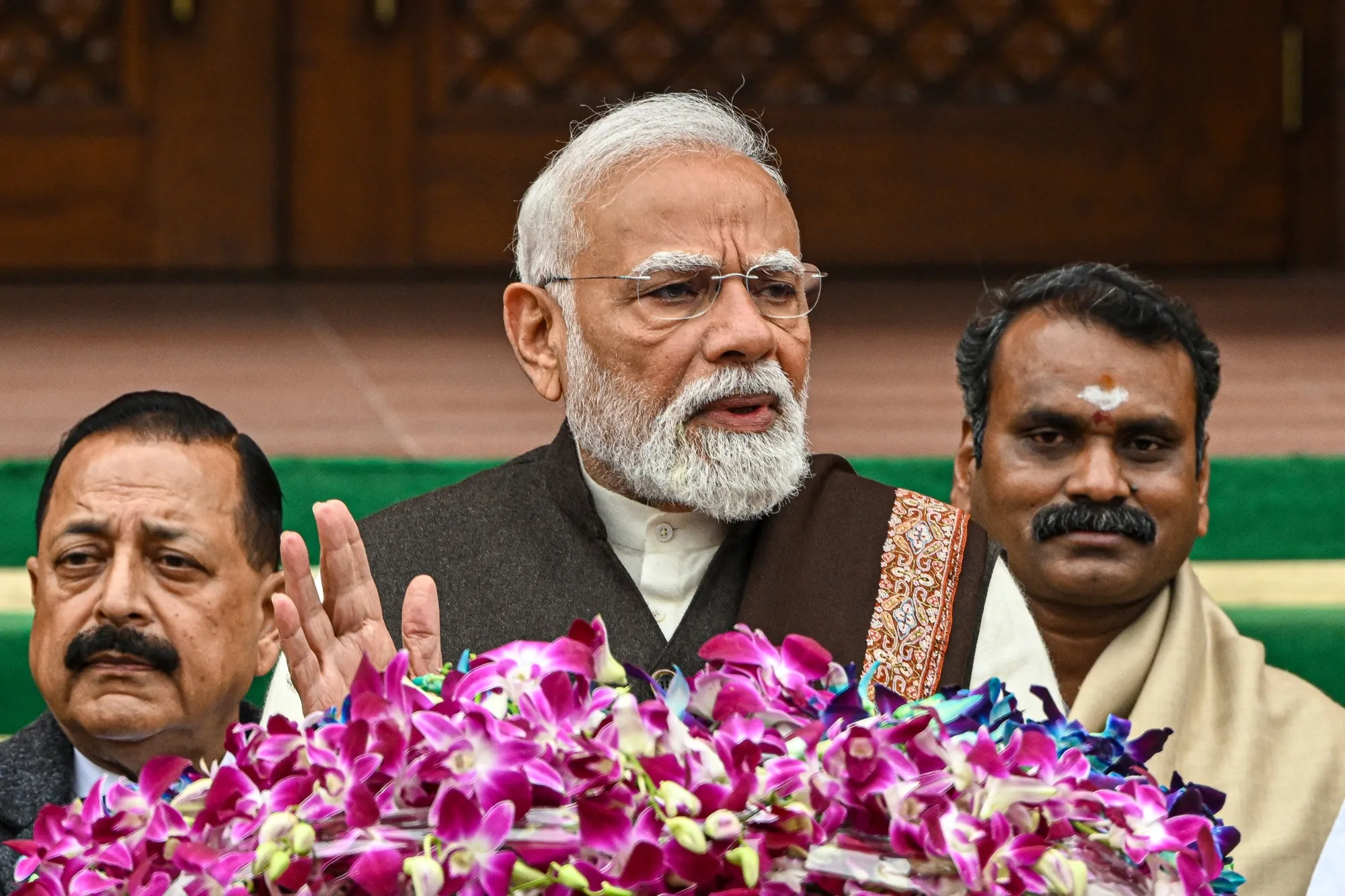
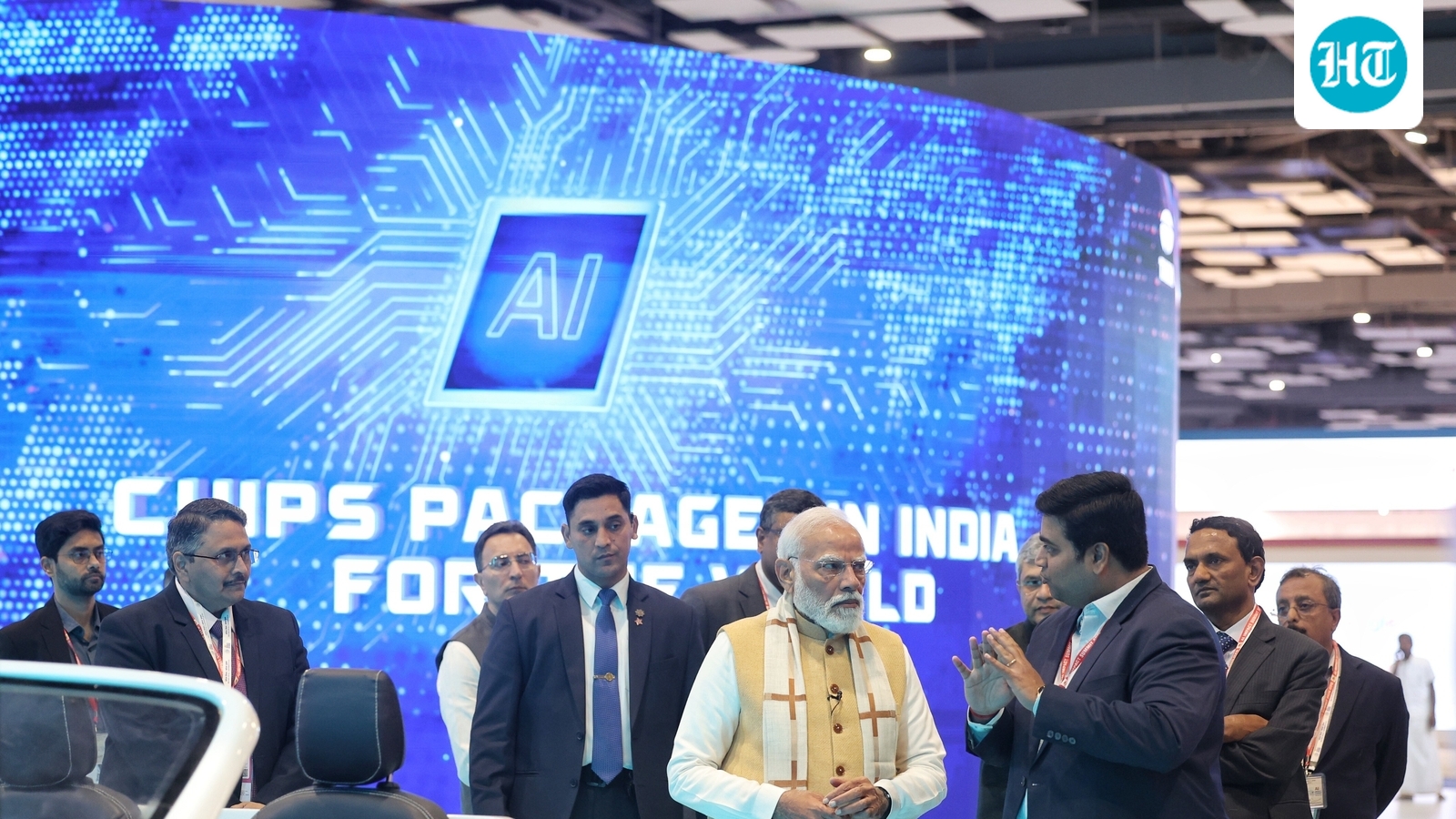
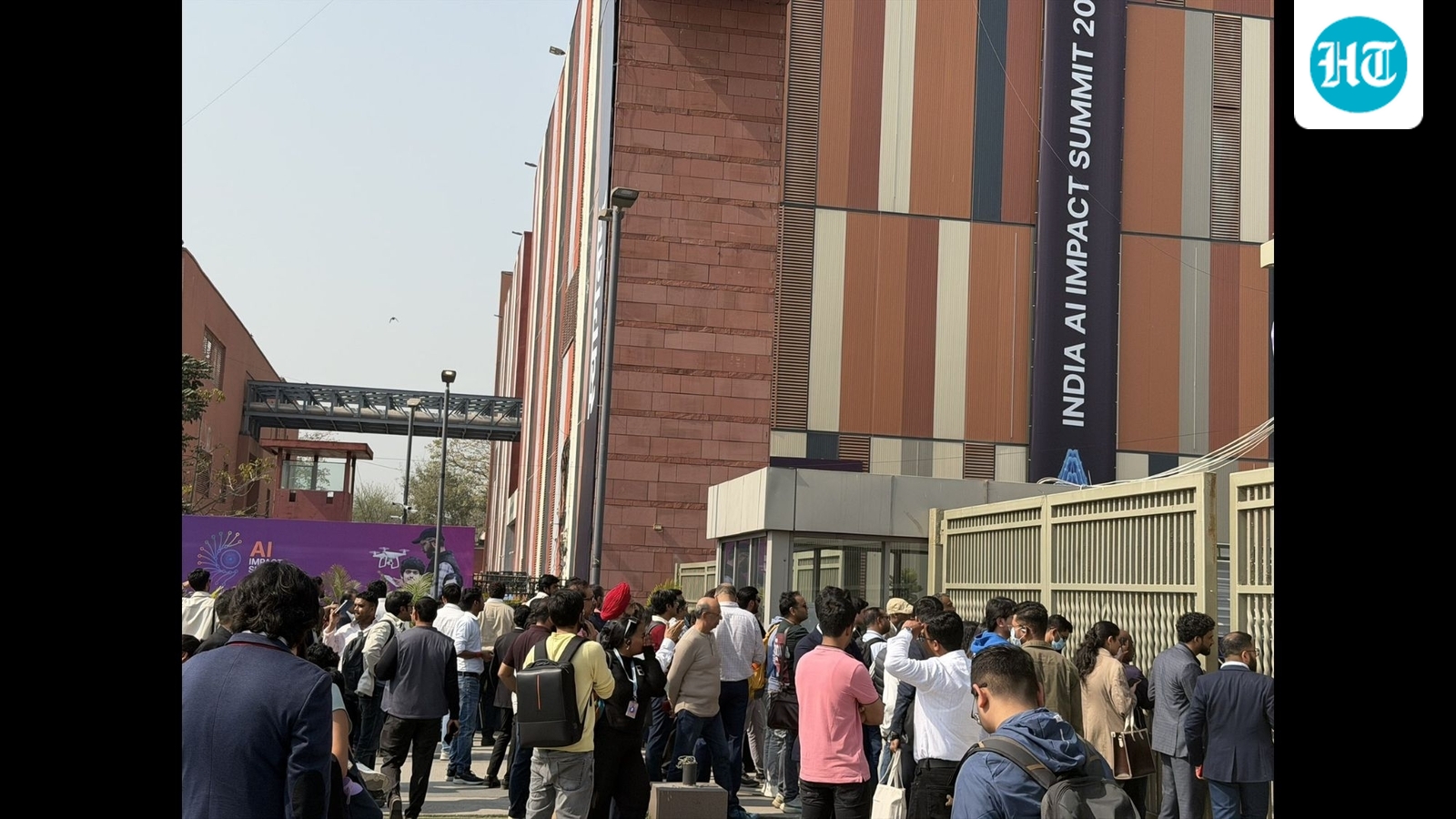
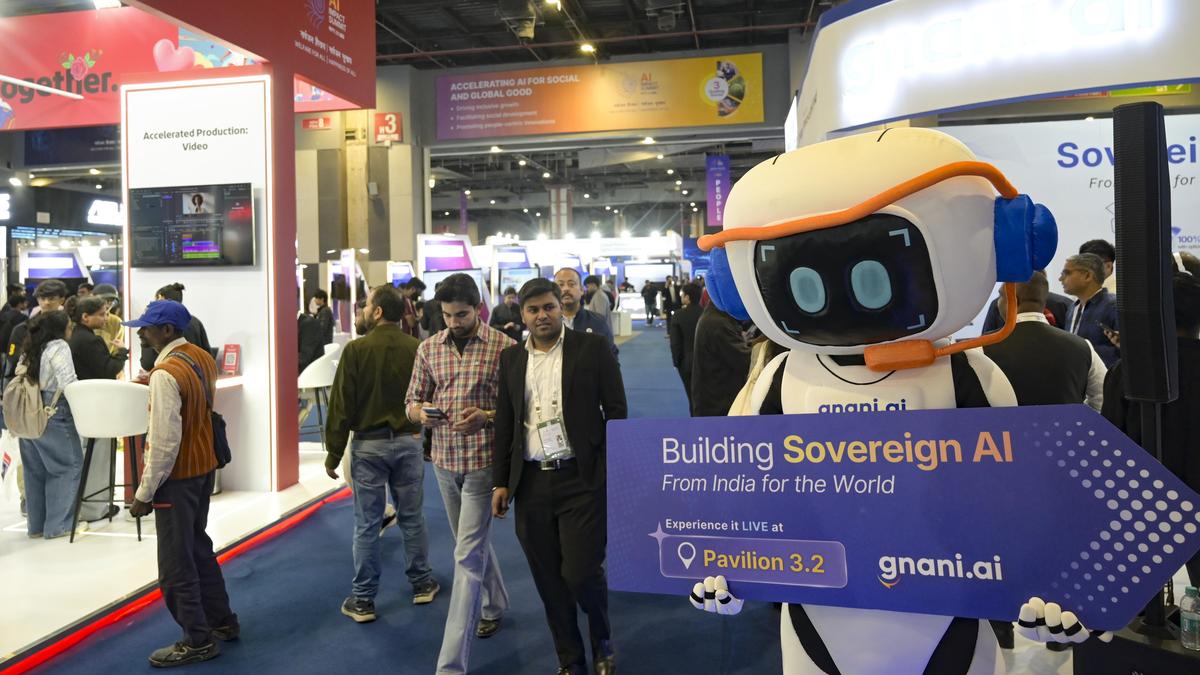
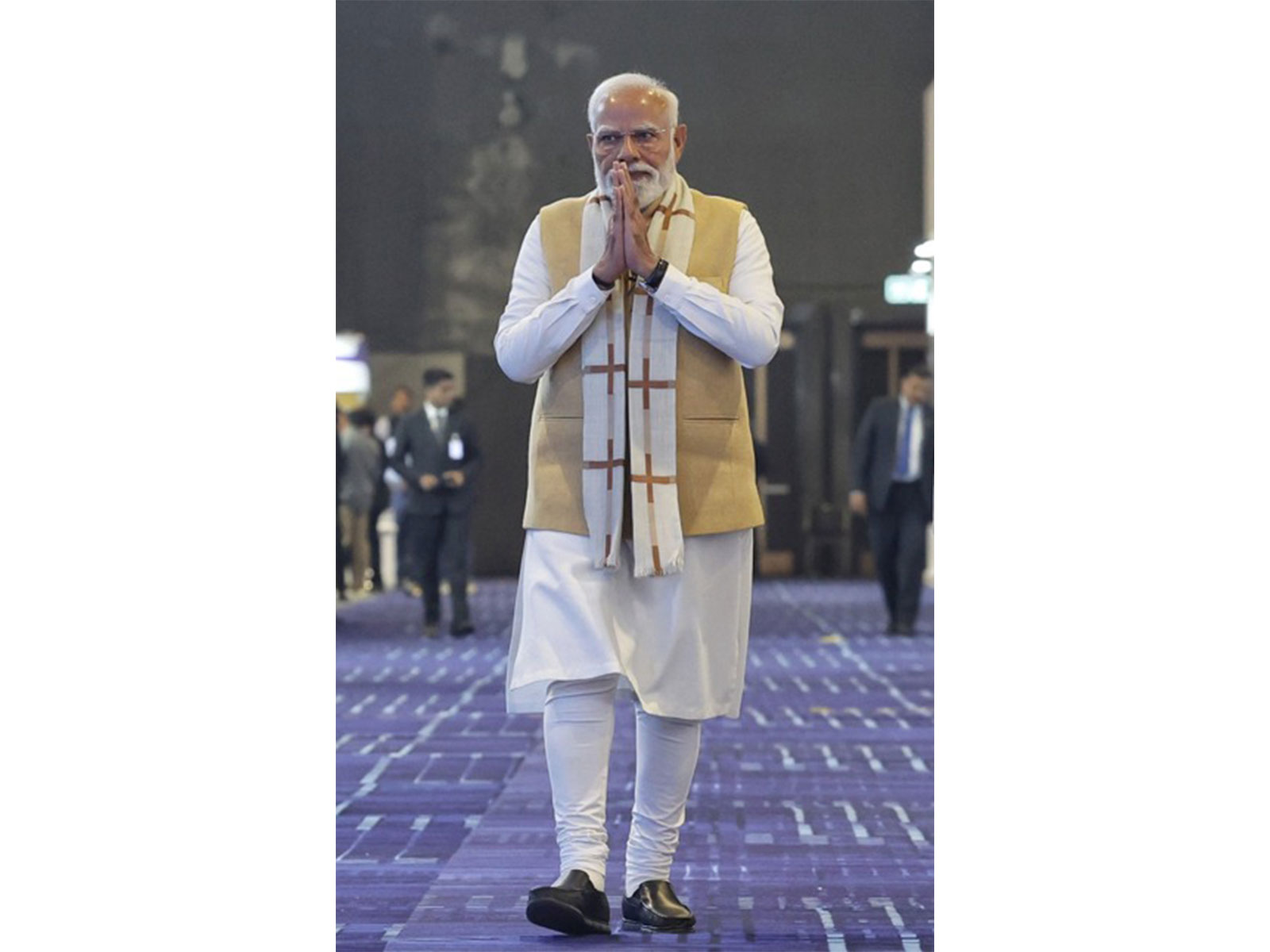
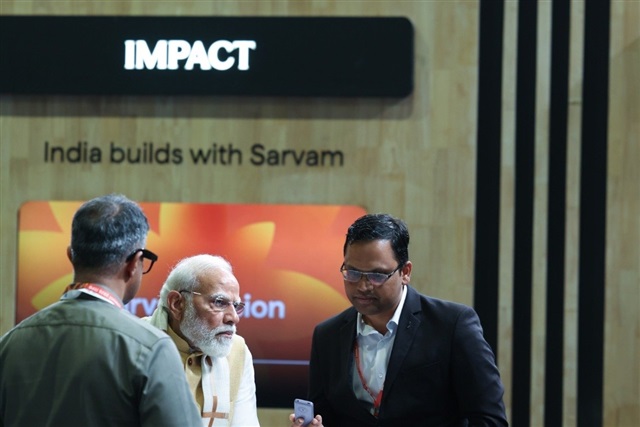
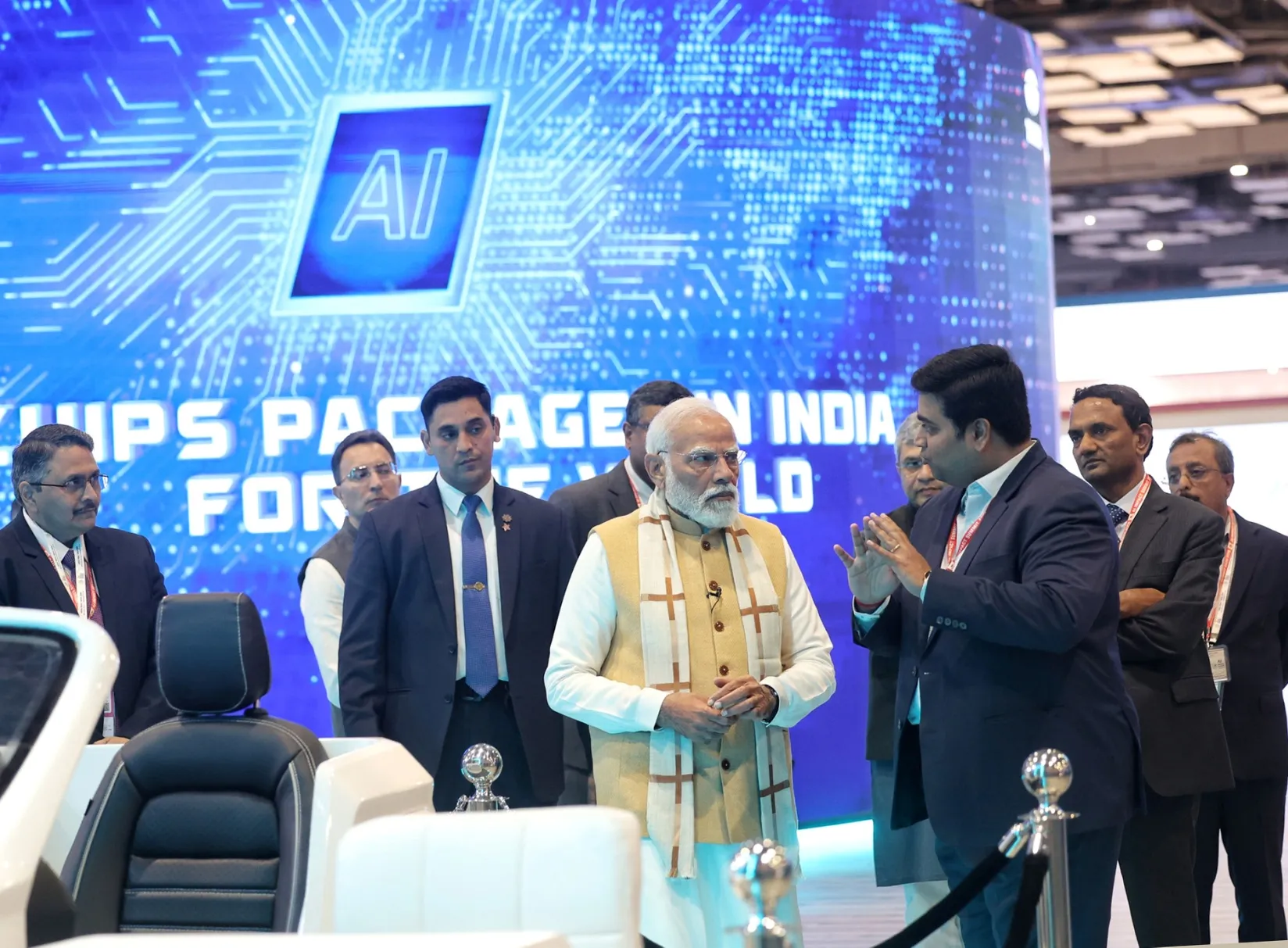
India's inaugural AI Impact Summit 2026, held at Bharat Mandapam in New Delhi and inaugurated by Prime Minister Narendra Modi, experienced severe operational disruptions on its opening day that exposed critical infrastructure gaps relevant to cross-border e-commerce sellers. The five-day event, attracting over 100 countries and technology leaders including Sam Altman (OpenAI) and Sundar Pichai (Alphabet), descended into chaos with extensive queues, overcrowding, security lockdowns, and payment infrastructure failures that stranded hundreds of attendees without food or water access.
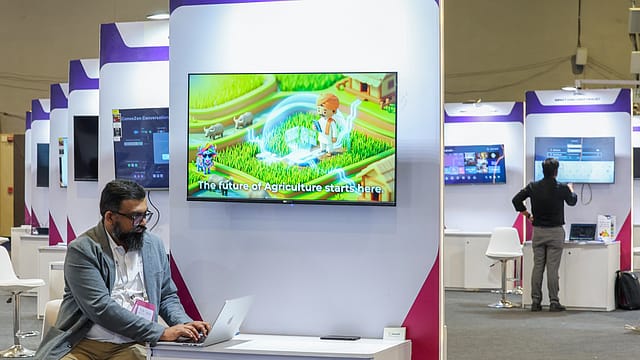
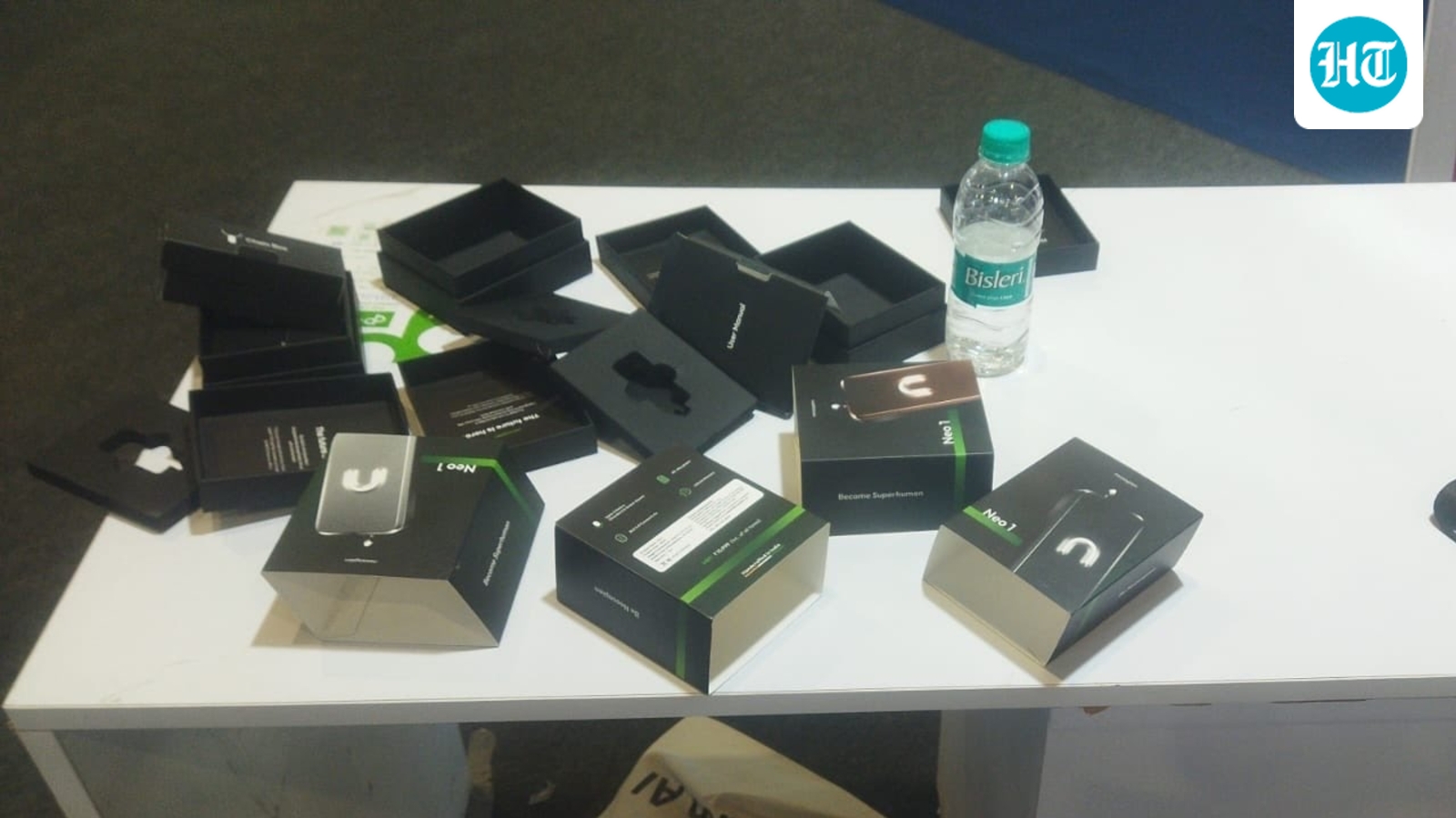
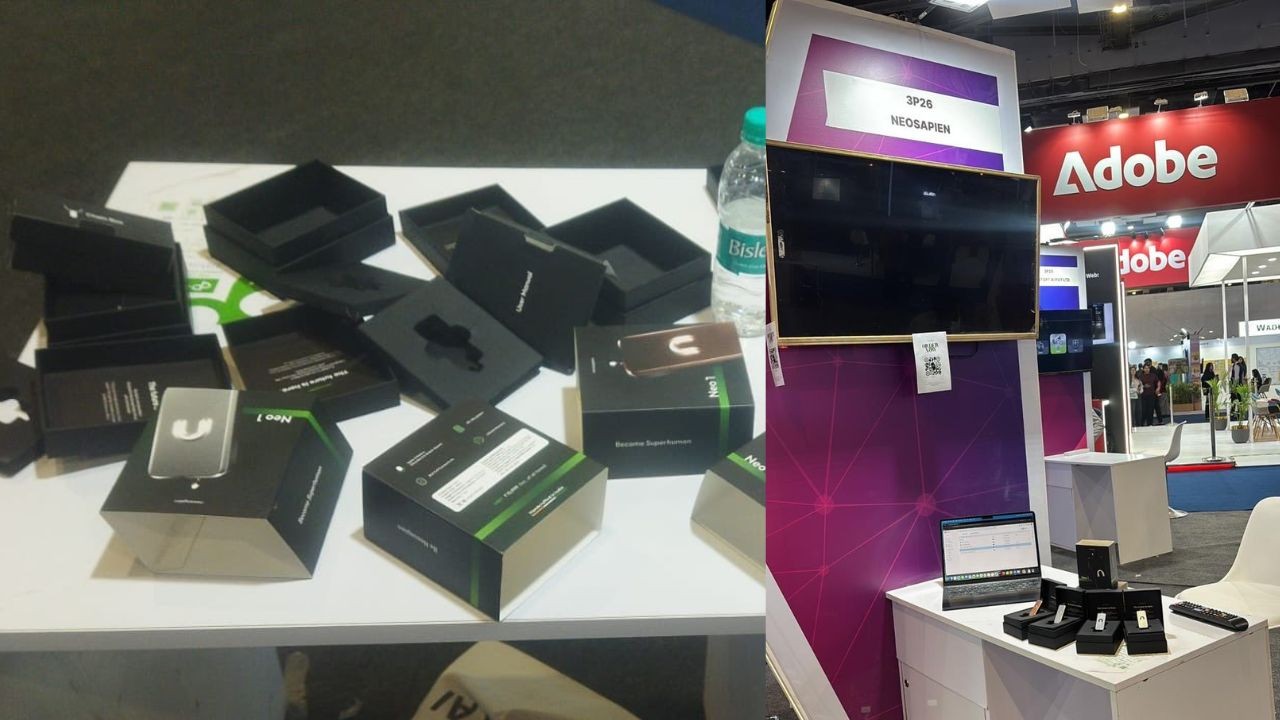
Critical Infrastructure Failures for Sellers: The summit revealed three systemic weaknesses that directly impact e-commerce operations in India. First, payment infrastructure accepting only cash rather than digital payments created friction for international delegates—a red flag for sellers planning to establish payment gateways in India. Second, security protocols caused session shutdowns and booth access restrictions, with exhibitors like Dhananjay Yadav (NeoSapiens) reporting wearable products stolen from high-security zones, indicating inadequate inventory protection systems at large venues. Third, poor crowd management and logistical coordination (7 AM queues, hours of waiting, full evacuations) demonstrate India's challenges in executing large-scale events—directly relevant to sellers planning warehouse operations, fulfillment centers, or logistics partnerships in Indian markets.
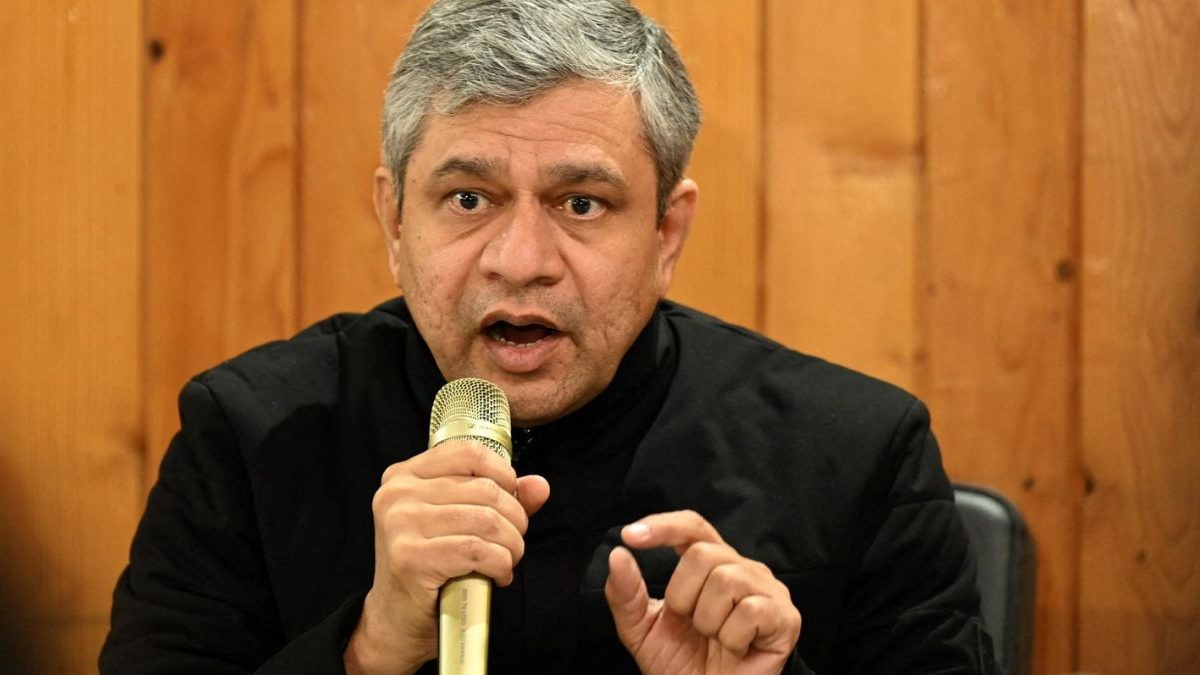
Market Positioning Implications: Despite operational failures, the summit's very existence signals India's strategic commitment to becoming a global AI hub. The event attracted 100+ countries and major tech leaders, indicating India's growing importance in the global AI ecosystem. For e-commerce sellers, this means India's AI infrastructure development—supply chain optimization, logistics automation, marketplace technology—will accelerate over the next 2-3 years. However, the operational chaos suggests sellers should expect 12-18 months of infrastructure maturation before India's event management and digital payment systems reach international standards. Soumya Sharma (Livo AI) noted that "unless we get the basics right, we cannot claim to be utilising AI to its fullest," encapsulating the gap between India's technological ambitions and operational execution.
Seller Risk Assessment: The summit's disruptions highlight execution risks for sellers considering India market expansion. Operational challenges in executing international business events correlate with potential logistics, compliance, and customer service issues in the Indian e-commerce market. However, the event's recovery by Tuesday and government commitment to positioning India as a major AI hub suggest these are growing pains rather than systemic failures. Sellers should monitor India's infrastructure development trajectory closely—the next 18-24 months will be critical for determining whether India becomes a viable alternative to Southeast Asian markets for supply chain operations and marketplace expansion.
问题 8
What timeline should sellers expect for India's infrastructure maturation to international standards?
Based on the summit's operational failures and India's historical infrastructure development patterns, sellers should expect 18-24 months for critical improvements in: (1) digital payment integration across venues and fulfillment centers (12-18 months), (2) event management and logistics coordination (18-24 months), and (3) security and inventory management systems (12-18 months). The government's commitment to positioning India as a global AI hub suggests accelerated investment in these areas. Sellers planning India expansion should align timelines with this maturation window—pilot programs now (2025), scaling operations in 2026-2027. Early movers willing to manage operational friction will gain first-mover advantages as infrastructure stabilizes and competitors enter the market.
How should sellers balance India market opportunity against operational risks revealed by the summit?
The summit reveals India as a high-opportunity, medium-risk market requiring phased expansion. Opportunity factors: 100+ country attendance signals global interest, government commitment to AI infrastructure, 1.4B population with growing e-commerce adoption, and 15-25% labor cost advantages. Risk factors: operational execution gaps, payment infrastructure immaturity, security concerns, and regulatory uncertainty. Seller strategy should be: (1) Phase 1 (2025): Pilot operations with 3-6 month evaluation windows, focus on digital-native categories (software, digital services), (2) Phase 2 (2026): Scale operations if infrastructure improves, expand to physical goods categories, (3) Phase 3 (2027+): Full market commitment if benchmarks met. Allocate 5-10% of expansion budget to India as a strategic bet, not core operations, until infrastructure matures.